Scuba Diving · Eastern Pacific & Galápagos
Eastern Pacific & Galápagos Scuba Diving
Explore 0 operators across Eastern Pacific & Galápagos. Maps, contact info, photos, and verified operator profiles, all in one place.
About Eastern Pacific & Galápagos
Quick facts
- Water temp
- 18–28°C (64–82°F)
- Visibility
- 10–30m
- Best season
- Varies (shark season Jun–Dec)
- Highlights
- Hammerheads, whale sharks & sea lions
- Skill level
- Advanced
- Operators listed
- 0
- Countries
- Ecuador, Colombia, Costa Rica, Mexico
- Dive areas
- 4
By region
4 regions in Eastern Pacific & Galápagos
Region 01 / 04
Galápagos Islands, Ecuador
Where cold and warm water meet, and endemic species share sites with vast pelagic schools, schooling hammerheads and whale sharks headline at Darwin and Wolf. Most of the serious diving runs from liveaboards.
Region 02 / 04
Cocos Island, Costa Rica
A lone volcanic island far offshore, famous for immense hammerhead schools alongside white-tip reef sharks, mantas, and whale sharks. Liveaboard-only, and built for divers with experience to spend.
Region 03 / 04
Malpelo Island, Colombia
A UNESCO World Heritage site and one of the world's great shark stations: huge hammerhead aggregations, silky sharks in numbers, whale sharks on occasion. The conditions are demanding and the access is liveaboard-only, advanced divers get the reward.
Region 04 / 04
Revillagigedo Archipelago, Mexico
Better known as Socorro, these volcanic islands deliver the closest giant oceanic manta interactions in diving, plus seasonal humpback whales and a full roster of sharks. Every trip runs by liveaboard.
All listings
No operators listed yet
across Eastern Pacific & Galápagos
Eastern Pacific & Galápagos is open territory
Run a operator in Eastern Pacific & Galápagos? Be the first listing in Eastern Pacific & Galápagos on Diving Hubs. Free to claim, free to list, indexed by Google.
List your operator freeWatch it live
Live webcams in Eastern Pacific & Galápagos
Eyeball the surface conditions on a public cam before you plan the dive.
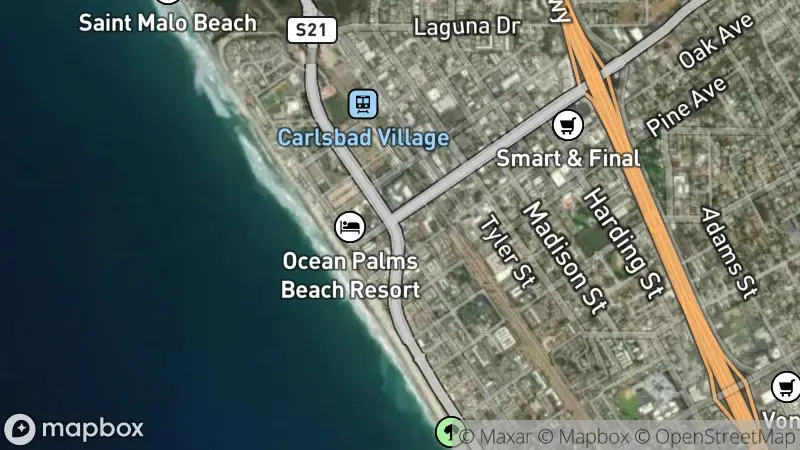 Location
Carlsbad State Beach
via HDOnTap
Watch live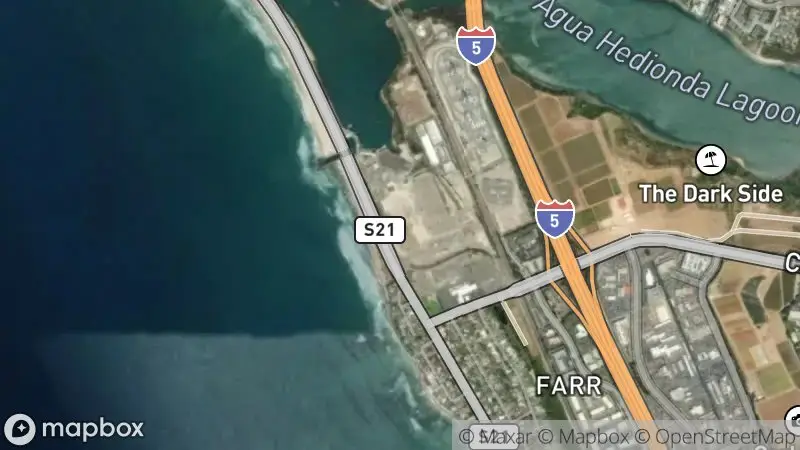 Location
Terramar Point
via HDOnTap
Watch live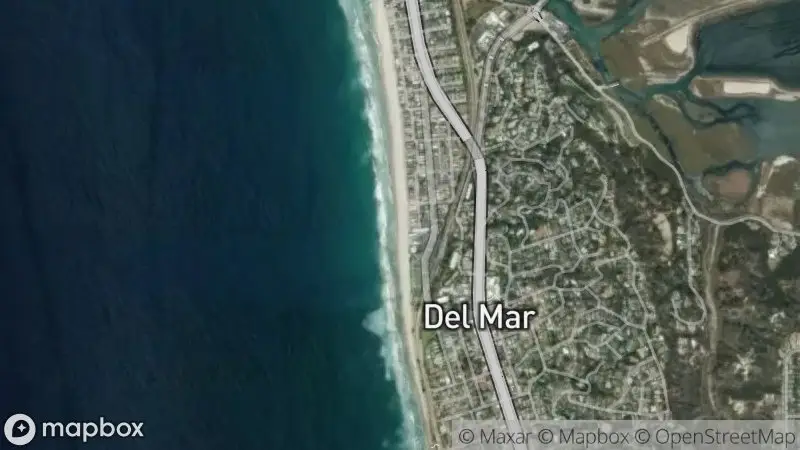 Location
Del Mar Beach (North)
via HDOnTap
Watch livePlan your trip
Plan your trip to Eastern Pacific & Galápagos
Liveaboard Access is Key
Most premier dive sites in the Eastern Pacific & Galápagos, such as the outer Galápagos islands, Cocos, Malpelo, and Revillagigedo, are remote and exclusively accessible via liveaboard. Day-boat operations are limited to specific coastal areas or inner island sites. Plan for domestic flights and boat transfers to reach liveaboard departure points.
Certification & Experience Requirements
Advanced Open Water certification is typically the minimum required for liveaboards in this region, and many operators recommend or mandate a significant number of logged dives (e.g., 50-100) due to challenging conditions. Divers should be comfortable with strong currents, deep dives, and drift diving techniques.
Mandatory Park Fees & Conservation Charges
Expect to pay substantial national park entrance fees and marine reserve conservation fees in protected areas like the Galápagos (Ecuador), Cocos Island (Costa Rica), and Malpelo (Colombia). These fees are crucial for conservation efforts, often paid locally in cash, and are usually not included in the liveaboard price. Confirm current rates with your operator.
Dive Insurance and Safety
Comprehensive dive insurance, including emergency medical and evacuation coverage, is highly recommended and often mandatory for participation on liveaboards. Recompression chambers are scarce and often located far from dive sites. Nitrox is widely available on liveaboards and is advisable for multiple daily dives.
Visas, Language & Currency
Visa requirements vary significantly by nationality and the specific country you are visiting. Check entry requirements well in advance. Spanish is the primary language across the region, though English is commonly spoken by dive professionals. The US Dollar is the official currency in Ecuador and El Salvador, and widely accepted in many other tourist areas.
Confirm current requirements with the state agency before your trip. Rules and fees change every season.
Diver Certification and Experience
Most premier dive operators and liveaboards in the Eastern Pacific & Galápagos require divers to hold at least an Advanced Open Water certification. Due to challenging conditions like strong currents and deeper profiles, a minimum of 50-100 logged dives is often recommended or mandatory. This varies by country. Confirm with your operator.
National Park and Conservation Fees
Visitors to protected marine areas, including all major dive sites, are subject to mandatory national park entrance fees and conservation charges. These funds support local conservation efforts and are typically paid upon arrival or are incorporated into liveaboard packages. This varies by country. Confirm with your operator.
Dive Insurance Requirements
Comprehensive dive insurance, which includes emergency medical treatment and evacuation coverage, is highly recommended for all divers in the region and is often a mandatory requirement for participation on liveaboard expeditions. This ensures preparedness for any unforeseen incidents in remote locations. This varies by country. Confirm with your operator.
Strict Environmental Protocols
Adherence to strict marine park regulations is enforced throughout the region to protect its fragile ecosystems. This includes a no-touch policy for marine life, responsible waste disposal, maintaining safe distances from wildlife, and avoiding the use of dive gloves in many areas. This varies by country. Confirm with your operator.
- 01
1. Choose Your Destination and Time
Pick your target (Galápagos, Cocos, Malpelo, or Revillagigedo), based on the animals you want in front of your mask, then match it to that destination's peak season. In this region, timing is most of the trip.
- 02
2. Assess Experience and Certification
Check yourself honestly against the bar: Advanced Open Water at minimum, and often 50-100 logged dives. The currents and depths here are real, and the liveaboards enforce their requirements.
- 03
3. Book Liveaboard and Flights
Reserve the liveaboard first, berths are limited and peak-season trips sell out well ahead. Then build the flights around it, international plus the domestic leg to the departure port (Baltra for Galápagos, Puntarenas for Cocos).
- 04
4. Arrange Insurance and Gear
Get comprehensive dive insurance with emergency evacuation coverage, often a hard requirement, not a suggestion. Confirm nitrox on your boat, and decide early whether you're bringing your own core gear or relying on rentals.
- 05
5. Check Entry Requirements and Fees
Verify visa rules for your nationality and destination well before departure, and budget for the national park and conservation fees, they're mandatory and frequently collected locally on arrival.
01What kind of marine life can I expect to see in the Eastern Pacific & Galápagos?
02Are the diving conditions challenging in this region?
03Do I need a special certification to dive here?
04Is liveaboard diving the only option for accessing the best sites?
05What is the best time of year to dive the Eastern Pacific & Galápagos?
06Are there any mandatory fees or permits for diving in this region?
When to go
Season by season in Eastern Pacific & Galápagos
December - May: Cooler Waters & Humpbacks
The Galápagos enters its warm season (calmer seas, warmer water, and clearer visibility), though the big whale-shark aggregations at Darwin and Wolf hold off until the cool, upwelling-driven months (June–November). Meanwhile the Revillagigedo Archipelago (Socorro) hits its stride: prime months for humpback whale encounters and the giant oceanic mantas at their most prolific.
June - August: Peak Hammerheads & Mola Mola
Cocos Island and Malpelo enter peak season for massed schooling hammerheads, with silky sharks and other pelagics in attendance. In the Galápagos, the cool nutrient-rich water raises the odds of Mola mola (ocean sunfish) sightings and big bait balls.
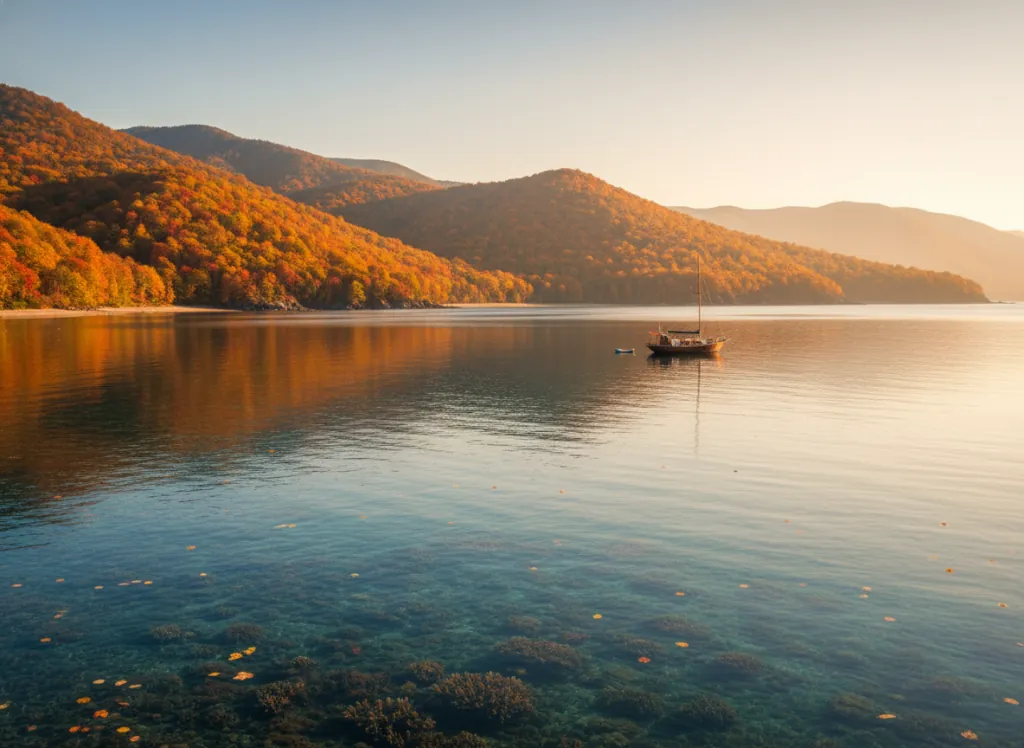
September - November: Whale Shark Bonanza & Continued Pelagics
These are the Galápagos whale shark months, Darwin and Wolf produce some of the best encounters of the year. Cocos and Malpelo keep delivering large pelagic aggregations too, though conditions can turn more dynamic.
Year-Round Variability: Plan for Specifics
Some part of the region dives well in every month, but the marine life calendar and sea conditions swing hard by destination. Pick your target species first, then find the window that serves it, not the other way around.
Watch & learn
Watch & learn, Eastern Pacific & Galápagos
Diving with Hammerhead Sharks in Galapagos (incredible encounters)
Max and Jacqueline
0GALAPAGOS Liveaboard Scuba Diving FULL - CALIPSO 2024 Hammerhead Schools, Killer Whales, Molas
KimTravel009
0Galapagos: Diving with hammerheads
DiveTheGalapagos
0
Free tools
Your free outdoor toolkit
Everything Map
Listings, trails, spots, clubs and public land on a single full-screen map. Switch layers on and off, then tap any point for the details.
Open Everything MapDive Sites
Browse community-mapped reefs, wrecks, and walls with depth, conditions, and what you will see.
Open Dive SitesRoute Planner
Drop stops on a map and watch distance and drive time add up. Export a GPX or share the link.
Open Route PlannerDive Clubs
Browse local clubs with meeting info and how to join, or start your own for free.
Open Dive ClubsPhoto ID
Point your camera at whatever you found and get a structured identification. No signup.
Open Photo IDGear Checklists
Printable, save-as-you-go packing lists. Tick items off and pull them up on your phone.
Open Gear Checklists