Skip to content
Washington diving. Backdrop for the Diving Hubs Washington dive shop directory

Scuba Diving · Washington

Scuba Diving in Washington

Dive 24 dive shops and charters across Washington. Maps, hours, contact info, photos, and verified operator profiles, all in one place.

North Cascades, the Olympics, and 3,000 miles of saltwater coastline.

About Washington

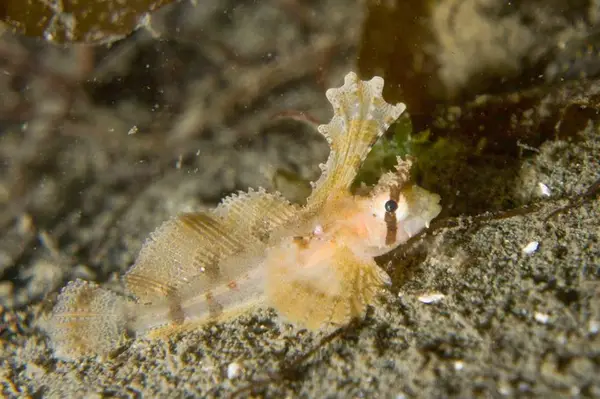
Washington state offers a distinctive cold-water diving experience, primarily centered within the vast inland waters of Puget Sound and the intricate archipelago of the San Juan Islands. This region, sheltered from the open Pacific, presents a dramatic underwater landscape characterized by rocky reefs, kelp forests, and nutrient-rich currents. Divers here explore a vibrant ecosystem teeming with unique Pacific Northwest marine life, including giant Pacific octopuses, wolf eels, lingcod, and a diverse array of nudibranchs. The dive infrastructure supports this unique environment, with numerous dive shops providing gear, training, and guided excursions from shore and boat.

The diving in Washington is known for its incredible biodiversity and often challenging conditions, requiring specific equipment and training. Most diving occurs from shore access points or via charter boats operated by local dive shops, which are concentrated in cities like Seattle, Tacoma, and Everett, and extend north towards Bellingham and the San Juan Islands. Liveaboards, while less common than in tropical destinations, do offer multi-day expeditions to more remote sites within the San Juan Islands, providing access to strong current dives and pristine, untouched reefs.

Unlike tropical destinations, Washington diving demands drysuit proficiency due to consistently cold water temperatures throughout the year. Visibility can range significantly, influenced by tides, plankton blooms, and recent rainfall, but often rewards divers with breathtaking clarity, especially in deeper, less disturbed areas. The dive sites themselves are incredibly varied, ranging from easily accessible shore parks like Edmonds Underwater Park to advanced boat dives on artificial reefs and historic wrecks scattered across the sound and strait. Planning involves careful consideration of tides and currents, which are significant factors in many popular dive locations.

24 on the map

Loading map…

Tap a pin to open its profile.

Quick facts

Dive shops and charters listed
24
Best season
June through October

All listings

24 dive shops and charters

across Washington

All states

Get listed free

Run a dive shop in Washington? Add it to Diving Hubs. Free, no commission.

Add your listing

Plan your trip

Plan your trip to Washington

Exposure Protection

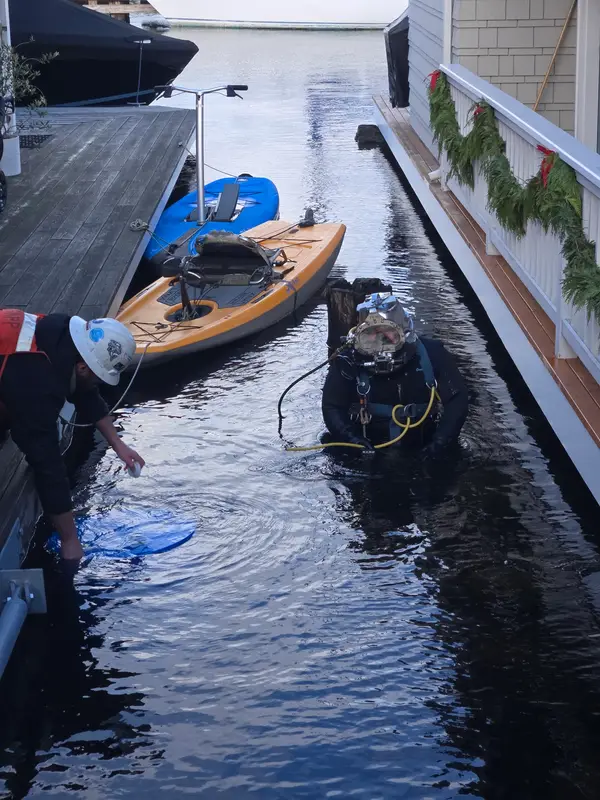
Washington's water temperatures consistently range from 45–55°F (7–13°C) year-round. A drysuit is considered standard and highly recommended for comfortable and safe diving. Many dive shops require drysuit certification for their guided boat dives. Wetsuits, even thick ones, are generally insufficient for extended dives.

Certification Levels

While Open Water certification allows diving, many of Washington's signature sites involve deeper profiles, currents, or overhead environments. An Advanced Open Water certification is highly recommended, and Drysuit Diver certification is almost a prerequisite. Nitrox is also beneficial for maximizing bottom time on deeper dives.

Access and Logistics

Diving in Washington is a mix of shore and boat access. Popular shore dives include Edmonds Underwater Park, Keystone Jetty, and Alki Beach. Boat dives, often organized through local dive shops, access wrecks, artificial reefs, and the more remote sites of the San Juan Islands and Hood Canal. Check tidal charts carefully for current-dependent sites.

Signature Dive Experience

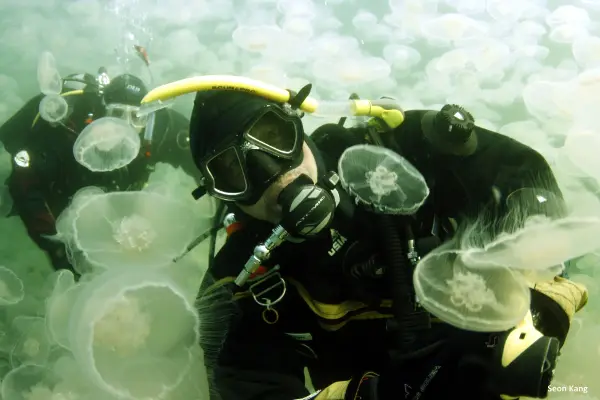
Washington is renowned for its vibrant cold-water marine life, particularly giant Pacific octopuses, wolf eels, and colorful nudibranchs. Artificial reefs, formed from sunken ships and concrete structures, create excellent habitats. The San Juan Islands offer drift diving opportunities with strong currents, showcasing diverse ecosystems.

Mooring Buoy Etiquette

Some popular boat dive sites, especially in marine protected areas, utilize public mooring buoys. Divers should be familiar with proper mooring techniques to protect sensitive underwater habitats. Never anchor directly onto reefs. Always verify local regulations with your dive operator or the Department of Natural Resources.

Confirm current requirements with the state agency before your trip. Rules and fees change every season.

  • Diver Down Flag Requirements

    Washington law requires divers to display a diver down flag whenever diving from the surface. The flag must be at least 12x12 inches for boat diving and 20x24 inches for shore diving, visible from all directions, and indicate the presence of divers within 100 feet in rivers and lakes, and 200 feet in ocean waters. Vessels must maintain a safe distance.

  • Boater Education Card

    Anyone operating a motorboat with 15 horsepower or greater in Washington state, born after January 1, 1955, is required to carry a Boater Education Card. This applies to dive boat operators, including those chartering boats. Visitors should verify requirements if operating their own vessel.

  • Marine Protected Area Rules

    Several areas within Puget Sound and the San Juan Islands are designated as Marine Protected Areas (MPAs) or no-take zones. These areas have specific regulations regarding fishing, harvesting, and disturbing marine life. Divers must adhere strictly to these rules to preserve the fragile ecosystems. Always consult local charts and signage.

  • Shellfish and Fishing Licenses

    While most divers observe marine life, those wishing to harvest shellfish or fish during a dive must possess a valid Washington State recreational shellfish and seaweed license or a fishing license, respectively. Specific regulations, seasons, and catch limits apply and vary by species and location. Verify with the Washington Department of Fish and Wildlife.

  1. 01

    Obtain Drysuit Certification

    Given the consistently cold water temperatures, a drysuit is essential for comfortable and safe diving in Washington. Get certified in drysuit diving before your trip to maximize your enjoyment and access to dive sites.

  2. 02

    Research Local Dive Shops

    Begin by identifying reputable dive shops in key areas like Seattle, Tacoma, or Bellingham. These shops offer gear rental, guided shore dives, boat charters, and local expertise on conditions and sites. Liveaboard options can be explored for multi-day island excursions.

  3. 03

    Plan for Cold Water Logistics

    Prepare for cold water conditions, which includes appropriate exposure protection, hood, gloves, and potentially heated undergarments. Ensure your regulator is cold-water rated. Many shops offer drysuit rentals and specialized gear.

  4. 04

    Check Tides and Conditions

    Washington diving is significantly affected by tides and currents. Consult local tide charts and discuss conditions with your chosen dive operator. Planning dives around slack tide is often crucial for safety and enjoyment, especially at current-prone sites.

  5. 05

    Book Your Dives and Accommodation

    Once certified and prepared, book your dive charters or guided shore dives in advance, especially during peak summer months. Secure accommodation convenient to your chosen dive locations, considering the specific region you wish to explore.

01What kind of marine life can I expect to see in Washington?
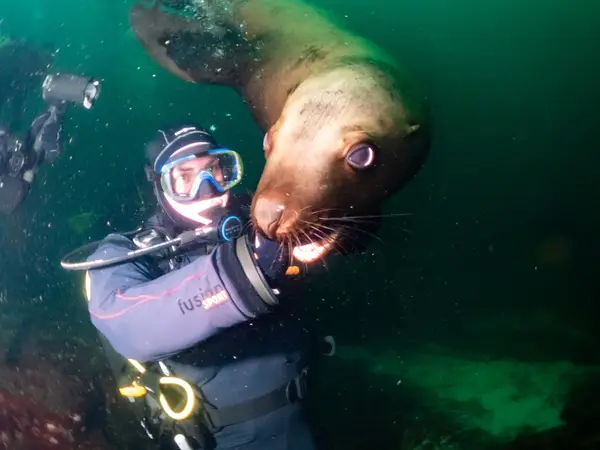
Washington's cold waters host an incredible array of marine life. Divers frequently encounter giant Pacific octopuses, wolf eels, various nudibranchs, lingcod, rockfish, and crabs. You might also spot sea lions, seals, and occasional porpoises, especially in the San Juan Islands.
02What are the typical water temperatures and visibility?
Water temperatures generally range from 45–55°F (7–13°C) throughout the year. Visibility is variable, often ranging from 15–50 feet (4.5–15 meters), but can sometimes exceed 80 feet (24 meters) in winter or specific locations. Plankton blooms can reduce visibility, particularly in spring and early summer.
03Do I need a drysuit to dive in Washington?
While technically possible to dive in a thick wetsuit, a drysuit is highly recommended and almost standard for diving in Washington due to the consistently cold water. It provides superior thermal protection and allows for longer, more comfortable dives. Many dive shops require drysuit certification for boat charters.
04What is the best time of year to dive in Washington?
Summer (June-August) generally offers the warmest water and most consistent visibility, making it popular. Fall (September-November) can also be excellent, with good visibility and fewer crowds. Winter (December-February) often brings the best visibility, though with colder water temperatures.
05Are there many wreck dives in Washington?
Yes, Washington has several notable wreck dives, particularly in Puget Sound and the Strait of Juan de Fuca. Many of these are artificial reefs, such as the USS Scylla or the Boeing 727, intentionally sunk to create marine habitats. There are also historic wrecks, often at deeper depths and subject to strong currents.
06Is Washington diving suitable for beginner divers?
Washington offers sites suitable for various experience levels. Some shore dives, like Edmonds Underwater Park, are excellent for beginners. However, many signature sites involve deeper depths, currents, or require drysuit experience. It is recommended that beginners gain comfort in colder water and consider advanced certifications before exploring more challenging locations.

When to go

Season by season in Washington
Spring (March-May)

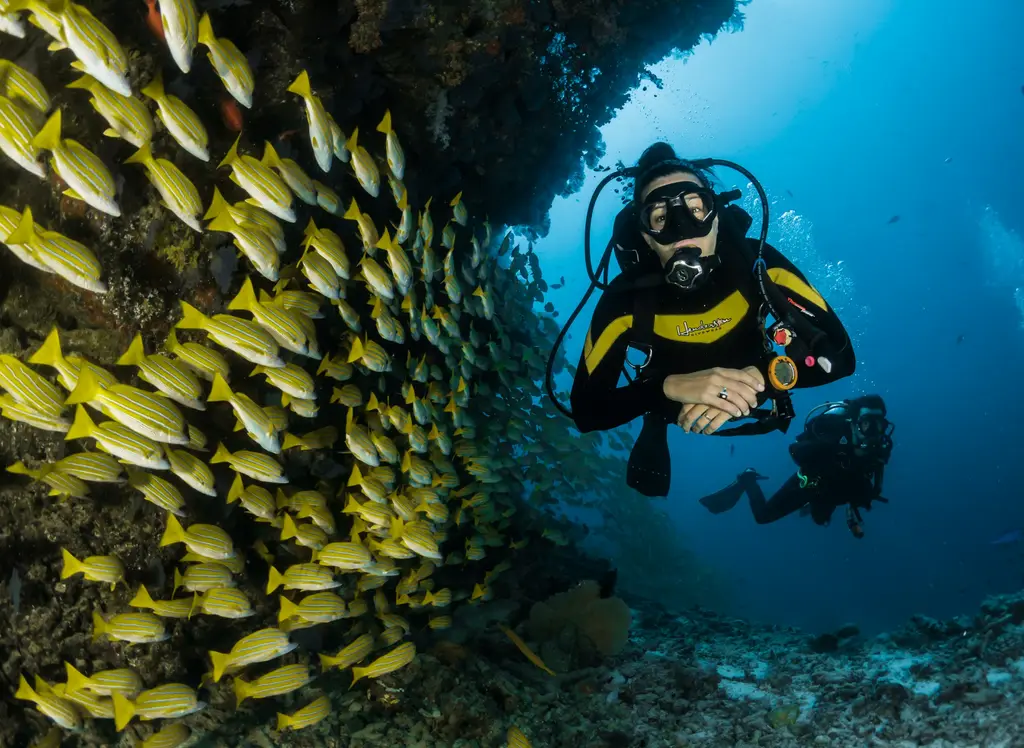
Spring brings gradually improving visibility as plankton blooms begin to subside, though water temperatures remain quite cold. Dive shops increase their charter schedules, and popular sites become more accessible as daylight hours extend. Drysuit diving is essential.
Summer (June-August)

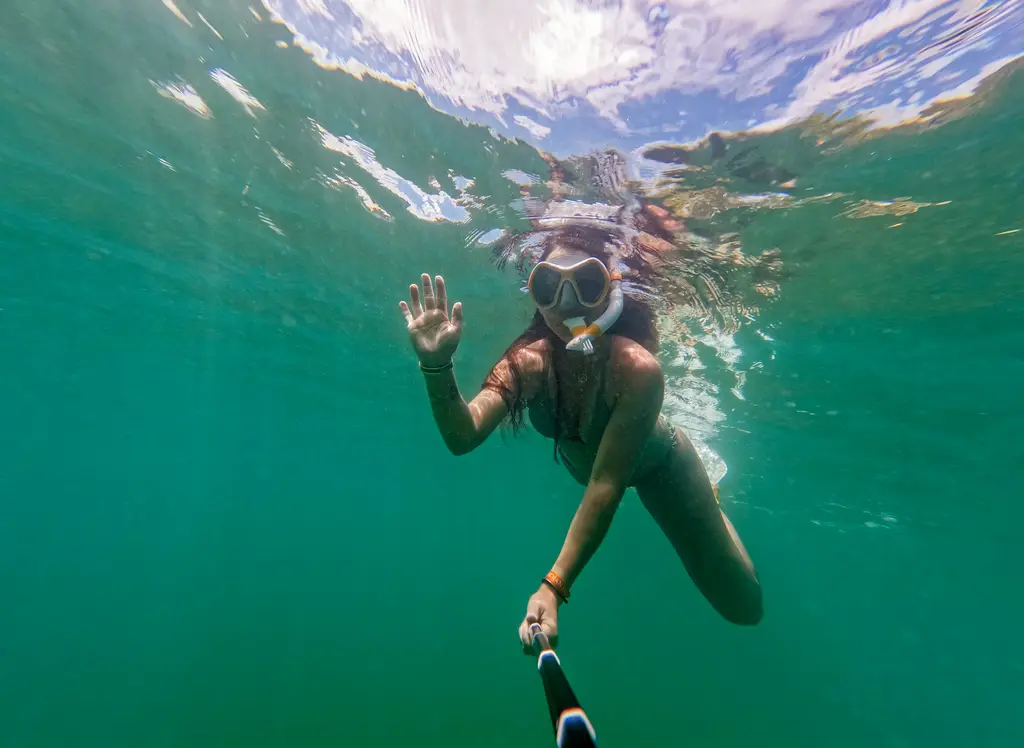
Summer typically offers the best and most consistent visibility, along with the warmest water temperatures, though still requiring drysuit protection. This is the peak season for diving, with full charter schedules, numerous training courses, and busy dive sites. Liveaboard options are most prevalent.
Fall (September-November)

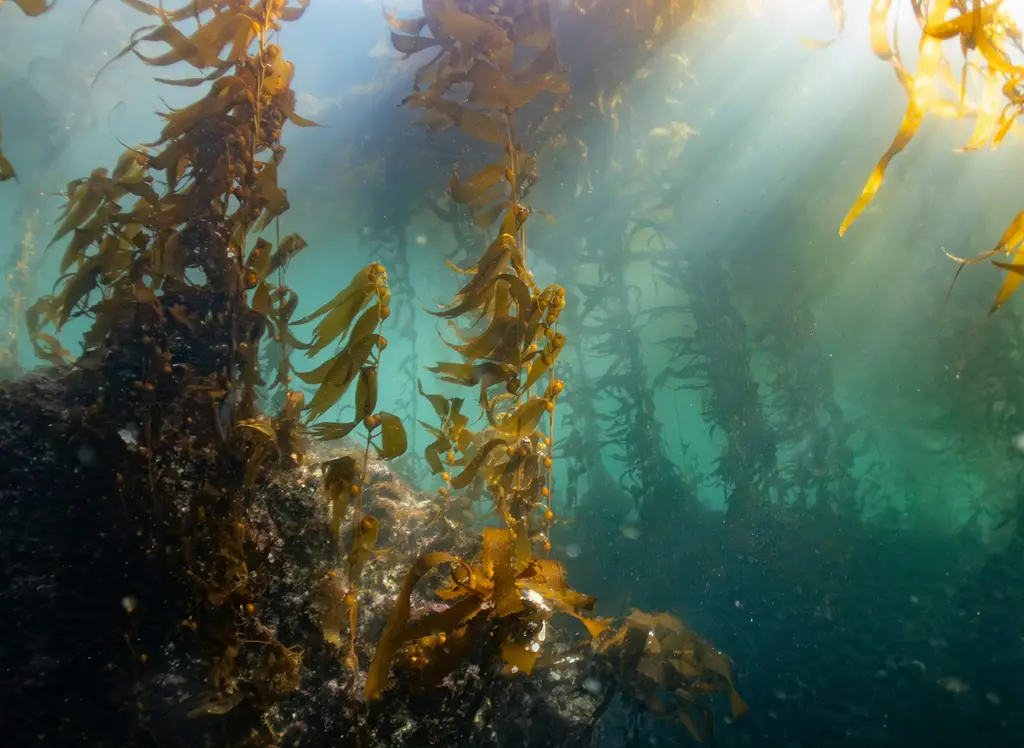
Fall often provides excellent visibility as water temperatures begin to drop and plankton levels decrease. Crowds thin out compared to summer, offering a more serene diving experience. Dive shops continue regular operations, and many consider this a prime season for exploring deeper sites.
Winter (December-February)

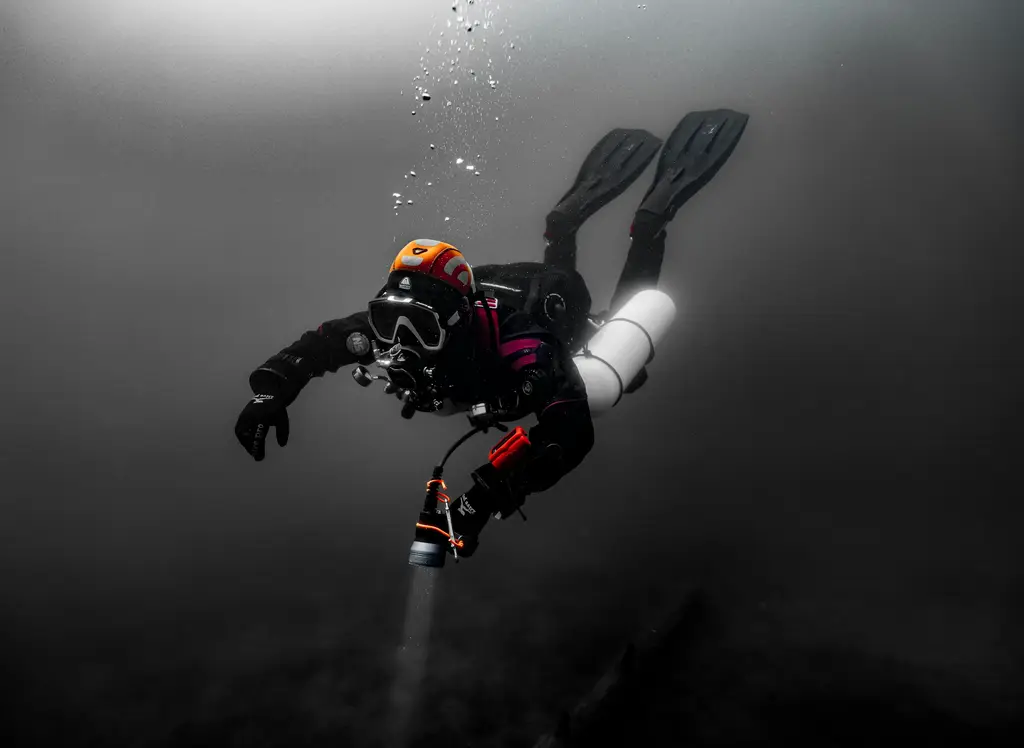
Winter features the coldest water temperatures but can also deliver spectacular visibility, often the best of the year. While fewer dive shops operate regular charters, dedicated local divers embrace the clear, crisp conditions. Specific training for challenging winter conditions is advisable.

Free tools
Your free outdoor toolkit

Keep exploring

Nearby states

In your pocket

Take every dive site with you.

Free, no account needed. Dive-site charts, marine conditions, and your dive log in your pocket.

  • Every dive shop and charter in your pocket

  • Reefs, wrecks, and walls charted on the map

  • Viz and current reports from divers just surfaced

  • NOAA conditions before the boat leaves the dock

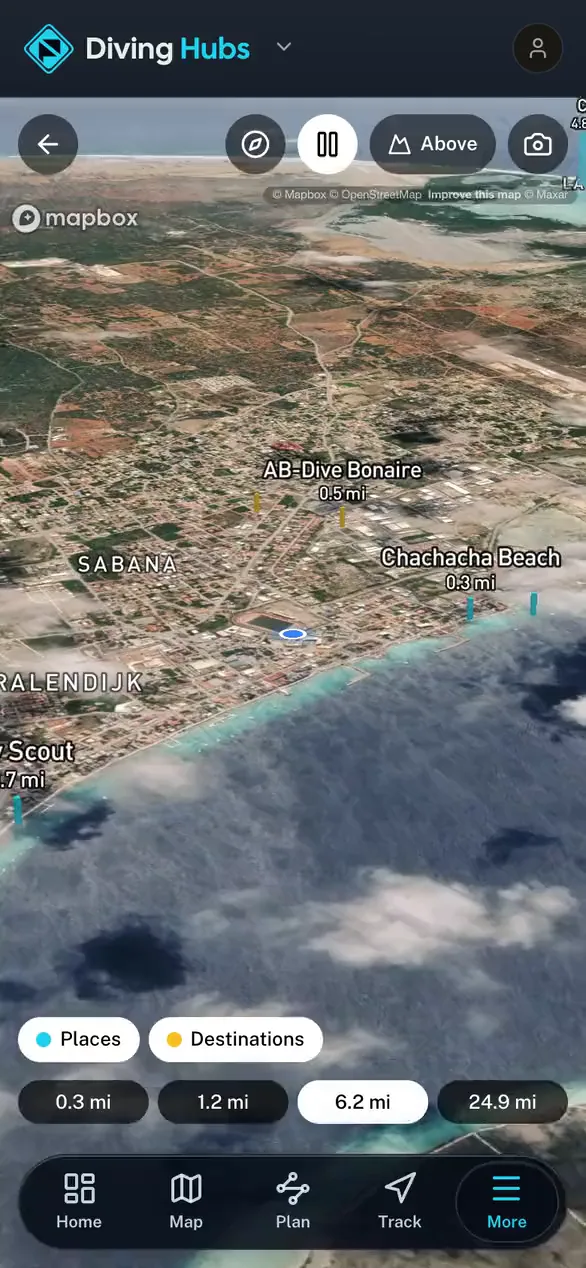
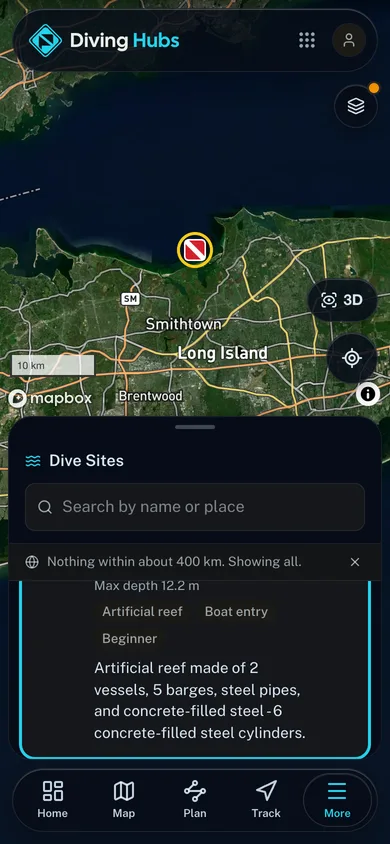
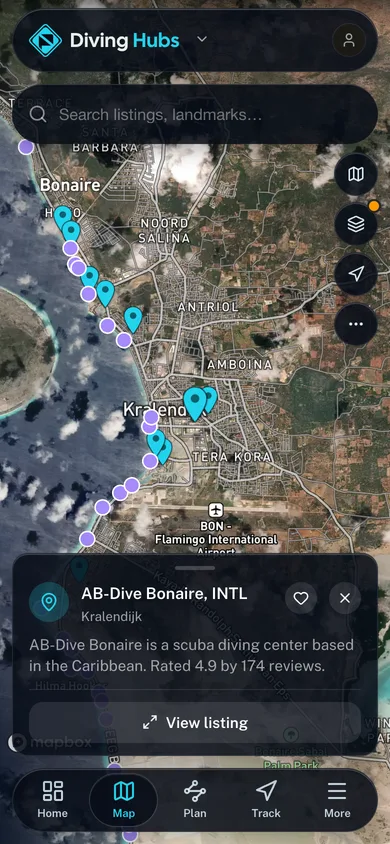
The Diving Hubs app dashboard

For operators

Run your dive business?
Launch your branded surface.

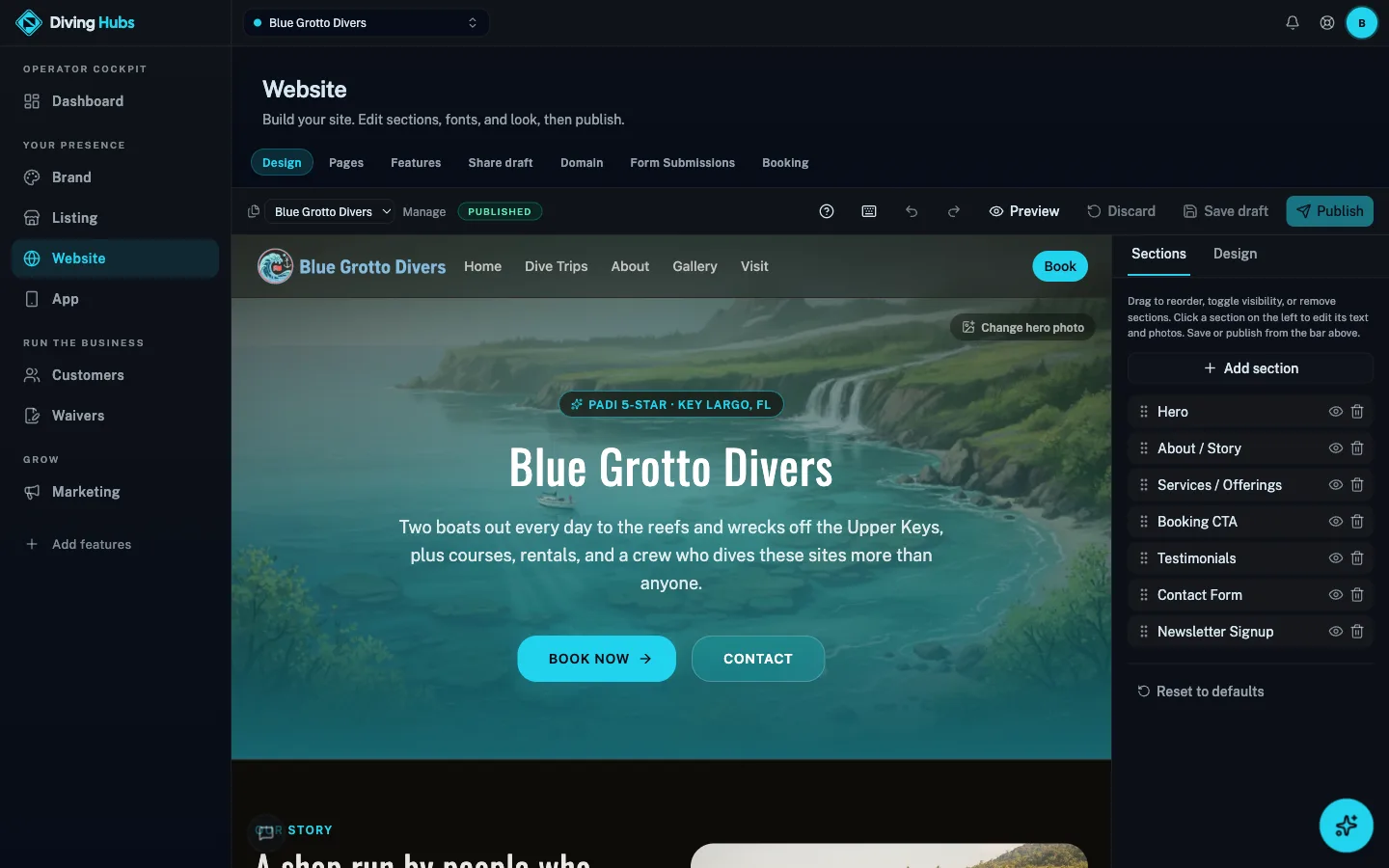
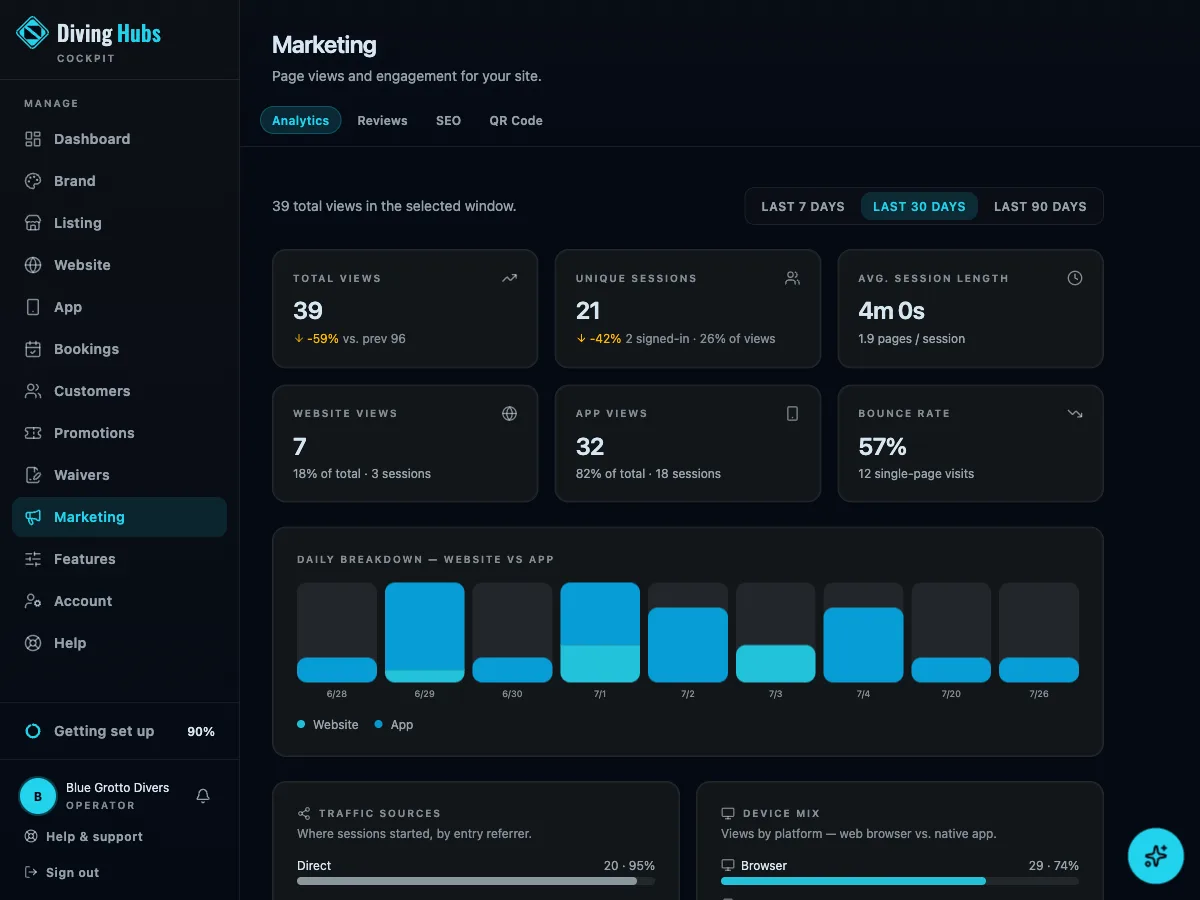
Get your own branded surface in the Diving Hubs app and a directory listing in minutes. Bookings, digital waivers, and your whole operation live in one cockpit.