Scuba Diving · Indian Ocean
Indian Ocean Scuba Diving
Explore 40 operators across Indian Ocean. Maps, contact info, photos, and verified operator profiles, all in one place.
About Indian Ocean
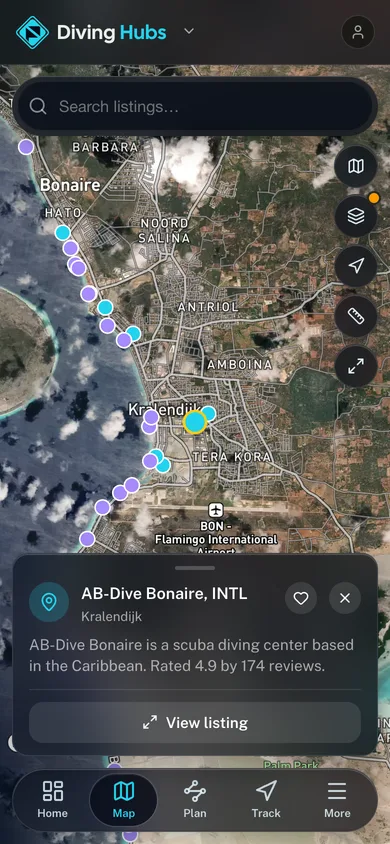
40 on the map
Tap a pin to open its profile.
Quick facts
- Water temp
- 26–30°C (79–86°F)
- Visibility
- 15–30m
- Best season
- Varies by island
- Highlights
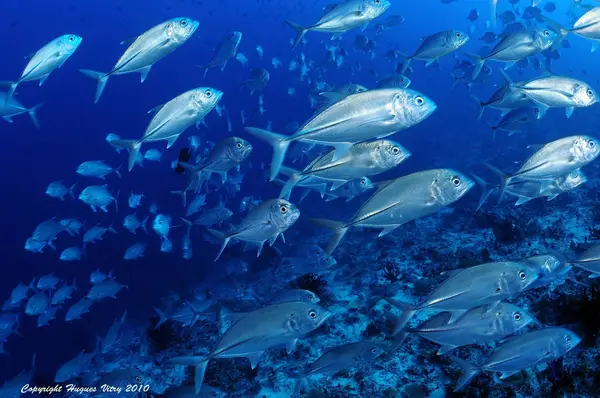
- Mantas, whale sharks & channels
- Skill level
- All levels
- Operators listed
- 40
- Countries
- Maldives, Seychelles, Mozambique +6 more
- Dive areas
- 4
By region
4 regions in Indian Ocean
Region 01 / 04
Maldives
Thousands of coral islands, and the pelagics to match: manta rays, whale sharks, and reef sharks in reliable numbers. The strong currents that feed them turn the channels and thilas into some of diving's great drift rides.
Region 02 / 04
Seychelles
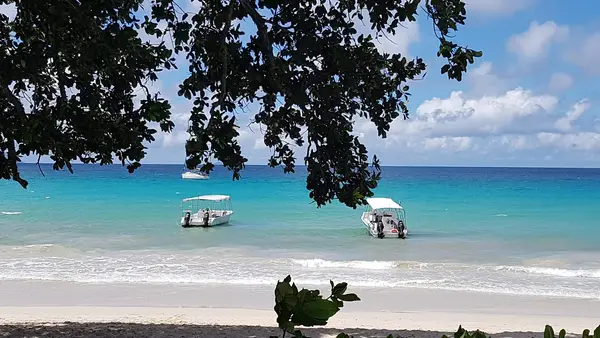
Granite boulders tumble from the beaches straight down through the dive sites, framing healthy reefs, endemic species, wrecks, and the occasional larger visitor. Few places look like this above or below the waterline.
Region 03 / 04
Raja Ampat (Indonesia)
The epicenter of marine biodiversity by most counts, coral and fish species in numbers that strain belief. Liveaboards rule here, serving macro obsessives and anyone who wants sheer abundance of life.
Region 04 / 04
Mozambique
A long, lightly dived coastline holding intact reefs and serious pelagics, manta rays and whale sharks among them, plus dugong encounters in the southern reaches that few other destinations can offer.
All listings
40 operators
across Indian Ocean

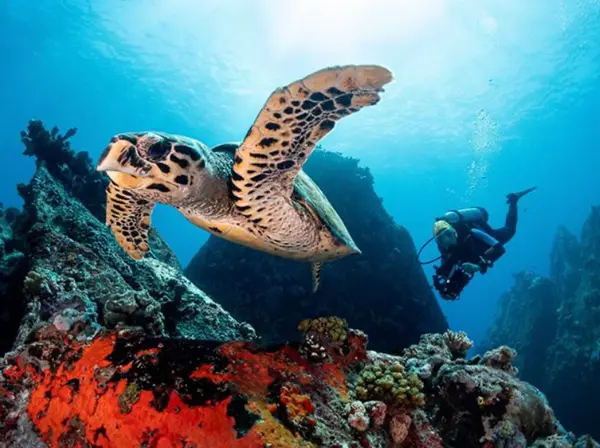

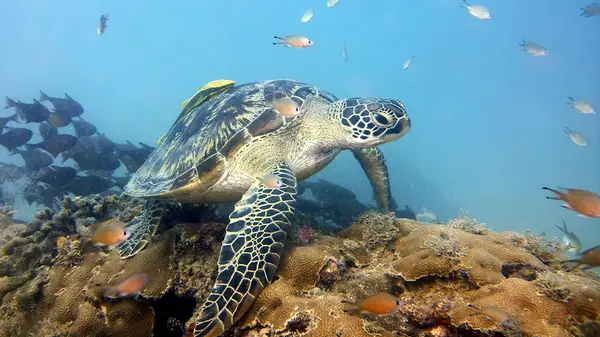
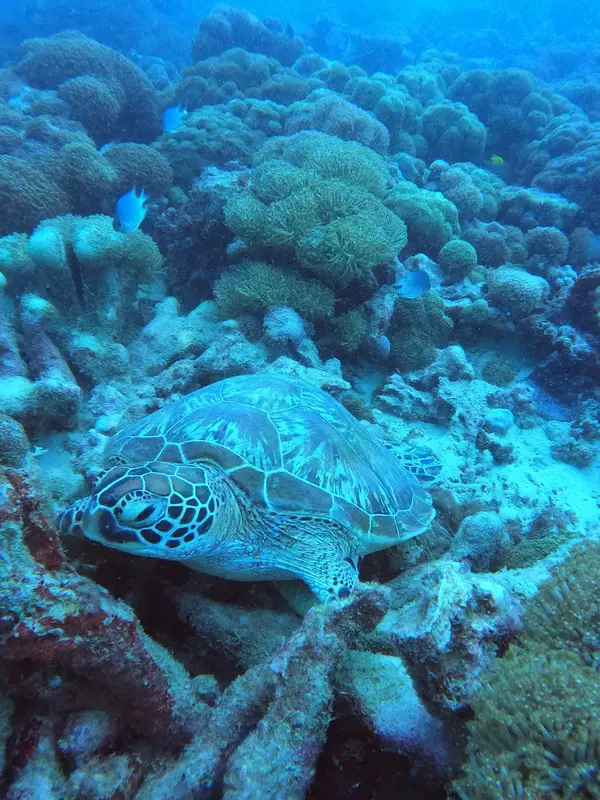
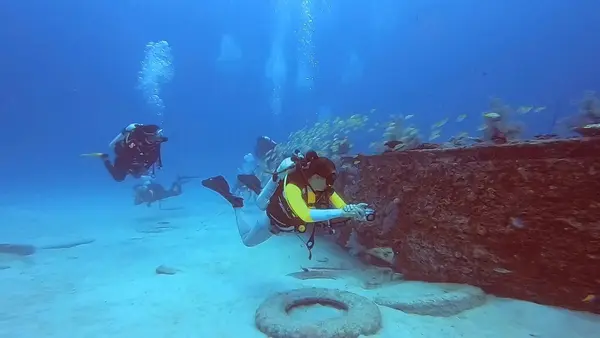
Plan your trip
Plan your trip to Indian Ocean
Certification Levels and Experience
Many signature dive sites in the Indian Ocean, particularly those with strong currents or deeper profiles, often require Advanced Open Water (AOW) certification or higher. Liveaboard itineraries frequently involve multiple dives per day in varied conditions, so a comfortable level of experience is beneficial. Always confirm specific requirements with your chosen dive operator, as some sites are suitable for Open Water divers.
Marine Park Fees and Conservation
Conservation efforts are vital across the Indian Ocean, and many premier dive sites are located within protected marine parks. Expect to pay daily or per-trip marine park fees, which contribute directly to conservation and management. These fees vary significantly by country and specific park; confirm charges with your dive operator as they are often not included in the dive package price.
Liveaboard vs. Day-Boat Access
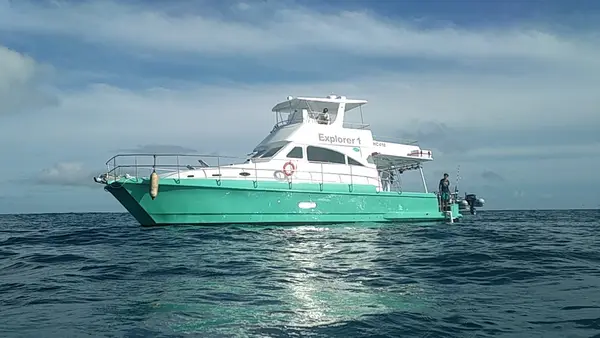
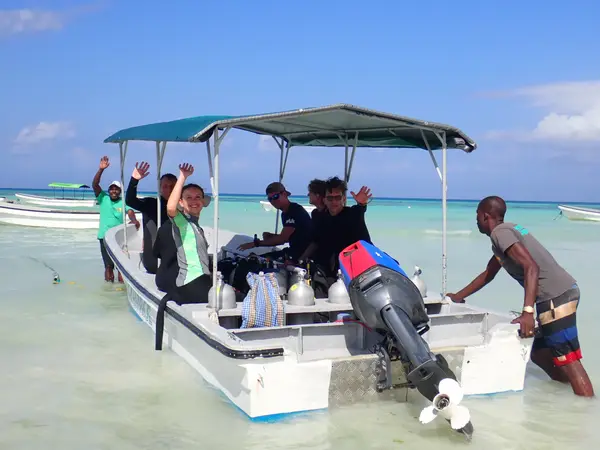
While many destinations offer excellent day-boat diving from shore-based resorts, accessing the most remote and pristine sites, especially in archipelagos like the Maldives, Seychelles, or Raja Ampat, often necessitates a liveaboard. Liveaboards provide unparalleled access to distant atolls and allow for multiple dives daily without long transits back to shore. Consider your desired itinerary and comfort level when choosing.
Currents, Depth, and Nitrox
The Indian Ocean is known for its nutrient-rich currents, which attract abundant marine life but can also present challenging drift dives. Many iconic sites feature moderate to strong currents and depths exceeding recreational limits. Nitrox is widely available on liveaboards and at reputable dive centers, highly recommended for extended bottom times and repetitive dives. Always discuss your comfort level with currents and depth with your dive guide.
Dive Insurance and Emergency Evacuation
Given the often remote nature of diving in the Indian Ocean, comprehensive dive insurance is highly recommended, and often mandatory for liveaboard bookings. This insurance should cover dive-related medical emergencies, hyperbaric treatment, and emergency evacuation. Verify that your policy covers the specific activities and locations you plan to visit, as medical facilities capable of handling dive emergencies can be far from dive sites.
Confirm current requirements with the state agency before your trip. Rules and fees change every season.
Proof of Certification
All dive operators will require proof of your diving certification (e.g., PADI, SSI, NAUI) before allowing you to dive. It is advisable to carry your certification card or digital proof. Some operators may also require a logbook showing recent dives. This varies by country; confirm with your operator.
Medical Declaration and Fitness to Dive
Divers are typically required to complete a medical declaration form prior to diving. If you have any pre-existing medical conditions, you may need a doctor's clearance. Some countries or operators have stricter requirements regarding age or specific health conditions. This varies by country; confirm with your operator.
Marine Park Permits and Fees
Diving in many protected areas, marine parks, or national reserves across the Indian Ocean requires permits and payment of daily or per-trip fees. These fees are usually collected by the dive operator on behalf of local authorities. Ensure you understand what fees are applicable and included in your booking. This varies by country; confirm with your operator.
Dive Insurance Requirements
While not universally mandated by law in every country, comprehensive dive insurance covering medical emergencies and evacuation is strongly recommended and often a prerequisite for participation in liveaboard trips or certain dive activities. It is your responsibility to secure appropriate coverage. This varies by country; confirm with your operator.
- 01
1. Define Your Diving Interests and Preferred Season
Start with the honest question: what do you want to swim with? Wrecks, reefs, or open-water pelagics? Match that answer against each Indian Ocean country's optimal season, in a region this monsoon-driven, the calendar makes or breaks the trip.
- 02
2. Choose Your Destination and Dive Operation Type
Pick the country or region that fits both your interests and the timing, then decide how you'll dive it: resort-based day trips, or a liveaboard reaching the remote sites. Vet operators properly, reputation and reviews before price.
- 03
3. Review Certification Requirements and Consider Further Training
The Indian Ocean's marquee sites frequently require Advanced Open Water or proven current experience. Check where you stand and, if there's a gap, close it at home with advanced courses or a Nitrox specialty before you fly.
- 04
4. Secure Travel and Comprehensive Dive Insurance
Buy travel insurance that explicitly covers dive incidents, hyperbaric treatment, and emergency evacuation, and check that the remote locations on your itinerary fall inside the policy. Out here, that coverage is the safety net that matters.
- 05
5. Plan Logistics and Local Regulations
Sort visas, budget for marine park fees, and ask about local health and safety rules before departure. Confirm what gear your operator supplies versus what you're carrying, and get any needed vaccinations booked early.
01What kind of marine life can I expect to see in the Indian Ocean?
02Is the Indian Ocean suitable for beginner divers?
03What are the typical water temperatures in the Indian Ocean?
04Do I need any special certifications for diving in the Indian Ocean?
05How is the underwater visibility in the Indian Ocean?
06What are the common health and safety considerations for diving in this region?
When to go
Season by season in Indian Ocean
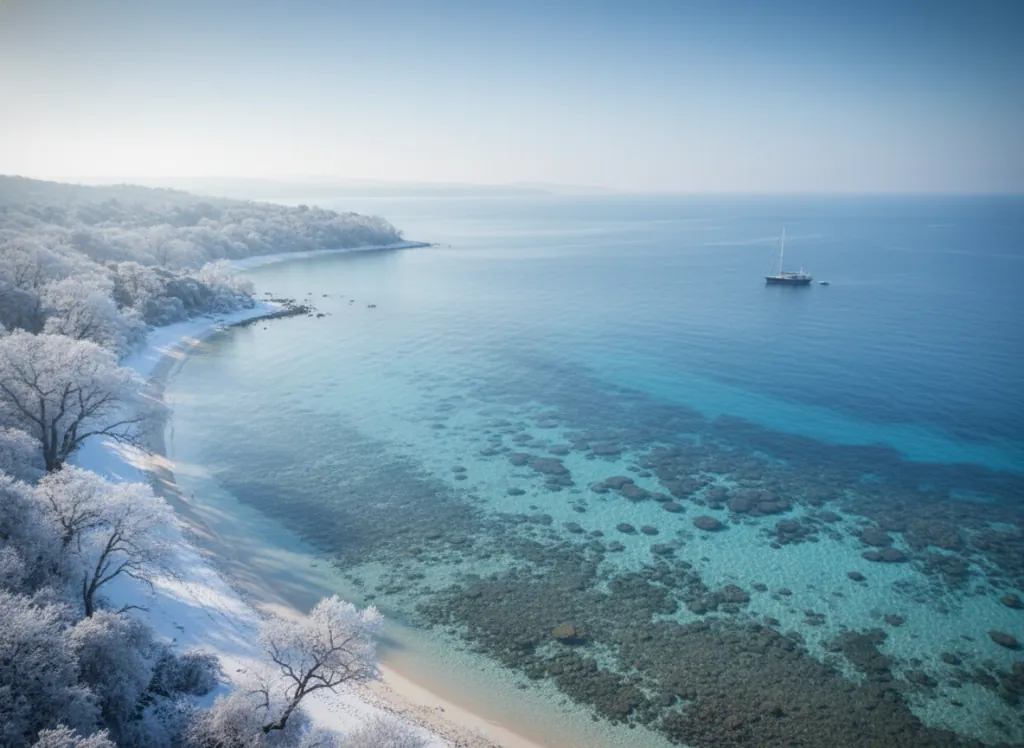
January - March
Prime time in the northern Indian Ocean. The Maldives and Thailand's Similan Islands get calm seas, excellent visibility, and peak pelagic action, whale sharks and manta rays included. Oman and parts of India dive well in this window too.

April - June
A shoulder season across much of the region. The Maldives can still deliver, though monsoon influence starts creeping into the north. Western Indonesia begins hitting its best conditions, and East Africa's northern coast has a workable window before the stronger winds arrive.
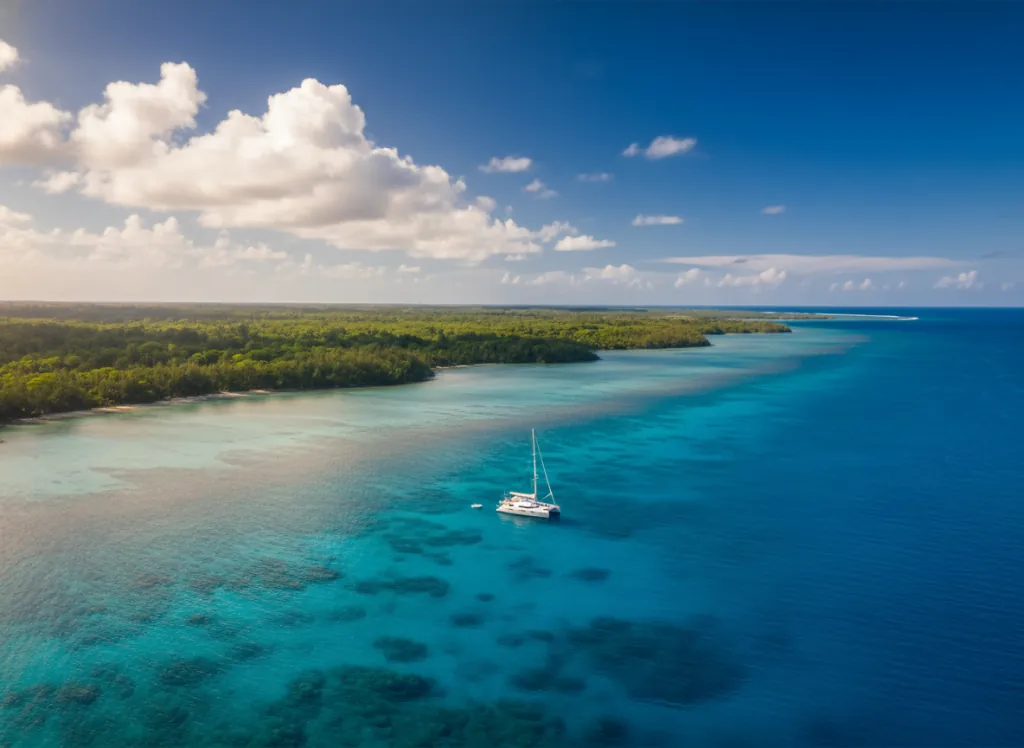
July - September
The southern Indian Ocean's turn: dry season in the Seychelles, Mozambique, and Madagascar brings cooler, clearer water and a shot at humpback whales. The north pays for it, monsoon season churns up the Maldives and Thailand, and the seas get choppy.
October - December
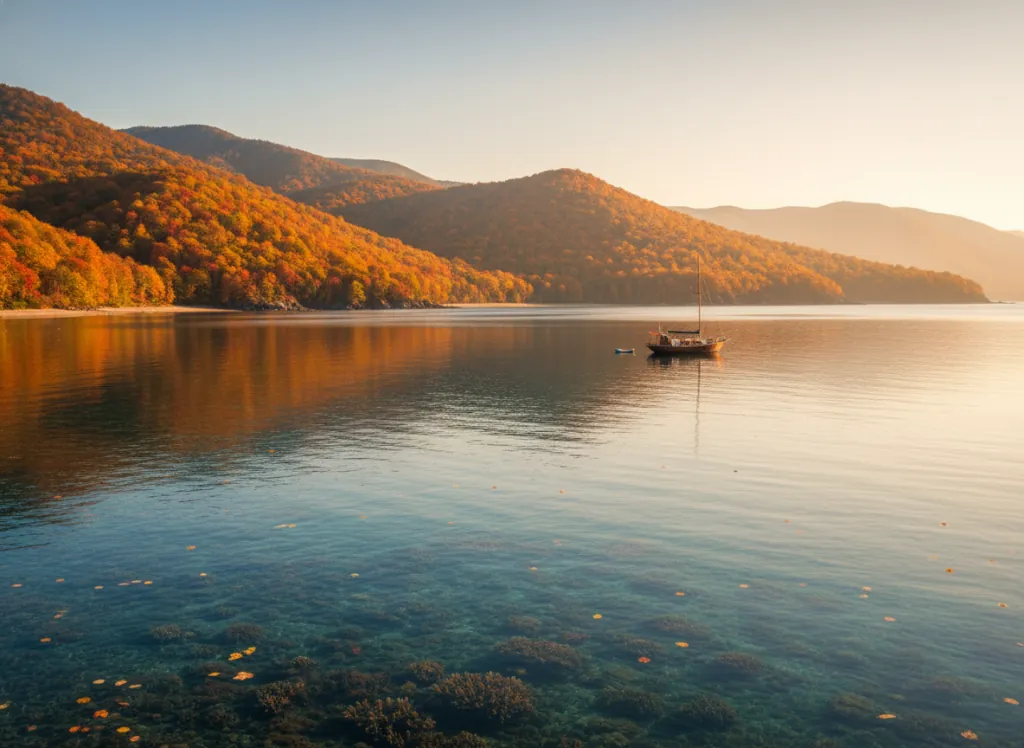
The monsoons release the north, and prime conditions return to the Maldives and Thailand. Visibility rebuilds, the water stays warm, and shifting currents make this a productive stretch for whale shark sightings in several locations.
Free tools
Your free outdoor toolkit
Everything Map
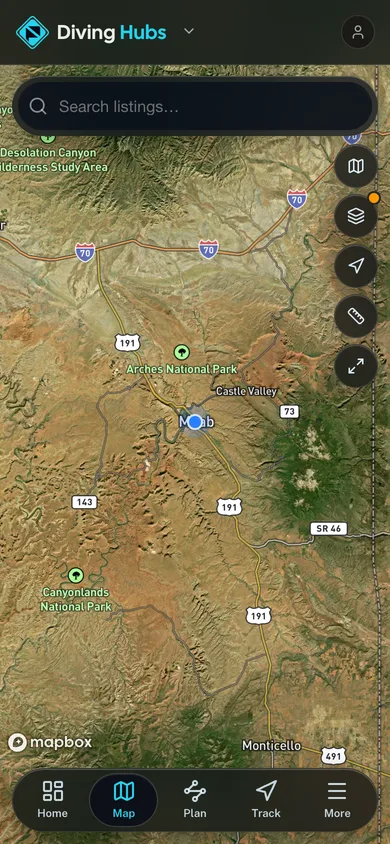
Listings, trails, spots, clubs and public land on a single full-screen map. Switch layers on and off, then tap any point for the details.
Open Everything MapDive Sites
Browse community-mapped reefs, wrecks, and walls with depth, conditions, and what you will see.
Open Dive SitesRoute Planner
Drop stops on a map and watch distance and drive time add up. Export a GPX or share the link.
Open Route PlannerDive Clubs
Browse local clubs with meeting info and how to join, or start your own for free.
Open Dive ClubsPhoto ID
Point your camera at whatever you found and get a structured identification. No signup.
Open Photo IDGear Checklists
Printable, save-as-you-go packing lists. Tick items off and pull them up on your phone.
Open Gear Checklists