Scuba Diving · Oregon
Scuba Diving in Oregon
Dive 13 dive shops and charters across Oregon. Maps, hours, contact info, photos, and verified operator profiles, all in one place.
Cascades, the high desert, and the most varied coastline in the lower 48.
Updated
Highest rated
Scuba Diving in Oregon by Google rating
Ranked by Google rating, then by number of reviews, across the 12 of 13 dive shops and charters in Oregon with 10 or more Google reviews.
| Name | City | Rating |
|---|---|---|
| Portland Scuba Academy | Portland | 5.043 Google reviews |
| Spartan Scuba & Dive Team | Gresham | 5.010 Google reviews |
| Eugene Skin Divers Supply | Eugene | 4.9122 Google reviews |
| Coral Sea Scuba & Water Sports | Grants Pass | 4.965 Google reviews |
| Salem Scuba Diving, Equipment & Adventures Inc. | Salem | 4.946 Google reviews |
| Eco-Dive Northwest Scuba Instruction LLC. | Oregon City | 4.929 Google reviews |
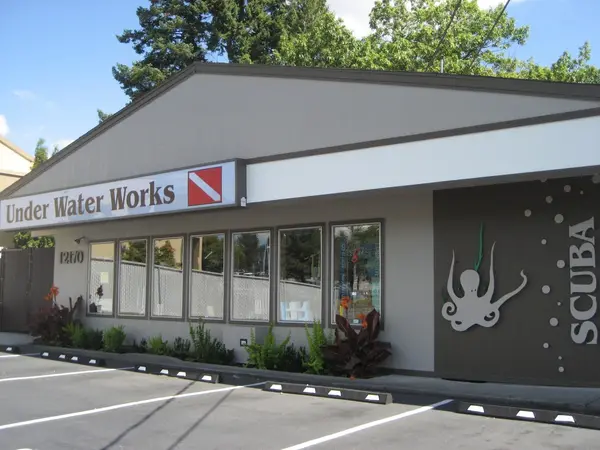
| Under Water Works Inc | Tigard | 4.894 Google reviews |
| Adventure Sports Scuba | Wood Village | 4.845 Google reviews |
All listings
13 dive shops and charters in Oregon
On the map
Dive shops in Oregon
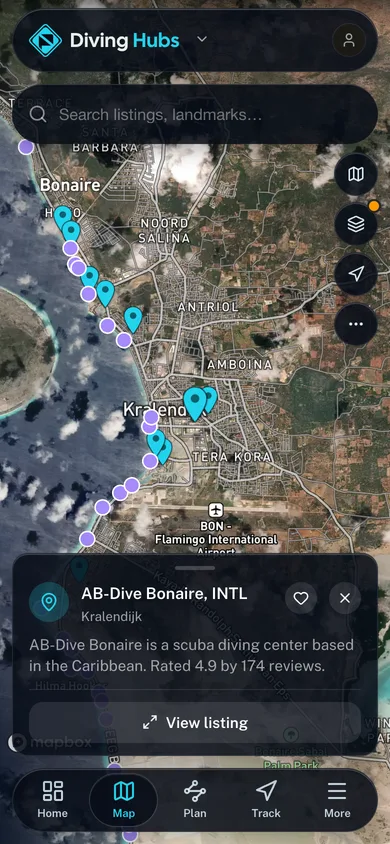
Everything we have mapped in Oregon, on one map. Tap anything for its details.
Loads the full map of Oregon. We leave it off by default so the page opens fast on mobile data.
About Oregon
Quick facts
- Dive shops and charters listed
- 13
- Best season
- June through October
Trip guide
Know before you go in Oregon
Federal permits, lotteries and timed-entry reservations in Oregon, from Recreation.gov.
Confirm current requirements with the agency that sets them before your trip. Rules and fees change every season.
Oregon Sport Fishing License
A valid Oregon Sport Fishing License is required for any spearfishing, crabbing, or harvesting of marine organisms while diving. Regulations vary by species and location.
Marine Reserve Regulations
Diving within Oregon's Marine Reserves and Protected Areas is subject to strict rules. These often prohibit the take of any marine life, fishing, or disturbing the natural environment. Divers should research specific reserve rules before entry.
Boating Safety Education
Operators of motorized boats 10 horsepower or greater must carry an Oregon Boating Safety Education Card. This applies if divers plan to operate their own vessel to access dive sites. Age restrictions and exemptions may apply.
01What kind of diving is available in Oregon?
02What essential gear do I need for diving in Oregon?
03Are there liveaboards or dive charters in Oregon?
04What is the typical visibility like in Oregon's dive sites?
05Do I need special certifications to dive in Oregon?
06Can I dive in Oregon year-round?
When to go
Season by season in Oregon
Spring
Coastal diving begins to improve, though water temperatures remain cold. Inland lakes are still quite chilly but offer clear conditions before summer algae blooms.
Summer
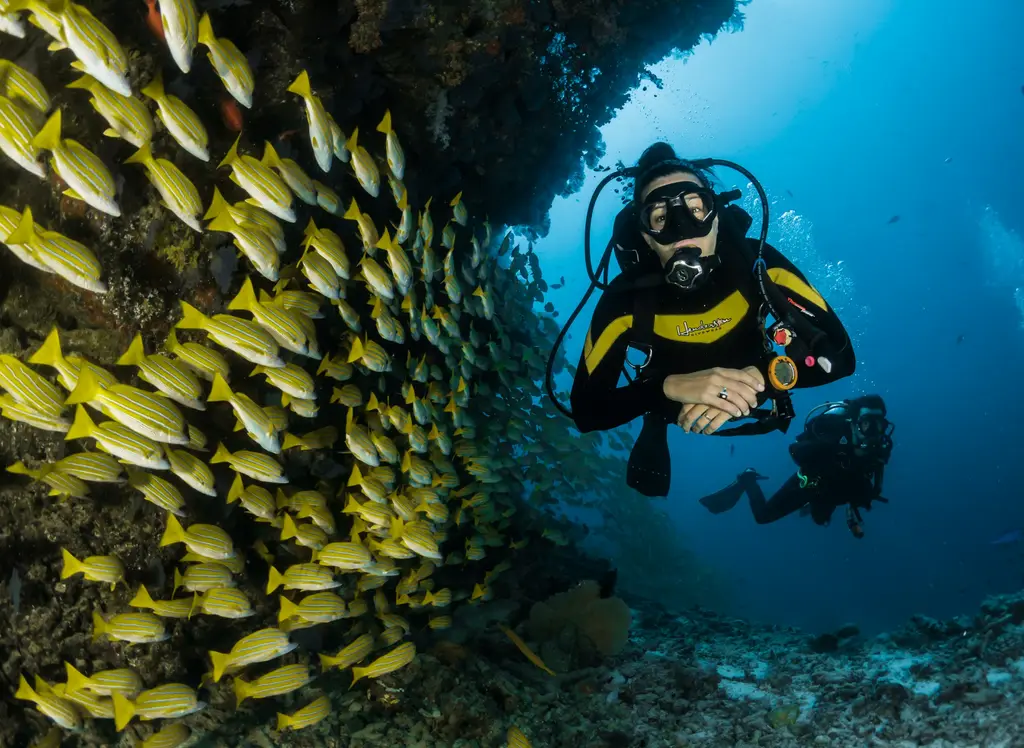
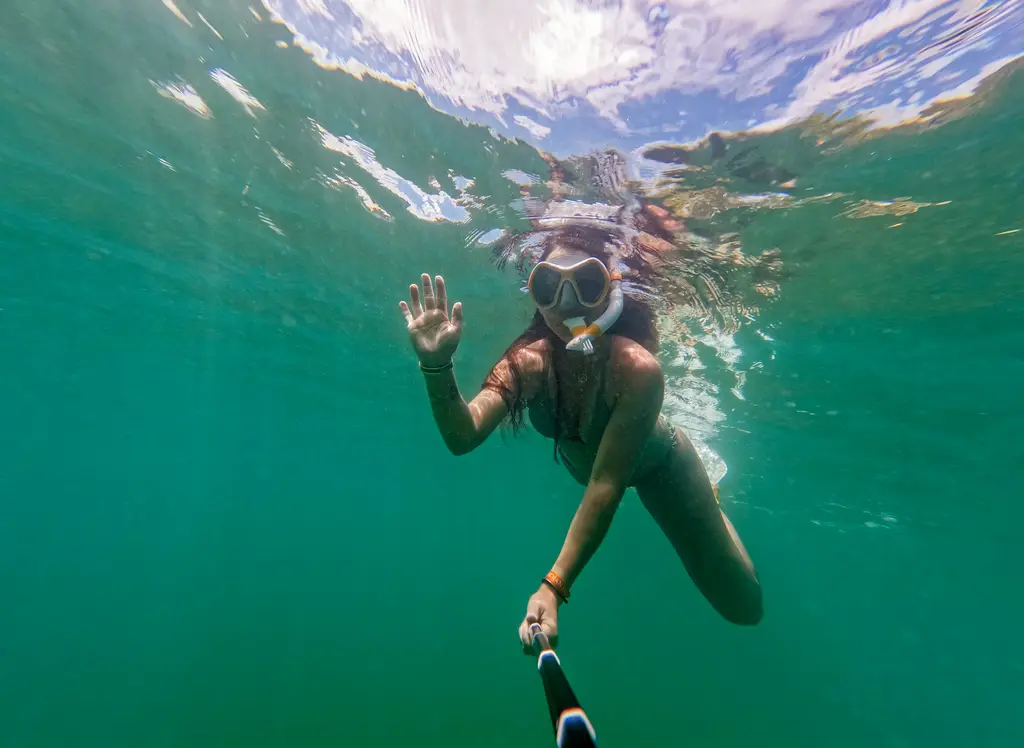
The prime season for Oregon diving. Coastal visibility is often at its best, and water temperatures are marginally warmer. Inland lakes are popular for training and recreational dives.
Fall
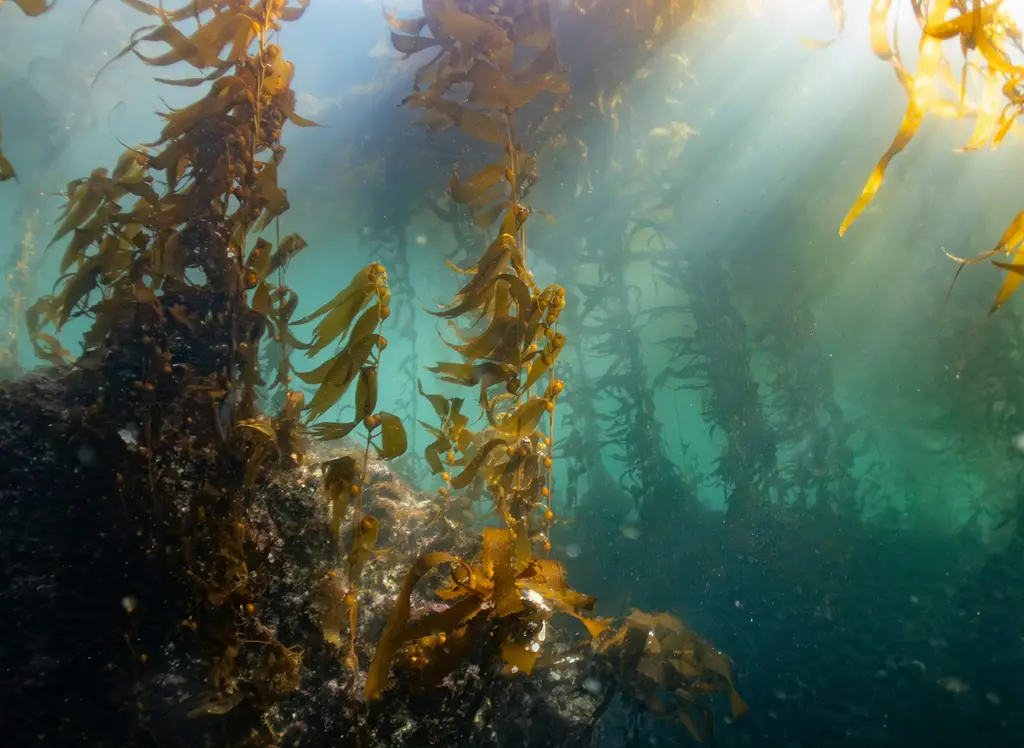
Early fall can offer excellent coastal conditions, but increasing storm activity later in the season makes ocean diving more challenging. Inland freshwater sites remain a good option.
Winter
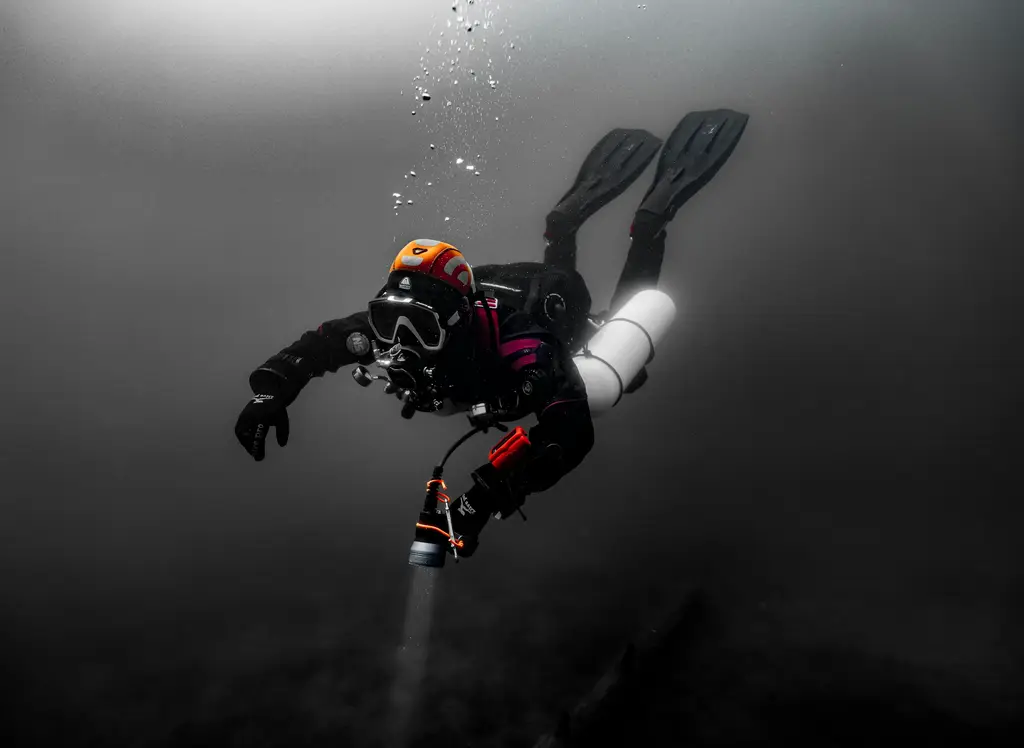
Ocean conditions are often rough with strong currents and reduced visibility. Dedicated cold-water divers may still explore protected jetties, while inland sites require extreme cold-water preparation.
Free tools
Your free outdoor toolkit

Keep exploring