Skip to content
Hawaii diving. Backdrop for the Diving Hubs Hawaii dive shop directory

Scuba Diving · Hawaii

Scuba Diving in Hawaii

Dive 38 dive shops and charters across Hawaii. Maps, hours, contact info, photos, and verified operator profiles, all in one place.

Volcanic peaks rising 13,000 feet from a tropical Pacific.

About Hawaii

Hawaii offers a distinctive scuba diving experience, characterized by its volcanic origins and diverse marine ecosystems. The main islands, including Oahu, Maui, Kauai, and the Big Island, each provide unique underwater landscapes. Dive shops across the archipelago facilitate access to these sites, ranging from vibrant coral gardens and ancient lava tubes to historic wrecks. Liveaboard options, though less common than day trips, offer extended exploration of remote reefs and multi-island itineraries, catering to divers seeking comprehensive immersion in Hawaiian waters.

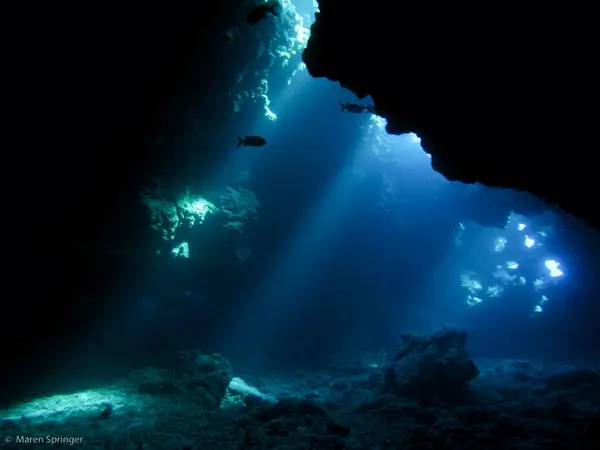
The Big Island, particularly along the Kona Coast, is renowned for its dramatic underwater topography and iconic Manta Ray Night Dives. Dive shops in Kailua-Kona organize daily excursions to these sites, where divers can observe majestic manta rays feeding in the glow of dive lights. Further south, lava tubes and intricate reef systems host a rich array of endemic fish species. Boat diving predominates here, providing access to pristine offshore pinnacles and deep-water pelagic encounters that define the region's allure.

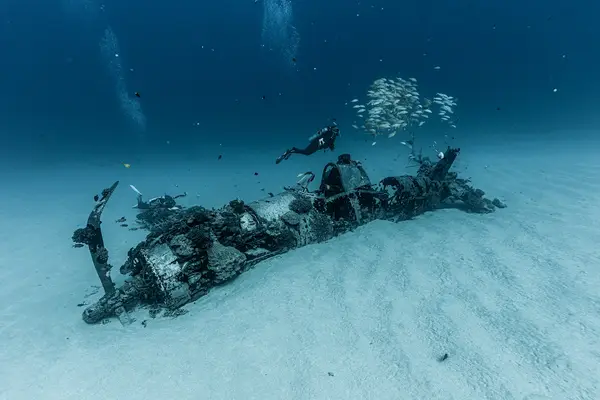
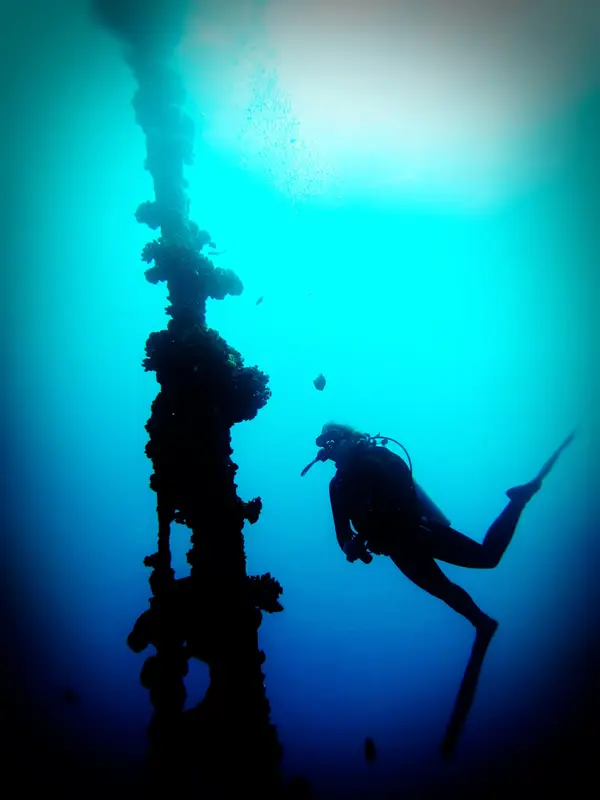
Oahu's diving scene is distinguished by its accessible wrecks and vibrant reef systems near Honolulu and the North Shore. Sites such as the YO-257 and Sea Tiger offer fascinating artificial reefs teeming with marine life, attracting divers exploring Hawaii's military history. Numerous dive shops operate from Waikiki, providing guided tours and certification courses. While some shore diving opportunities exist, particularly on the calmer south and west coasts, boat charters remain the primary means of reaching the most popular and diverse dive locations around the island.

Maui and Lanai present a different facet of Hawaiian diving, with Molokini Crater being a standout destination. This crescent-shaped volcanic caldera is a protected marine sanctuary, offering exceptional visibility and a kaleidoscope of reef fish. Dive shops in Ma'alaea Harbor and Lahaina organize regular trips to Molokini and the nearby 'Cathedrals' of Lanai, famous for their lava arches and swim-throughs. The calmer leeward sides of these islands provide consistent diving conditions, making them ideal for both novice and experienced divers seeking vibrant reef encounters.

38 on the map

Loading map…

Tap a pin to open its profile.

Quick facts

Dive shops and charters listed
38
Best season
Year-round

All listings

38 dive shops and charters

across Hawaii

All states

Plan your trip

Plan your trip to Hawaii

Water Temperature and Exposure Protection

Hawaiian waters generally range from 74°F in winter to 82°F in summer. A 3mm wetsuit is standard for most divers year-round, with some opting for a 5mm suit during cooler winter months or for extended dives. Shorty wetsuits are suitable for the warmest summer conditions.

Visibility and Conditions

Visibility in Hawaii is consistently excellent, often exceeding 80–100 feet, particularly on the leeward sides of the islands. Conditions are generally calm on protected coasts, but exposed areas, especially north shores in winter, can experience significant surge and currents. Always consult with local dive operators for daily conditions.

Certification Levels for Signature Sites

Many popular reef dives are accessible to Open Water certified divers. However, sites like the deeper wrecks off Oahu (e.g., the Sea Tiger at 100+ feet) or advanced drift dives may require Advanced Open Water or higher certifications. The Kona Manta Ray Night Dive is typically suitable for Open Water divers, but good buoyancy control is essential.

Shore Versus Boat Access

While some shore diving is possible, particularly on Oahu's west side or select spots on Maui and the Big Island, the vast majority of Hawaii's premier dive sites are boat-accessible. Dive shops primarily operate boat charters to reach offshore reefs, wrecks, and marine protected areas like Molokini Crater. Liveaboards provide unparalleled access to multiple remote sites.

Marine Protected Areas and Etiquette

Hawaii has numerous Marine Protected Areas (MPAs) and Marine Life Conservation Districts (MLCDs) where specific regulations apply, including prohibitions on fishing, collecting, and touching marine life. Divers must practice responsible diving, maintain buoyancy, and avoid contact with coral or animals. Mooring buoys are often available at popular sites; their use helps protect delicate reef structures.

Confirm current requirements with the state agency before your trip. Rules and fees change every season.

  • Marine Life Conservation Districts Regulations

    Hawaii's Marine Life Conservation Districts (MLCDs) are strictly protected areas. Within MLCDs, it is generally prohibited to fish, collect marine life, or disturb the natural environment. Divers must adhere to 'look but do not touch' principles, ensuring no impact on the ecosystem. Specific rules vary by district; verify with the Department of Land and Natural Resources.

  • Prohibited Species and Collection

    Divers are prohibited from collecting certain marine species, including federally protected sea turtles and Hawaiian monk seals. Collecting coral, rocks, or sand is also generally not permitted, particularly within state parks and conservation areas. Always consult with local dive operators or the Department of Land and Natural Resources regarding any collection restrictions.

  • Commercial Use Permits

    Dive shops and liveaboard operators conducting commercial activities in state waters, especially within marine protected areas, are required to hold specific permits issued by the Department of Land and Natural Resources. Visitors should ensure their chosen operator is properly licensed and permitted to operate in Hawaii. This ensures compliance with environmental regulations and safety standards.

  1. 01

    Choose Your Island and Dive Focus

    Research the unique diving experiences each Hawaiian island offers. The Big Island is known for manta rays and lava tubes, Maui for Molokini Crater, Oahu for wrecks, and Kauai for pristine reefs. Select an island that aligns with your diving interests.

  2. 02

    Book Dive Operators and Accommodation

    Once you have chosen an island, book your dive shops or liveaboard well in advance, especially during peak seasons. Simultaneously secure your accommodation, considering its proximity to dive shop departure points or harbors.

  3. 03

    Verify Certification and Equipment Needs

    Ensure your dive certification is current and bring your certification card. Discuss any specific equipment needs, such as wetsuit thickness or specialized gear, with your chosen dive operator. Most shops offer rental equipment.

  4. 04

    Understand Local Regulations

    Familiarize yourself with Hawaii's marine conservation rules, including prohibitions on touching marine life and collecting specimens. Your dive operator will provide a briefing, but understanding these guidelines beforehand enhances your experience and protects the environment.

  5. 05

    Plan for Surface Intervals and Travel

    Factor in adequate surface intervals between dives and avoid flying within 18–24 hours of your last dive. Plan your travel between islands or within your chosen island to allow for safe decompression and comfortable transit times.

01What is the best time of year to dive in Hawaii?
Diving in Hawaii is excellent year-round, but conditions vary by season. Summer, from June to August, typically offers the warmest water and calmest seas, ideal for accessing all dive sites. Winter, from December to February, brings humpback whales and slightly cooler water, with rougher conditions on exposed north shores but calm leeward sites.
02Do I need a special certification to dive in Hawaii?
Most recreational dive sites in Hawaii are accessible to Open Water certified divers. However, some deeper wrecks or advanced drift dives may require an Advanced Open Water certification or higher. Always confirm the required certification level with your chosen dive shop for specific sites you wish to explore.
03Are there many shark encounters in Hawaii?
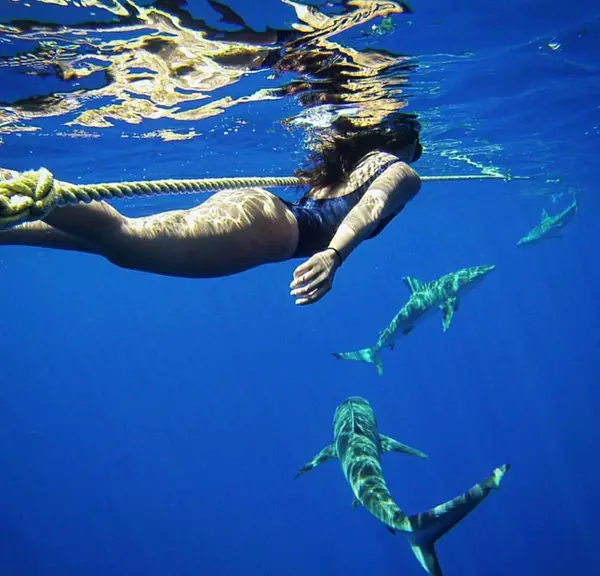
Shark encounters are relatively rare and generally non-aggressive in Hawaii. Reef sharks, such as white-tip and black-tip reef sharks, are common and typically shy. Dive operators are experienced in safe practices and will provide information on local marine life. Observing from a respectful distance is always recommended.
04Can I do shore diving in Hawaii?
While Hawaii is primarily known for its boat diving, some shore diving opportunities exist. Popular spots include Hanauma Bay on Oahu (reservation required), Tunnels Beach on Kauai, and various accessible sites on the Big Island's Kona Coast. Shore diving often requires careful entry and exit over lava rock or coral, so assess conditions carefully.
05What marine life can I expect to see while diving in Hawaii?
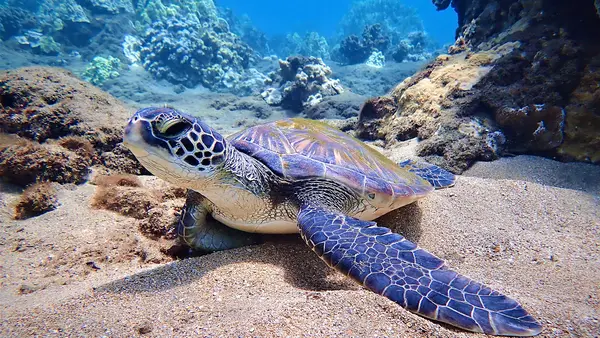
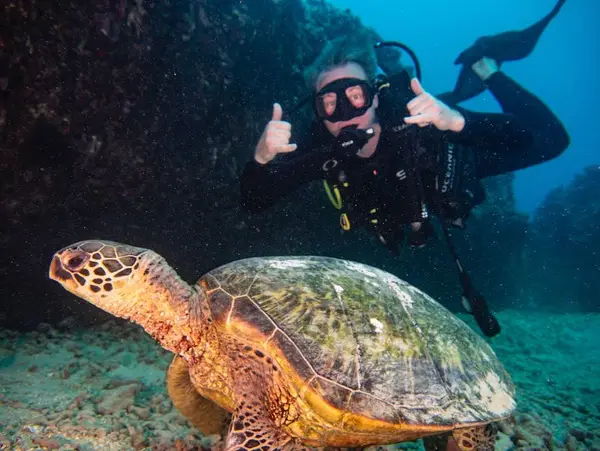
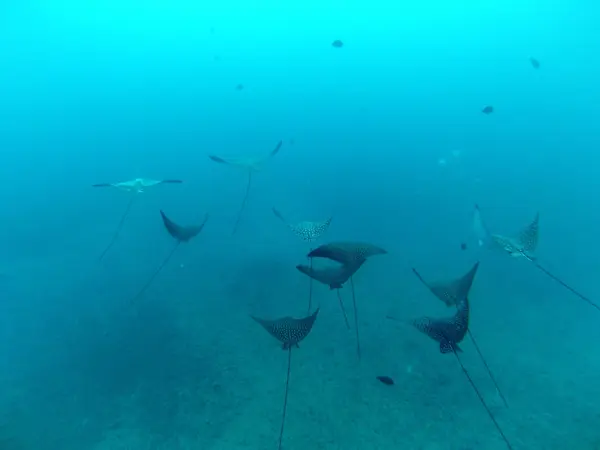
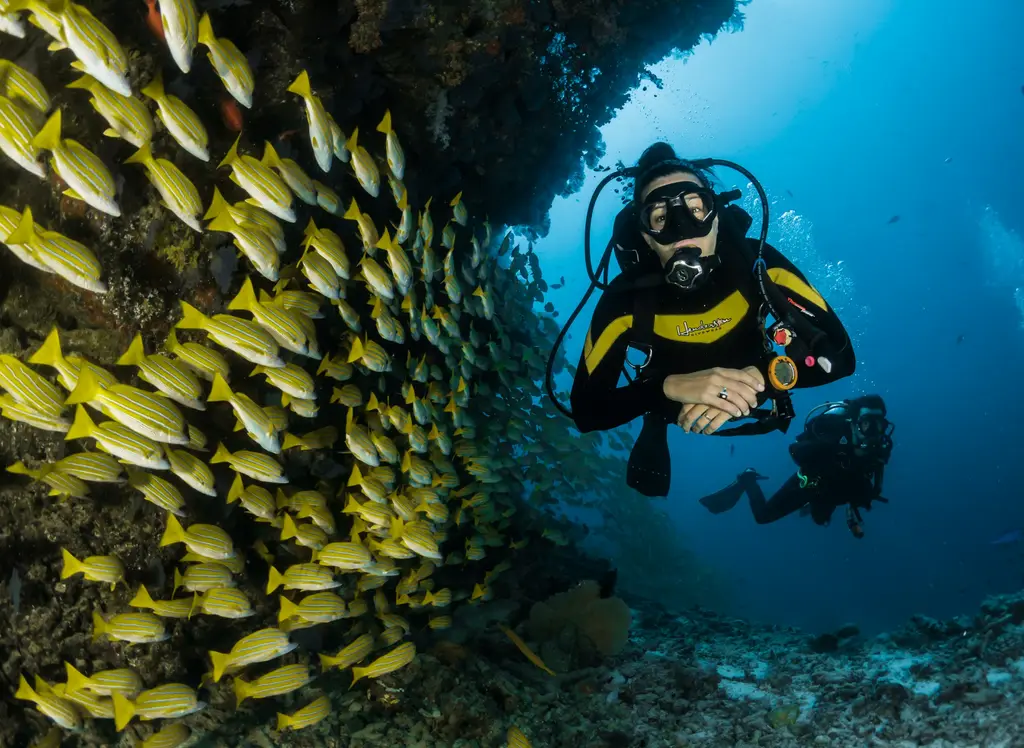
Hawaiian waters boast a rich diversity of marine life, including numerous endemic species found nowhere else. You can expect to see vibrant reef fish, green sea turtles, manta rays, eagle rays, and various shark species. During winter months, humpback whales are frequently sighted from dive boats, adding another dimension to the experience.
06Are liveaboard options available for diving in Hawaii?
Liveaboard options in Hawaii are less common compared to other major dive destinations but do exist, offering multi-day excursions to explore various islands and remote sites. These typically provide an all-inclusive diving experience, maximizing time underwater and offering access to areas not easily reached by day boats. Check specific operators for itineraries and availability.

When to go

Season by season in Hawaii

Spring (March–May)

Water temperatures range from 75–78°F, offering comfortable diving conditions across all islands. This period marks the tail end of humpback whale season, providing opportunities for distant sightings during boat transits. Dive shops are active, and liveaboard availability is consistent.
Summer (June–August)

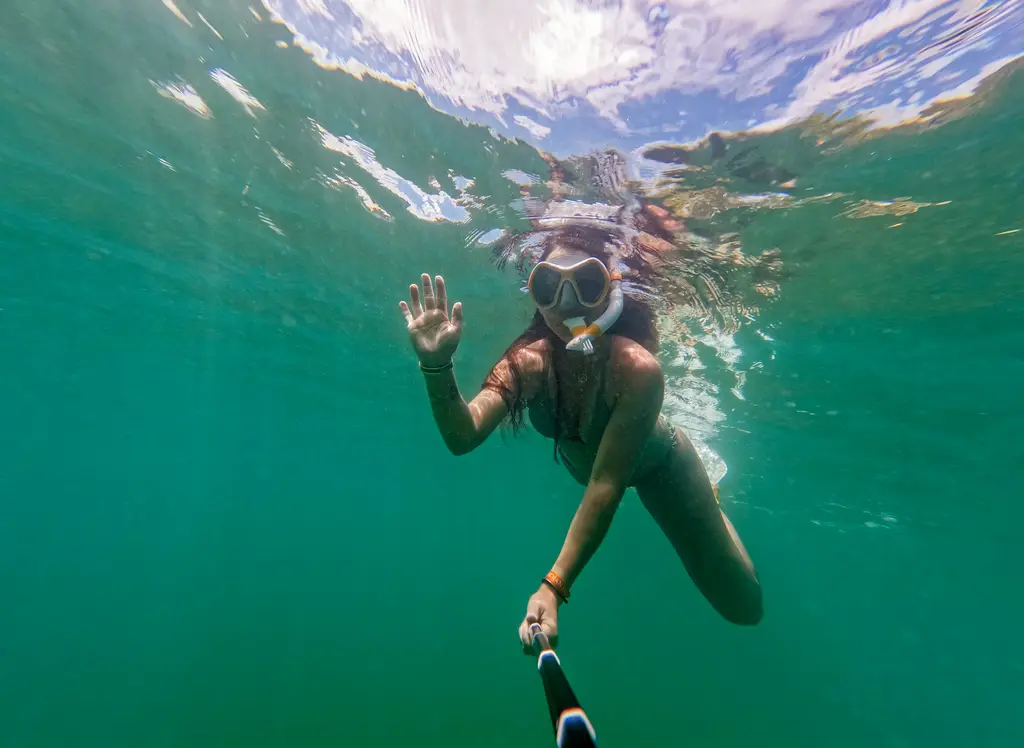
The warmest water temperatures, typically 78–82°F, and calmest seas characterize summer. Visibility is often at its peak, making it ideal for exploring remote sites and deeper wrecks. Dive operators experience high demand, so booking in advance is advisable.
Fall (September–November)

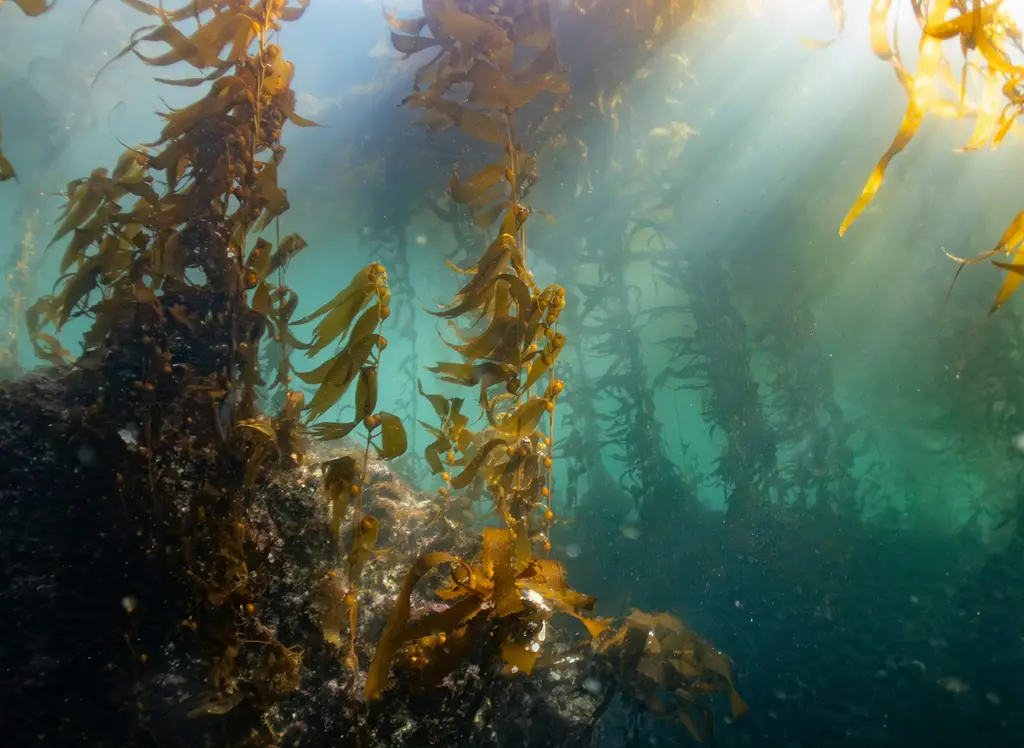
Water temperatures remain pleasant, around 77–80°F, with generally good visibility. This season sees fewer crowds compared to summer, potentially offering more relaxed dive experiences. Dive shops continue full operations, and liveaboards maintain regular schedules.
Winter (December–February)

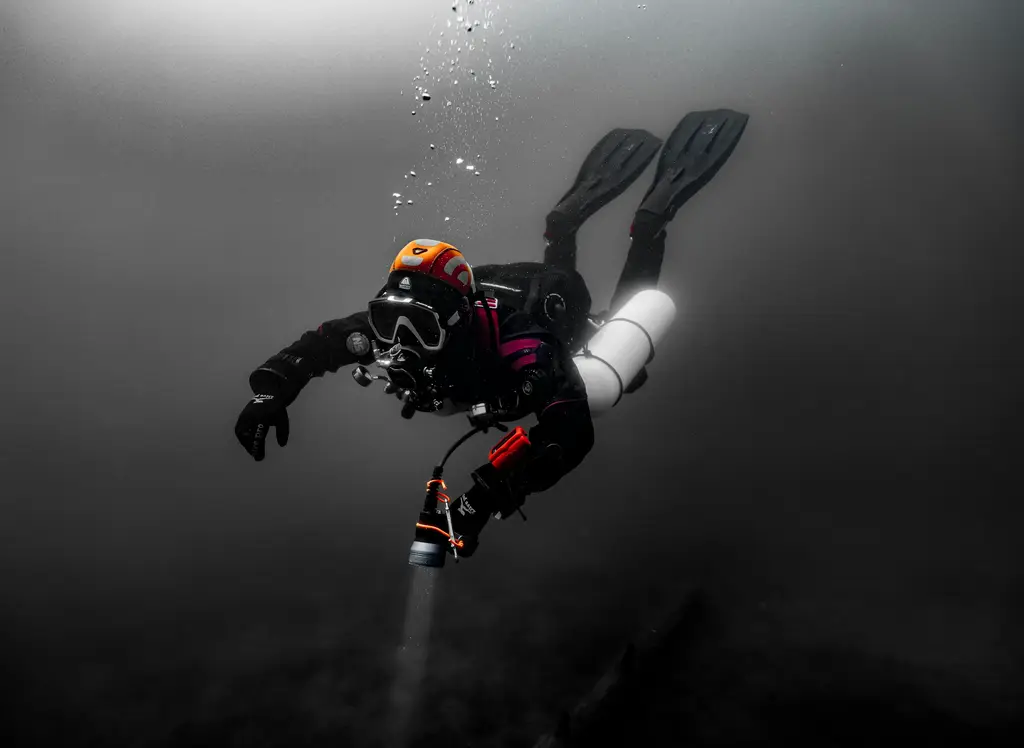
Water temperatures cool slightly to 74–77°F, warranting a 3mm or 5mm wetsuit for comfort. This is prime humpback whale season, with frequent sightings from dive boats. While north shores can experience rougher conditions, leeward coasts typically offer diveable sites.

Free tools
Your free outdoor toolkit

In your pocket

Take every dive site with you.

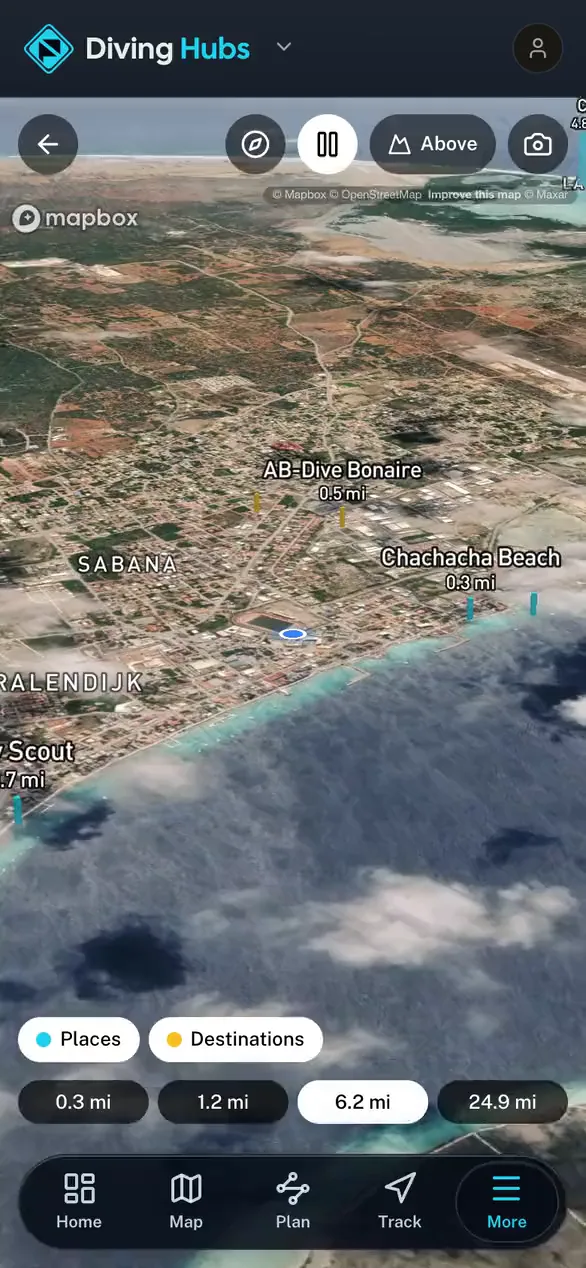
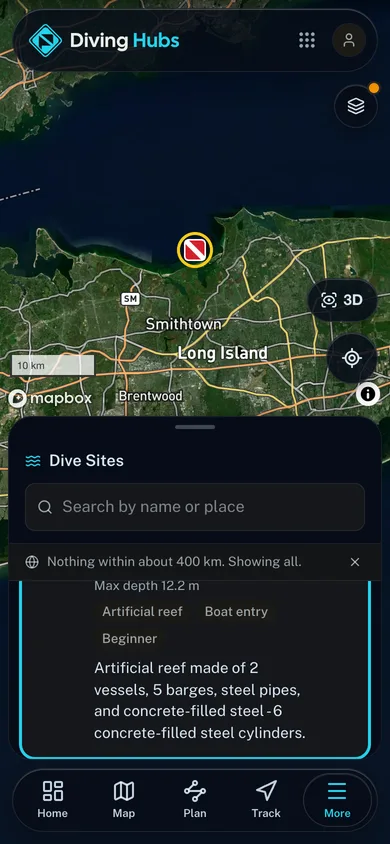
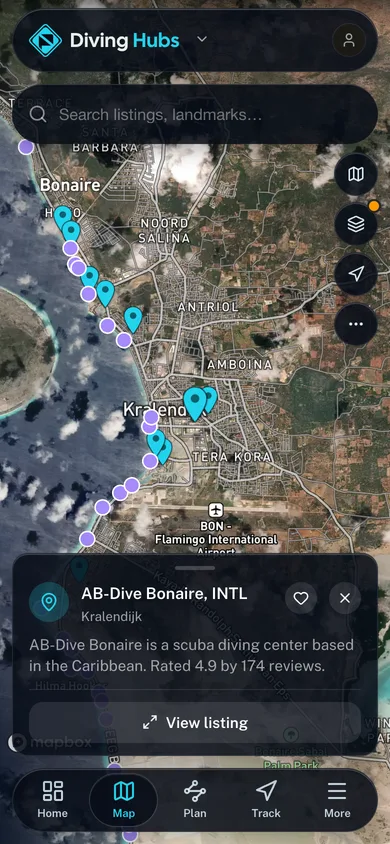
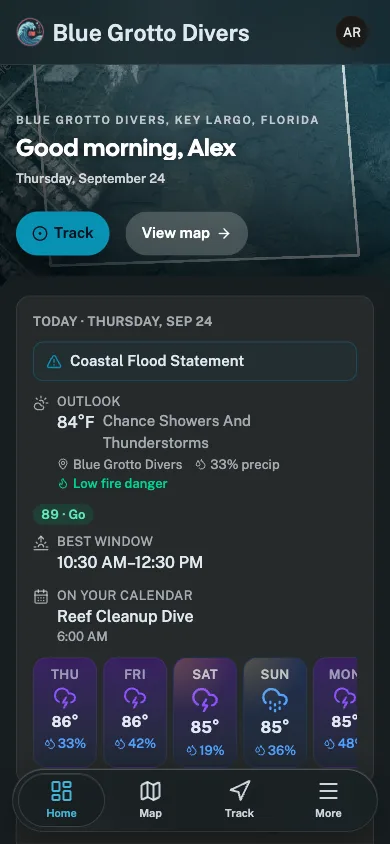
Free, no account needed. Dive-site charts, marine conditions, and your dive log in your pocket.

  • Every dive shop and charter in your pocket

  • Reefs, wrecks, and walls charted on the map

  • Viz and current reports from divers just surfaced

  • NOAA conditions before the boat leaves the dock

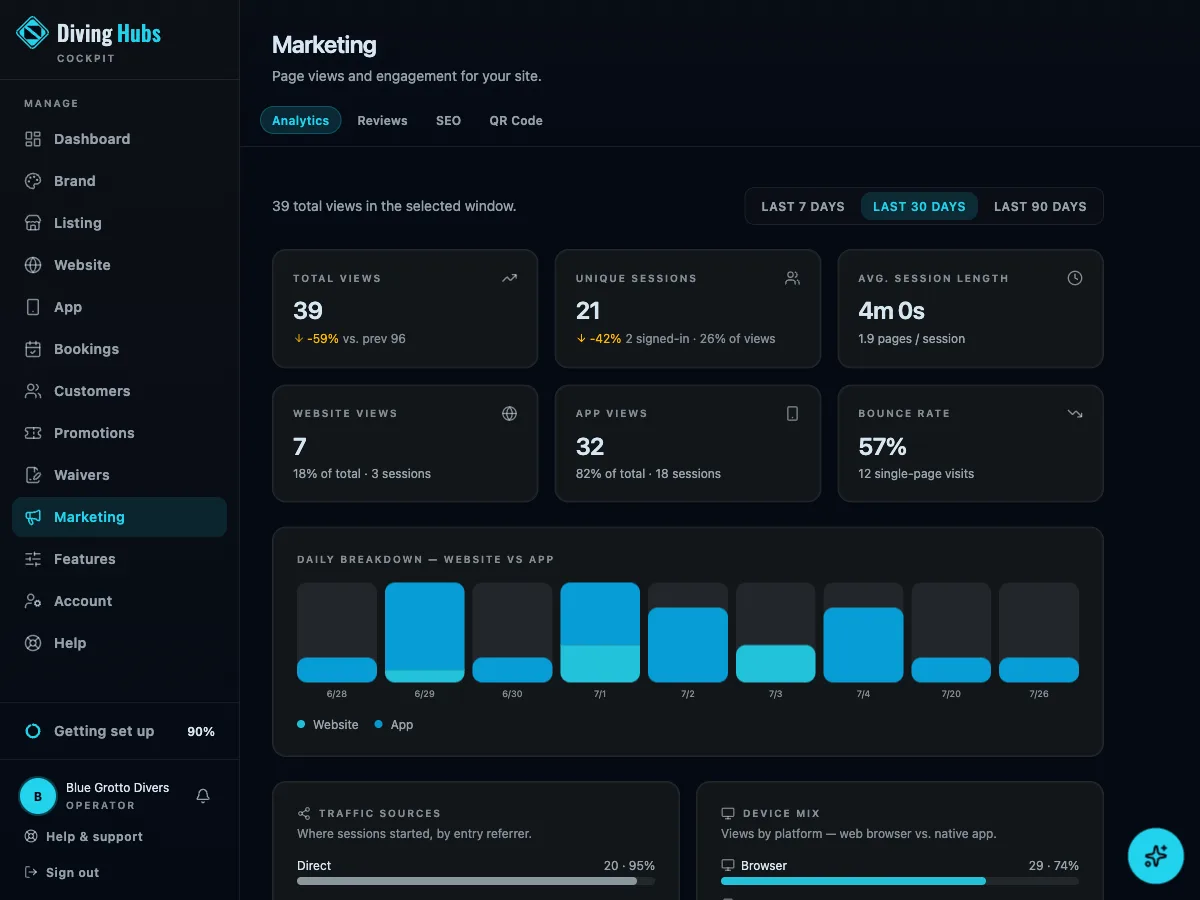
The Diving Hubs app dashboard

For operators

Run your dive business?
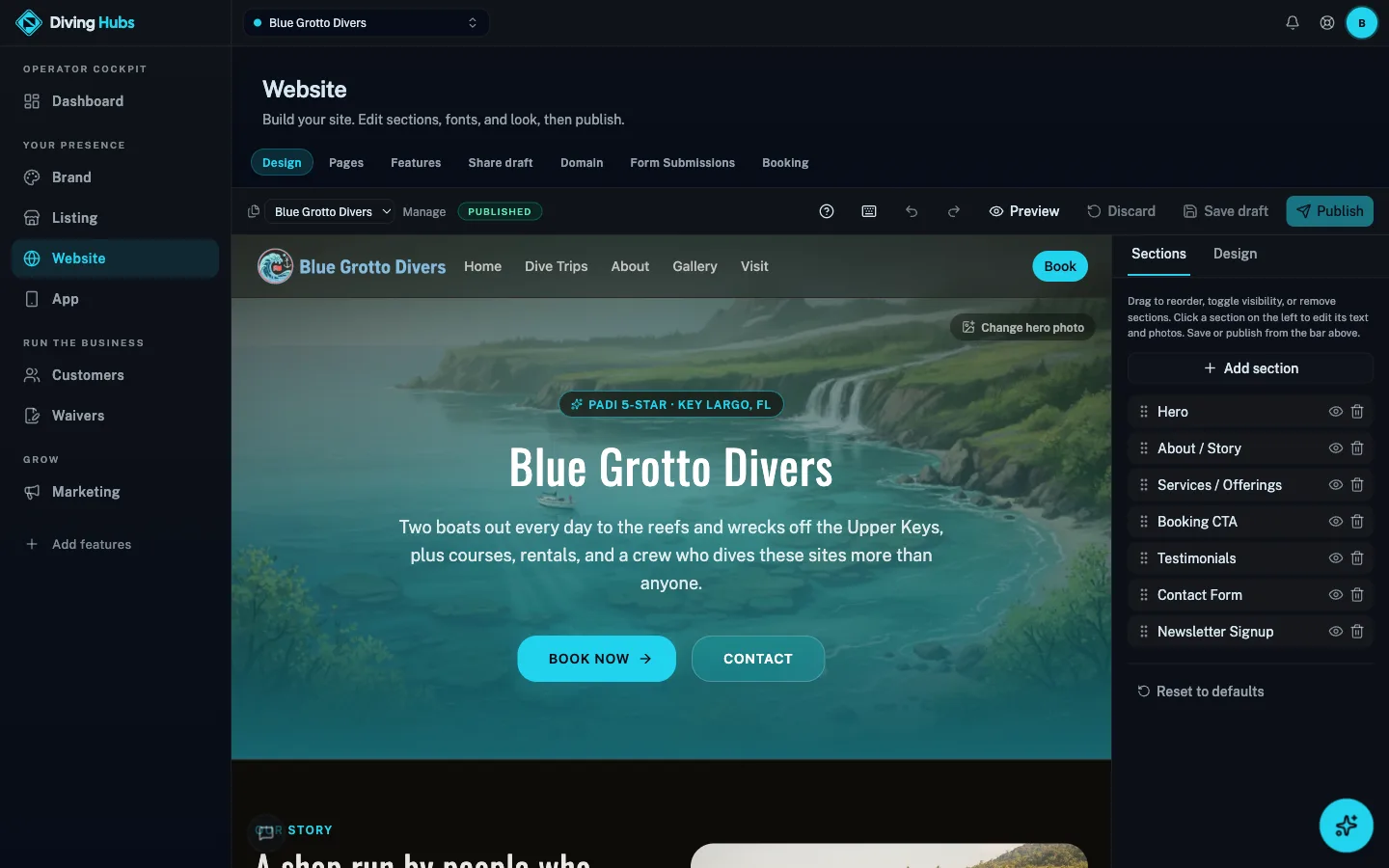
Launch your branded surface.

Get your own branded surface in the Diving Hubs app and a directory listing in minutes. Bookings, digital waivers, and your whole operation live in one cockpit.