Scuba Diving · Texas
Scuba Diving in Texas
Dive 33 dive shops and charters across Texas. Maps, hours, contact info, photos, and verified operator profiles, all in one place.
Hill Country, Big Bend desert, Gulf coast, and the Piney Woods.
Updated
Highest rated
Scuba Diving in Texas by Google rating
Ranked by Google rating, then by number of reviews, across the 31 of 33 dive shops and charters in Texas with 10 or more Google reviews.
| Name | City | Rating |
|---|---|---|
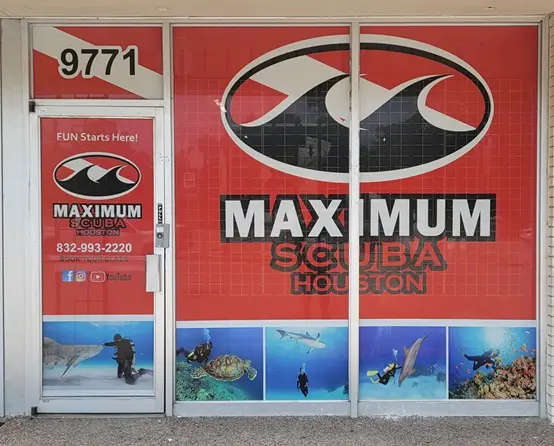
| Maximum Scuba Houston | Houston | 5.0399 Google reviews |
| Gulf Coast Scuba | Houston | 5.0253 Google reviews |
| Sport Divers of Houston | Webster | 5.066 Google reviews |
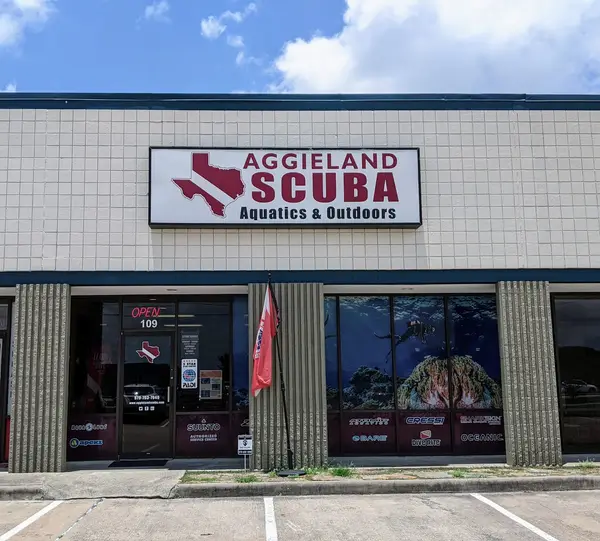
| Aggieland Scuba | College Station | 5.063 Google reviews |
| Aquatic Adventures LLC | El Paso | 5.059 Google reviews |
| SoCo Scuba | Austin | 5.030 Google reviews |
| Deep Abyss Scuba | Humble | 5.019 Google reviews |
| DiveTech Houston | Houston | 5.011 Google reviews |
All listings
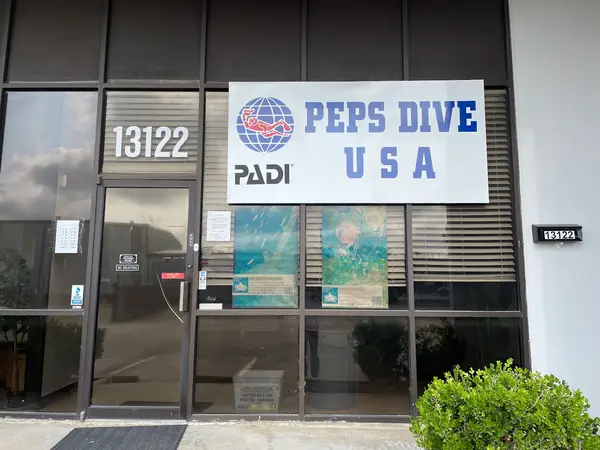
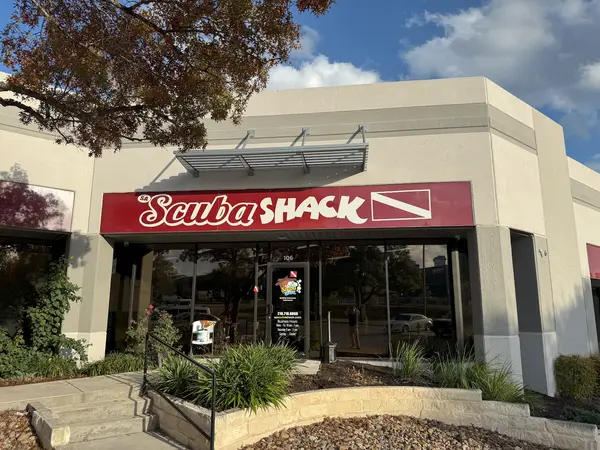
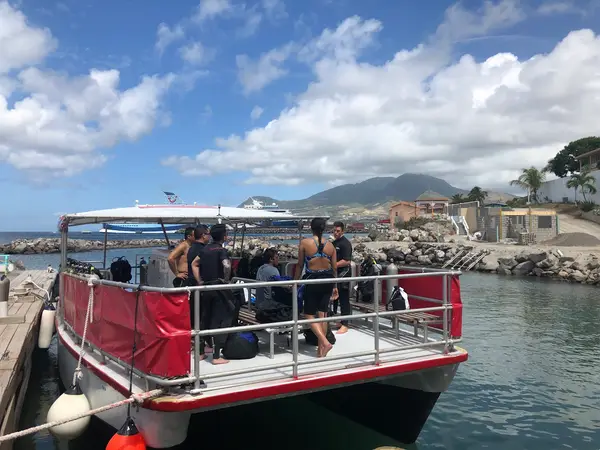
33 dive shops and charters in Texas
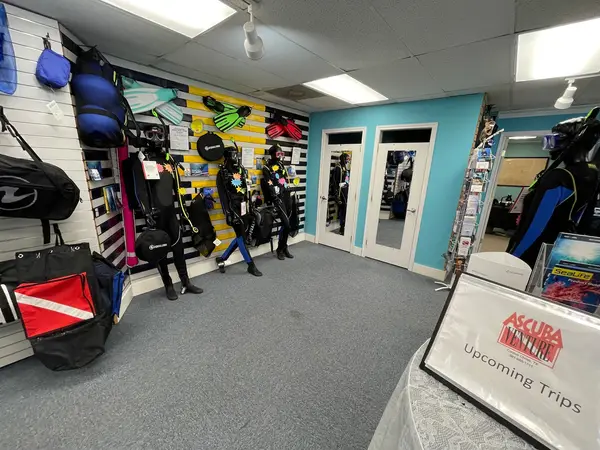
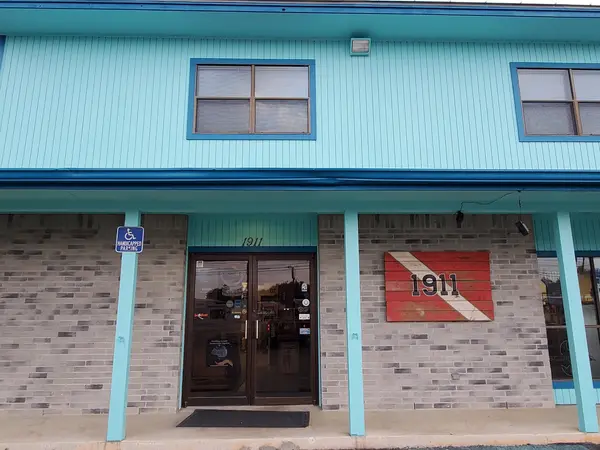
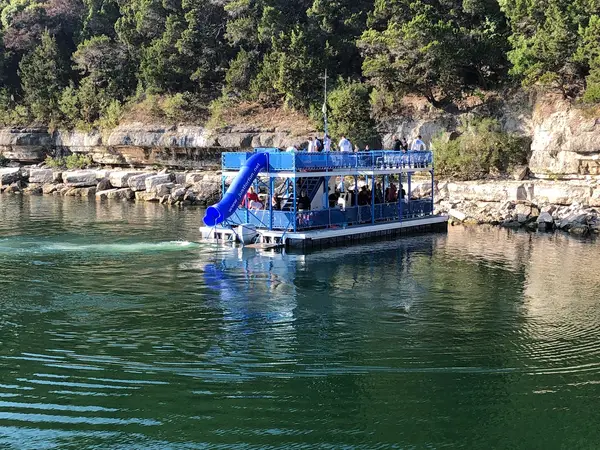
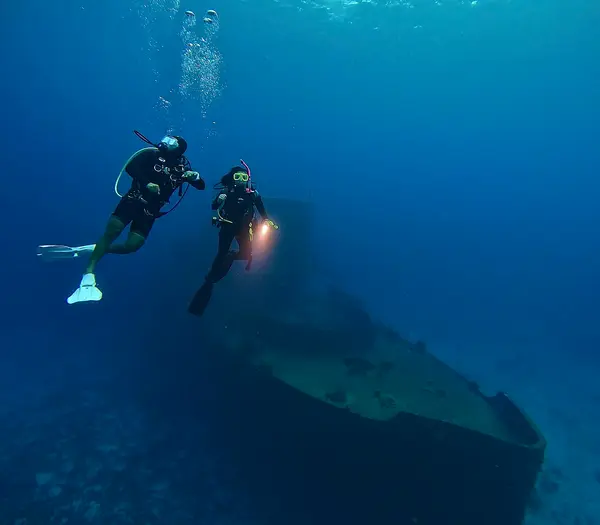
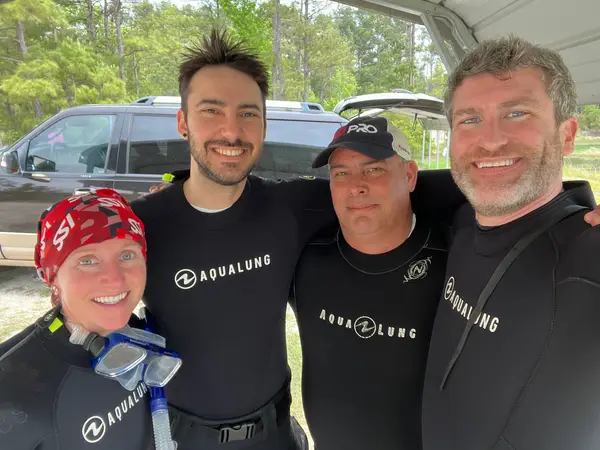
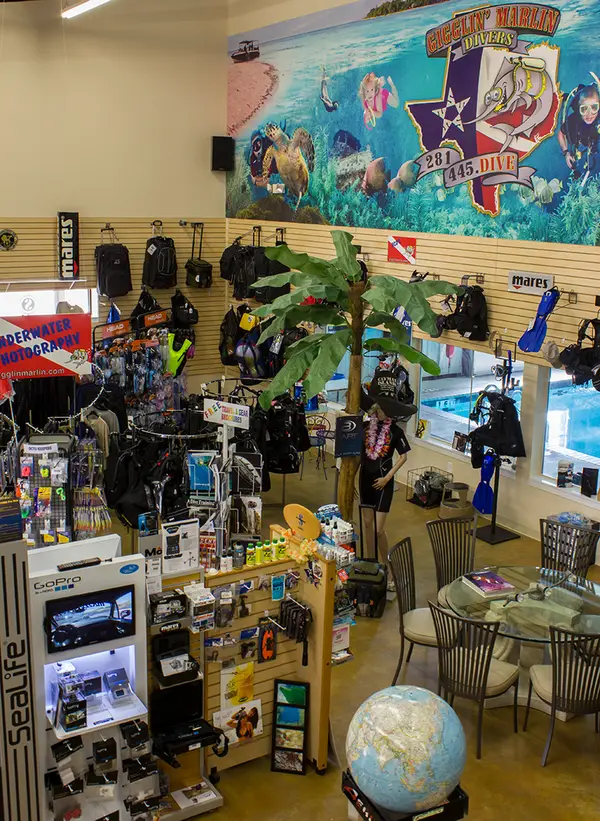
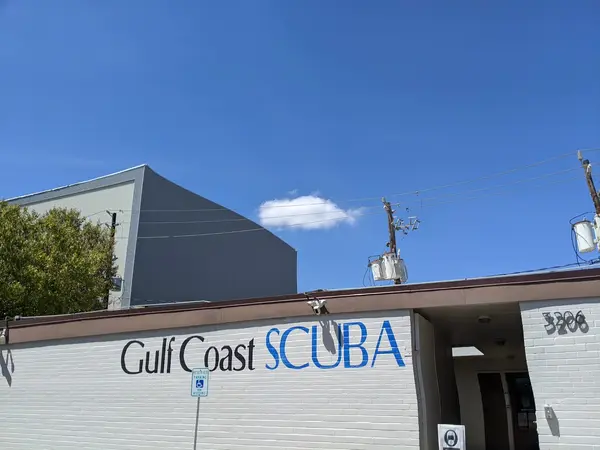
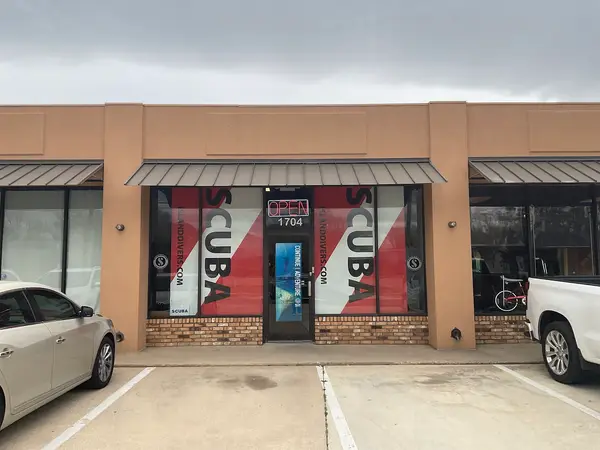
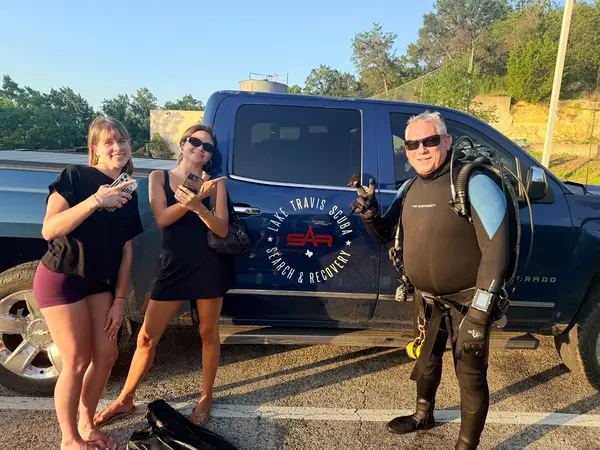
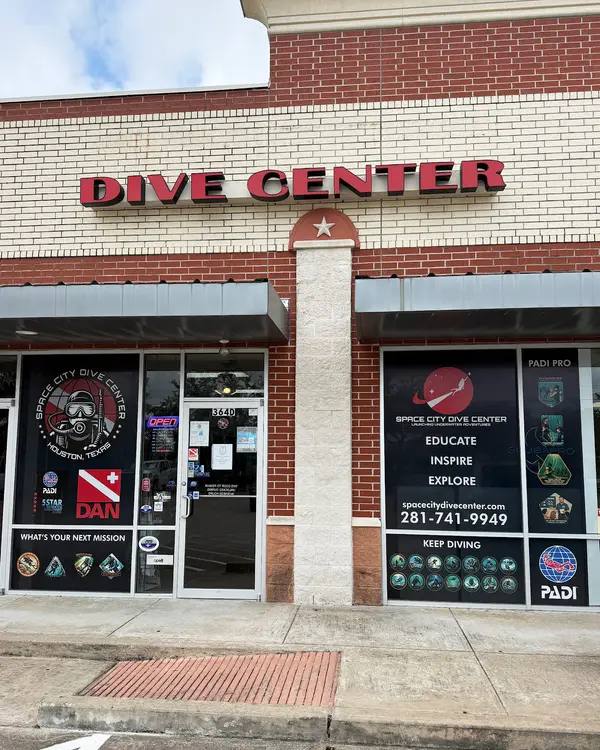
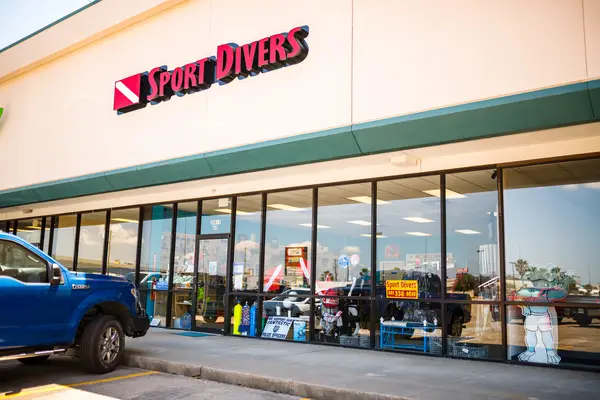
On the map
Dive shops in Texas
Everything we have mapped in Texas, on one map. Tap anything for its details.
Loads the full map of Texas. We leave it off by default so the page opens fast on mobile data.
About Texas
Quick facts
- Dive shops and charters listed
- 33
- Best season
- October through May
Trip guide
Know before you go in Texas
Confirm current requirements with the agency that sets them before your trip. Rules and fees change every season.
Flower Garden Banks National Marine Sanctuary Rules
All divers visiting the Flower Garden Banks NMS must adhere to federal sanctuary regulations. These include prohibitions on touching corals, collecting marine life, and disturbing the seafloor. All vessels must use designated mooring buoys; anchoring is strictly forbidden within the sanctuary boundaries. Violations can result in significant fines.
Flower Garden Banks NMSBalmorhea State Park Diving Permit
Diving at Balmorhea State Park's San Solomon Springs requires a park entry reservation and checking in with park staff upon arrival. Divers must follow specific park rules regarding equipment, entry points, and conduct within the spring-fed pool to ensure safety and preserve the delicate ecosystem.
Texas Parks & WildlifeTexas Fishing and Spearfishing Regulations
If a diver plans to engage in spearfishing or any form of marine life harvesting while diving in Texas waters, a valid Texas fishing license with appropriate endorsements is required. Regulations regarding species, size limits, and bag limits must be strictly followed. These rules vary between freshwater and saltwater environments.
Texas Parks & Wildlife
01What are the primary scuba diving attractions in Texas?
02Is a liveaboard trip necessary for diving in Texas?
03What certification level do I need to dive in Texas?
04What is the typical water visibility in Texas dive sites?
05Are there good shore diving opportunities in Texas?
06What marine life can I expect to see while diving in Texas?
When to go
Season by season in Texas
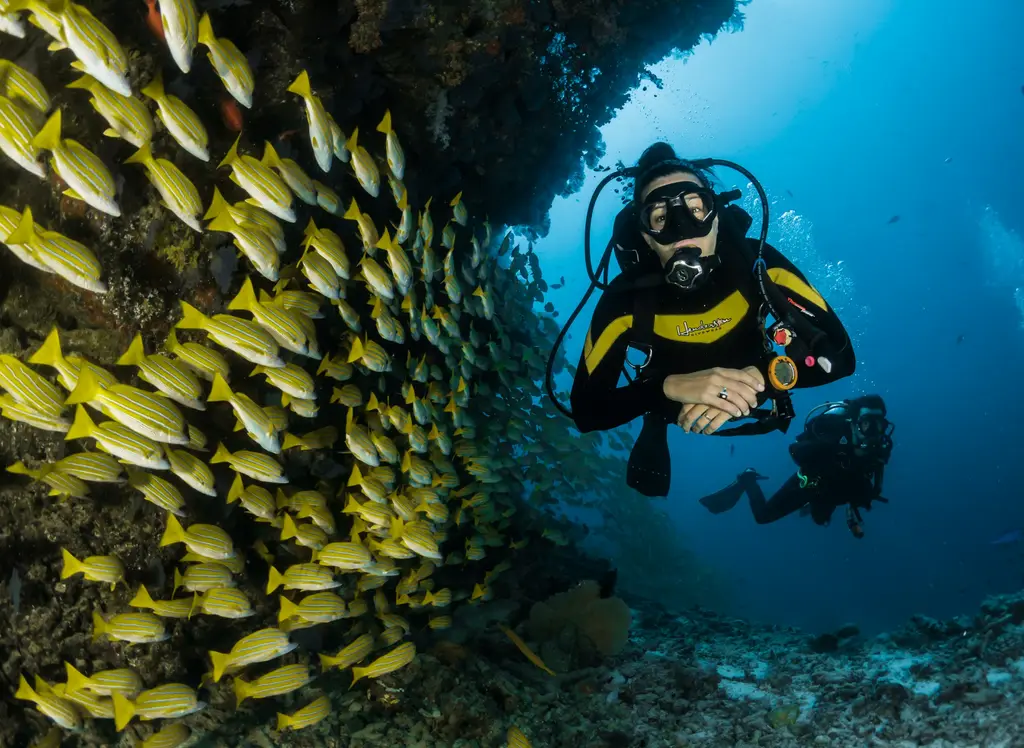
Spring
As air temperatures rise, Gulf waters begin to warm, improving conditions for offshore diving. Freshwater sites remain cool but diveable, with good visibility as seasonal rains are typically moderate.
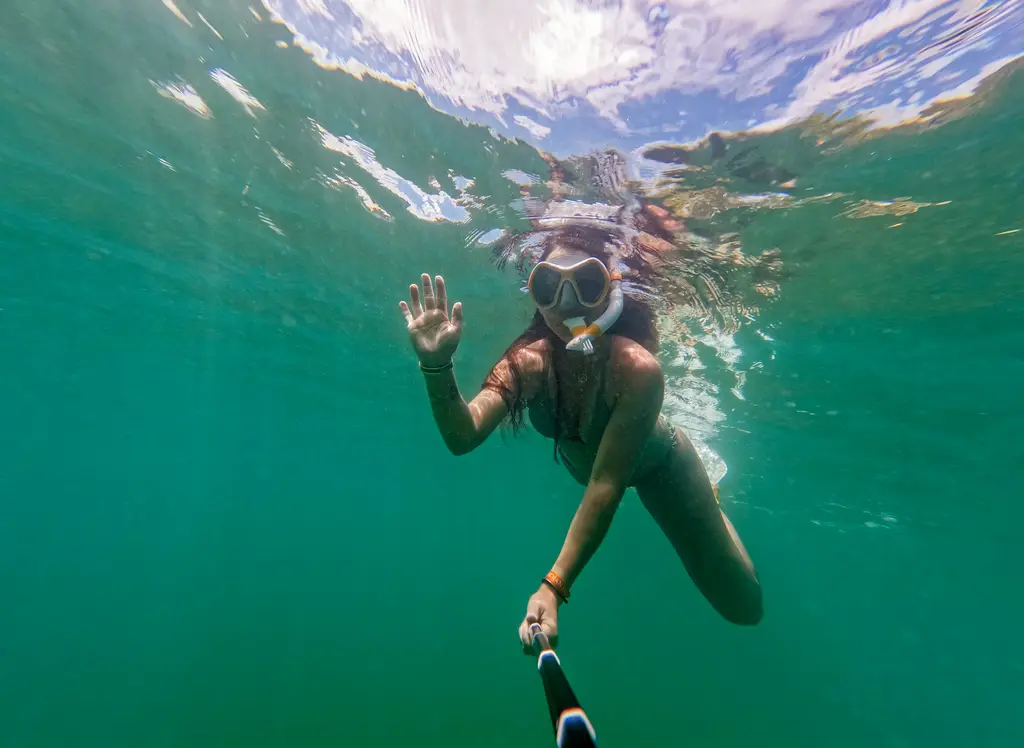
Summer
The warmest season for Gulf diving, with water temperatures peaking in the low 80s Fahrenheit. This is peak season for liveaboard trips to Flower Garden Banks. Inland lakes and springs are popular for cooling off, with busy dive shops facilitating training and local excursions.
Fall
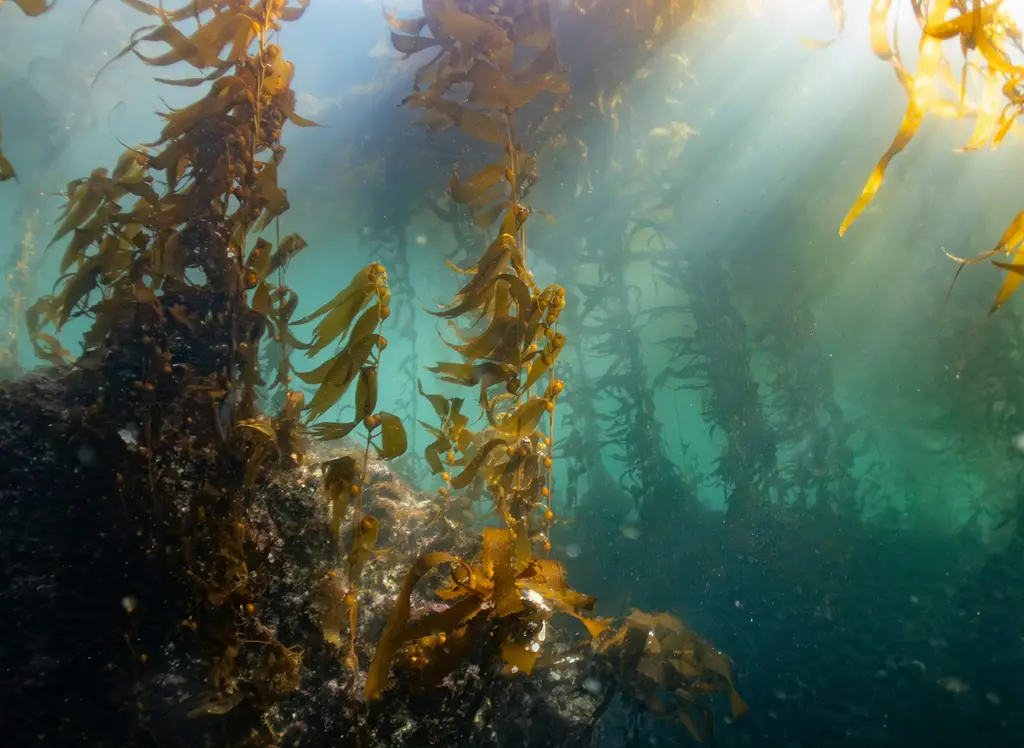
Gulf waters remain warm well into the fall, offering excellent conditions for offshore trips after the summer crowds. Freshwater sites begin to cool, but visibility can be exceptional as aquatic vegetation dies back.
Winter
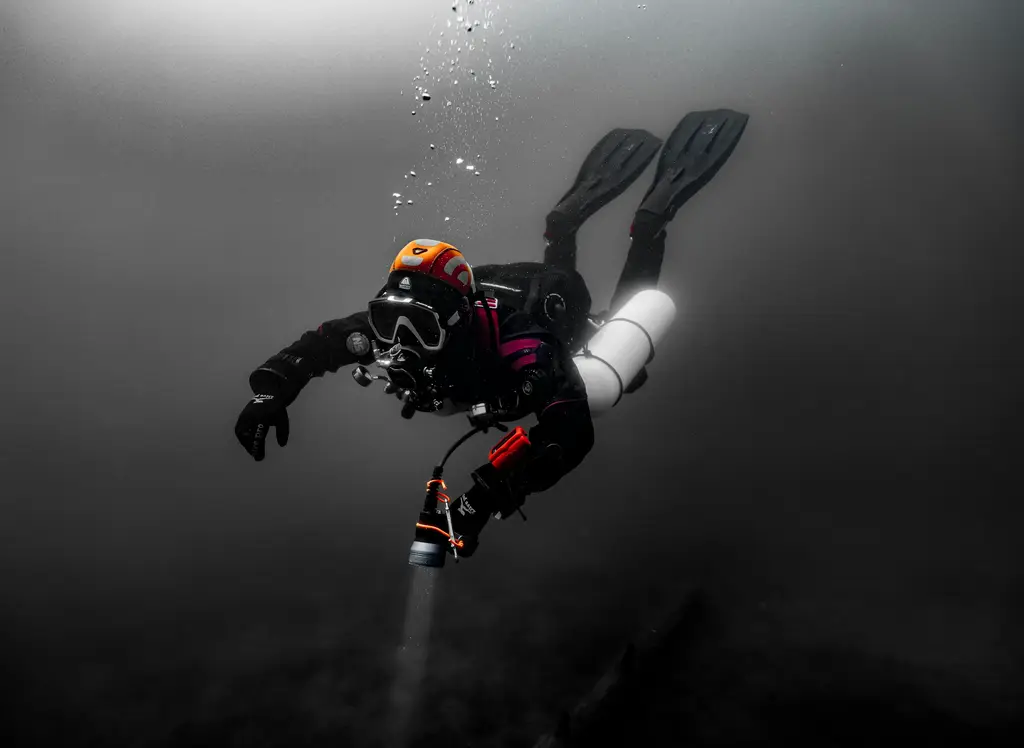
Gulf temperatures drop, requiring thicker exposure protection, but offshore diving is still possible for hardy divers. Freshwater sites, especially spring-fed ones, maintain consistent temperatures, making them a reliable option when air temperatures are cold. Liveaboard schedules are reduced.
Free tools
Your free outdoor toolkit
Keep exploring