Scuba Diving · Red Sea
Red Sea Scuba Diving
Explore 52 operators across Red Sea. Maps, contact info, photos, and verified operator profiles, all in one place.
About Red Sea
52 on the map
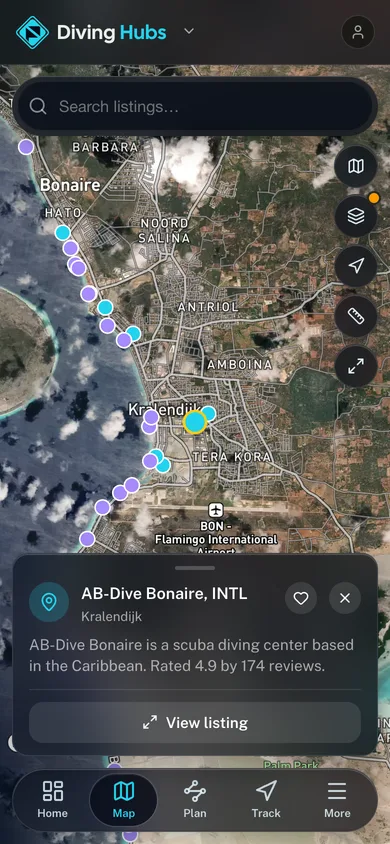
Tap a pin to open its profile.
Quick facts
- Water temp
- 22–28°C (72–82°F)
- Visibility
- 20–30m+
- Best season
- Year-round
- Highlights
- Wrecks, walls & reef
- Skill level
- All levels
- Operators listed
- 52
- Countries
- Egypt, Jordan, Saudi Arabia, Sudan
- Dive areas
- 4
By region
4 regions in Red Sea
Region 01 / 04
Northern Egyptian Red Sea
The SS Thistlegorm and the coral gardens of Ras Mohammed National Park headline this stretch. Day boats run from Sharm El Sheikh and Hurghada, and shorter liveaboard itineraries cover the wreck routes.
Region 02 / 04
Southern Egyptian Red Sea
Daedalus, Elphinstone, and the Brothers Islands, the names divers cross the world for pelagic action. The reefs down here see far less traffic, and almost all of it arrives by liveaboard out of Marsa Alam or Port Ghalib.
Region 03 / 04
Sudanese Red Sea
The sea's quiet frontier: intact coral, serious shark populations, and Jacques Cousteau's Conshelf II still on the bottom. Best suited to experienced divers, reached almost entirely by specialized liveaboards from Port Sudan or sometimes from Egypt.
Region 04 / 04
Jordan (Aqaba)
The Gulf of Aqaba trades remoteness for character: the Cedar Pride wreck, a submerged C-130 Hercules, and healthy reef, all against a backdrop of desert mountains. Works for every level of diver.
Dive Site Explorer
Dive sites across Red Sea
Tap a dive site to pinpoint it on the map, then open it for depth, entry, and the nearest operator.
All listings
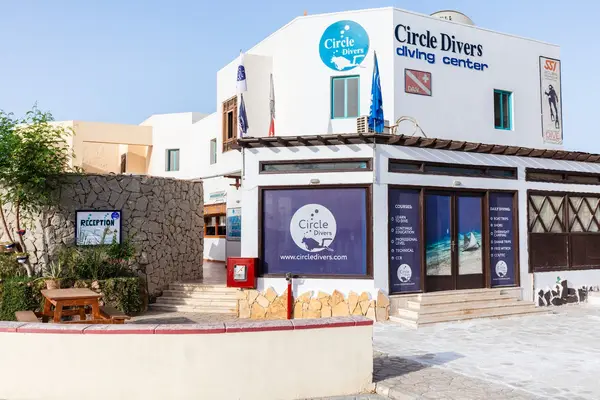
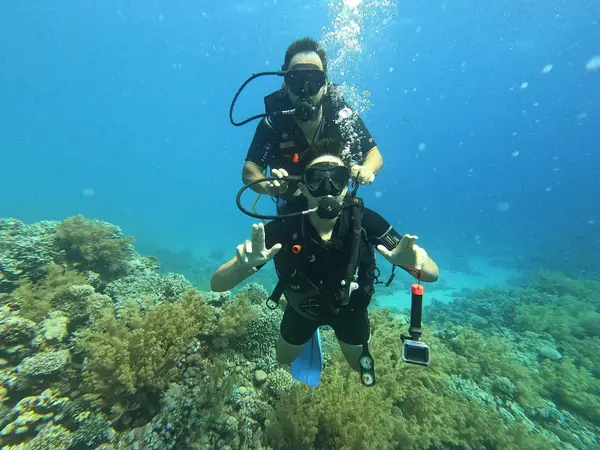
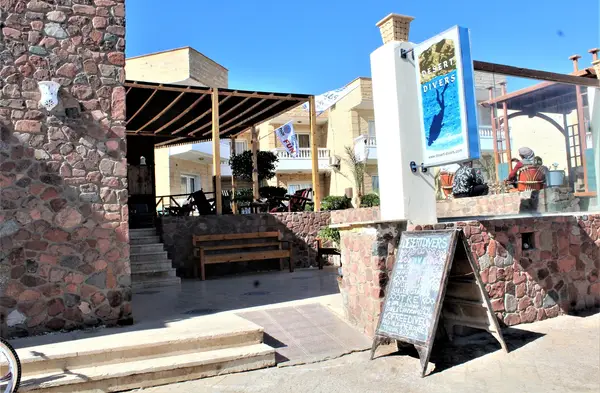
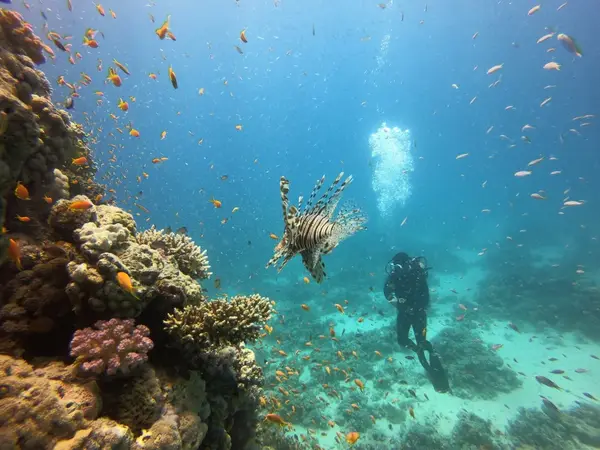
52 operators
across Red Sea
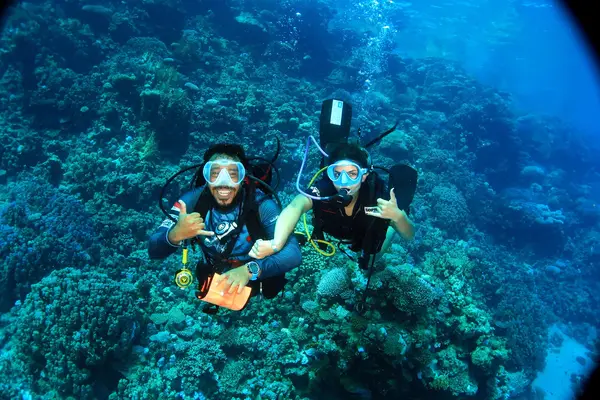
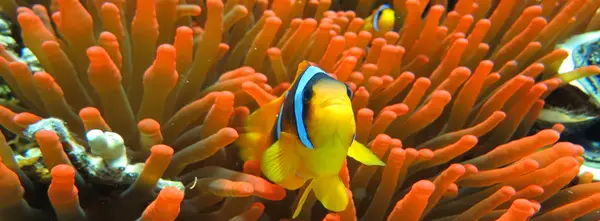
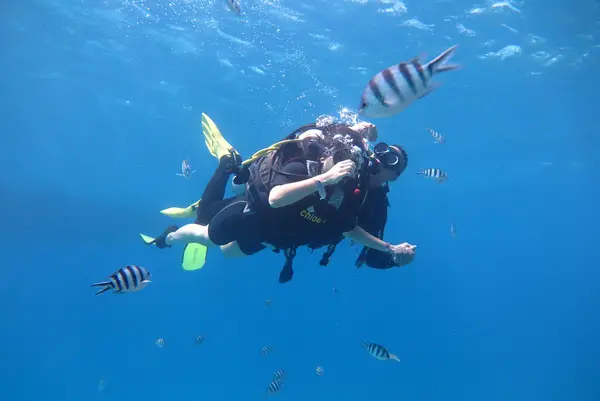
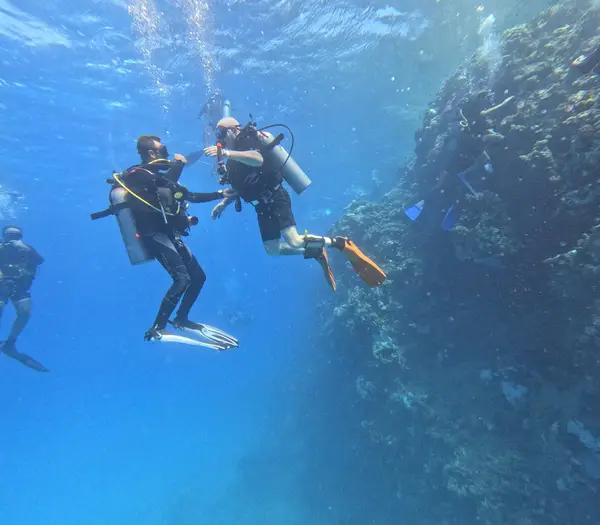
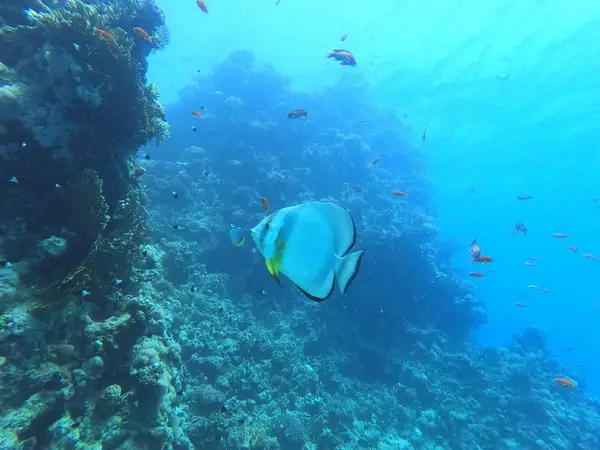
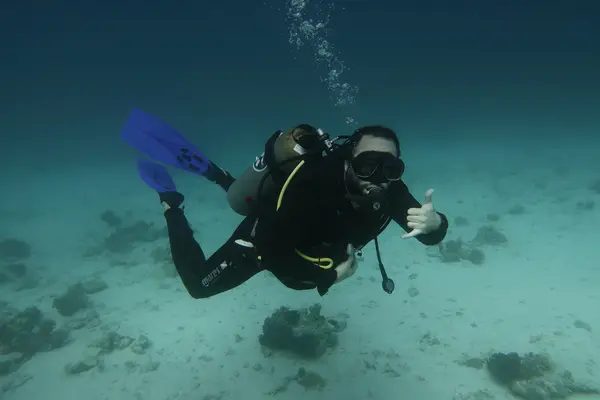
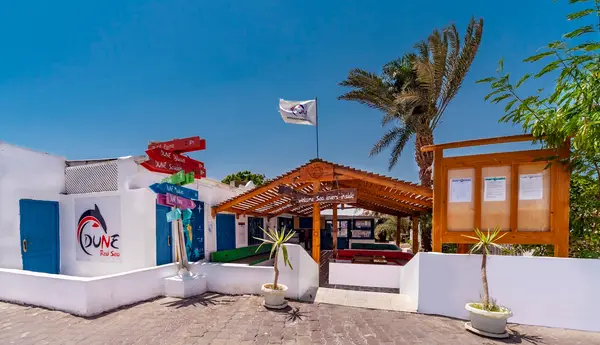
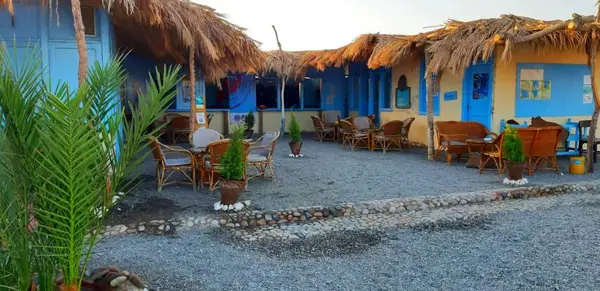
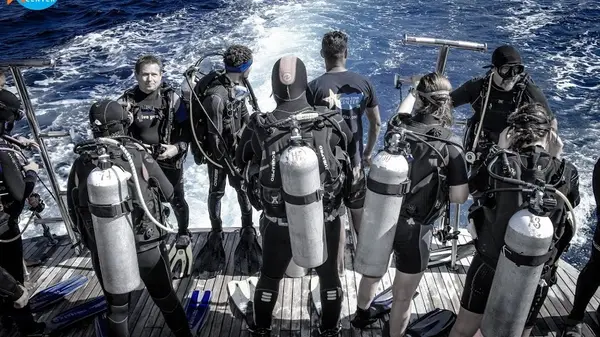
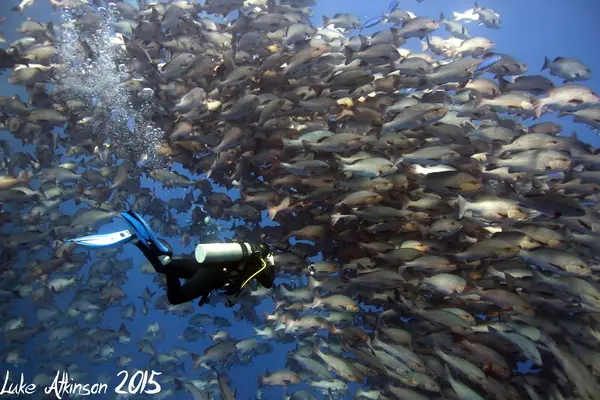
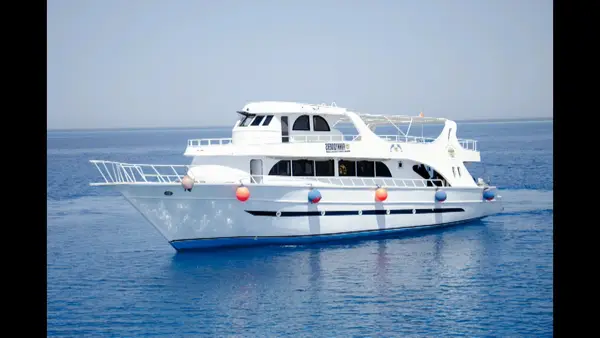
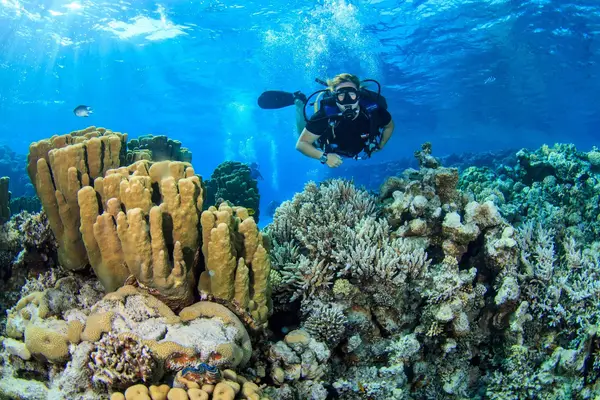
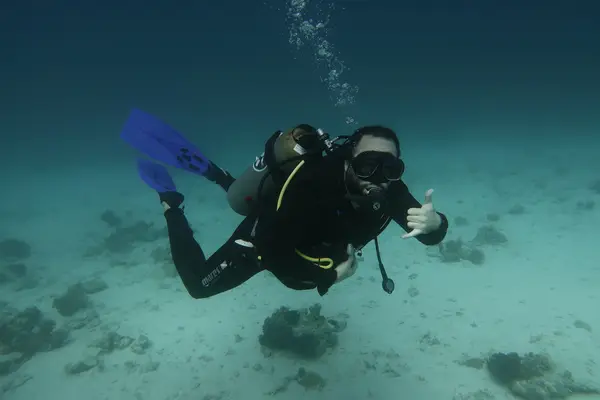
Plan your trip
Plan your trip to Red Sea
Certification and Experience Levels
Many of the Red Sea's signature dive sites, particularly offshore reefs and deeper wrecks like the SS Thistlegorm, require or strongly recommend Advanced Open Water certification or equivalent. Some liveaboard itineraries for challenging sites such as the Brothers Islands may also stipulate a minimum number of logged dives (e.g., 50 dives) and recent diving experience due to potential currents and depth. Confirm specific requirements with your chosen dive operator.
Marine Park and Conservation Fees
Many of the Red Sea's most pristine dive sites are located within protected marine parks, especially in Egypt. Visitors should anticipate paying marine park entry fees, which are typically collected by dive operators and are not always included in the initial package price. These fees contribute to conservation efforts and vary by park and country. Always confirm what fees are included or additional with your dive center or liveaboard.
Liveaboard vs. Day Boat Access
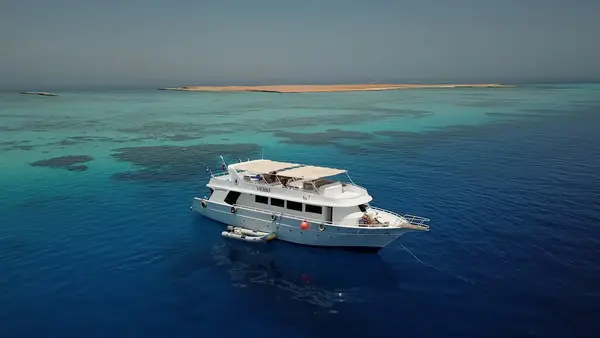
While numerous excellent dive sites are accessible via day boats from shore-based dive shops in popular areas like Sharm El Sheikh, Hurghada, and Marsa Alam, many of the Red Sea's world-renowned, remote sites are exclusively accessible by liveaboard. Planning for a liveaboard trip is essential for experiencing destinations such as the Brothers Islands, Daedalus Reef, St. John's, and the Sudanese Red Sea. Consider the type of diving experience desired when choosing between options.
Currents, Depth, and Nitrox
The Red Sea can present varying conditions. Offshore reefs are often exposed to strong currents, which can make for exhilarating drift dives but require good buoyancy control and experience. Many sites involve dives beyond 18 meters (60 feet). Nitrox is widely available on liveaboards and at most reputable dive centers, which is highly recommended for extended bottom times and repetitive dives, particularly on multi-day trips.
Dive Insurance and Emergency Evacuation
Comprehensive dive insurance, including coverage for medical emergencies and emergency evacuation, is highly recommended for all divers visiting the Red Sea. While local emergency services exist, specialized dive-related medical facilities and evacuation capabilities vary by country and region. Some dive operators may even require proof of insurance before allowing participation in diving activities. Review policy details to ensure adequate coverage for the specific activities planned.
Confirm current requirements with the state agency before your trip. Rules and fees change every season.
Proof of Certification and Logbook
All divers must present valid proof of their scuba diving certification (e.g., PADI, SSI, CMAS card) and often a logbook demonstrating recent dive activity. Dive centers and liveaboards require this to ensure divers meet the necessary experience and training levels for planned dives. Requirements vary by country – confirm with your operator.
Dive Medical Statement
A dive medical statement or a recent medical certificate from a physician indicating fitness to dive is often required. While some operators may accept self-declaration for recreational diving, it is prudent to have a medical clearance, especially for those with pre-existing conditions. Requirements vary by country – confirm with your operator.
Marine Park Fees and Permits
Diving in protected marine areas throughout the Red Sea, particularly in Egypt, necessitates the payment of marine park fees. These fees are usually collected by dive operators and contribute to conservation efforts. Some remote areas or specific wreck sites might also require special permits. Requirements vary by country – confirm with your operator.
Environmental Protection Guidelines
Strict environmental protection guidelines are enforced across the Red Sea to preserve its fragile coral ecosystems. Divers must adhere to responsible diving practices, including maintaining neutral buoyancy, avoiding contact with marine life, and refraining from collecting souvenirs. Violations can lead to significant fines. Requirements vary by country – confirm with your operator.
- 01
1. Define Your Diving Objectives
Decide what you're actually here for: wrecks, sharks and pelagics, untouched coral, or a certification course. That one decision does most of the work of narrowing down which region and which kind of operation fits.
- 02
2. Choose a Red Sea Region and Season
Match the region to the goal: Northern Egypt for wrecks, Southern Egypt for pelagics, Sudan for reefs that see almost no one. Then check the calendar, the right season for your destination makes a real difference in conditions.
- 03
3. Research and Select Dive Operators
Compare dive shops for day trips or liveaboards for multi-day runs: itineraries, vessel condition, safety records, reviews. Make sure the operator's site list matches your certification level, not just your ambitions.
- 04
4. Confirm Travel and Diving Requirements
Check visa rules for your nationality, make sure your certification cards are in order, and buy dive insurance with evacuation coverage. Ask the operator directly about medical or minimum-experience prerequisites.
- 05
5. Book Your Trip and Prepare
Lock in flights, accommodation, and the dive package. Pack for the water temperature and the currents you expect, get your gear serviced, and have your documents sorted before you're standing at a check-in desk.
01What marine life can be seen in the Red Sea?
02Is the Red Sea suitable for beginner divers?
03What is the typical water visibility in the Red Sea?
04Are liveaboards essential for diving the Red Sea's best sites?
05What is the water temperature range throughout the year?
06Is solo diving permitted in the Red Sea?
When to go
Season by season in Red Sea

Spring (March - May)
A comfortable window in the northern Red Sea, Egypt and Jordan, with mild air and water temperatures, typically high visibility, and moderate wind. Both liveaboards and shore-based operations run at full tilt in these months.
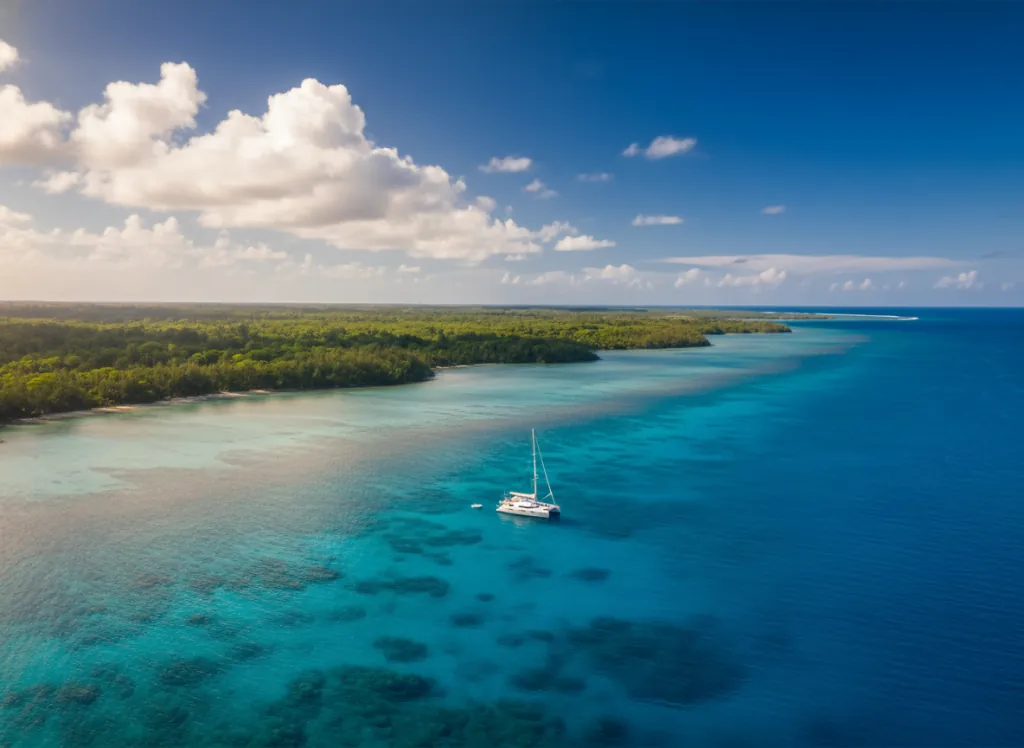
Summer (June - August)
On land, the northern Red Sea bakes. Underwater, conditions stay superb, and the calmer seas make this the working season for the deeper southern Egyptian sites and Sudan, where remote offshore reefs and pelagic encounters, including manta rays, become reachable.
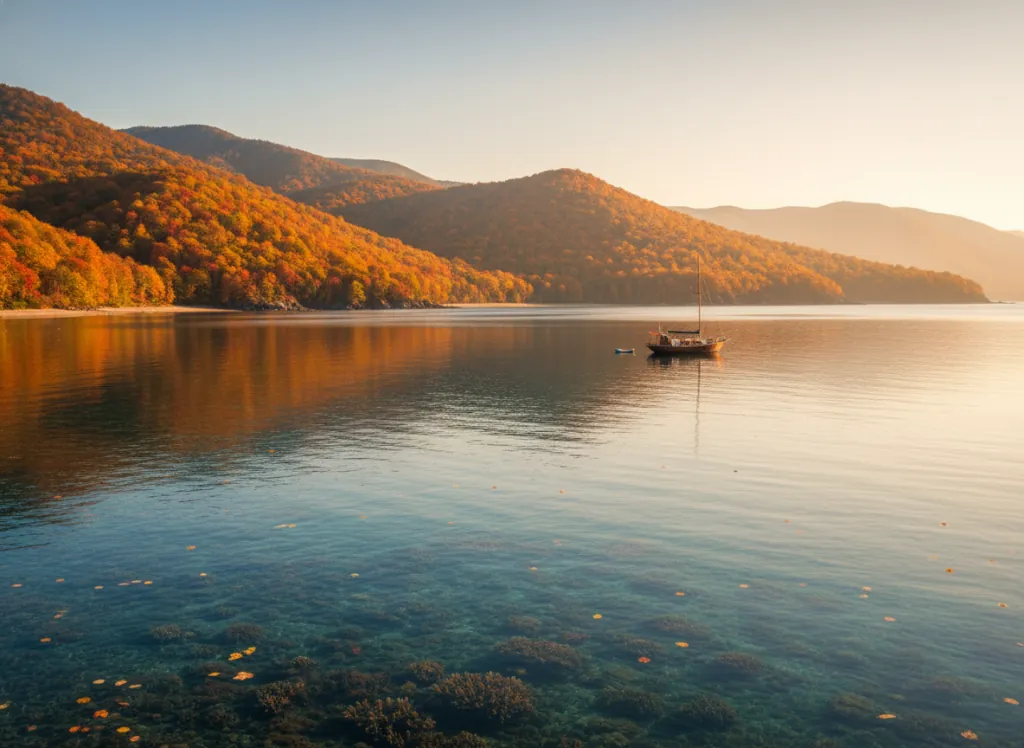
Autumn (September - November)
The consensus peak for the whole sea. Air and water temperatures land in the sweet spot, visibility holds, and the wind drops below its levels the rest of the year. Everything works in this window: northern Egyptian wrecks, southern reefs, Sudanese sites.
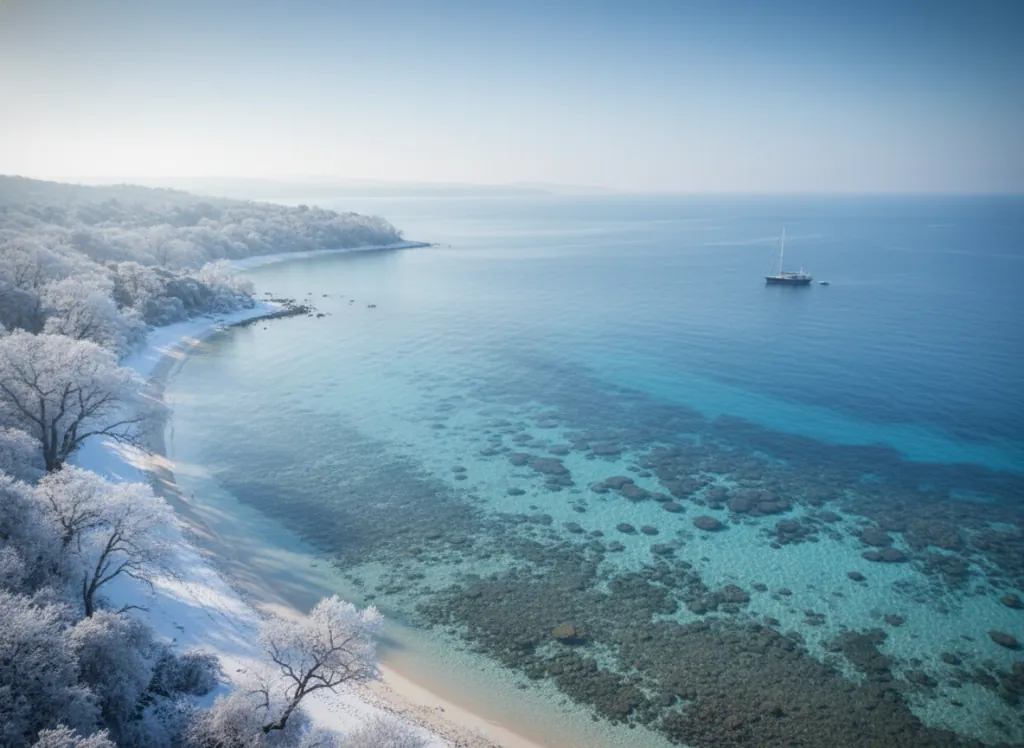
Winter (December - February)
The coolest water of the year, most noticeably in the north, where a thicker wetsuit earns its packing space. The diving stays excellent, particularly in the southern regions, and Djibouti's whale shark season runs through these months.
Watch & learn
Watch & learn, Red Sea
Diving in Egypt, Sharm El Sheikh. Shark & Yolanda Reef, 2021. 4K
Scuba Notes by Dmitry
0Ras Mohamed Full Diving Experience | 4K | GoPro |Sharm El Sheikh 2025
Slothy Vlogs
0SCUBA DIVING at the Magical BLUE HOLE in Dahab, Egypt
Ayaan Chitty - Scuba Diving, Travel & Adventure
0
Free tools
Your free outdoor toolkit
Everything Map
Listings, trails, spots, clubs and public land on a single full-screen map. Switch layers on and off, then tap any point for the details.
Open Everything MapDive Sites
Browse community-mapped reefs, wrecks, and walls with depth, conditions, and what you will see.
Open Dive SitesRoute Planner
Drop stops on a map and watch distance and drive time add up. Export a GPX or share the link.
Open Route PlannerDive Clubs
Browse local clubs with meeting info and how to join, or start your own for free.
Open Dive ClubsPhoto ID
Point your camera at whatever you found and get a structured identification. No signup.
Open Photo IDGear Checklists
Printable, save-as-you-go packing lists. Tick items off and pull them up on your phone.
Open Gear Checklists