Scuba Diving · East Asia
East Asia Scuba Diving
Explore 0 operators across East Asia. Maps, contact info, photos, and verified operator profiles, all in one place.
About East Asia
Quick facts
- Water temp
- 18–28°C (64–82°F)
- Visibility
- 10–25m
- Best season
- Varies by site (often Apr–Nov)
- Highlights
- Reefs, macro & lava caves
- Skill level
- All levels
- Operators listed
- 0
- Countries
- Japan, Taiwan, South Korea, China
- Dive areas
- 3
By region
3 regions in East Asia
Region 01 / 03
Okinawa and the Ryukyu Islands, Japan
A subtropical island chain where the diving earns its reputation: healthy coral reefs, mantas and hammerheads on the pelagic side, and the enigmatic Yonaguni Monument at the far end. Dive shops are plentiful and the liveaboard fleet is growing.
Region 02 / 03
Taiwan (Green Island & Orchid Island)
The nutrient-rich Kuroshio Current feeds these two islands' hard and soft coral gardens, steep walls, and big schools of fish, with hammerhead sharks making occasional appearances. Local dive centers put the full spread of sites within easy reach.
Region 03 / 03
Izu Peninsula, Japan
Temperate diving an easy trip from Tokyo: volcanic rock formations, first-rate macro photography, and a wider cast of marine life than the latitude suggests. A staple for day trips and local dive training.
All listings
No operators listed yet
across East Asia
East Asia is open territory
Run a operator in East Asia? Be the first listing in East Asia on Diving Hubs. Free to claim, free to list, indexed by Google.
List your operator freePlan your trip
Plan your trip to East Asia
Certification and Experience
Many signature sites in East Asia, such as Yonaguni Monument or deeper walls in Taiwan, may require Advanced Open Water certification or higher, along with demonstrable experience in currents. Always confirm with your dive operator for specific site requirements.
Marine Park Fees
Many popular dive sites are within marine protected areas, and conservation fees are typically collected by dive operators. These fees vary significantly by country and site (e.g., Japan's national parks, Taiwan's protected zones) and contribute to local marine conservation efforts.
Liveaboard vs. Day-Boat Access
While day boats are prevalent for accessing most sites, liveaboards are increasingly available, especially in Japan's Ryukyu Islands and parts of Taiwan, offering multi-day exploration of more remote areas and increased dive opportunities.
Currents and Depths
East Asia's dive sites, particularly those influenced by the Kuroshio Current, can feature strong currents. Some iconic sites involve deeper profiles. Divers should be comfortable with these conditions and possess appropriate training and equipment.
Nitrox Availability
Nitrox is widely available at most reputable dive shops and on liveaboards in popular destinations like Japan and Taiwan, allowing for extended bottom times and reduced surface intervals. Inquire when booking if you plan to use it.
Dive Insurance and Evacuation
Comprehensive dive insurance, including coverage for medical emergencies and evacuation, is highly recommended. While medical facilities are excellent in many East Asian countries, remote dive locations necessitate robust emergency planning.
Confirm current requirements with the state agency before your trip. Rules and fees change every season.
Certification Requirements
A minimum Open Water Diver certification from a recognized agency (e.g., PADI, SSI) is universally required for recreational diving. For more advanced or challenging sites, an Advanced Open Water certification or specific specialty training may be mandated. These requirements vary by country and dive site; confirm with your operator.
Marine Park Permits and Fees
Access to many prime dive locations, especially those within protected areas, requires permits or the payment of conservation fees. These are typically managed and collected by your dive shop or liveaboard operator. The exact fees and regulations vary by country; confirm with your operator.
Medical Fitness to Dive
All divers are expected to be medically fit to dive. Most dive centers will require you to complete a medical questionnaire, and some may request a doctor's clearance, especially for older divers or those with pre-existing conditions. Specific requirements vary by country; confirm with your operator.
Environmental Conduct
Strict regulations are in place to protect marine ecosystems, prohibiting touching, collecting, or disturbing marine life. Divers are expected to maintain excellent buoyancy control to avoid damaging corals. Regulations vary by country; confirm with your operator.
Minimum Age and Experience
While the minimum age for Open Water certification is generally 10 years, some dive sites or operators may impose higher age or experience minimums for certain dives, particularly those with strong currents or deeper profiles. These vary by country; confirm with your operator.
- 01
Choose Your Destination
Compare the countries and islands of East Asia (Okinawa, Taiwan, and beyond), against what you want to see, how you like to travel, and which marine life matters most to you. Then check the seasonal windows for your pick; timing shapes everything here.
- 02
Assess Your Certification and Experience
Look up the typical requirements for your target sites before you book. If deeper walls or current-swept dives are on the list, get the advanced training done at home rather than discovering the prerequisite at the dock.
- 03
Select Your Operator and Book Logistics
Shortlist reputable shops or liveaboards that fit your itinerary and skill level, then lock in flights, accommodation, and dive packages early, peak season fills fast.
- 04
Arrange Travel and Dive Insurance
Take out comprehensive travel insurance with emergency medical coverage plus dedicated dive insurance for evacuation and recompression. Read the fine print on dive-related incidents before you trust it.
- 05
Prepare Your Gear and Documentation
Service your equipment and test it before packing. Bring certification cards, your logbook, and any medical clearances the operator asks for, the paperwork gets checked here.
01What marine life can I expect to see while diving in East Asia?
02Are there options for non-divers or families traveling with divers?
03How do I choose between a liveaboard and a day-boat diving experience?
04What is the water temperature like throughout the year in East Asia?
05Is it necessary to speak the local language to dive in East Asia?
06What are the typical group sizes for guided dives in East Asia?
When to go
Season by season in East Asia

Spring (March-May)
The season opens across the region. Water warms in southern Japan, Okinawa gets good visibility and the tail end of humpback whale season, while Taiwan's sites, Green Island among them, turn comfortably warm and busy with life.
Summer (June-August)
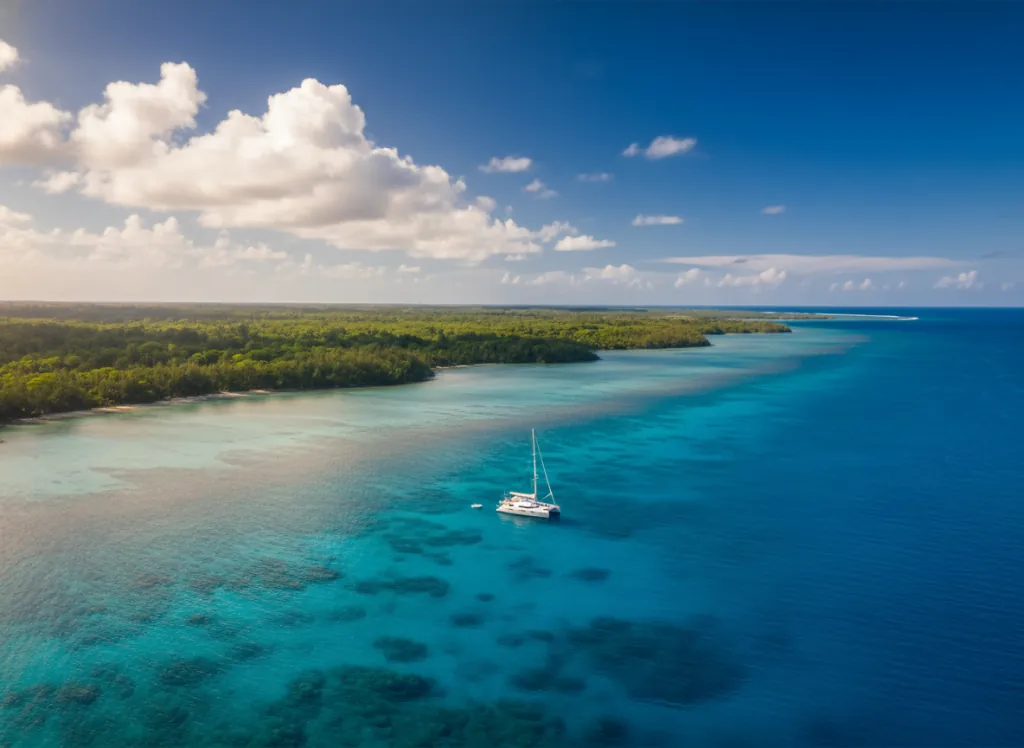
Peak season for most of Japan and Taiwan: the warmest water of the year and typically the best visibility, ideal for reef diving and pelagic encounters. The catch is late summer's typhoon risk, which weighs heaviest on the region's southern reaches.
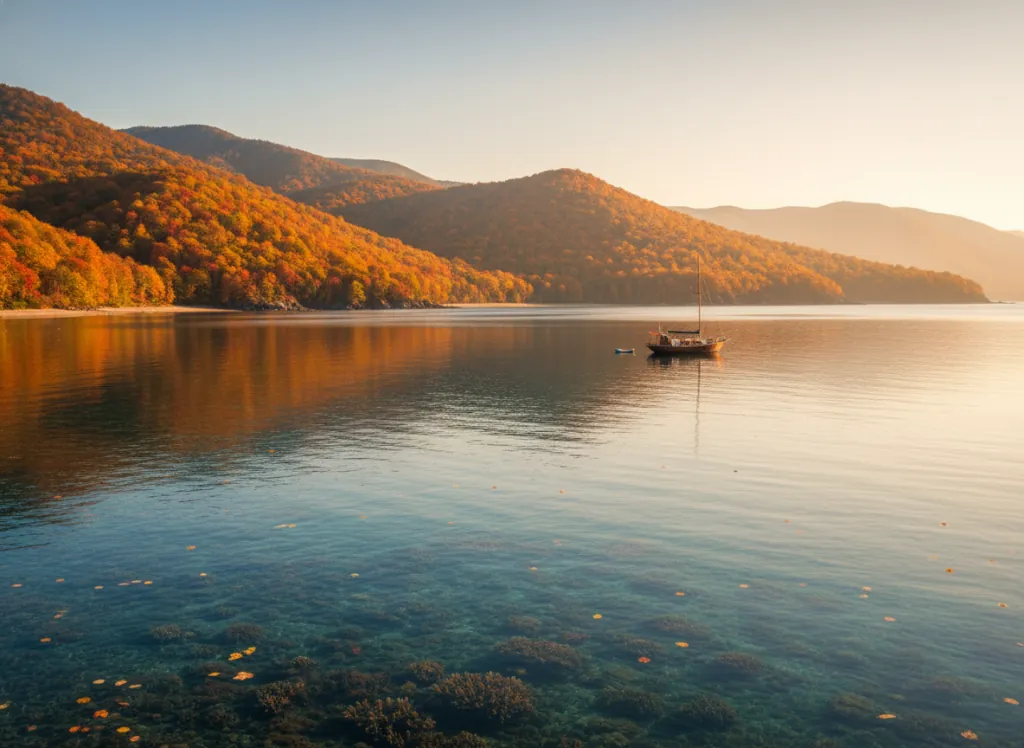
Autumn (September-November)
For many divers, the sweet spot. The water stays warm, conditions generally settle once typhoon season passes, and Ishigaki's manta aggregations are particularly strong in these months. Marine life stays vibrant across the region.
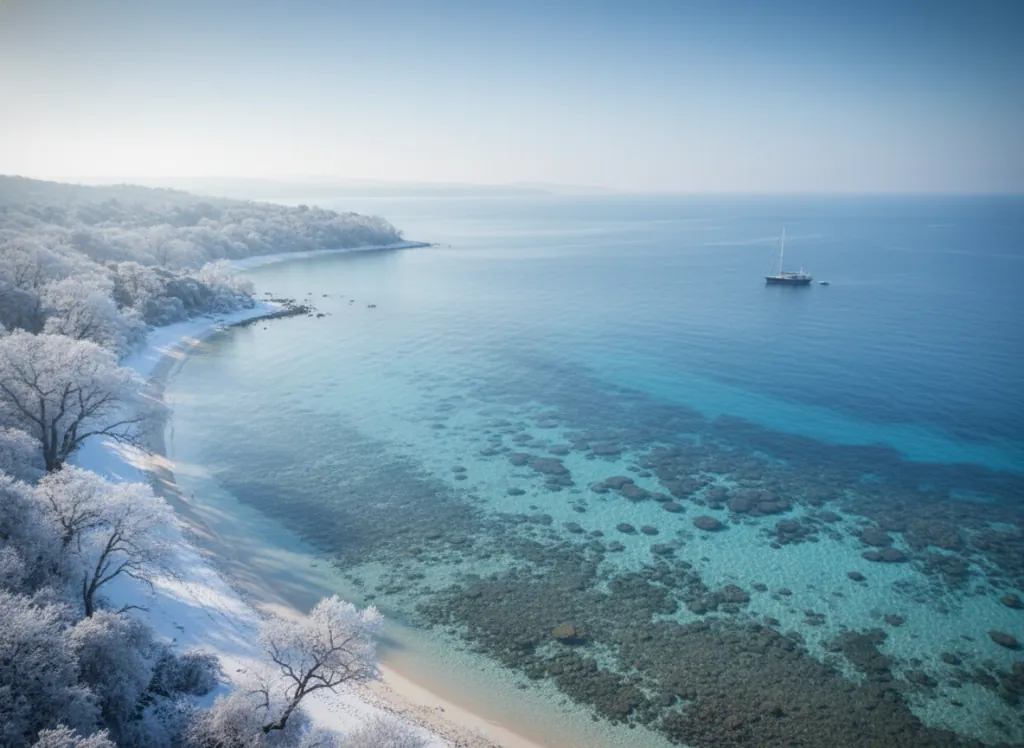
Winter (December-February)
Cooler, but far from closed. Humpback whales gather off Okinawa, the Izu Peninsula and South Korea's Jeju Island reward cold-water macro photographers with dramatic terrain, and Hokkaido offers something almost no other destination can: diving under drift ice.
Watch & learn
Watch & learn, East Asia
BEST Scuba Diving in the Pacific II Okinawa Japan 4K
Aqua Holic
0Scuba Diving in Okinawa: Everything You Need to Know (Kerama Islands)
Travel With Mansoureh
0First time scuba diving in Okinawa, Japan around the famous Blue Cave
Sunkissed Divers Okinawa
0
Free tools
Your free outdoor toolkit
Everything Map
Listings, trails, spots, clubs and public land on a single full-screen map. Switch layers on and off, then tap any point for the details.
Open Everything MapDive Sites
Browse community-mapped reefs, wrecks, and walls with depth, conditions, and what you will see.
Open Dive SitesRoute Planner
Drop stops on a map and watch distance and drive time add up. Export a GPX or share the link.
Open Route PlannerDive Clubs
Browse local clubs with meeting info and how to join, or start your own for free.
Open Dive ClubsPhoto ID
Point your camera at whatever you found and get a structured identification. No signup.
Open Photo IDGear Checklists
Printable, save-as-you-go packing lists. Tick items off and pull them up on your phone.
Open Gear Checklists