Scuba Diving · New York
Scuba Diving in New York
Dive 19 dive shops and charters across New York. Maps, hours, contact info, photos, and verified operator profiles, all in one place.
Adirondacks, Catskills, the Finger Lakes, and the Long Island shore.
Updated
Highest rated
Scuba Diving in New York by Google rating
Ranked by Google rating, then by number of reviews, across the 18 of 19 dive shops and charters in New York with 10 or more Google reviews.
| Name | City | Rating |
|---|---|---|
| Marine Diving Service | Croton-On-Hudson | 5.069 Google reviews |
| Tiedemann's Diving Center | Levittown | 5.016 Google reviews |
| Pan Aqua Diving | New York | 4.9114 Google reviews |
| Urban Manta Private Scuba Lessons | New York | 4.965 Google reviews |
| Rey Diving LLC | Brooklyn | 4.959 Google reviews |
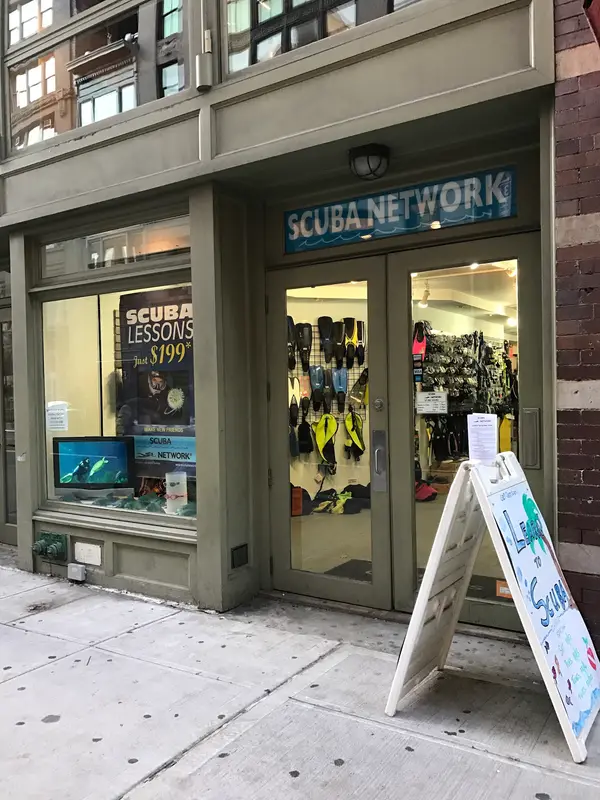
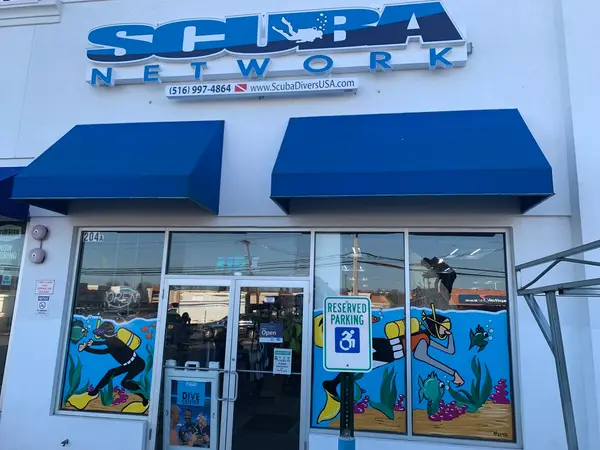
| SCUBA Network | New York | 4.8226 Google reviews |
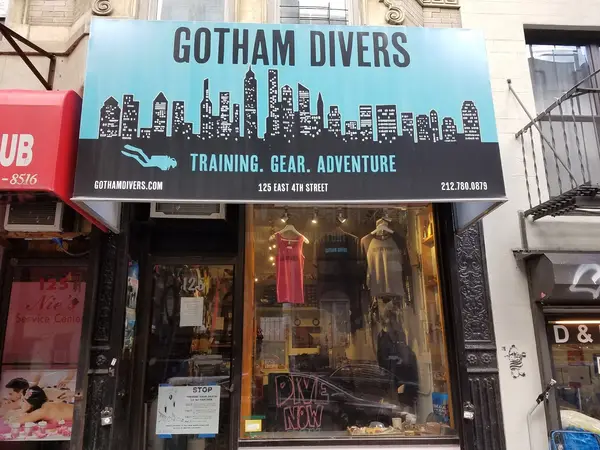
| Gotham Divers | New York | 4.8108 Google reviews |
| Hampton Dive Center | Riverhead | 4.832 Google reviews |
All listings
19 dive shops and charters in New York

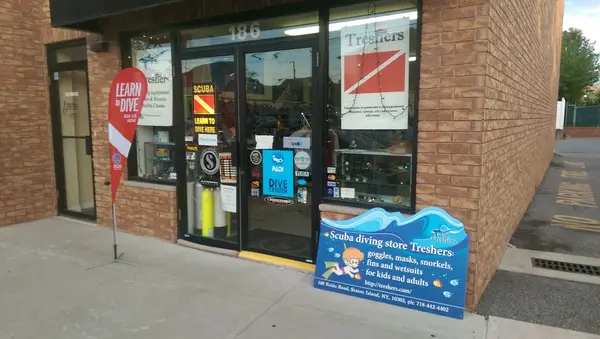
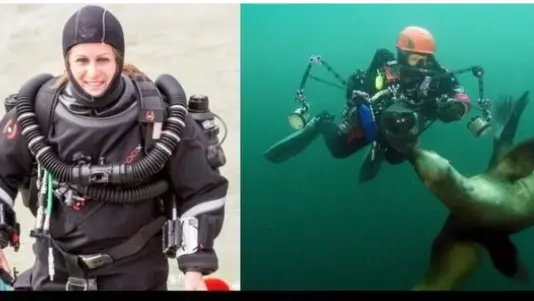
On the map
Dive shops in New York
Everything we have mapped in New York, on one map. Tap anything for its details.
Loads the full map of New York. We leave it off by default so the page opens fast on mobile data.
About New York
Quick facts
- Dive shops and charters listed
- 19
- Best season
- May through October
Trip guide
Know before you go in New York
Confirm current requirements with the agency that sets them before your trip. Rules and fees change every season.
Boating Safety Certificate
Anyone operating a motorized vessel, including a dive boat, in New York waters must possess a New York State Boating Safety Certificate. This applies to all operators regardless of age as of January 1, 2025.
NYS Parks, Recreation & Historic PreservationWreck Site Preservation
Removing artifacts from shipwrecks in New York waters is generally illegal. Historic wrecks are protected under state and federal laws. Divers should observe and photograph without disturbing the site.
Fishing and Spearfishing Regulations
Divers engaging in spearfishing must possess a valid New York State fishing license and adhere to all size, season, and creel limits for targeted species. Spearfishing is prohibited in certain areas; verify with the DEC.
01What kind of diving is most popular in New York?
02When is the best time of year to scuba dive in New York?
03What certifications do I need to dive in New York?
04Is drysuit diving common in New York?
05Are there any marine parks or sanctuaries for divers in New York?
06Can I shore dive in New York, or is it mostly boat diving?
When to go
Season by season in New York
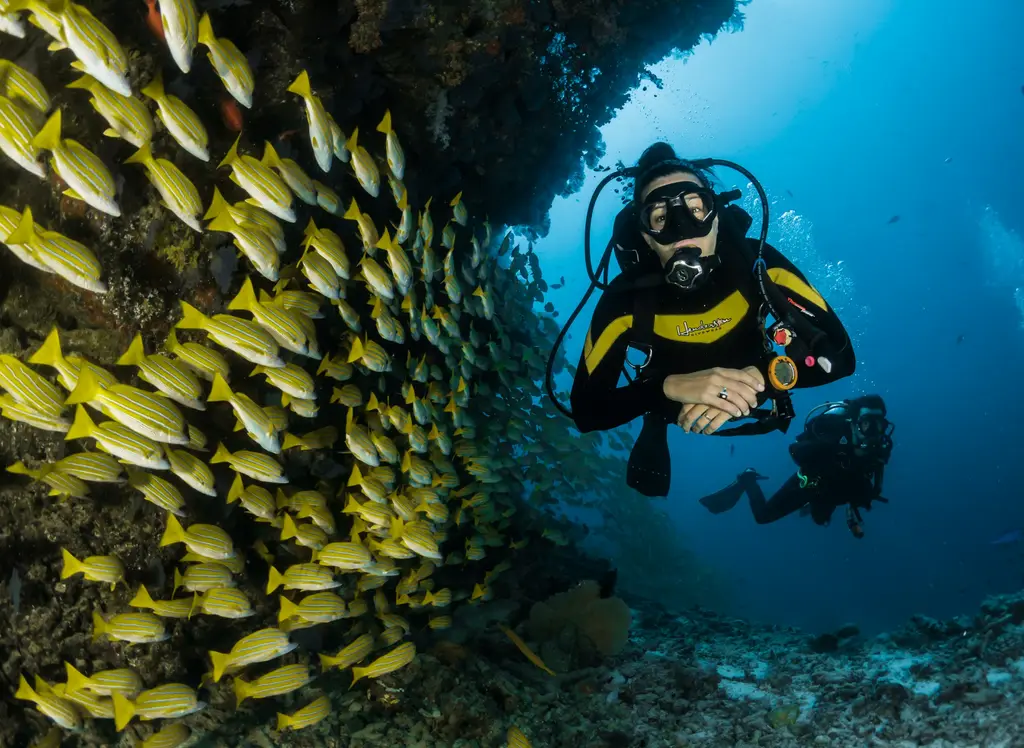
Spring (April-May)
As ice melts and water temperatures slowly rise, visibility often improves significantly in many lakes. Dive shops begin their charter seasons, primarily targeting shallower wrecks and training sites as conditions become more favorable.
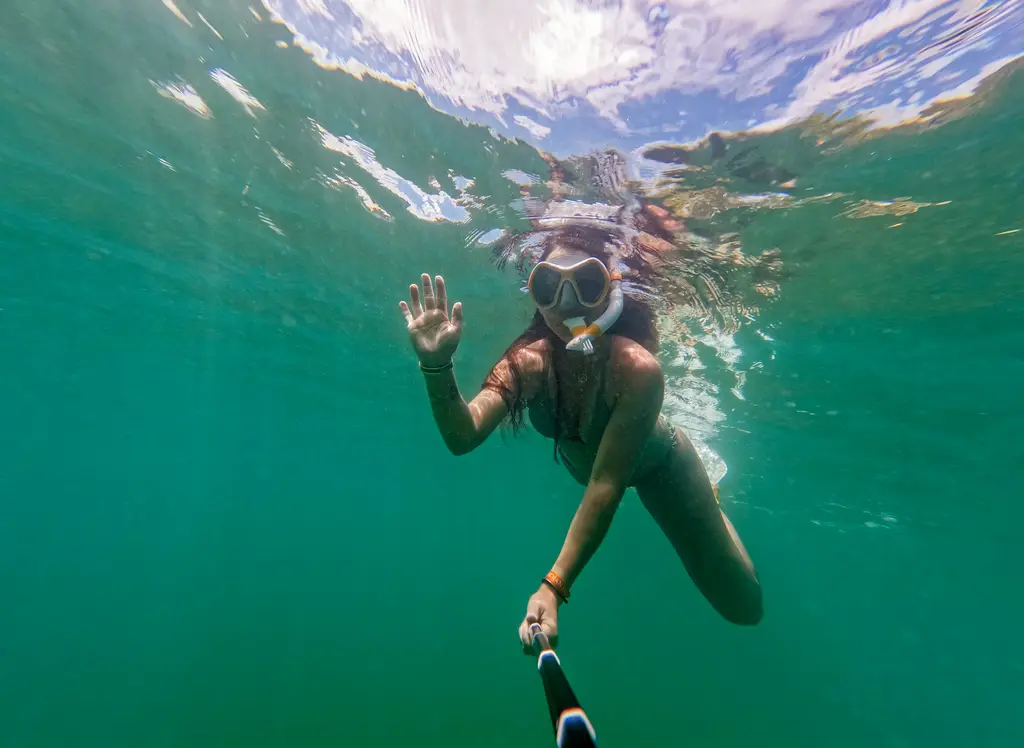
Summer (June-August)
This is peak diving season across all regions of New York, with the warmest water temperatures and most active charter schedules. All dive sites, from the Great Lakes to the Atlantic, are generally accessible during these months.
Fall (September-November)
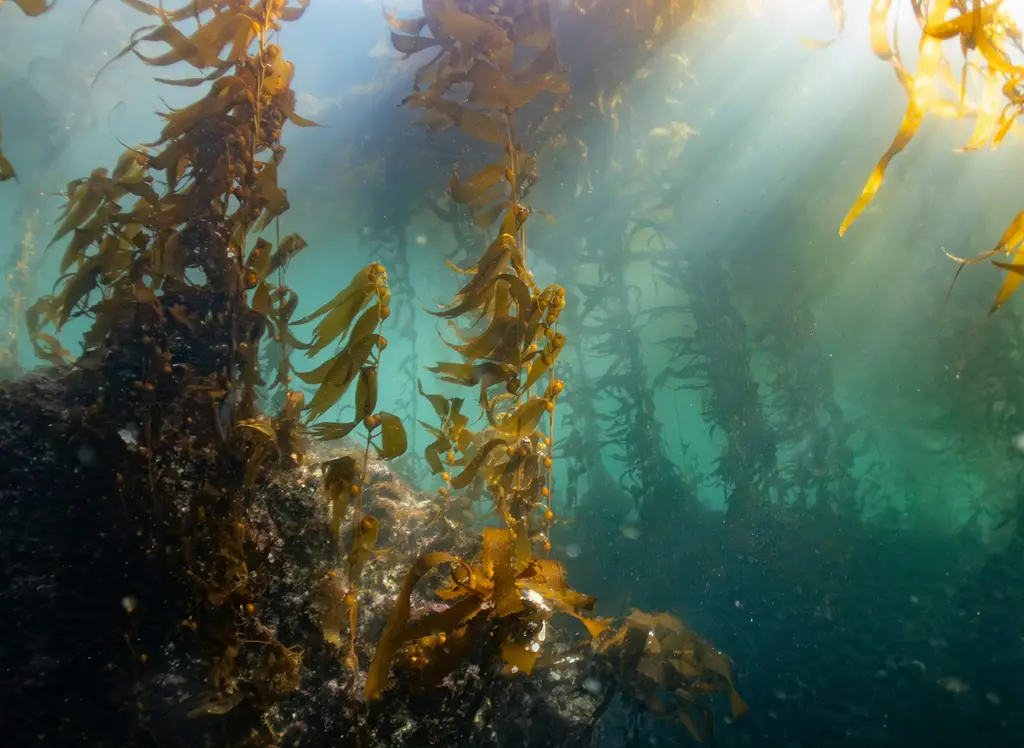
Water temperatures start to drop, but often excellent visibility persists, especially in the Great Lakes and inland waters. Crowds thin out, offering a quieter diving experience before the winter season closes many operations.
Winter (December-March)
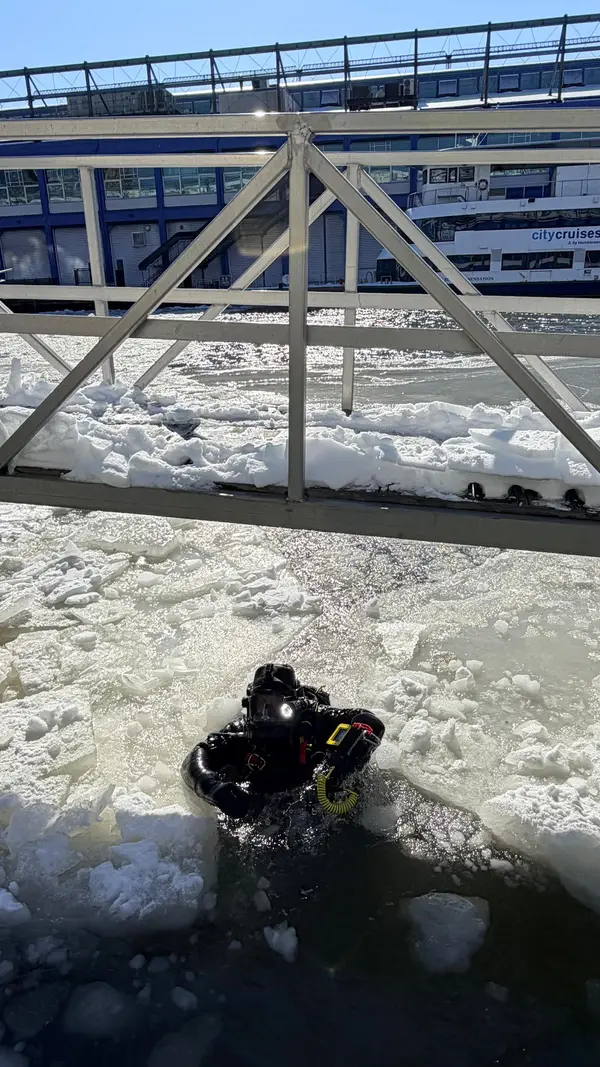
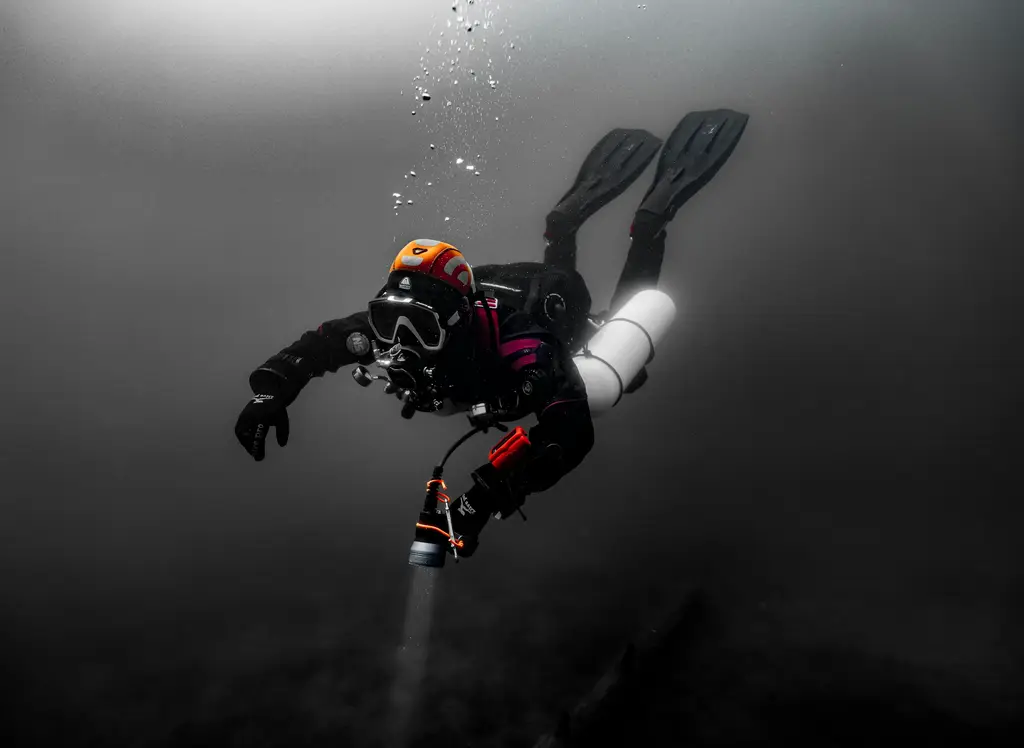
Diving is limited to specialized ice diving in certain inland lakes or very specific, hardy operations. Most dive shops focus on equipment sales, service, and classroom training during these colder months.
Free tools
Your free outdoor toolkit
Keep exploring