Scuba Diving · Florida
Scuba Diving in Florida
Dive 168 dive shops and charters across Florida. Maps, hours, contact info, photos, and verified operator profiles, all in one place.
Saltwater flats, springs, and the largest subtropical wilderness in the US.
Updated
Highest rated
Scuba Diving in Florida by Google rating
Ranked by Google rating, then by number of reviews, across the 145 of 168 dive shops and charters in Florida with 10 or more Google reviews. A blank cell means we do not have that detail yet.
| Name | City | Diving | Rating |
|---|---|---|---|
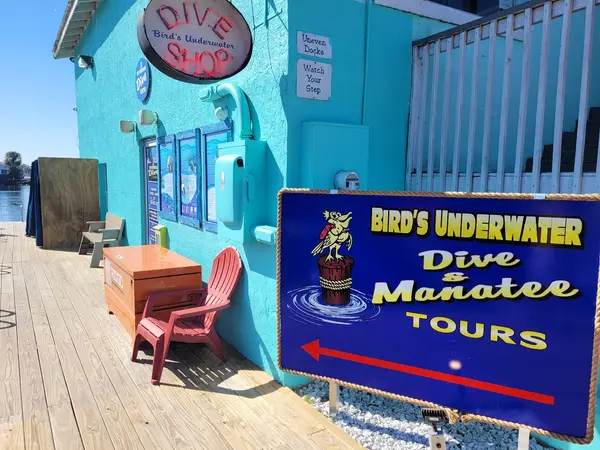
| Bird's Underwater Manatee Dive Center | Crystal River | 5.03,825 Google reviews | |
| The Kyalami Scuba Club | North Palm Beach | 5.0456 Google reviews | |
| Walker's Dive Charters | Riviera Beach | 5.0439 Google reviews | |
| Live Free Diving | Riviera Beach | Freediving | 5.0318 Google reviews |
| Ranger Rick's Scuba Adventure | Orlando | 5.0272 Google reviews | |
| Shark Addicts | Jupiter | 5.0260 Google reviews | |
| North Florida Divers- Scuba Diving Certification | Jacksonville | 5.0159 Google reviews | |
| SEA Divers Scuba | Vernon | 5.0159 Google reviews |
All listings
168 dive shops and charters in Florida
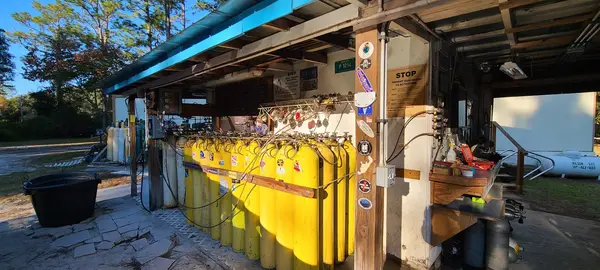
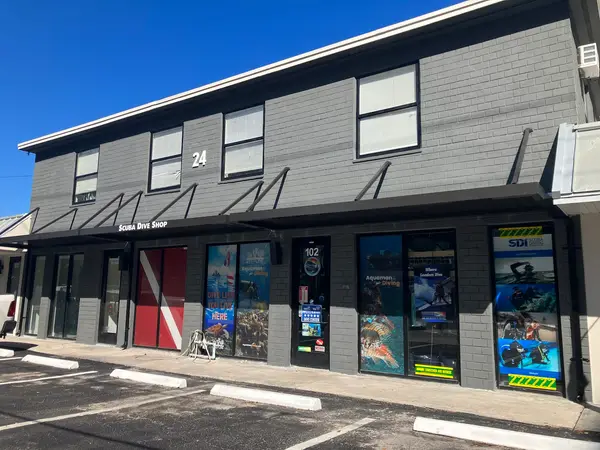
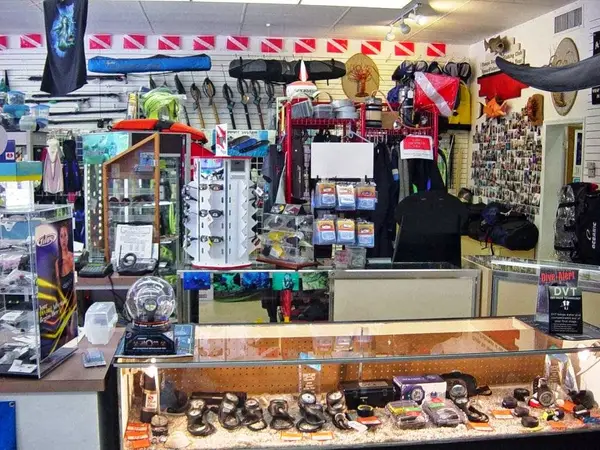
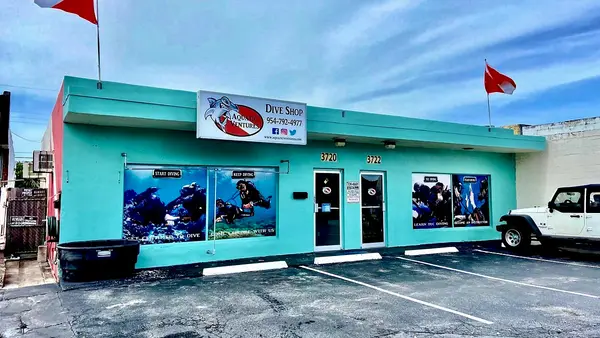


On the map
Dive shops in Florida
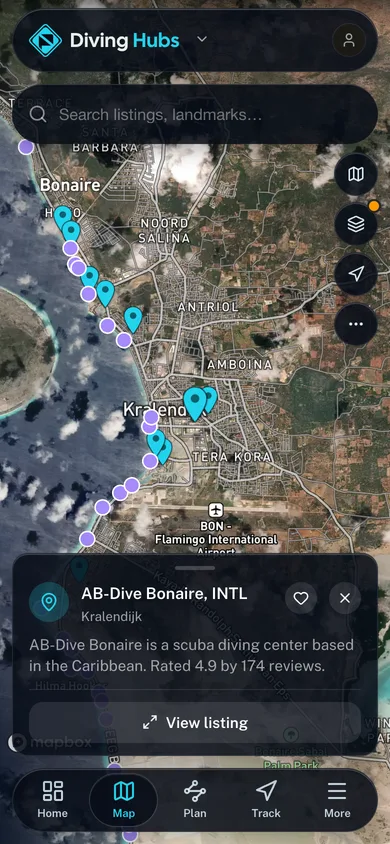
Everything we have mapped in Florida, on one map. Tap anything for its details.
Loads the full map of Florida. We leave it off by default so the page opens fast on mobile data.
About Florida
Quick facts
- Dive shops and charters listed
- 168
- Best season
- October through May
Trip guide
Know before you go in Florida
Federal permits, lotteries and timed-entry reservations in Florida, from Recreation.gov.
Confirm current requirements with the agency that sets them before your trip. Rules and fees change every season.
Dive Flag Requirements
Any person diving or snorkeling in Florida waters must display a dive flag. Divers must stay within 300 feet of a dive flag on open waters and within 100 feet in rivers, inlets, or navigation channels. Vessels must stay at least 300 feet away from a dive flag on open waters and 100 feet in rivers, inlets, or navigation channels. It is the diver's responsibility to ensure the flag is properly displayed and visible.
Spearfishing and Lobster Season
If planning to spearfish or harvest lobster while diving, a valid Florida saltwater fishing license with the appropriate endorsements is required. Specific regulations apply to gear, catch limits, and designated harvest seasons, particularly for spiny lobster. Spearfishing is prohibited in certain areas, including within the Florida Keys National Marine Sanctuary. Verify all current rules before engaging in these activities.
Boating Safety Education
While not directly a diving regulation, anyone operating a vessel in Florida who was born on or after January 1, 1988, must complete an approved boating safety course and possess a boating safety education identification card. This is relevant for divers operating their own dive boats. Many dive charters will have licensed captains, but private boaters must comply.
01What is the best time of year to dive in Florida?
02Do I need special certification for Florida's dive sites?
03Can I dive with sharks in Florida?
04Are there any shore diving opportunities in Florida?
05What kind of marine life can I expect to see?
06What are the typical water temperatures in Florida?
When to go
Season by season in Florida
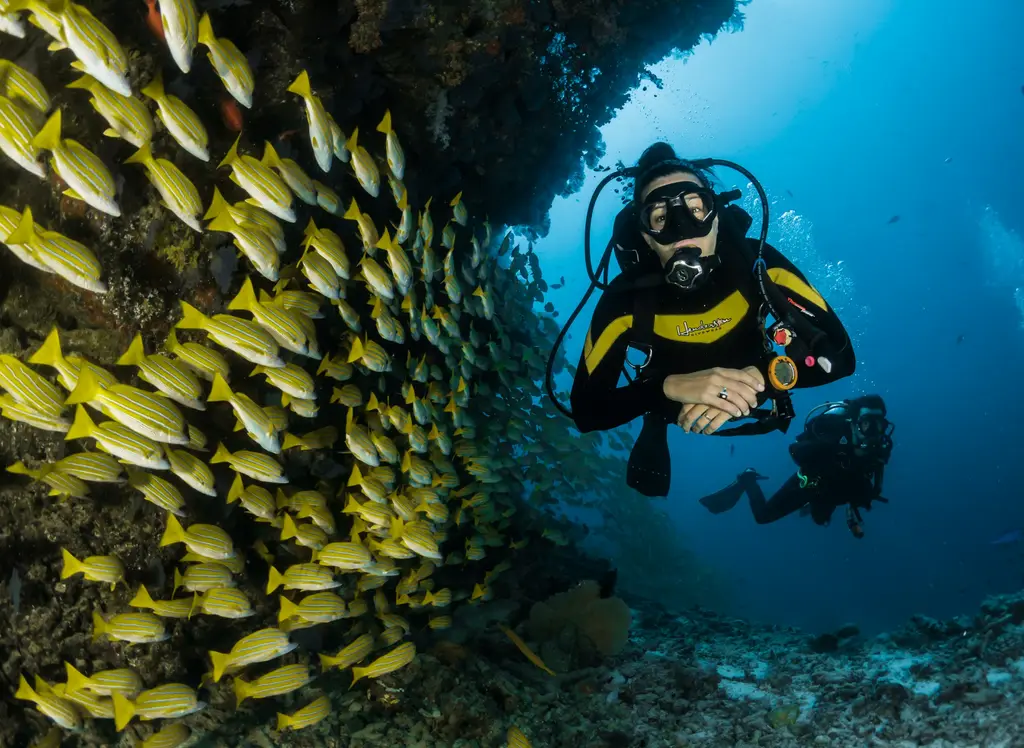
Spring (March-May)
Spring offers excellent diving conditions across Florida. Water temperatures begin to rise, particularly in the Keys and along the Atlantic coast. Visibility is generally very good, making it an ideal time for reef and wreck diving. Freshwater springs maintain consistent temperatures year-round.
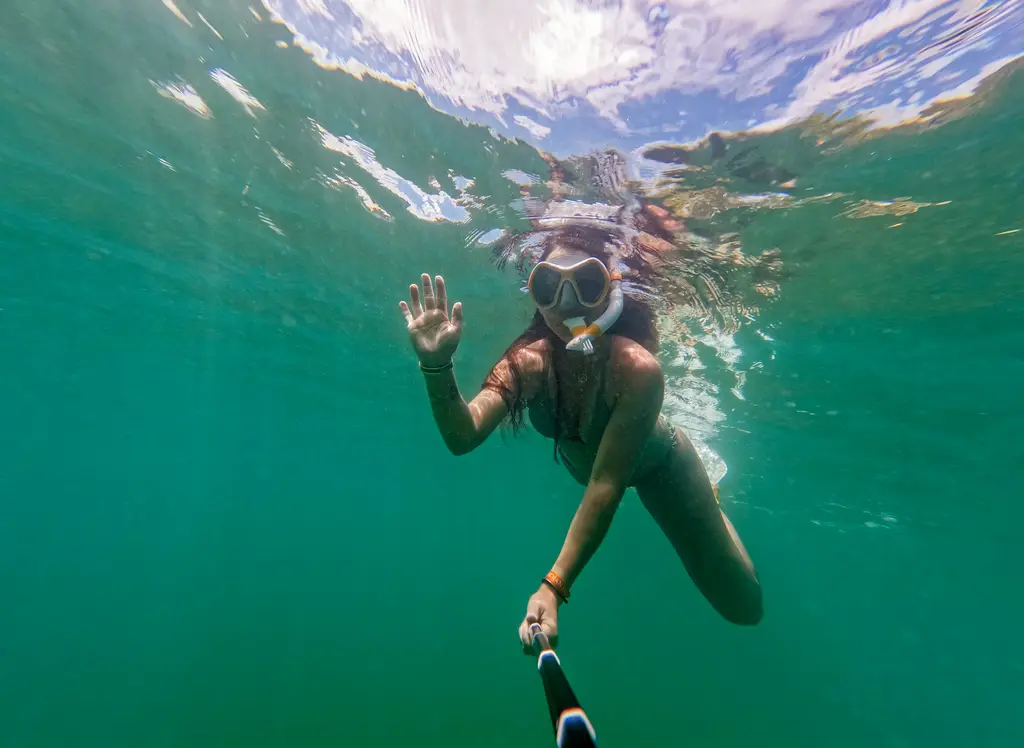
Summer (June-August)
Summer brings the warmest water temperatures, often reaching 85°F (29°C) in the Keys and Gulf. This is peak season for diving, though afternoon thunderstorms are common. Liveaboards and dive shops are fully operational, providing access to all major sites. Hurricane season begins, so monitoring weather forecasts is important.
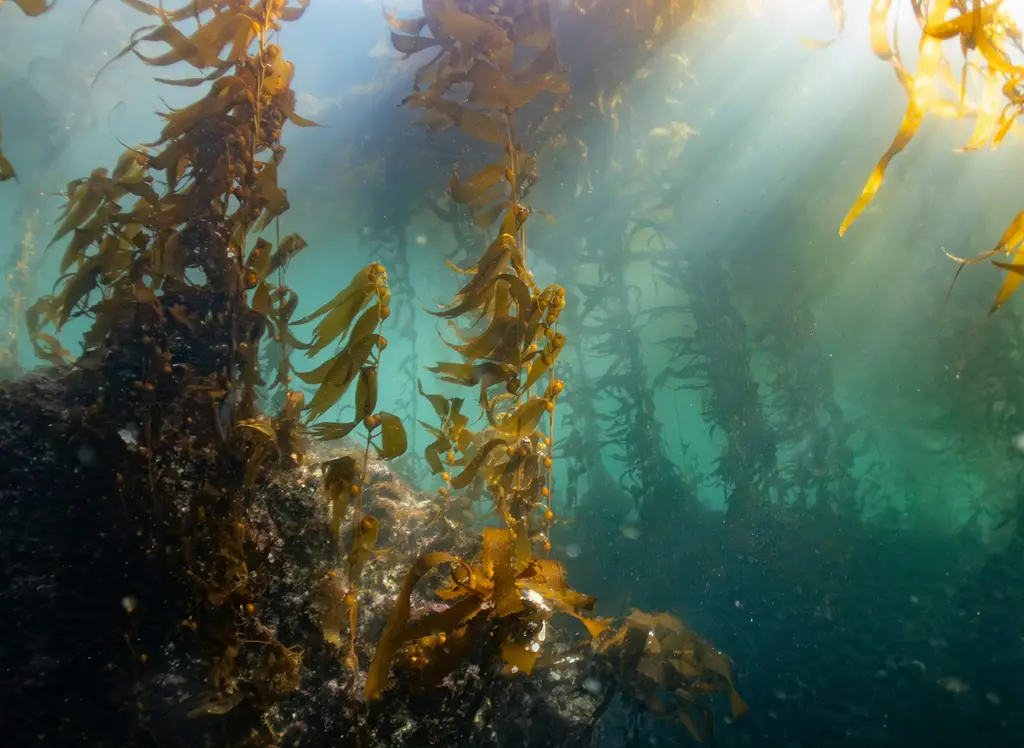
Fall (September-November)
Fall sees a decrease in tourist crowds and often offers calm seas following the peak hurricane season. Water temperatures remain pleasant into October, gradually cooling as winter approaches. Visibility often improves after summer's warmth, making it a favored time for many local divers.
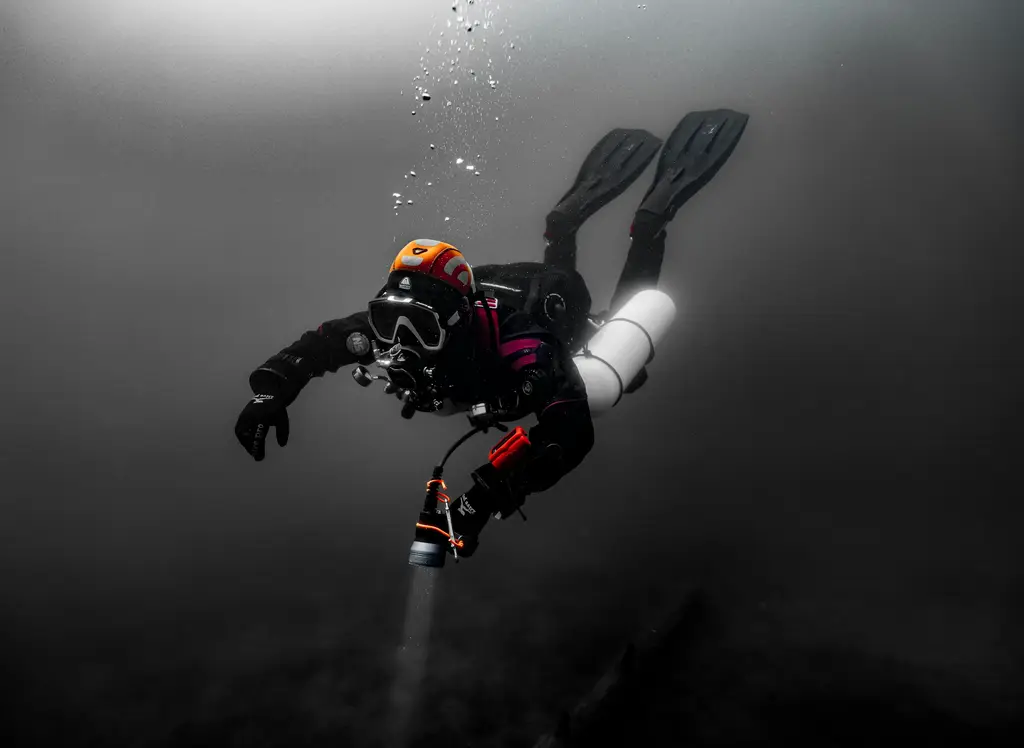
Winter (December-February)
Winter brings cooler air and water temperatures, especially in North and Central Florida. The Keys remain diveable with water temperatures around 70-75°F (21-24°C). This season is popular for manatee encounters in the freshwater springs. Exposure protection like 5mm wetsuits or drysuits is recommended for most regions.
Free tools