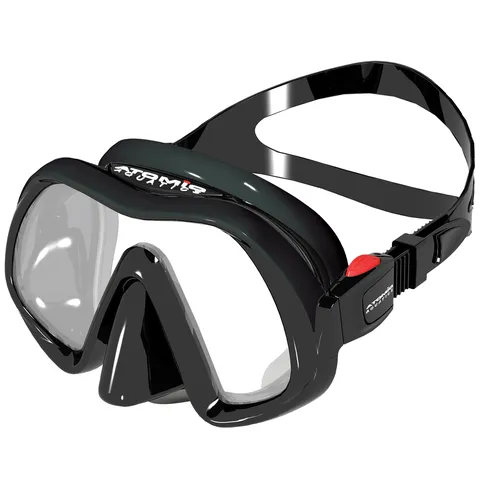
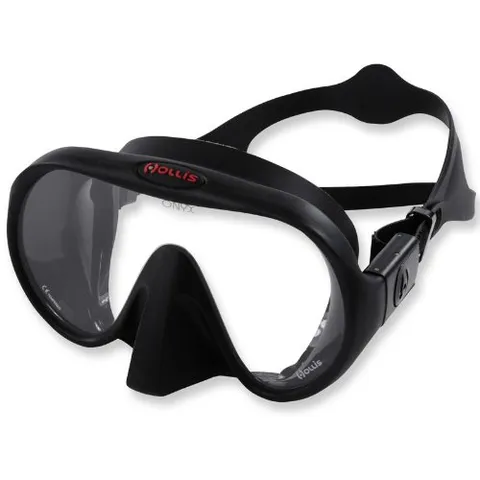
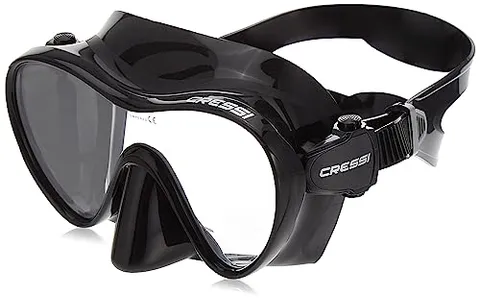
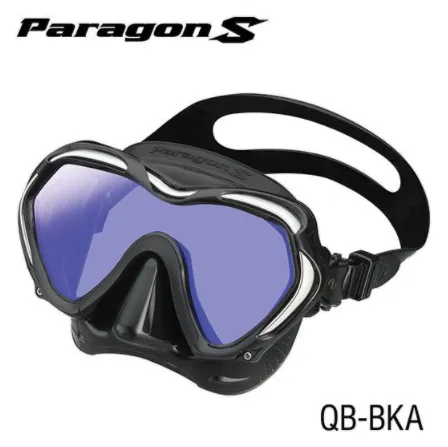
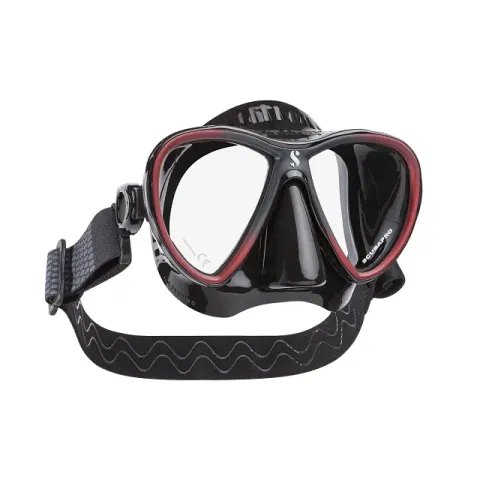
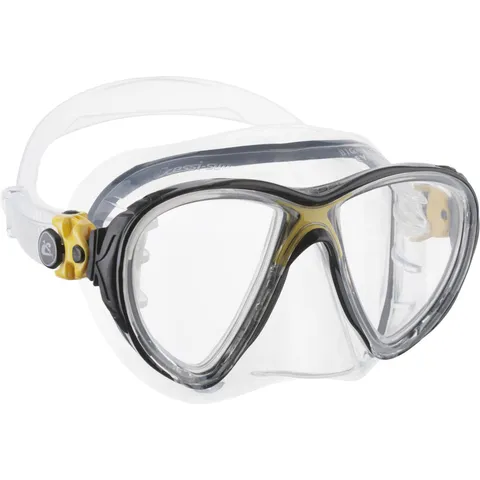
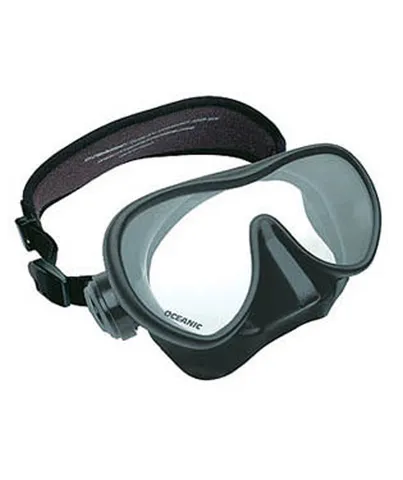
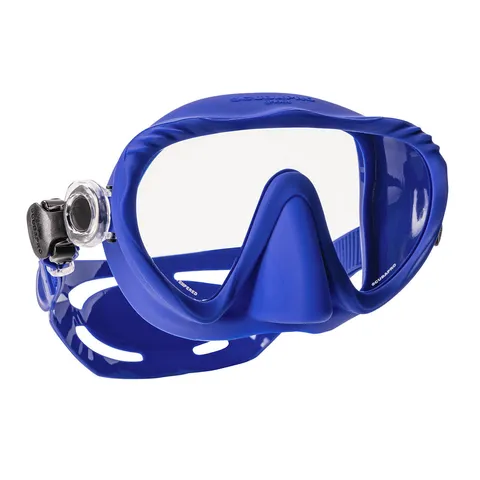
A scuba mask is the one piece of gear that stands between you and the reason you dive in the first place, the view. Get the fit wrong and you'll spend the dive clearing leaks and fighting fog; get it right and the mask effectively disappears. The frustrating part is that fit is deeply personal: a mask that seals perfectly on a friend's face may flood on yours, because the variable that matters most is how the silicone skirt meets the contours of your cheekbones, nose, and brow. That's also why buying blind on Amazon by star rating alone is a gamble: the reviews can't tell you whether a given skirt matches your face.
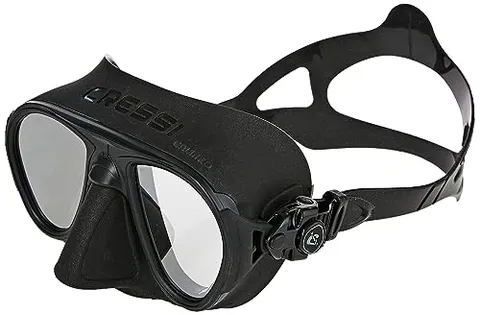
What the price spectrum actually buys you is more nuanced than "expensive = better." Below roughly $50 you get honest, dive-worthy masks with tempered-glass lenses and decent skirts, and the Cressi F1 has been a backup-mask staple for years. In the $80–$130 mid range you start paying for genuinely softer, multi-density silicone, lower internal volume, and better optical glass that clears easier at depth. Above $150 you're buying premium ultra-clear or low-iron glass, the supplest "surgical-grade" skirts that seal over stubble, and refinements like anti-reflective coatings, real improvements, but ones with diminishing returns for the average warm-water recreational diver.
This guide spans that whole range so you can shop deliberately. Every mask here is a real, currently available 2026 model that recreational divers actually buy, chosen to cover single-lens and dual-lens, framed and frameless, and budget through premium. Wherever possible, try before you buy, but if you can't, the notes below on fit, volume, and field of view will get you close.