Scuba Diving · Wisconsin
Scuba Diving in Wisconsin
Dive 18 dive shops and charters across Wisconsin. Maps, hours, contact info, photos, and verified operator profiles, all in one place.
Apostle Islands, the Driftless, and 15,000 lakes.
Updated
Highest rated
Scuba Diving in Wisconsin by Google rating
Ranked by Google rating, then by number of reviews, across the 12 of 18 dive shops and charters in Wisconsin with 10 or more Google reviews.
| Name | City | Rating |
|---|---|---|
| Divepoint Scuba & Adventure Center | Stevens Point | 5.021 Google reviews |
| Diver's Realm, Inc. | Appleton | 5.012 Google reviews |
| Underwater Connection | Menomonee Falls | 4.9235 Google reviews |
| Aquatic Adventures, Inc. | Brookfield | 4.9161 Google reviews |
| Diver Dan's Scuba & Aquatic Center | Kenosha | 4.940 Google reviews |
| Diversions Scuba | Madison | 4.935 Google reviews |
| Mountain Bay Scuba | Appleton | 4.848 Google reviews |
| Stillwater Diving, LLC | Delafield | 4.835 Google reviews |
All listings
18 dive shops and charters in Wisconsin




On the map
Dive shops in Wisconsin
Everything we have mapped in Wisconsin, on one map. Tap anything for its details.
Loads the full map of Wisconsin. We leave it off by default so the page opens fast on mobile data.
About Wisconsin
Quick facts
- Dive shops and charters listed
- 18
- Best season
- May through October
Trip guide
Know before you go in Wisconsin
Confirm current requirements with the agency that sets them before your trip. Rules and fees change every season.
Wisconsin Shipwreck Coast National Marine Sanctuary Rules
Diving within the sanctuary requires adherence to specific regulations, including using designated mooring buoys and refraining from disturbing or removing artifacts. These rules ensure the preservation of historical sites.
Boating Safety Education
Operators of motorized boats born on or after January 1, 1989, must complete a boating safety course to operate legally in Wisconsin waters. This applies to private boaters accessing dive sites, not typically to passengers on commercial charters.
Inland Waters Access
Diving in certain state parks or protected inland waters may require specific permits or adherence to park-specific rules. Always verify with the Wisconsin Department of Natural Resources or the local park office before planning a dive.
Artifact Removal
It is illegal to remove artifacts from historic shipwrecks in Wisconsin waters, including those within the National Marine Sanctuary. Wrecks are protected as historical sites, and their integrity must be maintained.
01What kind of scuba diving is available in Wisconsin?
02What are the typical water temperatures and visibility?
03What certification level do I need to dive in Wisconsin?
04Are there liveaboard diving operations in Wisconsin?
05When is the best time of year to go diving in Wisconsin?
06Are there any specific regulations for diving shipwrecks?
When to go
Season by season in Wisconsin
Spring
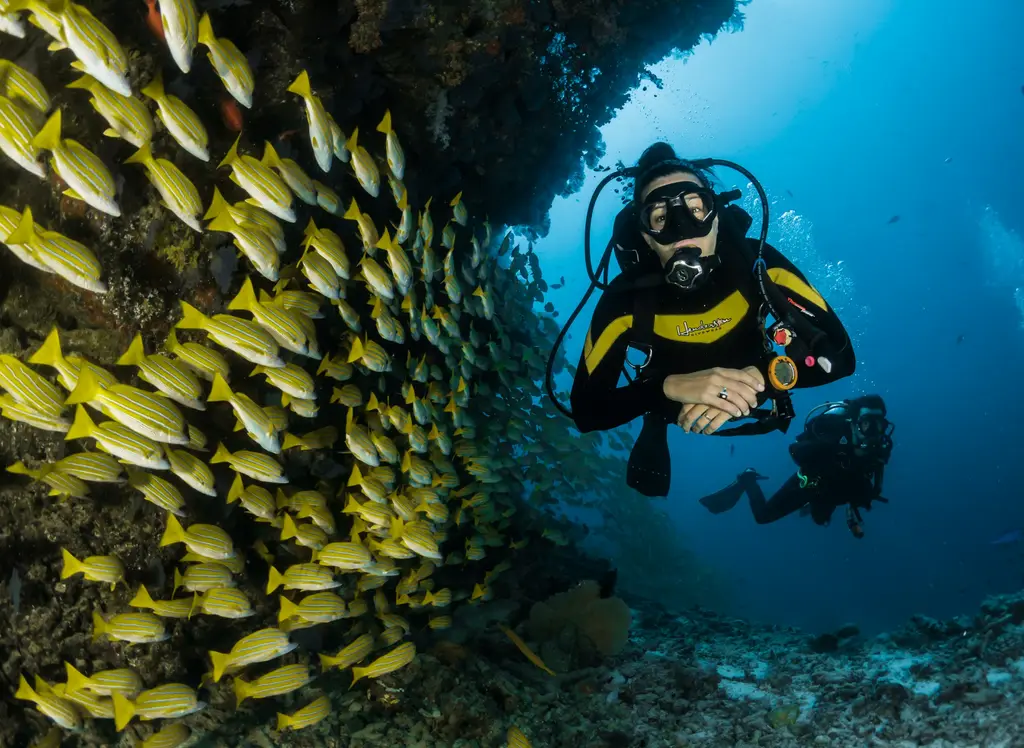
Water temperatures remain very cold, often near freezing, with potential for ice melt affecting visibility. Dive shops begin preparations, with limited charter operations starting late in the season, typically in May.
Summer
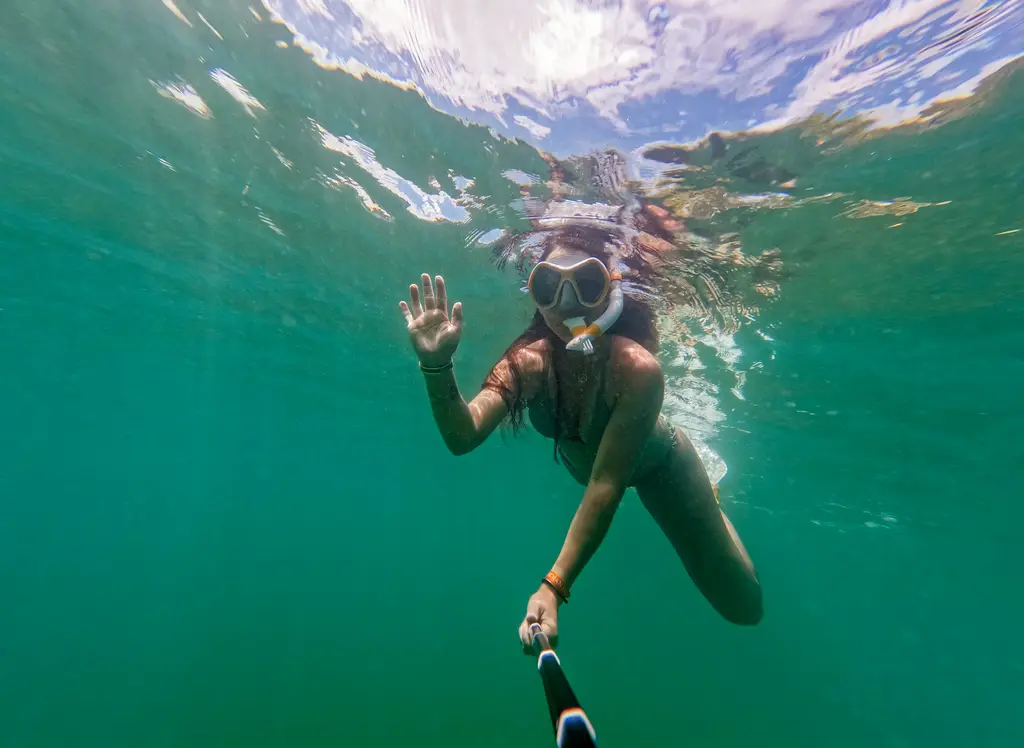
This is the peak diving season, with surface water temperatures reaching their warmest. Charters are fully operational, and conditions are generally optimal for exploring both Great Lakes shipwrecks and inland sites.
Fall
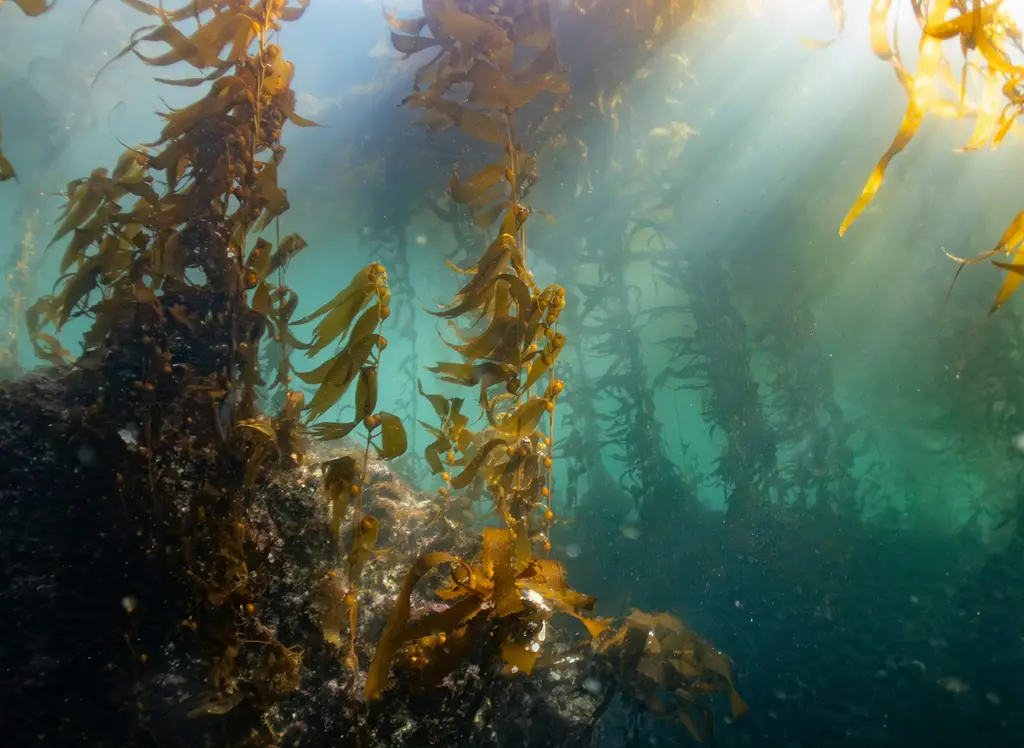
Water temperatures begin to drop, but excellent visibility often persists, especially in early fall. Crowds lessen, offering a more serene diving experience before many dive shops and charters close for the winter.
Winter
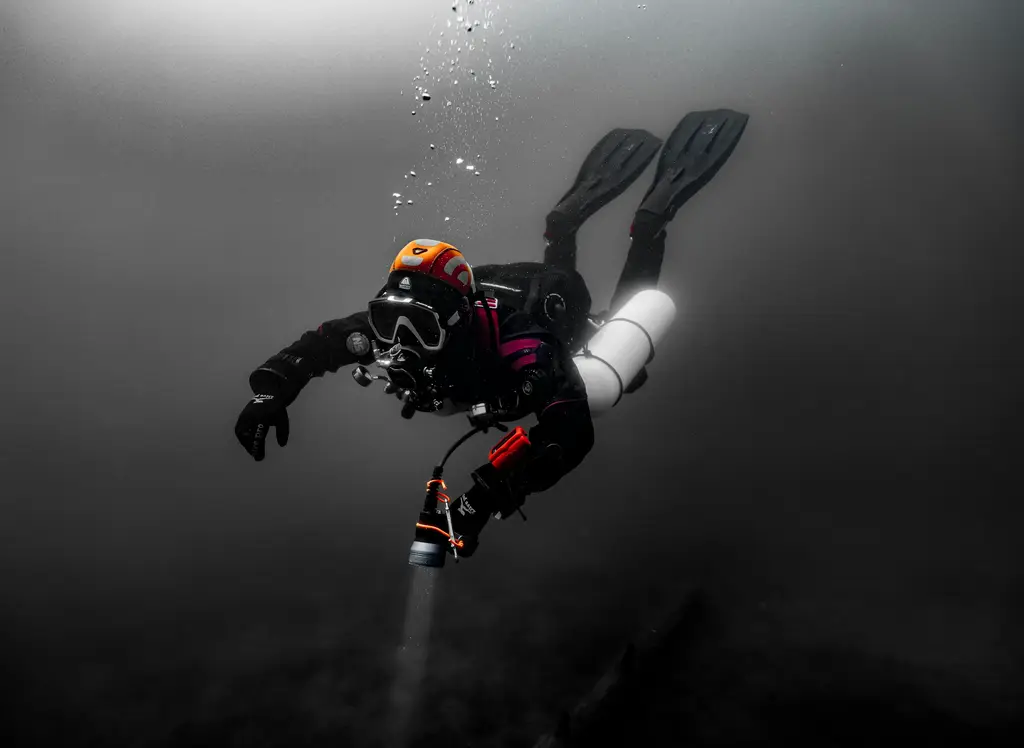
Ice diving is possible on some inland lakes for highly specialized and experienced divers. Most Great Lakes diving ceases as conditions become too harsh and ice formation makes access impossible.
Free tools
Your free outdoor toolkit

Keep exploring