Scuba Diving · Virginia
Scuba Diving in Virginia
Dive 20 dive shops and charters across Virginia. Maps, hours, contact info, photos, and verified operator profiles, all in one place.
Shenandoah, the Chesapeake, and the southern Appalachians.
Updated
Highest rated
Scuba Diving in Virginia by Google rating
Ranked by Google rating, then by number of reviews, across the 17 of 20 dive shops and charters in Virginia with 10 or more Google reviews.
| Name | City | Rating |
|---|---|---|
| Get Down Scuba | Richmond | 5.058 Google reviews |
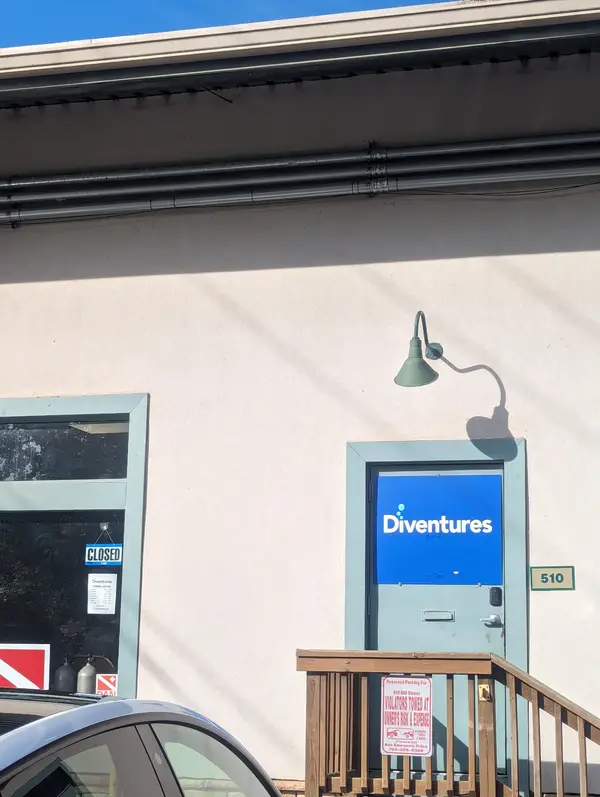
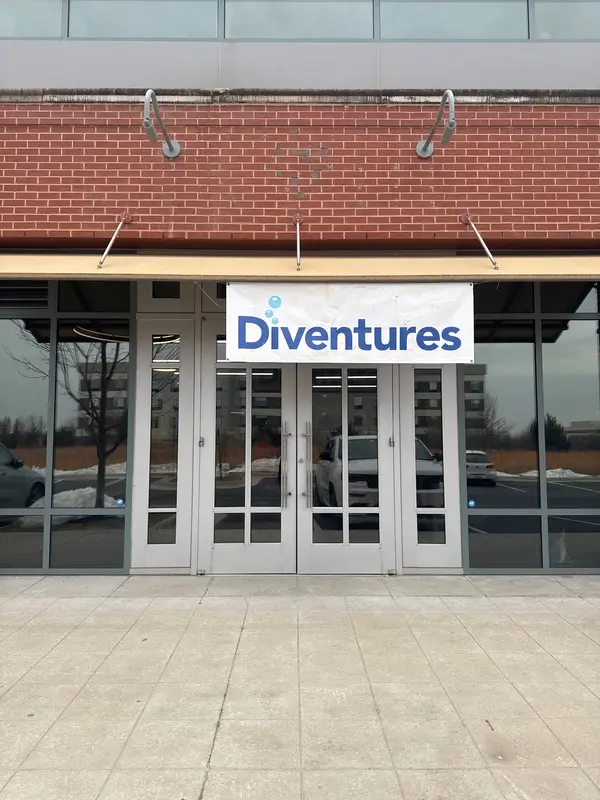
| Diventures | Vienna | 4.9218 Google reviews |
| Aquatic Adventures Scuba Academy | Springfield | 4.958 Google reviews |
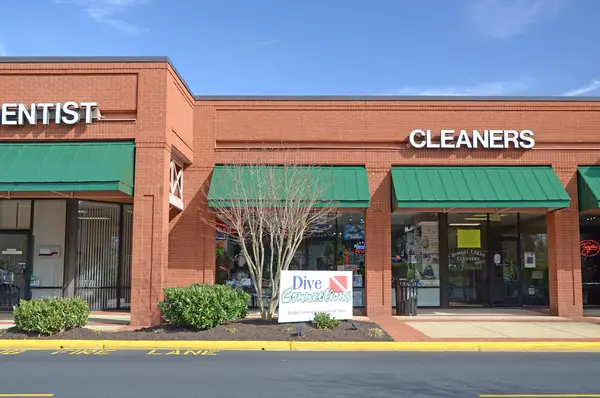
| Dive Connections | Charlottesville | 4.920 Google reviews |
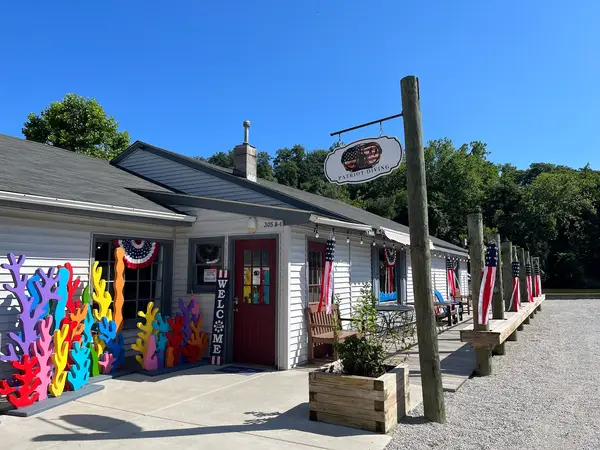
| Patriot Diving | Occoquan Historic District | 4.8155 Google reviews |
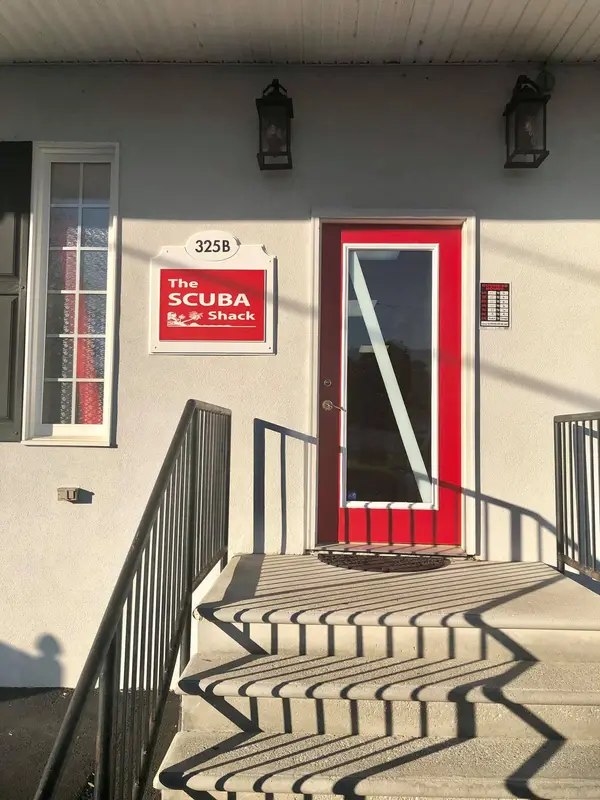
| Scuba Shack | Fredericksburg | 4.834 Google reviews |
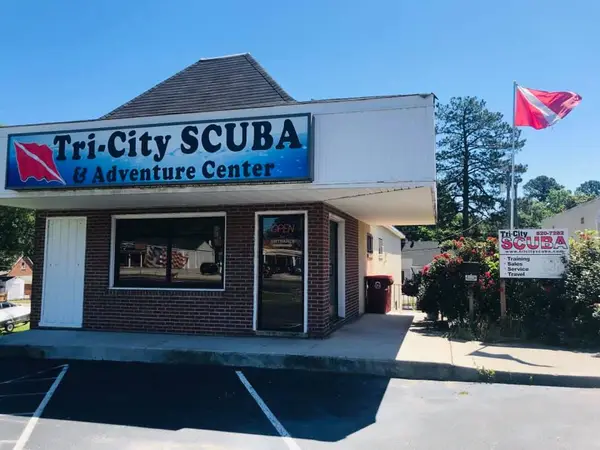
| Tri-City SCUBA | Colonial Heights | 4.834 Google reviews |
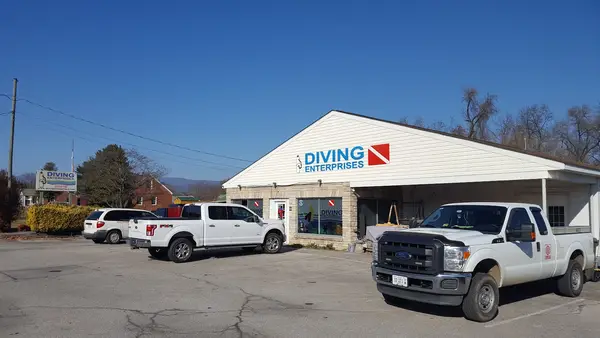
| Diving Enterprises, Ltd. | Salem | 4.732 Google reviews |
All listings
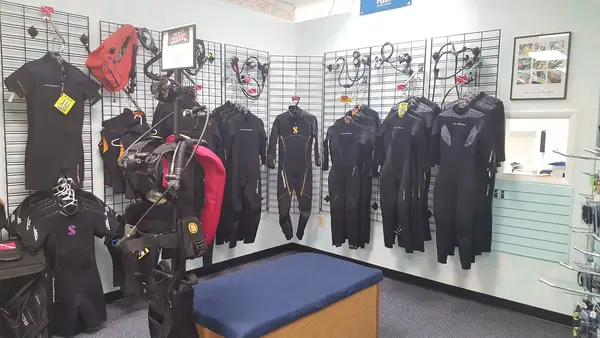
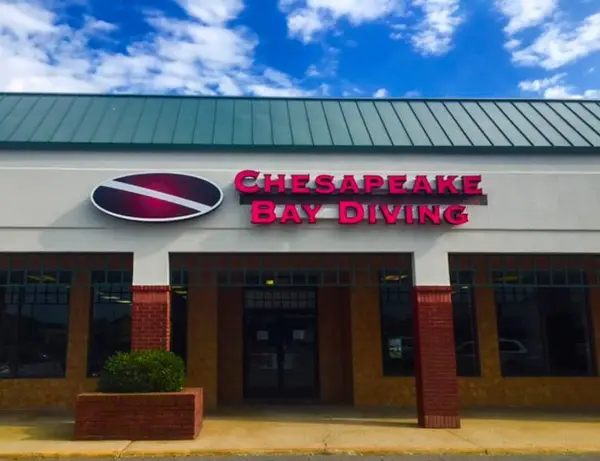
20 dive shops and charters in Virginia
On the map
Dive shops in Virginia
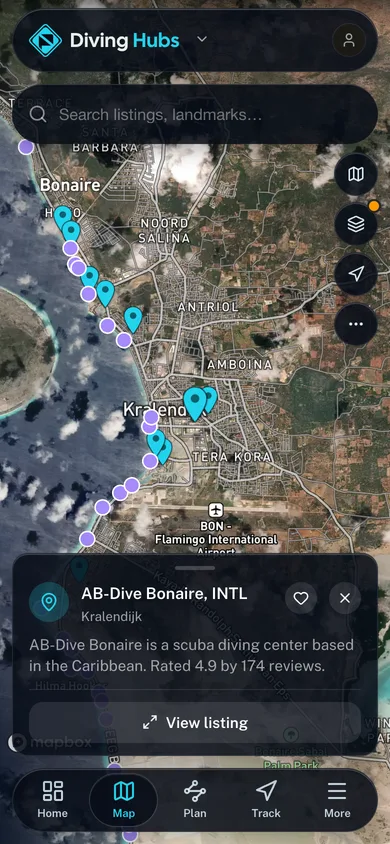
Everything we have mapped in Virginia, on one map. Tap anything for its details.
Loads the full map of Virginia. We leave it off by default so the page opens fast on mobile data.
About Virginia
Quick facts
- Dive shops and charters listed
- 20
- Best season
- April through November
Trip guide
Know before you go in Virginia
Confirm current requirements with the agency that sets them before your trip. Rules and fees change every season.
Boating Safety Education
Anyone operating a motorboat with a 10 horsepower or greater engine on Virginia waters must have a boating safety education certificate. This applies to dive boat operators and individuals using personal boats for diving.
Virginia DWR BoatingFishing and Shellfishing Licenses
If divers plan to engage in spear fishing or collecting shellfish, appropriate Virginia fishing or shellfishing licenses are required. Regulations vary by species and location, so verify with the Virginia Department of Wildlife Resources.
Virginia DWR FishingWreck Site Preservation
Virginia law protects historical and archaeological sites, including shipwrecks. It is illegal to disturb, remove, or salvage artifacts from state-owned submerged cultural resources without a permit. Divers should observe wrecks without disturbing them.
01What kind of diving is most popular in Virginia?
02When is the best time of year to scuba dive in Virginia?
03Do I need special certifications to dive Virginia's wrecks?
04Are there any good shore diving locations in Virginia?
05What is the typical water temperature and visibility for ocean dives?
06Are liveaboard diving trips available directly from Virginia?
When to go
Season by season in Virginia
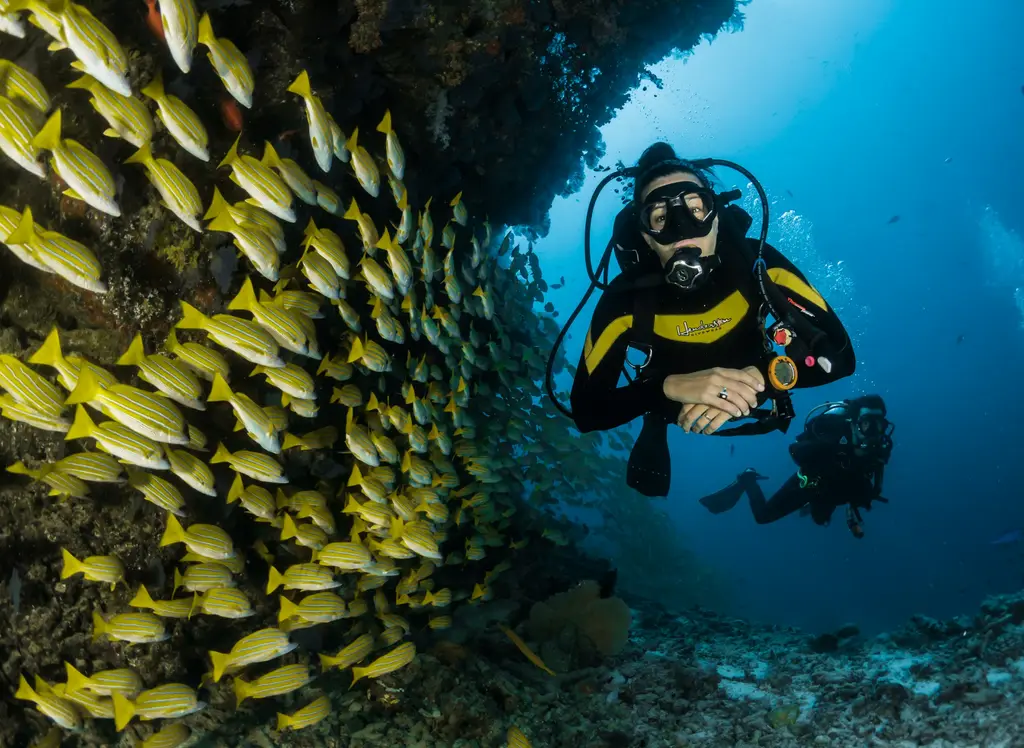
Spring (March-May)
Water temperatures begin to rise, improving visibility in the Atlantic. This season marks the start of regular boat charters to offshore wrecks, though cooler water still necessitates thicker exposure protection.
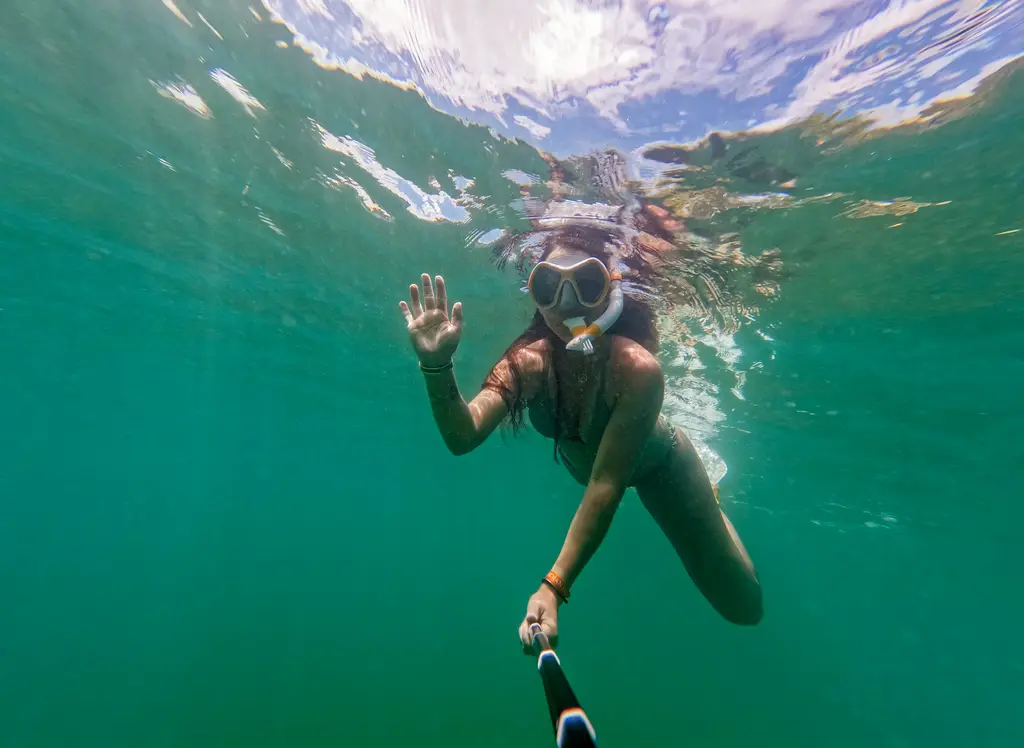
Summer (June-August)
The peak diving season. Water temperatures are at their warmest, reaching the low 70s Fahrenheit offshore, with the best visibility. Dive shops operate frequent trips to popular wreck sites during these months.
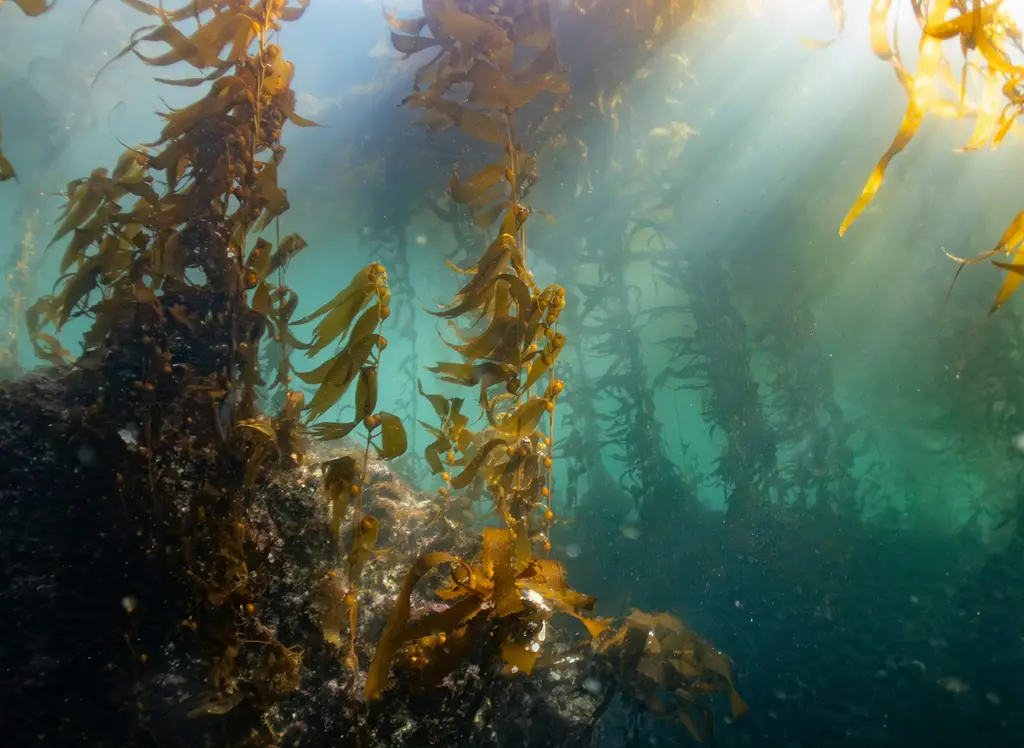
Fall (September-November)
Excellent diving conditions often persist into early fall. Water remains relatively warm, and visibility can be exceptional with fewer summer crowds. Cooler air temperatures become a factor, especially after dives.
Winter (December-February)
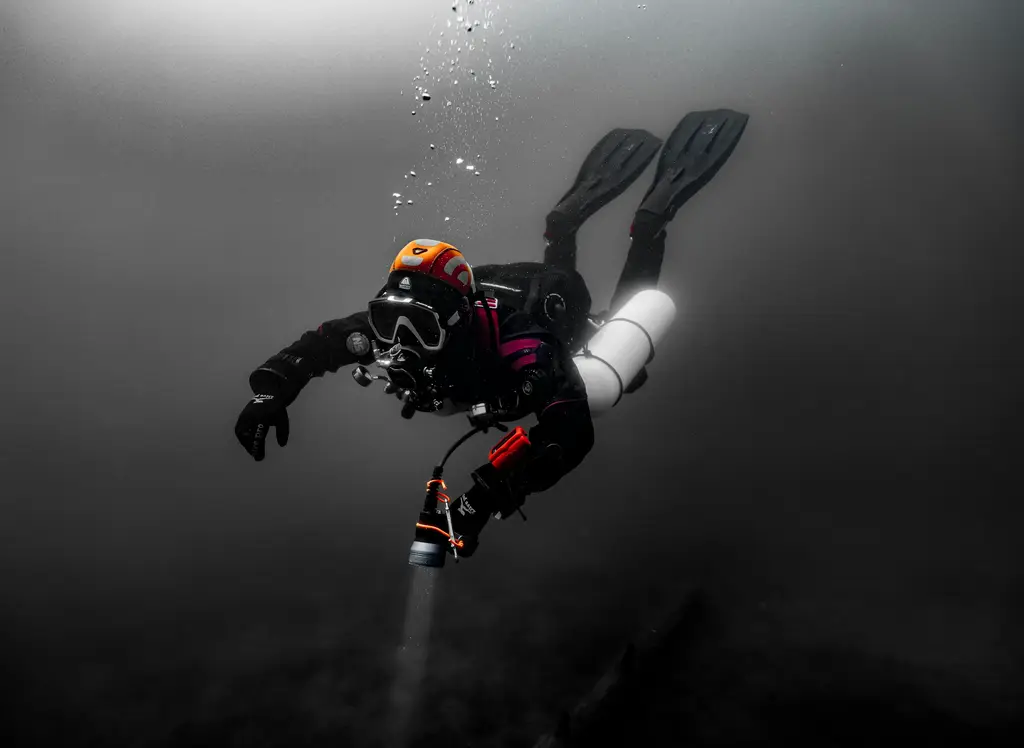
Ocean diving is significantly limited due to cold water and challenging surface conditions. Inland quarries may offer cold-water diving opportunities for drysuit-certified divers, but many local divers travel to warmer destinations.
Free tools
Your free outdoor toolkit

Keep exploring