Scuba Diving · Rhode Island
Scuba Diving in Rhode Island
Dive 7 dive shops and charters across Rhode Island. Maps, hours, contact info, photos, and verified operator profiles, all in one place.
Narragansett Bay, the Block Island Sound, and 400 miles of coast.
Updated
Highest rated
Scuba Diving in Rhode Island by Google rating
Ranked by Google rating, then by number of reviews, across all 7 dive shops and charters listed in Rhode Island.
| Name | City | Rating |
|---|---|---|
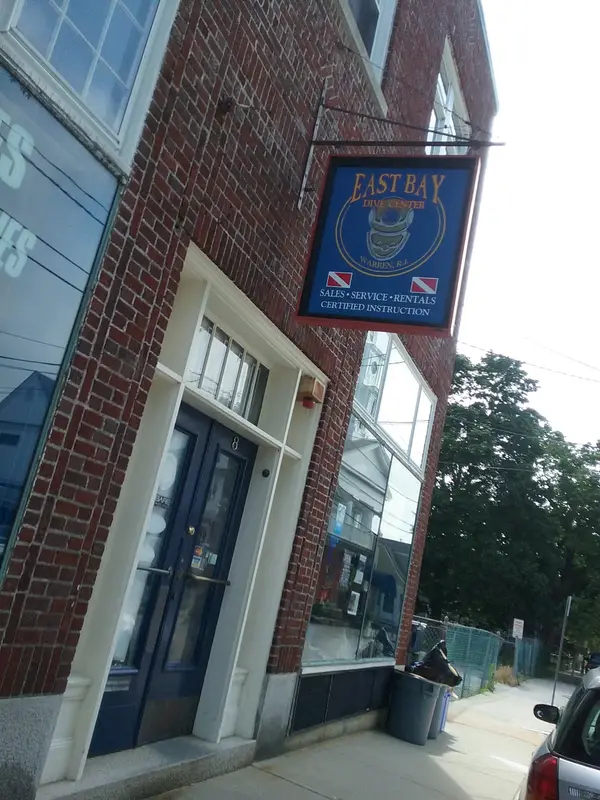
| East Bay Dive Center Inc | Warren | 4.817 Google reviews |
| Quahog Dive Center | Warwick | 4.816 Google reviews |
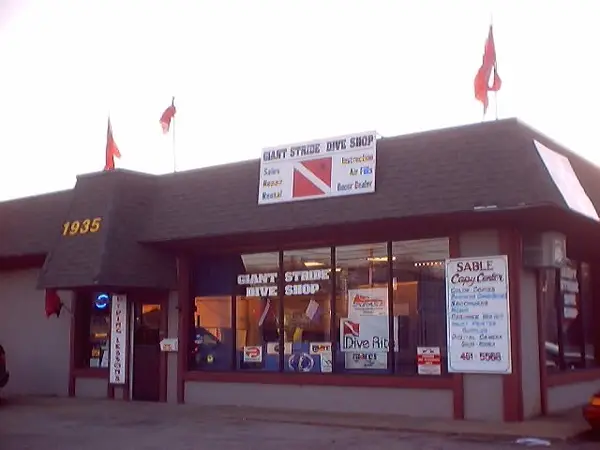
| Giant Stride Dive Shop Inc | Warwick | 4.778 Google reviews |
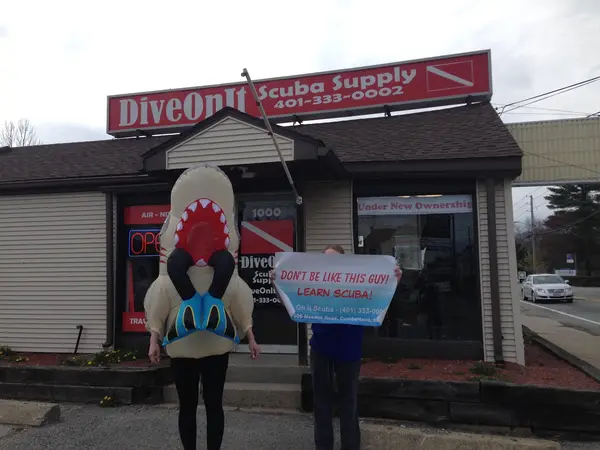
| Dive On It Scuba | Cumberland | 4.770 Google reviews |
| Pods Swimming | East Providence | 4.6223 Google reviews |
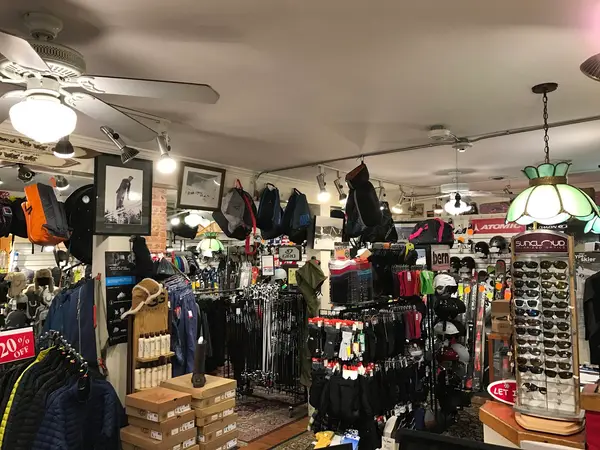
| Anderson's Ski & Dive Center | East Greenwich | 4.393 Google reviews |
| Bubbles Dive Center | Newport | 4.012 Google reviews |
All listings
7 dive shops and charters in Rhode Island


On the map
Dive shops in Rhode Island
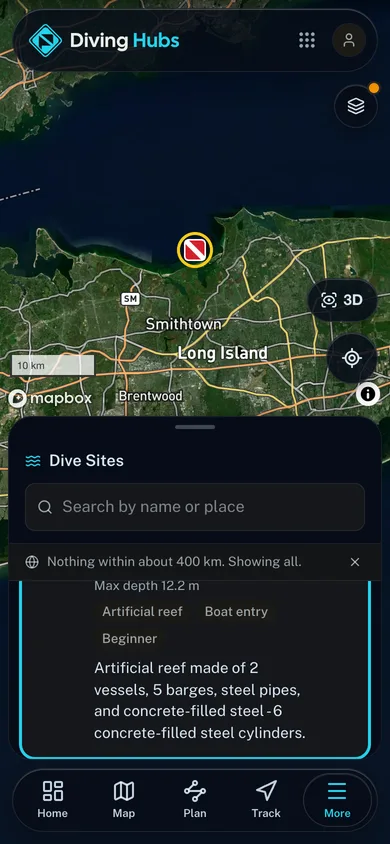
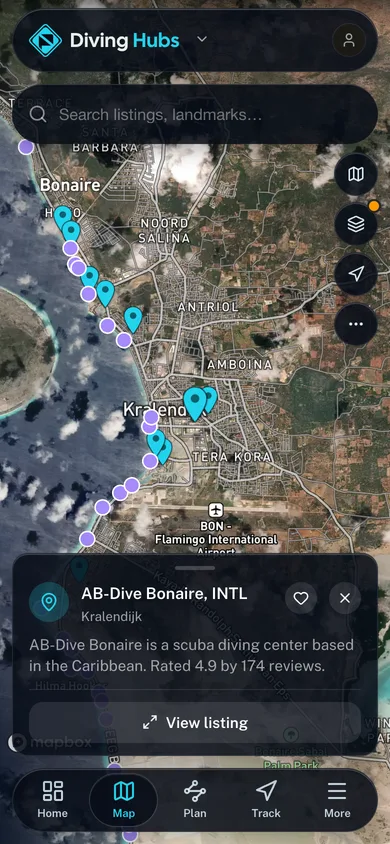
Everything we have mapped in Rhode Island, on one map. Tap anything for its details.
Loads the full map of Rhode Island. We leave it off by default so the page opens fast on mobile data.
About Rhode Island
Quick facts
- Dive shops and charters listed
- 7
- Best season
- May through October
Trip guide
Know before you go in Rhode Island
Confirm current requirements with the agency that sets them before your trip. Rules and fees change every season.
Boater Education for Operators
Anyone operating a motorized vessel, including dive boats, in Rhode Island waters must complete a boating safety course if born after January 1, 1986. This applies to private boat owners and may be required for charter operators as well. Verify specific requirements with the Rhode Island Department of Environmental Management (RIDEM).
Fishing and Spearfishing Licenses
A Rhode Island fishing license is required for any person 16 years of age or older engaging in recreational fishing, including spearfishing, in state waters. This license is necessary even if only harvesting marine life encountered during a dive. Licenses can be purchased online or from authorized agents.
Marine Sanctuary and Wreck Etiquette
While Rhode Island does not have extensive specific marine sanctuaries impacting dive sites, general rules of responsible diving apply. Do not disturb marine life, remove artifacts from wrecks, or damage historical sites. Always use established mooring buoys if available or deploy anchor carefully to avoid damaging wrecks or sensitive habitats. Respect the historical significance of all submerged cultural resources.
01What kind of diving is most common in Rhode Island?
02What are the typical water temperatures and visibility?
03What exposure protection do I need for diving in Rhode Island?
04Are there any good shore diving sites in Rhode Island?
05What certifications are recommended for diving in Rhode Island?
06Can I expect to see much marine life on Rhode Island dives?
When to go
Season by season in Rhode Island
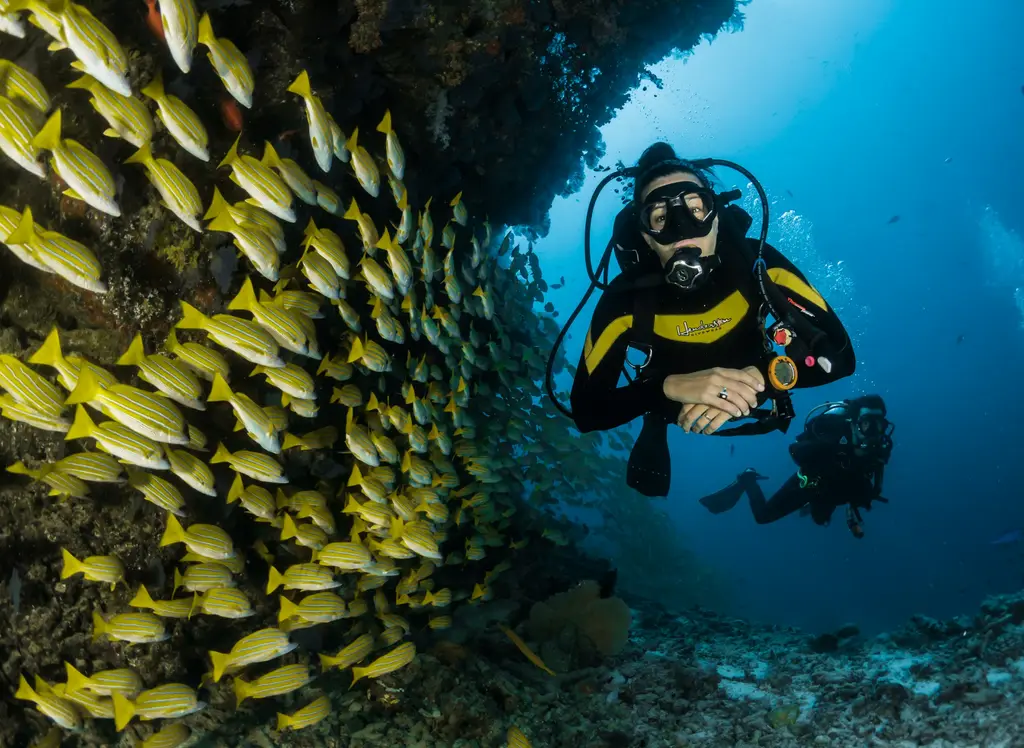
Spring (April–June)
Water temperatures begin to rise slowly, improving conditions for diving. Visibility can be variable, but many dive shops start their charter seasons, offering access to shallower wrecks within Narragansett Bay.
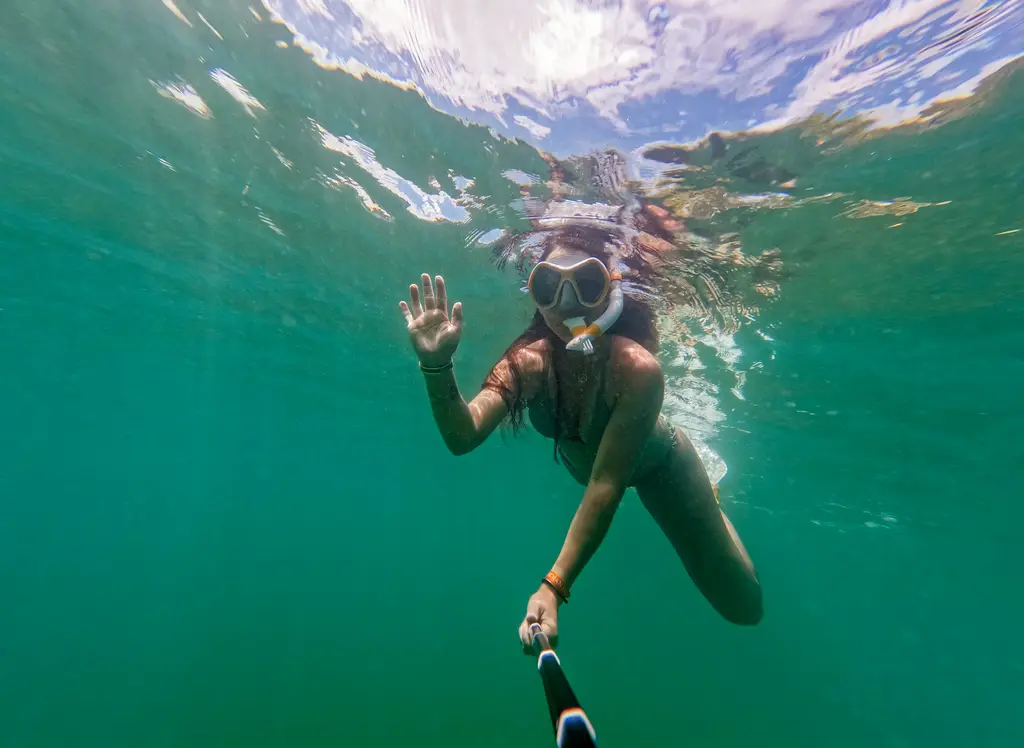
Summer (July–August)
This is peak diving season, with the warmest water temperatures and generally better visibility. Charters to both bay and offshore wrecks are frequent, accommodating a wider range of divers seeking the best conditions.
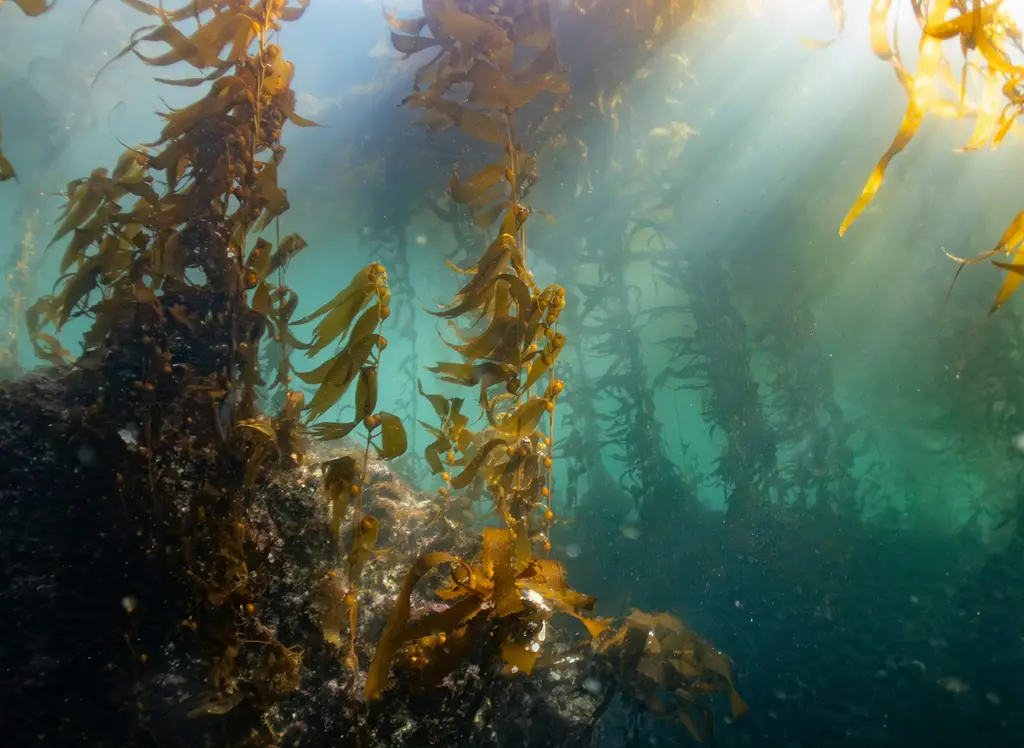
Fall (September–November)
Water temperatures gradually cool, but visibility often remains excellent after the summer plankton blooms subside. Fewer crowds and crisp air make for pleasant diving, particularly for offshore sites before winter sets in.
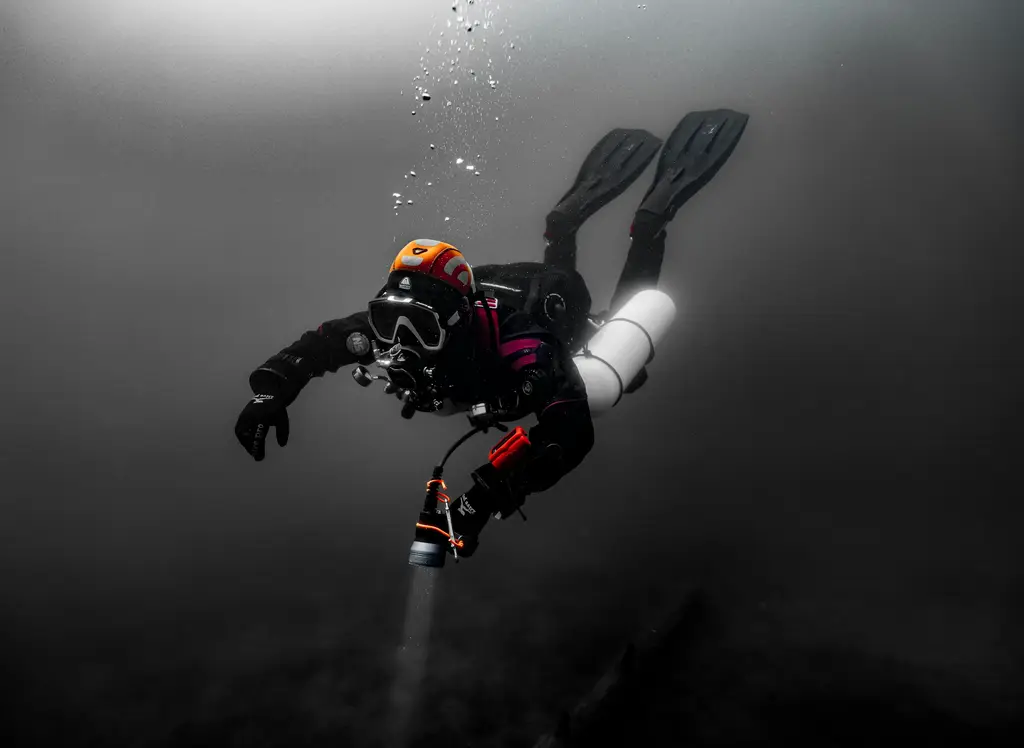
Winter (December–March)
Diving in winter is limited due to very cold water and harsh weather conditions. Only highly experienced drysuit divers typically venture out, often targeting specific wrecks during rare calm weather windows. Many dive shops reduce or cease operations.
Free tools