Skip to content
Massachusetts diving. Backdrop for the Diving Hubs Massachusetts dive shop directory

Scuba Diving · Massachusetts

Scuba Diving in Massachusetts

Dive 22 dive shops and charters across Massachusetts. Maps, hours, contact info, photos, and verified operator profiles, all in one place.

Cape Cod, the Berkshires, and the Quabbin.

About Massachusetts

Massachusetts offers a distinctive cold-water diving experience, characterized by its rich maritime history and robust marine ecosystems. The state's Atlantic coast, particularly around Cape Ann and the South Shore, serves as a gateway to numerous shipwrecks and diverse underwater landscapes. Dive shops in coastal towns like Gloucester, Rockport, and Boston are central to accessing these sites, providing essential gear, training, and charter services. Divers venturing into these waters will encounter conditions that demand proper preparation and specialized equipment, but the rewards include historical artifacts and vibrant North Atlantic marine life.

The primary draw for scuba diving in Massachusetts is its extensive collection of historical shipwrecks, ranging from colonial-era vessels to modern fishing trawlers. Many of these wrecks are found within Massachusetts Bay and offshore areas, including the Stellwagen Bank National Marine Sanctuary. These sites are not only fascinating historical capsules but also act as artificial reefs, attracting a variety of fish, invertebrates, and seals. Dive operators regularly run trips to these popular wreck sites, catering to divers with varying levels of experience, though many of the more significant wrecks require advanced certifications.

While liveaboard expeditions are not a typical offering for Massachusetts diving, local dive shops provide comprehensive services that effectively support multi-day diving trips. These shops are crucial for arranging charters to distant sites, offering equipment rentals, air fills, and guided dives. They also serve as community hubs where divers can connect with local experts and learn about current conditions and lesser-known dive spots. For those seeking to explore the unique underwater heritage and natural beauty of the New England coast, Massachusetts presents a challenging yet deeply rewarding destination.

22 on the map

Loading map…

Tap a pin to open its profile.

Quick facts

Dive shops and charters listed
22
Best season
May through October

All listings

22 dive shops and charters

across Massachusetts

All states

Get listed free

Run a dive shop in Massachusetts? Add it to Diving Hubs. Free, no commission.

Add your listing

Plan your trip

Plan your trip to Massachusetts

Water Conditions and Exposure Protection

Diving in Massachusetts is primarily a cold-water experience. Water temperatures range from 40–50°F in spring and fall, to 55–65°F in summer, and 35–45°F in winter. Visibility can vary greatly, from 10 feet to over 50 feet on exceptional days. A drysuit is highly recommended for year-round diving, with a 7mm wetsuit suitable only for peak summer months.

Certification Levels

Many of Massachusetts' signature dive sites, especially the deeper historical wrecks in Stellwagen Bank and offshore, require Advanced Open Water or even technical diving certifications. Shore dives and shallower sites like Folly Cove or Rockport's Back Beach are accessible to Open Water certified divers, but cold water experience is crucial.

Access to Dive Sites

The majority of significant wreck and reef diving in Massachusetts is boat-accessed. Dive shops in Gloucester, Rockport, and the Boston area operate regular charters. Shore diving opportunities are limited but exist at locations such as Folly Cove and Back Beach in Rockport, and some jetties along the coast.

Stellwagen Bank National Marine Sanctuary

A significant portion of prime diving occurs within the Stellwagen Bank National Marine Sanctuary. Divers must adhere to sanctuary regulations, including no disturbing or removing artifacts from shipwrecks. Mooring buoys are often available at popular sites to prevent anchor damage to sensitive habitats; always use designated moorings where provided.

Primary Dive Focus

Massachusetts diving is renowned for its historical shipwrecks, offering a unique blend of maritime history and artificial reef ecosystems. While there are some natural rocky reefs, the state is not known for coral reefs or extensive cavern systems. Divers should anticipate exploring the remains of vessels and the marine life they attract.

Confirm current requirements with the state agency before your trip. Rules and fees change every season.

  • Saltwater Fishing Permit for Spearfishing

    Any diver engaging in spearfishing for finfish in Massachusetts' marine waters must possess a valid Massachusetts Saltwater Fishing Permit. This permit is required regardless of whether fishing from shore or a vessel. Check with the state agency for current regulations on species, seasons, and size limits.

    MassWildlife
  • Boating Safety Education for Operators

    While Massachusetts does not require a general boating license, operators of recreational vessels born after January 1, 1989, must complete an approved boating safety course to operate a motorboat or PWC. This applies to divers operating their own dive boats.

    Massachusetts Environmental Police
  • Marine Sanctuary Regulations

    Diving within the Stellwagen Bank National Marine Sanctuary requires adherence to specific rules, including prohibitions against disturbing marine life, historical artifacts, or sanctuary resources. Removing any items from shipwrecks or the seabed is strictly forbidden. Divers should familiarize themselves with these regulations before visiting.

  1. 01

    Research Dive Shops and Charters

    Begin by identifying dive shops in coastal towns like Gloucester, Rockport, or Boston. These shops are your primary resource for gear, air fills, and booking boat charters to desired dive sites.

  2. 02

    Obtain Appropriate Certifications

    Many of Massachusetts' best dive sites are deep or in challenging conditions. Ensure you have at least an Advanced Open Water certification, and consider drysuit and wreck diving specialties for maximum access and comfort.

  3. 03

    Prepare for Cold Water Diving

    Invest in or rent suitable exposure protection, primarily a drysuit with appropriate undergarments. Cold water diving requires specific training and equipment to ensure safety and enjoyment.

  4. 04

    Book Your Dive Trips in Advance

    Especially during the peak summer and fall seasons, dive charters to popular wrecks and sites fill up quickly. Book your spots with dive shops well in advance to secure your preferred dates.

  5. 05

    Review Local Regulations and Conditions

    Familiarize yourself with any specific regulations for areas like Stellwagen Bank National Marine Sanctuary. Always check local weather and sea conditions before heading out, as they can change rapidly.

01What is the best time of year to dive in Massachusetts?
The peak diving season in Massachusetts is from June through October. During these months, surface water temperatures are at their warmest, and visibility is generally at its best. Fall often offers excellent visibility with fewer divers, though water temperatures begin to drop.
02What kind of marine life can I expect to see?
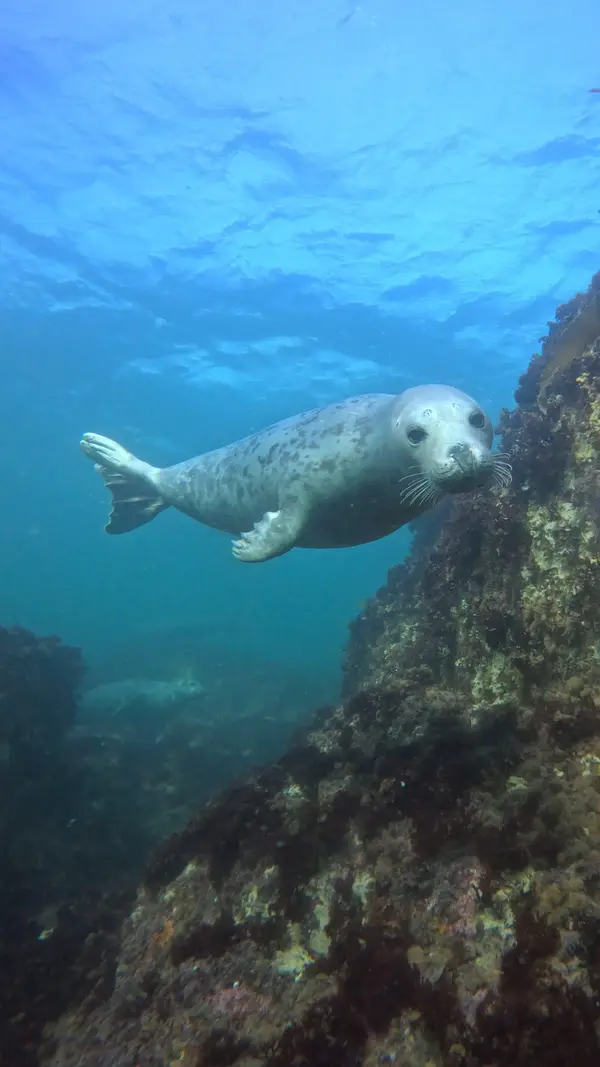
Divers in Massachusetts can encounter a variety of North Atlantic marine life. This includes lobsters, crabs, various species of fish like cod and pollock, wolfish, and sometimes seals. The Stellwagen Bank National Marine Sanctuary is also a feeding ground for whales, though underwater encounters are rare and protected.
03Are there any liveaboard diving options in Massachusetts?
Liveaboard diving is not a common offering in Massachusetts. Most diving is conducted via day charters operated by local dive shops. Divers typically stay in hotels or other accommodations on shore and commute to the dive shop for their daily excursions.
04What certification level do I need for diving in Massachusetts?
An Open Water certification is sufficient for some shallower shore dives and entry-level boat dives. However, to access the majority of the popular shipwreck sites, particularly those offshore or in deeper waters, an Advanced Open Water certification is generally required. Drysuit and wreck diving specialties are highly recommended.
05What are the typical water temperatures and visibility?
Water temperatures range from 35-45°F in winter, 40-50°F in spring, 55-65°F in summer, and 45-60°F in fall. Visibility can vary significantly, from 10 feet on murkier days to over 50 feet on exceptionally clear days, with an average often around 20-30 feet.
06Are there good shore diving sites in Massachusetts?
While Massachusetts is primarily known for boat diving, there are several popular shore diving sites. Folly Cove and Back Beach in Rockport are well-known for their relatively easy access and interesting rocky bottom topography. These sites are good for training and experiencing local marine life without a boat charter.

When to go

Season by season in Massachusetts
Spring (April-May)

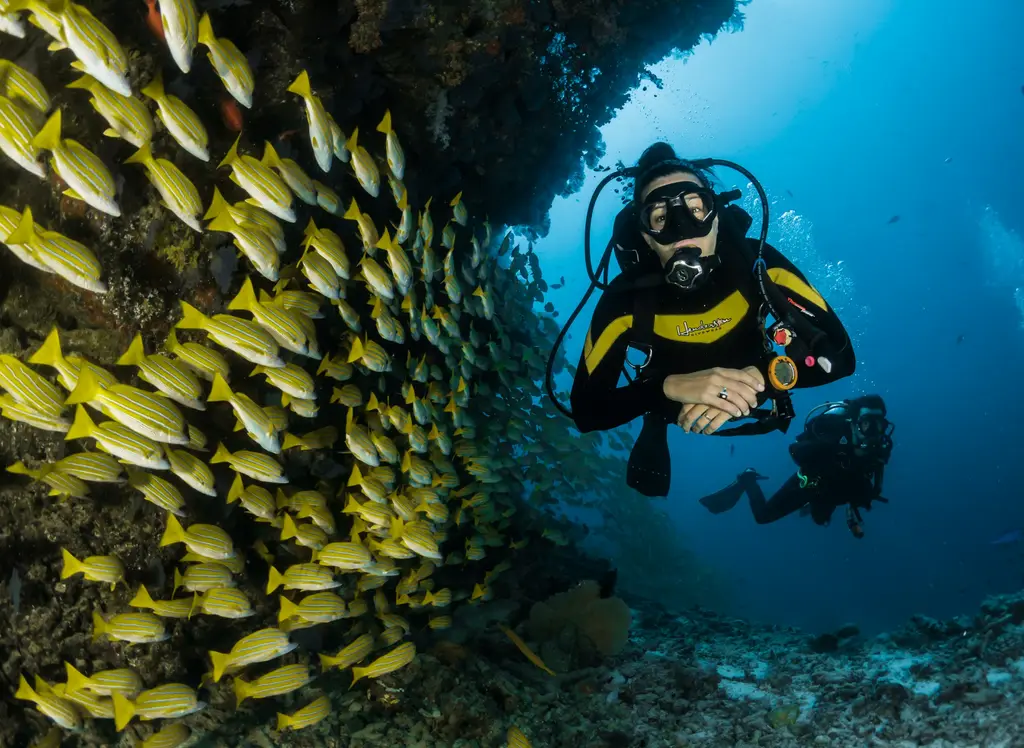
Water temperatures remain cold, typically in the low 40s to low 50s Fahrenheit. Visibility can be variable due to plankton blooms, but early spring offers opportunities for hardy divers to explore sites before the peak season.
Summer (June-August)

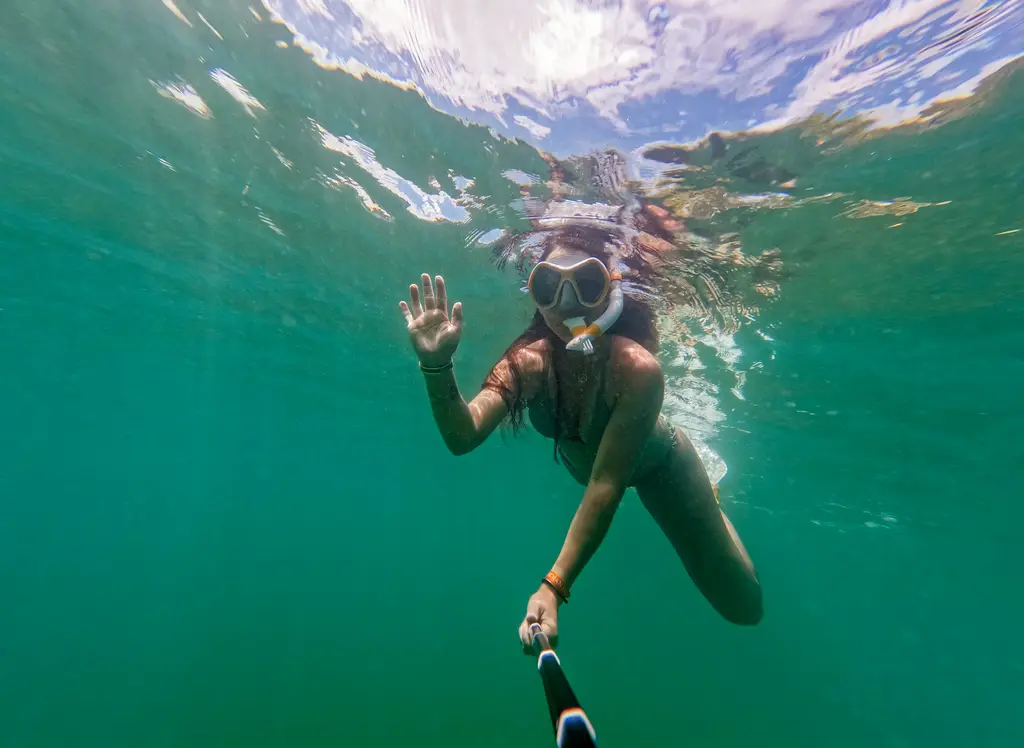
This is the peak diving season, with surface water temperatures reaching the mid-50s to low 60s Fahrenheit. Visibility is generally at its best, and dive shops run frequent charters to popular wreck and reef sites.
Fall (September-November)

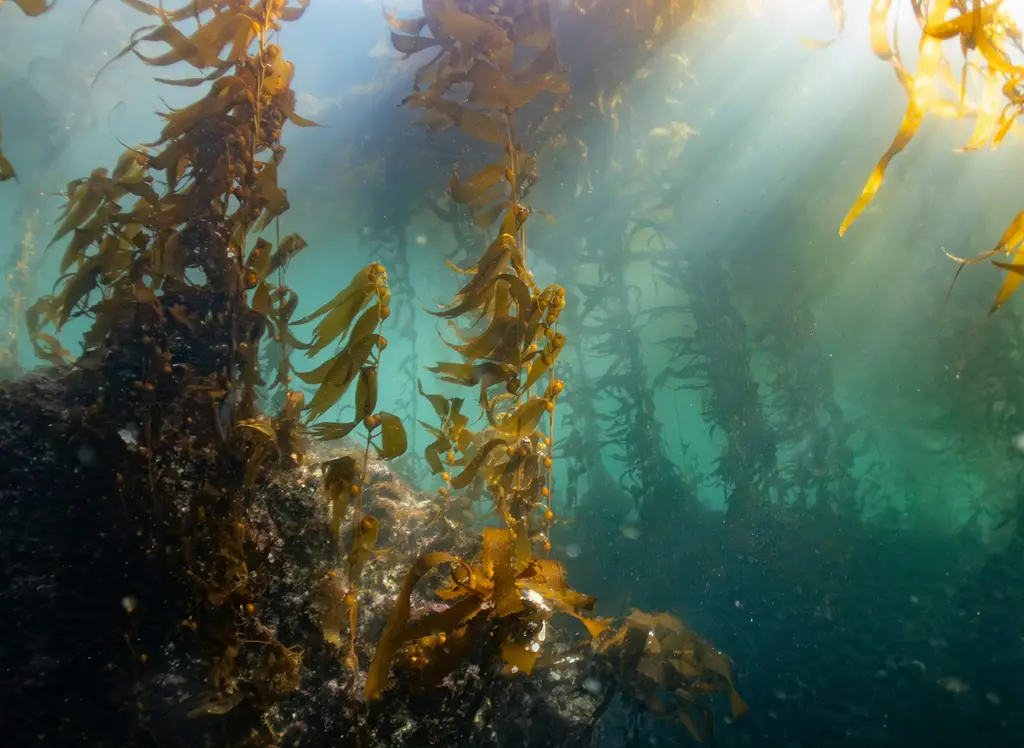
Water temperatures begin to drop, but often remain comfortable enough for diving through October, ranging from the low 60s to high 40s Fahrenheit. Visibility can be excellent as plankton activity diminishes, and dive sites are less crowded.
Winter (December-March)

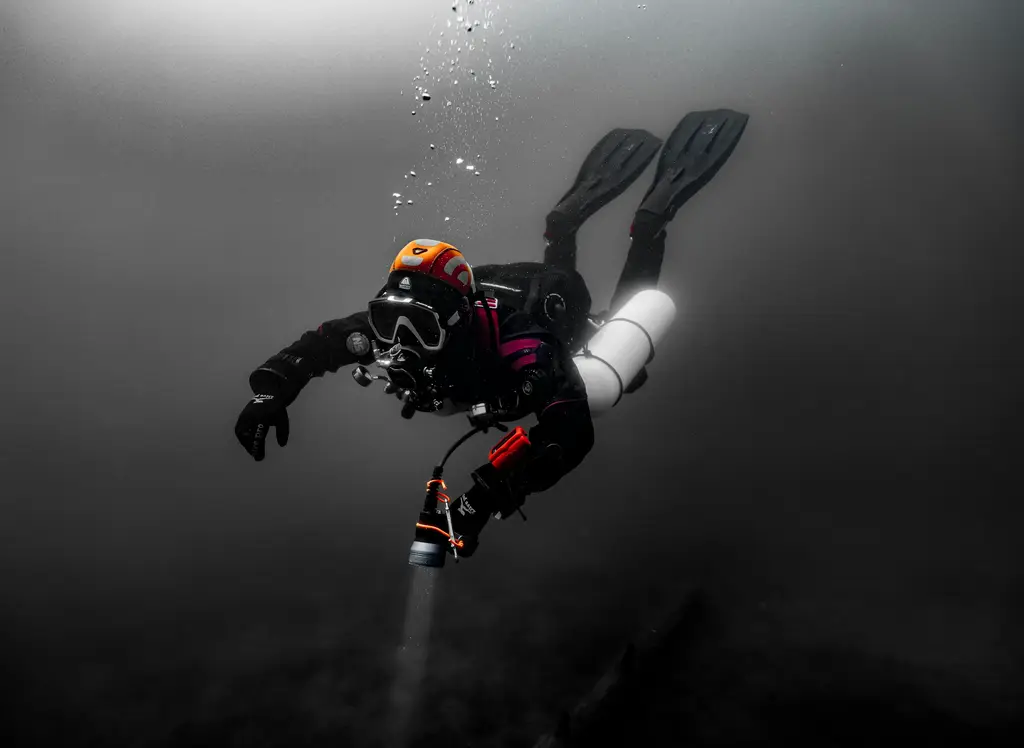
Diving in winter is reserved for experienced drysuit divers, with water temperatures consistently in the low 40s Fahrenheit. Dive shop operations are limited, focusing on local training or highly specialized charters, often weather-dependent.

Free tools

Your free outdoor toolkit
Keep exploring
Nearby states

In your pocket

Take every dive site with you.

Free, no account needed. Dive-site charts, marine conditions, and your dive log in your pocket.

  • Every dive shop and charter in your pocket

  • Reefs, wrecks, and walls charted on the map

  • Viz and current reports from divers just surfaced

  • NOAA conditions before the boat leaves the dock

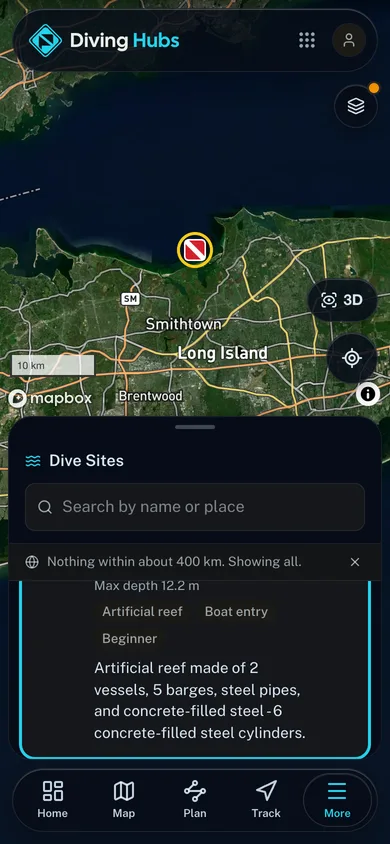
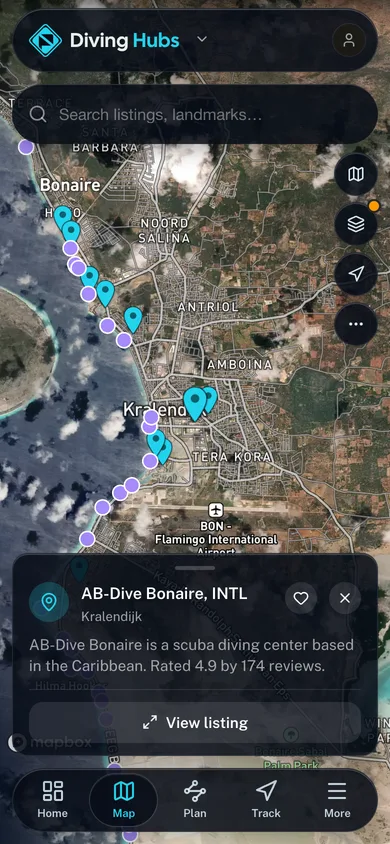
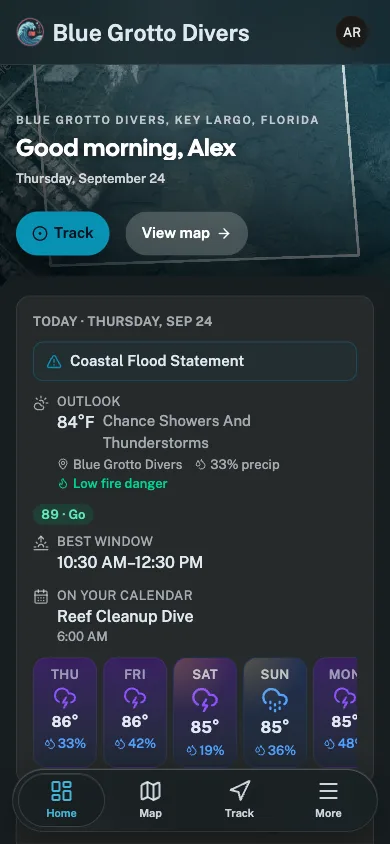
The Diving Hubs app dashboard

For operators

Run your dive business?
Launch your branded surface.

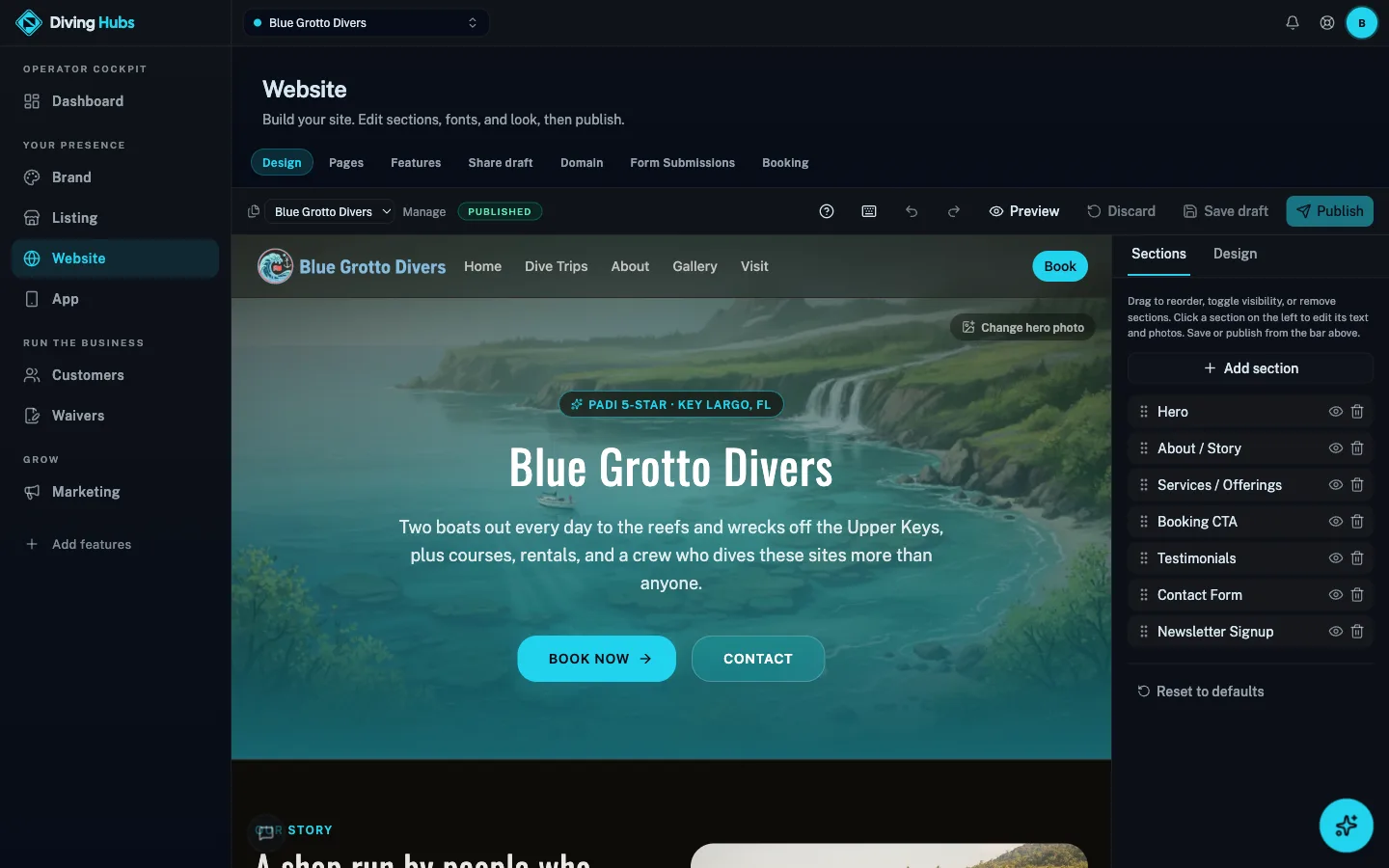
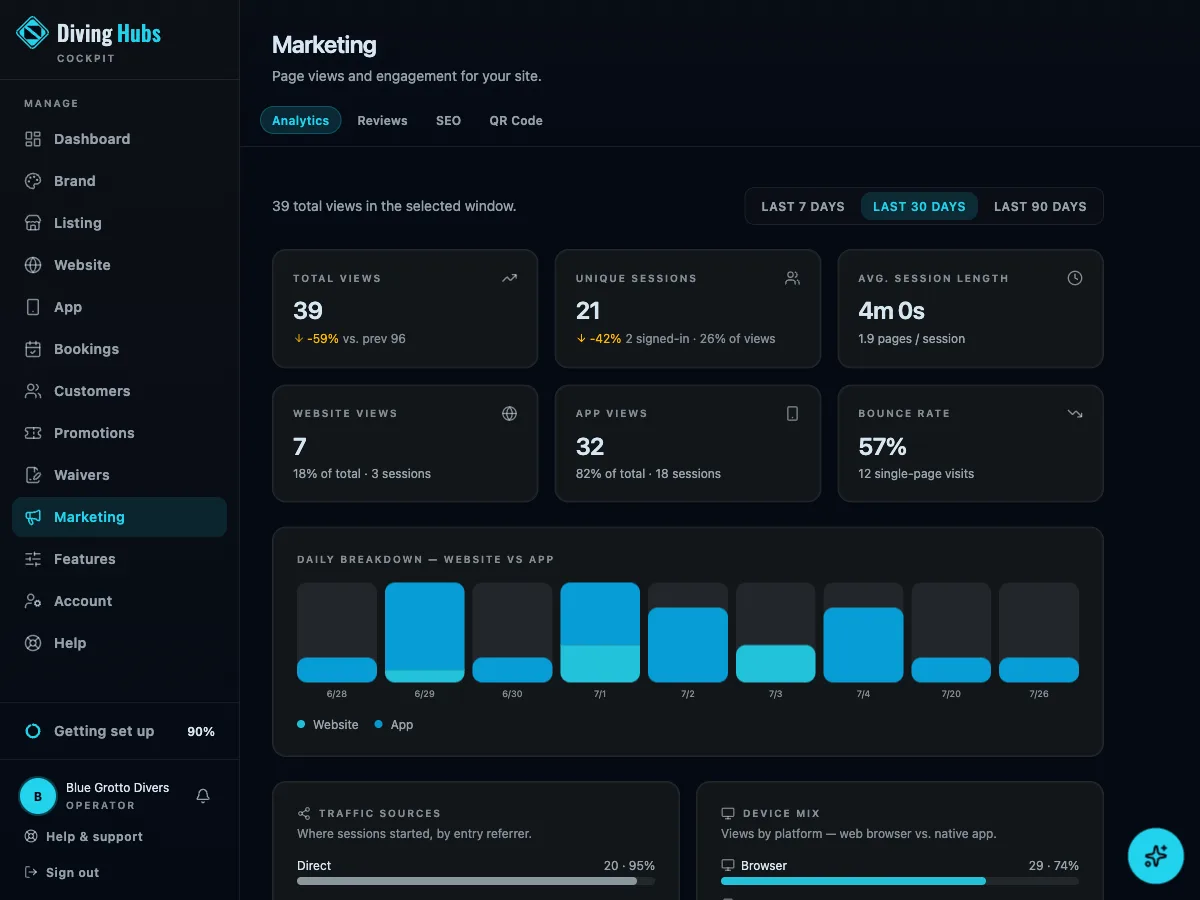
Get your own branded surface in the Diving Hubs app and a directory listing in minutes. Bookings, digital waivers, and your whole operation live in one cockpit.