Scuba Diving · Georgia
Scuba Diving in Georgia
Dive 26 dive shops and charters across Georgia. Maps, hours, contact info, photos, and verified operator profiles, all in one place.
Southern Appalachians down to the Sea Islands and Okefenokee Swamp.
Updated
Highest rated
Scuba Diving in Georgia by Google rating
Ranked by Google rating, then by number of reviews, across the 22 of 26 dive shops and charters in Georgia with 10 or more Google reviews. A blank cell means we do not have that detail yet.
| Name | City | Diving | Rating |
|---|---|---|---|
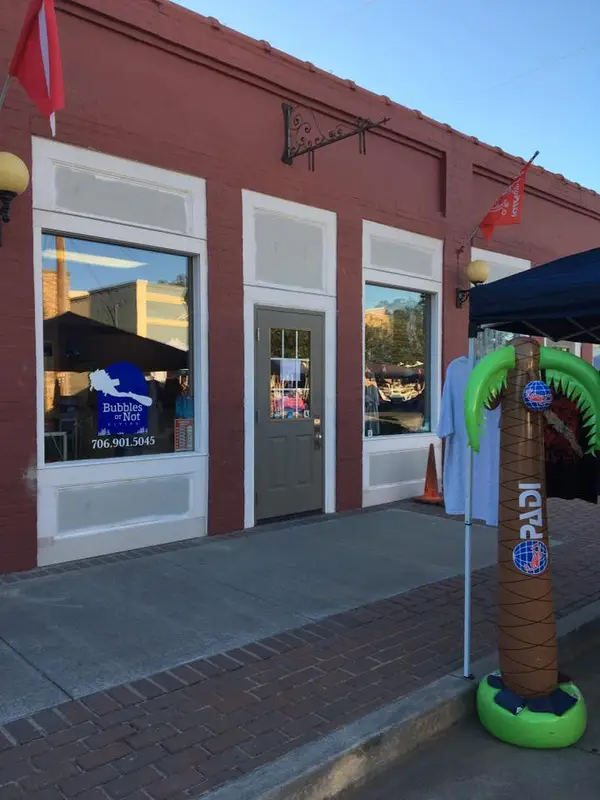
| Bubbles-or-Not | Harlem | 5.086 Google reviews | |
| Metro Atlanta Divers | Marietta | 5.054 Google reviews | |
| Deep Adventures Scuba | Toccoa | 5.028 Google reviews | |
| Wreckreation Scuba | St Marys | Wreck | 5.013 Google reviews |
| Dive Georgia | Woodstock | 4.9206 Google reviews | |
| Diventures Marietta | Marietta | 4.9166 Google reviews | |
| Dive Haven, LLC | Canton | 4.927 Google reviews | |
| SCUBA Service & Supply | Thunderbolt | 4.912 Google reviews |
All listings
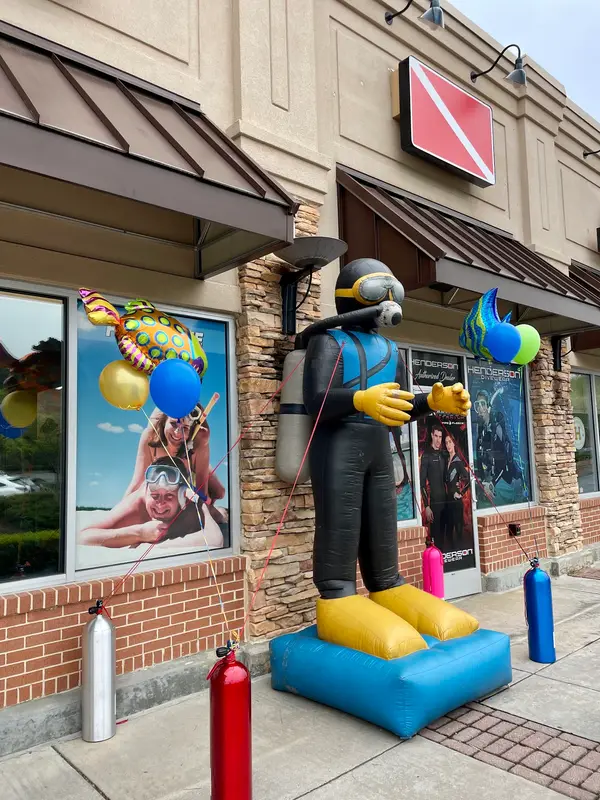
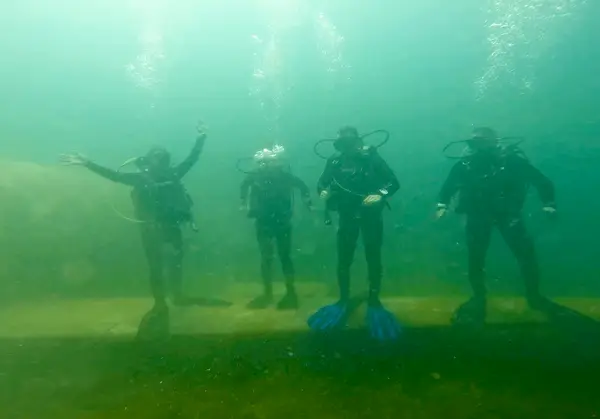
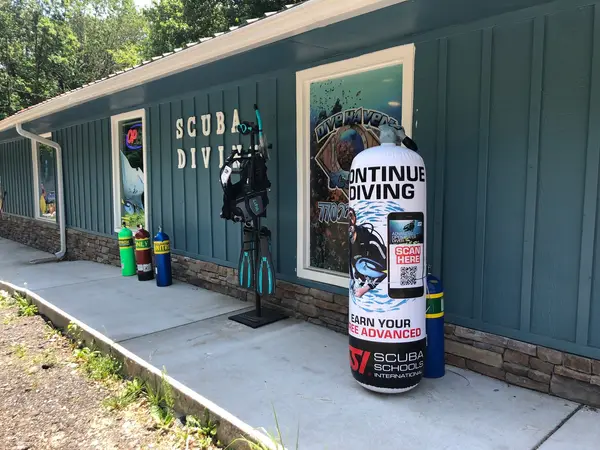
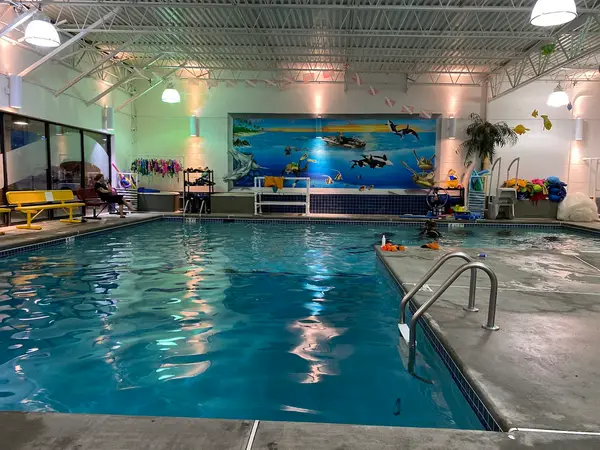
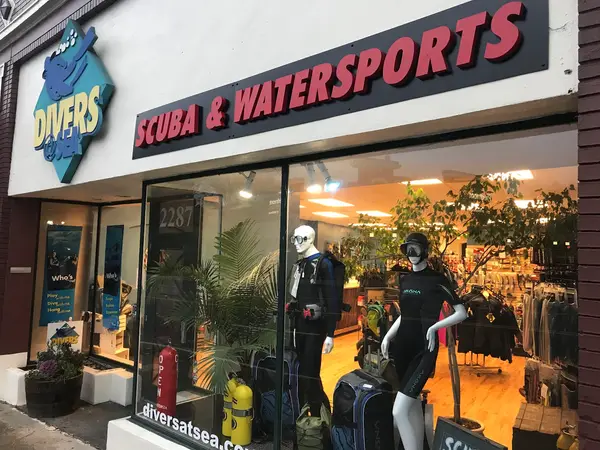
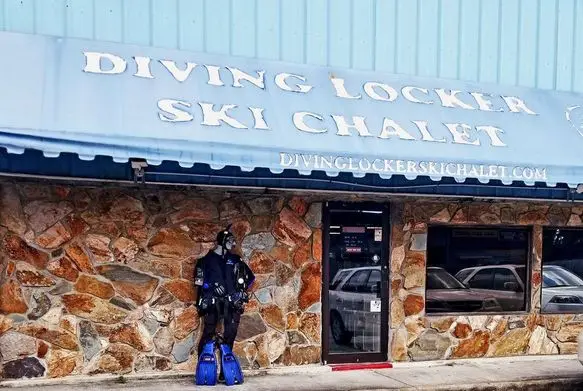
26 dive shops and charters in Georgia




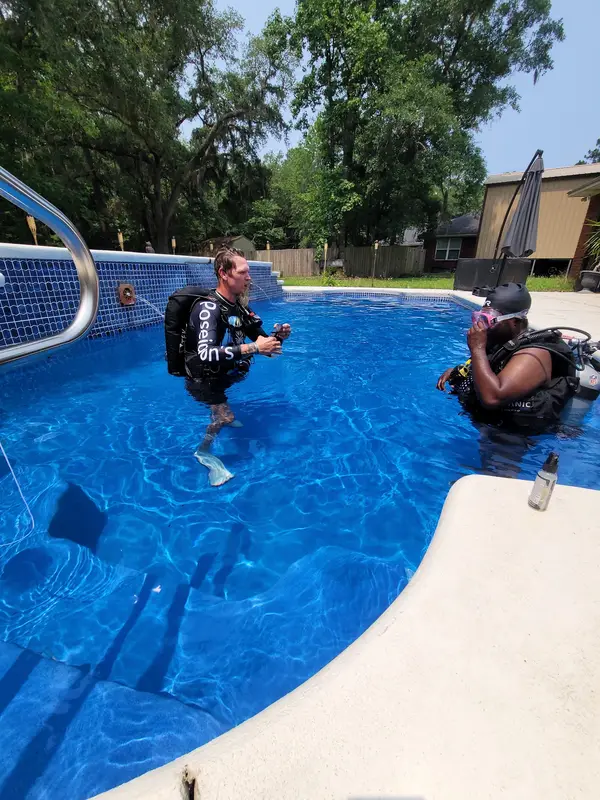
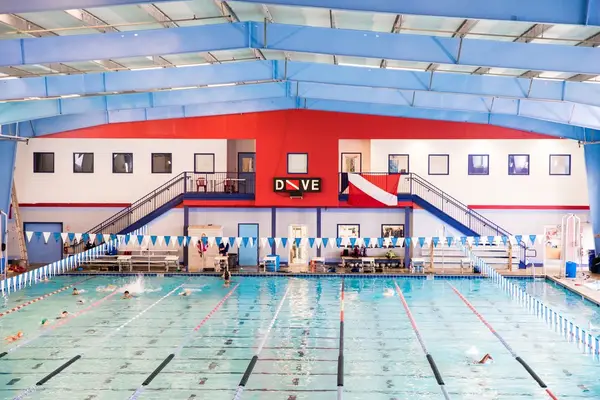
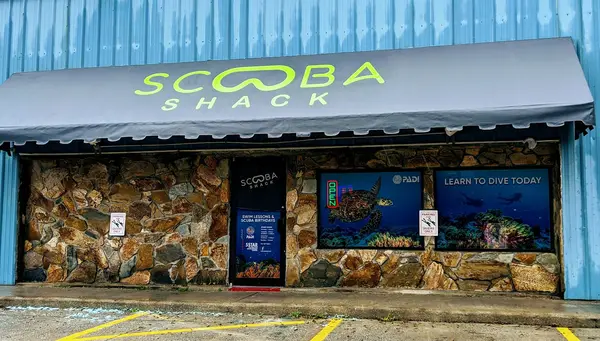
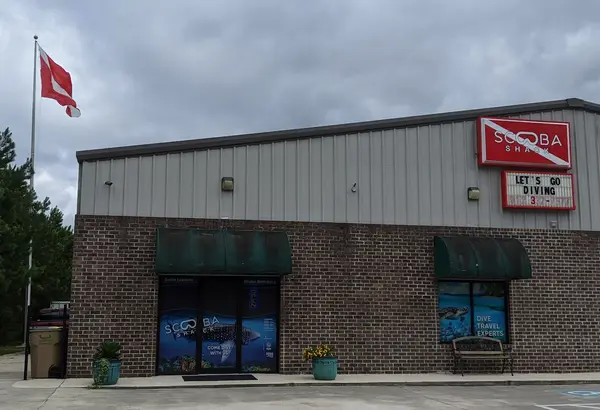
On the map
Dive shops in Georgia
Everything we have mapped in Georgia, on one map. Tap anything for its details.
Loads the full map of Georgia. We leave it off by default so the page opens fast on mobile data.
About Georgia
Quick facts
- Dive shops and charters listed
- 26
- Best season
- March through November
Trip guide
Know before you go in Georgia
Confirm current requirements with the agency that sets them before your trip. Rules and fees change every season.
Boating Safety Education
Anyone born on or after January 1, 1998, operating a motorized vessel on Georgia waters must complete a boating safety education course approved by the Department of Natural Resources. This applies to divers operating their own boats to access dive sites.
Spearfishing Regulations
If combining diving with spearfishing, divers must possess a valid Georgia fishing license. Specific regulations apply to spearfishing methods, gear, and catch limits for various marine species. Always verify current rules with the Georgia Department of Natural Resources.
State Park and Site Access
Access to certain freshwater springs or lakes within Georgia State Parks may require an entrance fee or a parking pass. Divers should check the specific requirements for each location before visiting. Some privately operated quarries also charge daily admission fees for diving.
01What kind of diving is available in Georgia?
02Are there any natural reefs in Georgia?
03What are the typical water temperatures and visibility?
04Do I need a special permit to dive in Georgia?
05Can I dive year-round in Georgia?
When to go
Season by season in Georgia
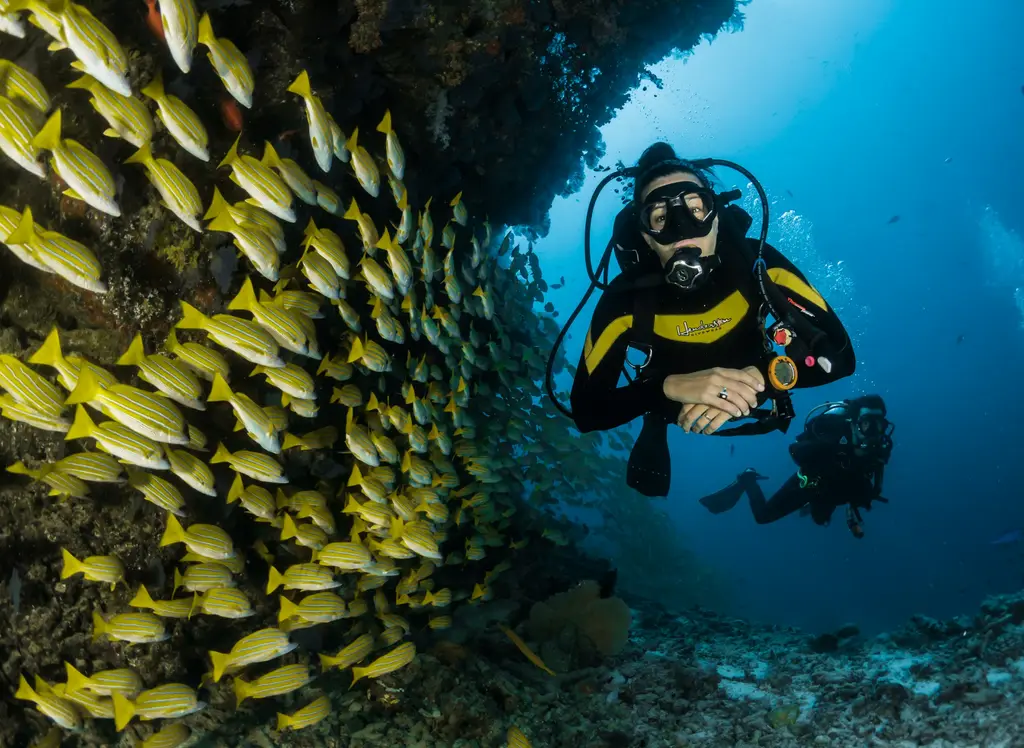
Spring (March-May)
Inland quarries and springs begin to warm, improving comfort for diving. Coastal dive charters resume regular trips to offshore reefs as ocean conditions become more favorable and marine life becomes more active.
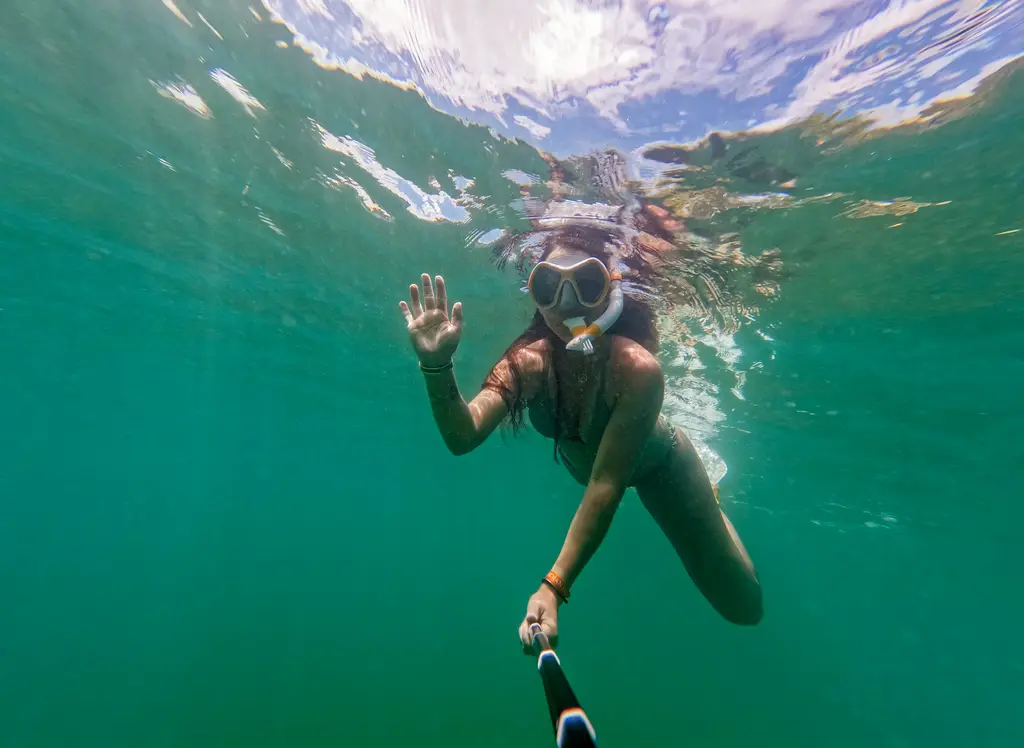
Summer (June-August)
This is peak diving season across Georgia. Water temperatures are at their warmest, offering excellent conditions for both inland and coastal diving. Visibility is generally at its best in offshore areas during this period.
Fall (September-November)
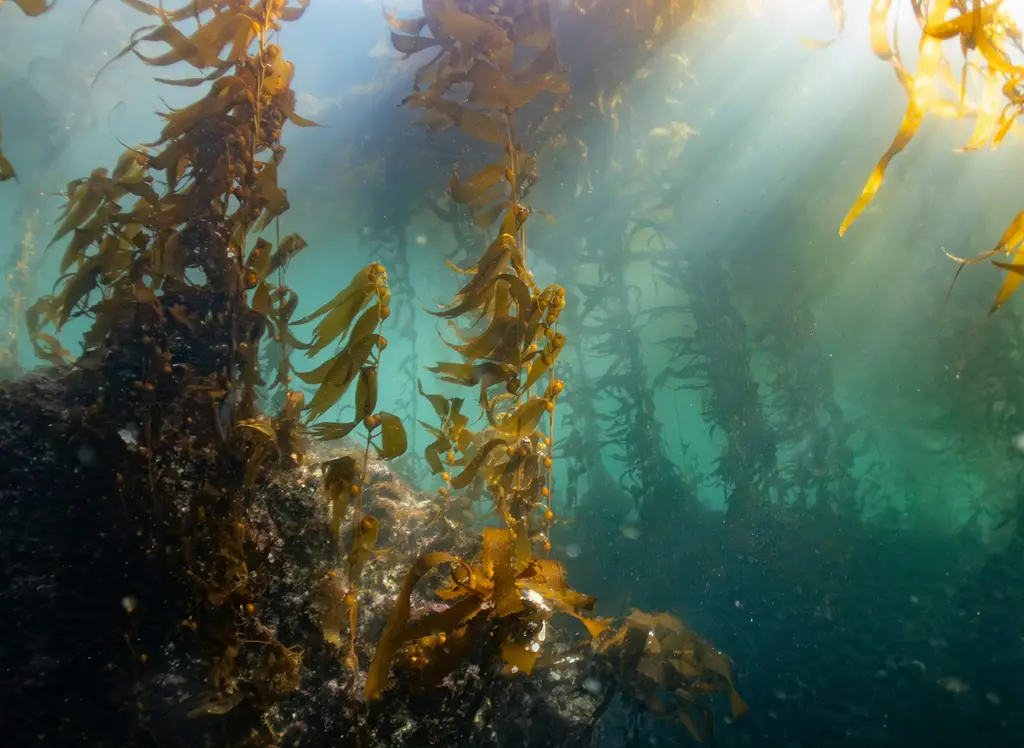
Inland sites maintain good conditions as waters slowly cool, often with excellent visibility. Coastal diving remains active early in the fall before cooler temperatures and potentially rougher seas reduce charter frequency.
Winter (December-February)
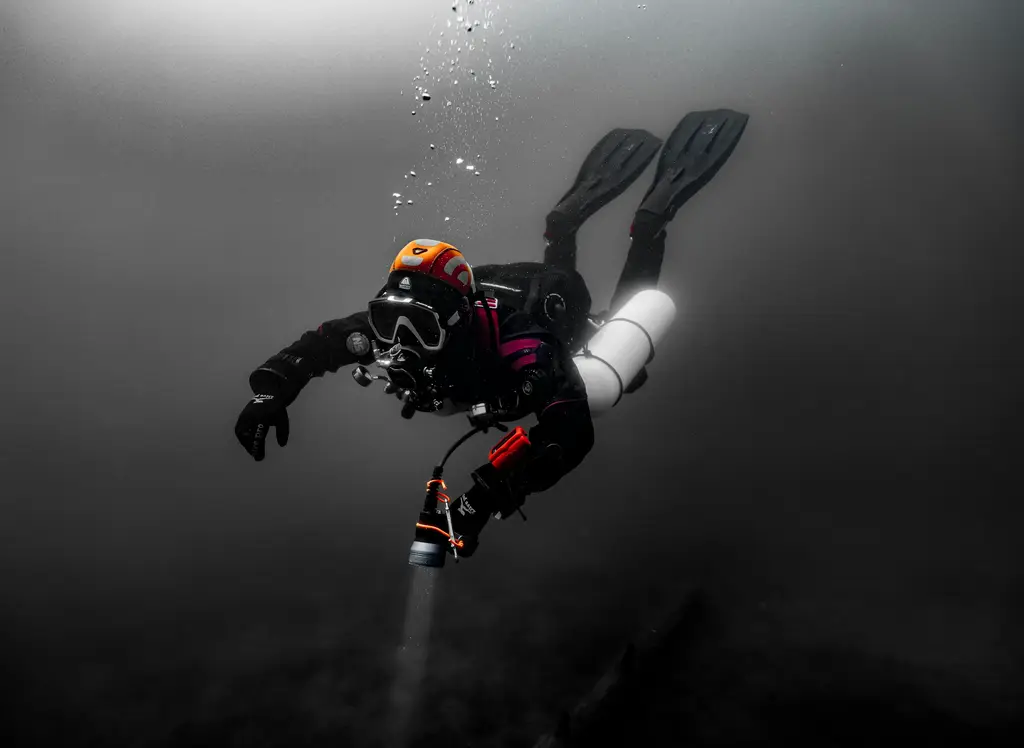
Diving in Georgia during winter primarily shifts to inland quarries and springs, requiring drysuits or thick wetsuits due to cold water. Coastal diving is significantly reduced, with fewer charters operating due to colder water and less predictable weather.
Free tools
Your free outdoor toolkit

Keep exploring