Scuba Diving · Southeast Asia
Southeast Asia Scuba Diving
Explore 55 operators across Southeast Asia. Maps, contact info, photos, and verified operator profiles, all in one place.
About Southeast Asia
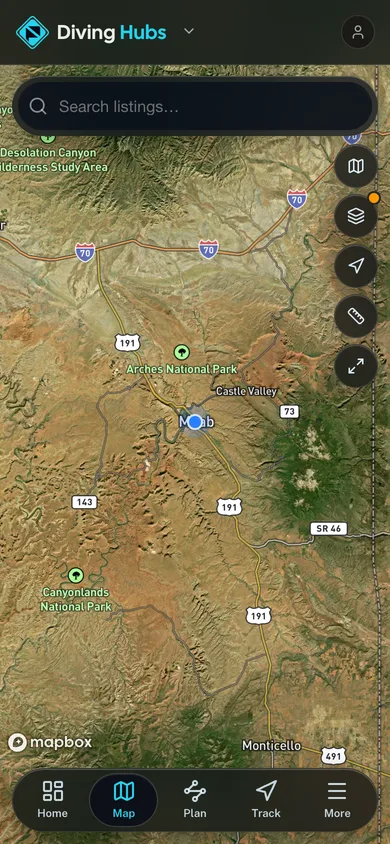
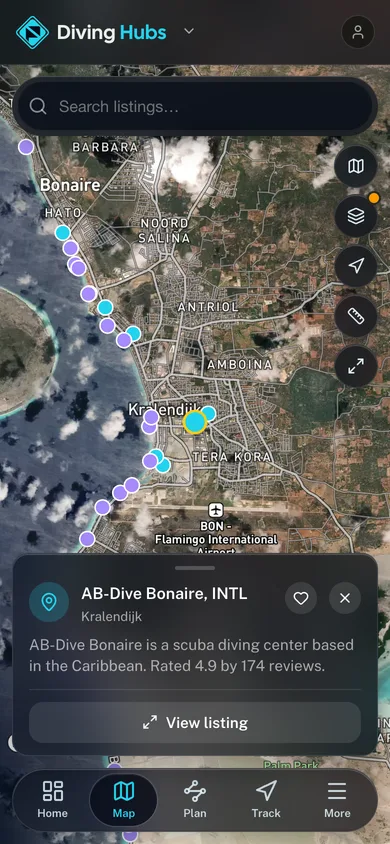
55 on the map
Tap a pin to open its profile.
Quick facts
- Water temp
- 27–30°C (81–86°F)
- Visibility
- 15–30m
- Best season
- Varies by site (often Oct–Apr)
- Highlights
- Coral Triangle biodiversity & drifts
- Skill level
- All levels
- Operators listed
- 55
- Countries
- Indonesia, Thailand, Philippines +2 more
- Dive areas
- 4
By region
4 regions in Southeast Asia
Region 01 / 04
Raja Ampat, Indonesia
The global epicenter of marine biodiversity: reefs stacked with fish species, pelagics passing through, and macro life hiding in every fan. Almost everyone gets here by liveaboard, and it's worth the crossing.
Region 02 / 04
Palawan, Philippines
Two heavyweights in one province: Tubbataha Reefs Natural Park, a UNESCO World Heritage site with healthy shark populations and vast coral formations, and Coron, where a fleet of Japanese WWII wrecks waits in the bays.
Region 03 / 04
Sipadan, Malaysia
An oceanic island where the walls drop away beneath tornadoes of barracuda and jackfish. Green and hawksbill turtles are practically guaranteed; reef sharks are common. Access is highly regulated. Plan ahead.
Region 04 / 04
Similan Islands, Thailand
Granite boulders draped in soft coral, with leopard sharks on the sand and manta rays and whale sharks passing through. The liveaboard season runs November to May, and that's the way to dive them.
Dive Site Explorer
Dive sites across Southeast Asia
Tap a dive site to pinpoint it on the map, then open it for depth, entry, and the nearest operator.
All listings
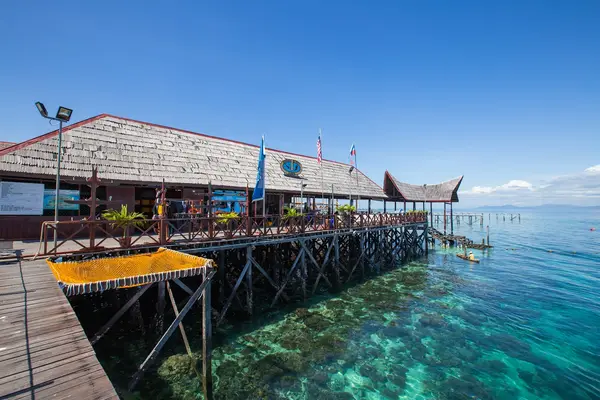
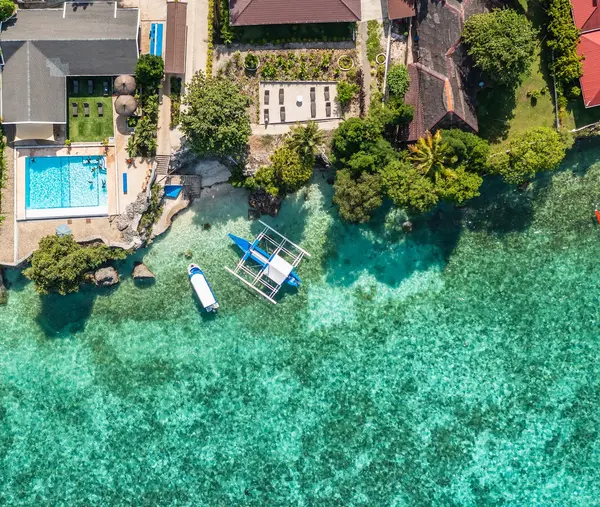
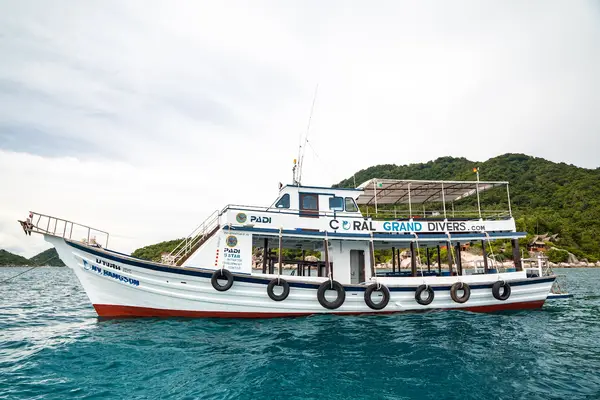
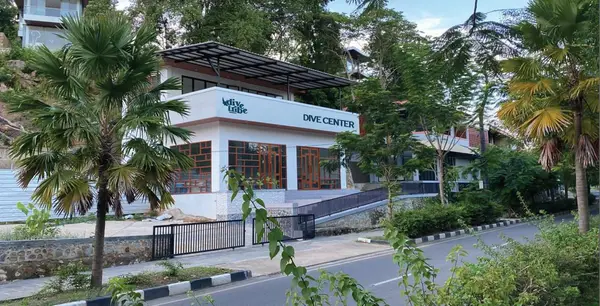
55 operators
across Southeast Asia

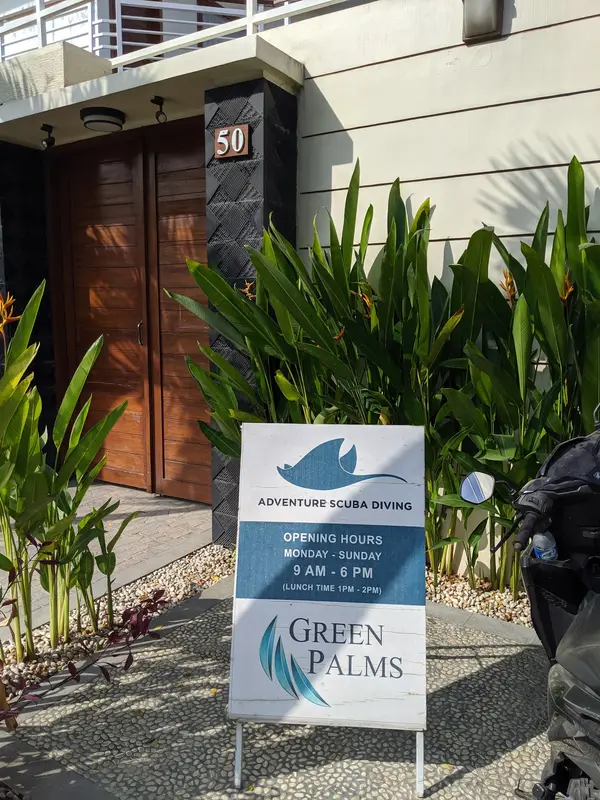
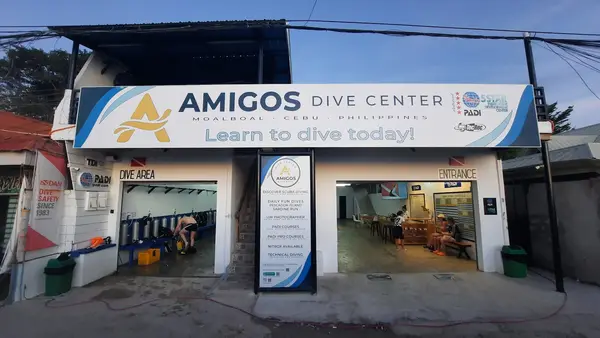
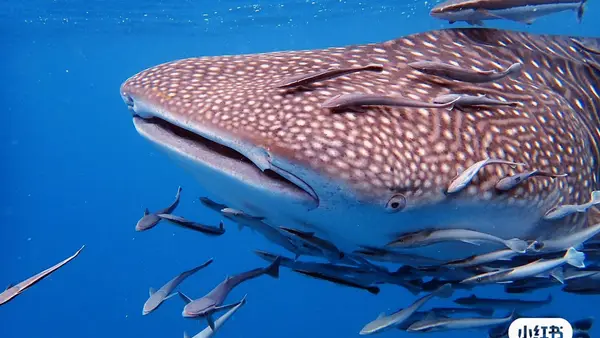

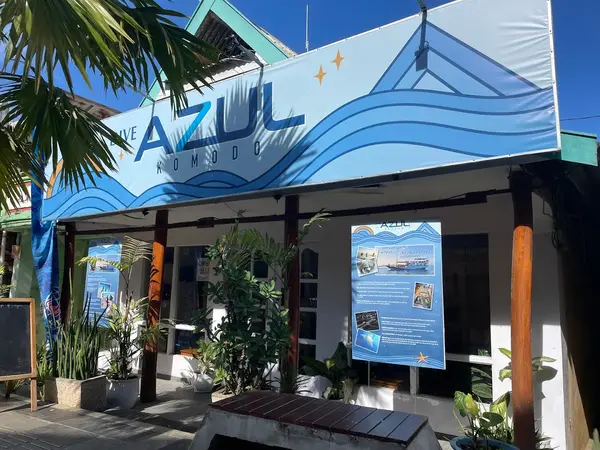

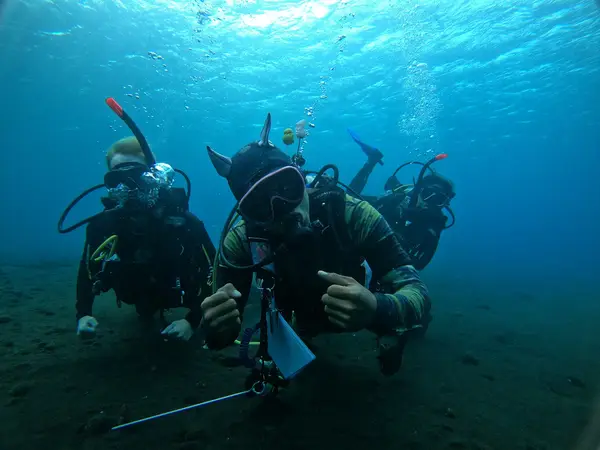
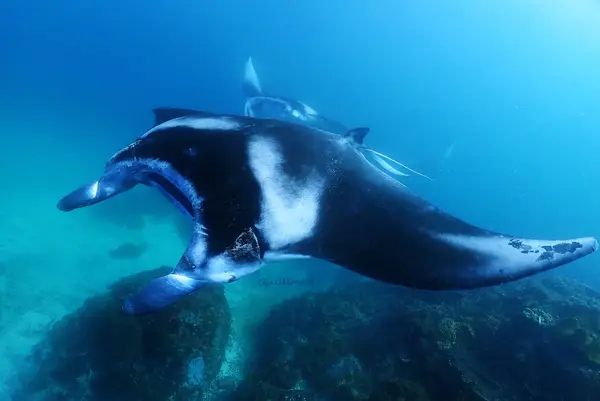

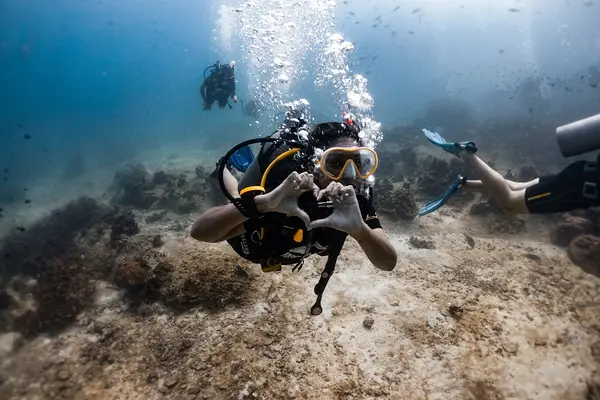
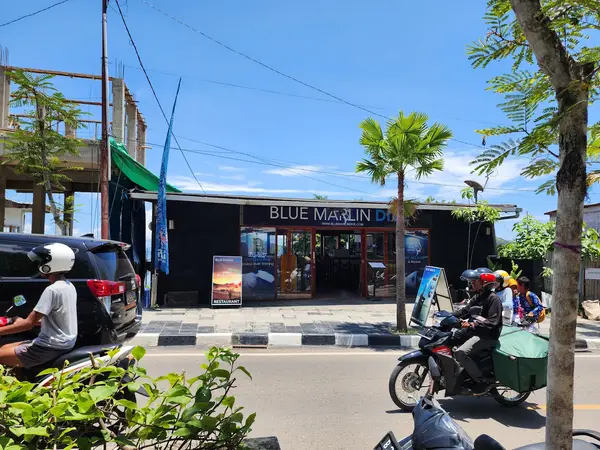


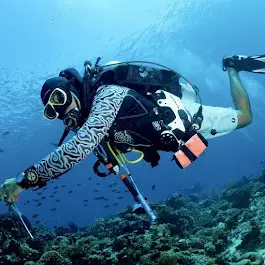




Plan your trip
Plan your trip to Southeast Asia
Certification Levels
Most signature sites, especially liveaboard destinations, require Advanced Open Water (AOW) certification due to potential depths, currents, and drift diving. Entry-level sites are abundant, but confirm with operators for specific dive plans.
Marine Park & Conservation Fees
Many premier dive sites are within marine protected areas, requiring daily or multi-day fees. These are typically paid locally or included in liveaboard/dive package costs and contribute to conservation efforts.
Liveaboard vs. Day-Boat Access
While day trips are common, many of Southeast Asia's most pristine and remote sites (e.g., Raja Ampat, Tubbataha, Similan Islands) are best accessed via liveaboards, offering multiple dives daily and reaching far-flung locations.
Currents, Depth, & Experience
Diving conditions vary significantly. Strong currents are common in areas like Komodo and Sipadan, requiring good buoyancy control and experience. Depths can exceed 18 meters; some sites are suitable for experienced divers only.
Nitrox Availability
Nitrox is widely available at most reputable dive centers and on liveaboards throughout the region. It's recommended for multiple daily dives, especially on liveaboard itineraries, to extend bottom time and enhance safety.
Dive Insurance & Evacuation
Comprehensive dive insurance, including coverage for medical emergencies and evacuation, is highly recommended. Hyperbaric chambers are available in major dive hubs, but evacuation can be costly without proper insurance.
Confirm current requirements with the state agency before your trip. Rules and fees change every season.
Dive Certification
A recognized scuba diving certification (e.g., PADI, SSI, NAUI) is universally required. For advanced or challenging sites, an Advanced Open Water certification or equivalent is often mandatory. Requirements vary by country – confirm with your operator.
Marine Park Permits and Fees
Accessing marine protected areas or national parks typically requires permits and payment of conservation fees. These are usually arranged by your dive operator but are crucial for entry. Requirements vary by country – confirm with your operator.
Dive Medical Fitness
Divers should be in good health and free from medical conditions that contraindicate diving. Most operators require a medical questionnaire, and some may request a doctor's clearance. Requirements vary by country – confirm with your operator.
Logbook and Experience
While not always strictly enforced, having a dive logbook to demonstrate recent diving activity and experience is advisable, especially for more advanced trips. Some operators may ask for it. Requirements vary by country – confirm with your operator.
- 01
Choose Your Destination & Season
Start with what you want to see (wrecks, macro, or pelagics), then find the country that delivers it and the months when it's actually on. In this region, timing matters as much as the pin on the map.
- 02
Assess Your Certification & Experience
Be honest about whether your card and your logbook match the sites you're eyeing. If deeper or higher-current diving is the goal, get the advanced certification before the trip, not during it.
- 03
Select Your Operator (Liveaboard/Dive Shop)
Remote, multi-day diving points to a liveaboard; daily excursions point to a shore-based shop. Either way, read the reviews, check the safety standards, and make sure the itinerary actually visits the sites you care about.
- 04
Book Flights & Accommodation
Line up international and domestic legs, plus any nights before and after the diving. Airports and dive departure points are often hours apart here, build that transfer time into the plan.
- 05
Arrange Insurance & Check Entry Requirements
Buy dive insurance that includes evacuation coverage, don't skip this one. Then confirm visa rules, passport validity, and any health declarations for your destination well before departure.
01What is the best time to dive in Southeast Asia?
02Do I need special certifications for Southeast Asia's dive sites?
03Are marine park fees common in Southeast Asia?
04Is dive insurance necessary for a trip to Southeast Asia?
05What kind of marine life can I expect to see?
06Should I choose a liveaboard or a day-boat operation?
When to go
Season by season in Southeast Asia

Dry Season (May-October)
The window for Indonesia (Komodo, with Raja Ampat in its shoulder), Malaysia's Sipadan, and parts of the Philippines. Seas settle, visibility opens up, and the pelagic encounters hit their stride.
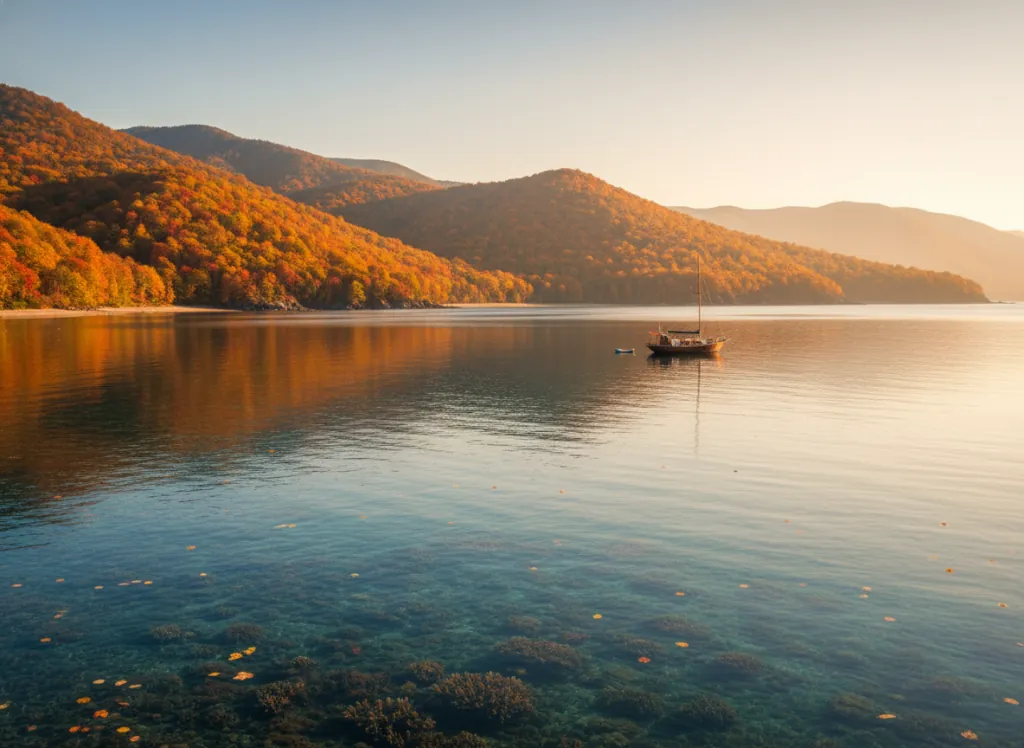
Wet Season (November-April)
When the Andaman Sea takes over: Thailand's Similan and Surin Islands and Myanmar are at their best. It's also the season for Indonesia's Raja Ampat, and for whale sharks in Cenderawasih Bay.
Shoulder Season (April-May & October-November)
The in-between months still dive well across much of the region, with thinner crowds as a bonus. Bali and some Philippine destinations do particularly well in these windows.
Year-Round Destinations
A few places barely have an off-season. Parts of the Philippines (Anilao, Moalboal, for example) and certain Indonesian islands like Bali's north coast dive consistently all year, with only slight variation.
Free tools
Your free outdoor toolkit

Everything Map
Listings, trails, spots, clubs and public land on a single full-screen map. Switch layers on and off, then tap any point for the details.
Open Everything MapDive Sites
Browse community-mapped reefs, wrecks, and walls with depth, conditions, and what you will see.
Open Dive SitesRoute Planner
Drop stops on a map and watch distance and drive time add up. Export a GPX or share the link.
Open Route PlannerDive Clubs
Browse local clubs with meeting info and how to join, or start your own for free.
Open Dive ClubsPhoto ID
Point your camera at whatever you found and get a structured identification. No signup.
Open Photo IDGear Checklists
Printable, save-as-you-go packing lists. Tick items off and pull them up on your phone.
Open Gear Checklists