Skip to content
Michigan diving. Backdrop for the Diving Hubs Michigan dive shop directory

Scuba Diving · Michigan

Scuba Diving in Michigan

Dive 26 dive shops and charters across Michigan. Maps, hours, contact info, photos, and verified operator profiles, all in one place.

Great Lakes shoreline longer than any state, plus the Upper Peninsula wilderness.

About Michigan

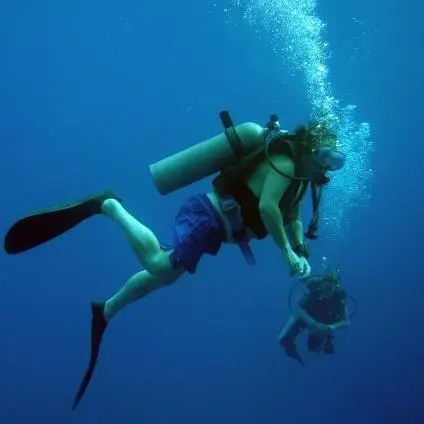
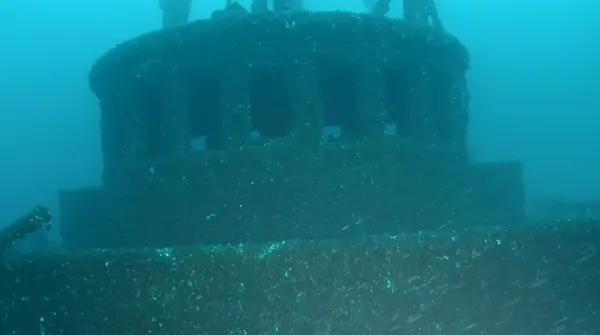
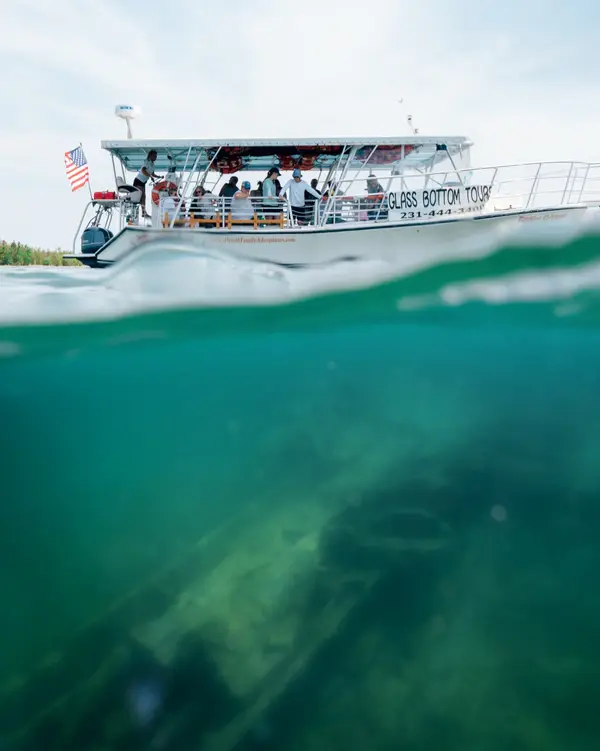
Michigan offers a unique freshwater diving experience within the vast expanse of the Great Lakes. Bordered by Lake Huron, Lake Michigan, and Lake Superior, the state provides access to an unparalleled collection of historical shipwrecks. The cold, fresh water of these inland seas acts as a natural preservative, keeping wooden and steel vessels remarkably intact for decades, even centuries. Divers exploring these waters embark on a journey through maritime history, encountering wrecks that range from schooners and steamers to modern cargo ships.

The concentration of these underwater historical sites is particularly notable in regions like Lake Huron's Thunder Bay. This area, designated as a National Marine Sanctuary, is often referred to as 'Shipwreck Alley' due to its hundreds of submerged vessels. Further west, Lake Michigan's eastern shores, near towns such as Traverse City and Holland, also hold numerous wreck sites awaiting exploration. Even the remote, rugged coastlines of Lake Superior in the Upper Peninsula, around Munising and Marquette, feature dramatic and often challenging wreck dives.

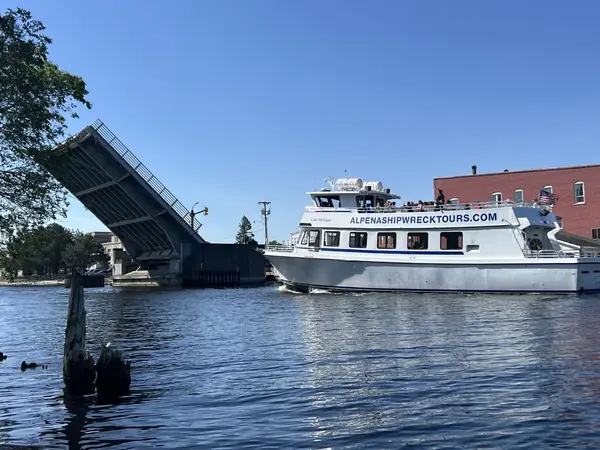
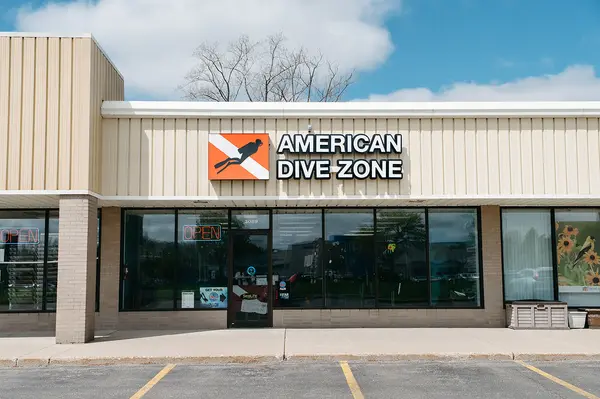
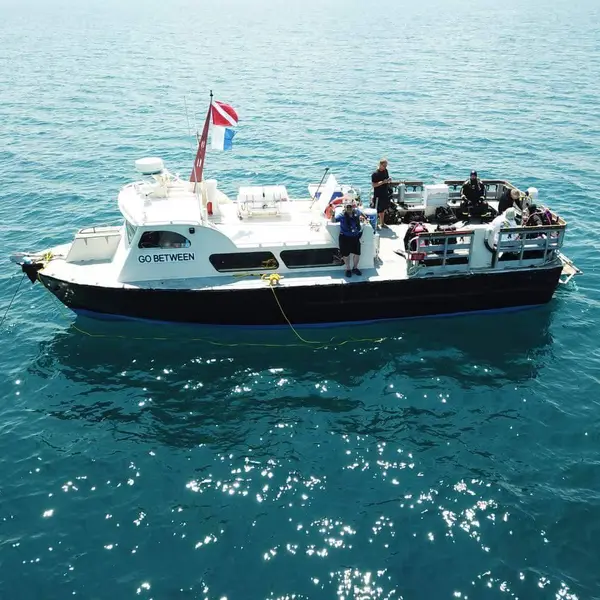
Accessing Michigan's diverse dive sites primarily relies on local dive shops and charter operators. Unlike tropical destinations, liveaboards are not a feature of Great Lakes diving; instead, day-trip charters depart from various ports to transport divers to popular and remote wreck locations. These operations are crucial for navigating the large bodies of water and ensuring safe access to sites. Divers planning a trip must be prepared for cold-water conditions, which necessitate specialized gear and training.

26 on the map

Loading map…

Tap a pin to open its profile.

Quick facts

Dive shops and charters listed
26
Best season
May through October

All listings

26 dive shops and charters

across Michigan

All states

Plan your trip

Plan your trip to Michigan

Great Lakes Shipwreck Focus

Michigan's diving is synonymous with Great Lakes shipwrecks. The cold, fresh water preserves vessels remarkably, creating underwater museums. Sites like the Thunder Bay National Marine Sanctuary in Lake Huron offer dozens of accessible wrecks, from shallow training sites to deep technical dives.

Water Temperature and Exposure Protection

Water temperatures in the Great Lakes range significantly. Expect surface temperatures in the high 30s–40s F in spring and fall, warming to 50s–60s F in summer. Deeper dives consistently remain in the 30s–40s F. A drysuit is essential for comfortable and safe diving year-round.

Visibility and Currents

Visibility is often excellent, ranging from 20 to over 100 feet depending on the site and conditions. This clarity enhances the experience of exploring historical wrecks. Strong currents are rare, but divers should be prepared for varying conditions.

Certification Levels and Access

Most signature wreck dives require at least Advanced Open Water certification. For deeper or more complex wrecks, Wreck Diver, Drysuit Diver, and technical diving certifications are highly recommended. Many sites are boat-accessed; shore diving options are limited.

Sanctuary Regulations and Etiquette

The Thunder Bay National Marine Sanctuary has specific regulations for divers. Always use mooring buoys where available, avoid anchoring on wrecks, and never remove artifacts. Consult your charter operator for specific site guidelines.

Confirm current requirements with the state agency before your trip. Rules and fees change every season.

  • Thunder Bay National Marine Sanctuary Regulations

    Divers exploring within the Thunder Bay National Marine Sanctuary must adhere to specific rules protecting historical resources. These include using mooring buoys, refraining from anchoring on shipwrecks, and leaving all artifacts in place. Violation of these rules carries significant penalties.

    Thunder Bay NMS
  • Wreck Preservation Laws

    Michigan law, in conjunction with federal acts, protects historic shipwrecks as cultural resources. It is illegal to disturb, salvage, or remove artifacts from shipwrecks on state or federal bottomlands. All divers are expected to practice a 'look, don't touch' ethic.

    Michigan EGLE
  • Boating Safety and Education

    Divers operating their own vessels for dive trips may need to comply with Michigan's boating education requirements. Individuals born after December 31, 1978, must have a boater safety certificate to operate a motorized vessel. Verify specific requirements with the Michigan Department of Natural Resources.

    Michigan DNR
  1. 01

    1. Obtain Cold-Water and Wreck Diving Certifications

    Ensure you hold appropriate certifications for cold-water diving, specifically drysuit certification, and consider advanced wreck diving specialties. Michigan's conditions and sites demand specialized training.

  2. 02

    2. Research Dive Shops and Charters

    Identify reputable dive shops and charter operators in your chosen diving region. They provide essential local knowledge, gear rentals, and boat access to the best wreck sites.

  3. 03

    3. Book Your Dive Trip in Advance

    Michigan's diving season is relatively short, and popular charters fill quickly, especially during summer. Book your accommodations and dive charters well in advance to secure your spots.

  4. 04

    4. Prepare for Cold-Water Conditions

    Pack appropriate cold-water gear, including a drysuit, thick undergarments, cold-water regulators, and robust gloves and hood. Discuss rental options with your chosen dive shop if needed.

  5. 05

    5. Review Sanctuary and Wreck Preservation Rules

    Familiarize yourself with the regulations governing diving in national marine sanctuaries and state waters. Respect for historical sites and marine environments is paramount.

01What kind of diving is most common in Michigan?
Michigan is renowned for its freshwater shipwreck diving in the Great Lakes. The cold, fresh water provides exceptional preservation of historical vessels, offering a unique opportunity to explore maritime history underwater.
02Do I need special equipment for diving in Michigan?
Yes, due to the consistently cold water temperatures, a drysuit is highly recommended and often essential for comfortable and safe diving in Michigan. Cold-water regulators, thick undergarments, and insulated gloves and hoods are also crucial.
03What are the typical water temperatures and visibility?
Water temperatures vary by season and depth. Surface temperatures can reach 50s–60s F in summer, but deeper areas and spring/fall dives remain in the 30s–40s F. Visibility is often excellent, ranging from 20 to over 100 feet on good days.
04Are there any liveaboard dive trips available in Michigan?
Traditional liveaboard dive trips are not common in Michigan. Diving is primarily conducted via day-trip charters operated by local dive shops. These charters depart from various ports to access shipwreck sites across the Great Lakes.
05What certification level is required to dive Michigan's shipwrecks?
Many shallower wreck sites are accessible to Open Water certified divers. However, for the majority of significant and deeper wrecks, Advanced Open Water certification is recommended. Drysuit and Wreck Diver specialties are also highly beneficial.
06Are there any marine life encounters in Michigan's dive sites?
While Michigan's diving is focused on shipwrecks, divers may encounter various freshwater fish species like lake trout, salmon, and burbot. The primary attraction, however, remains the historical and structural integrity of the submerged vessels.

When to go

Season by season in Michigan
Spring

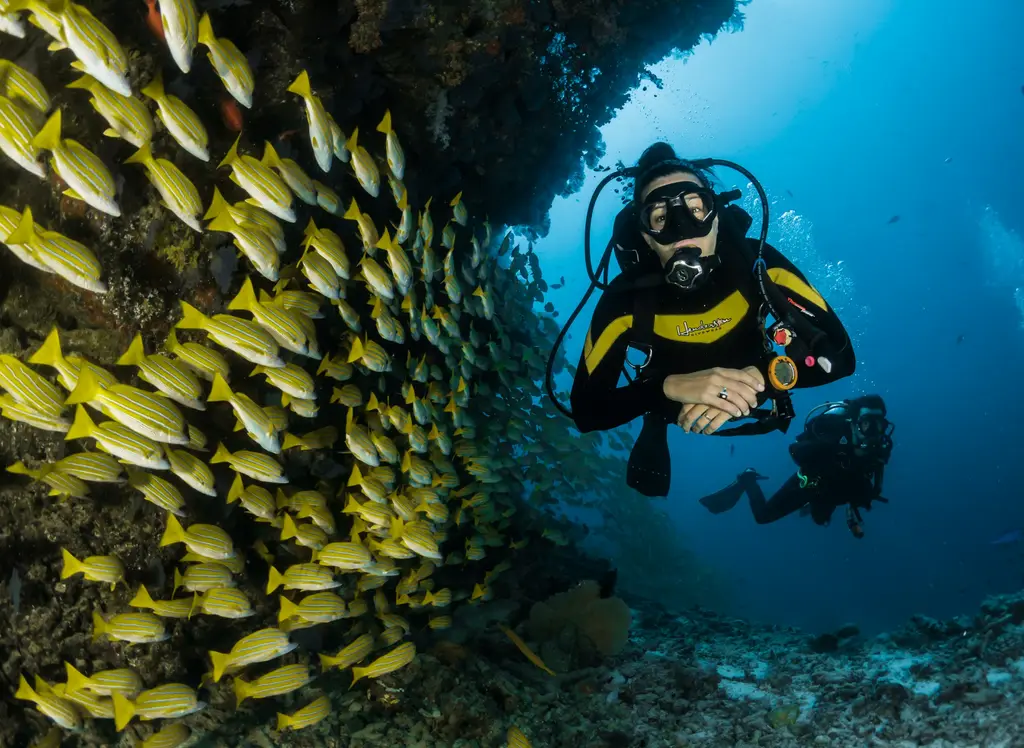
As ice recedes, early spring diving is for hardy divers. Water temperatures remain very cold, requiring drysuit expertise. Dive shops begin limited charter operations as conditions allow.
Summer

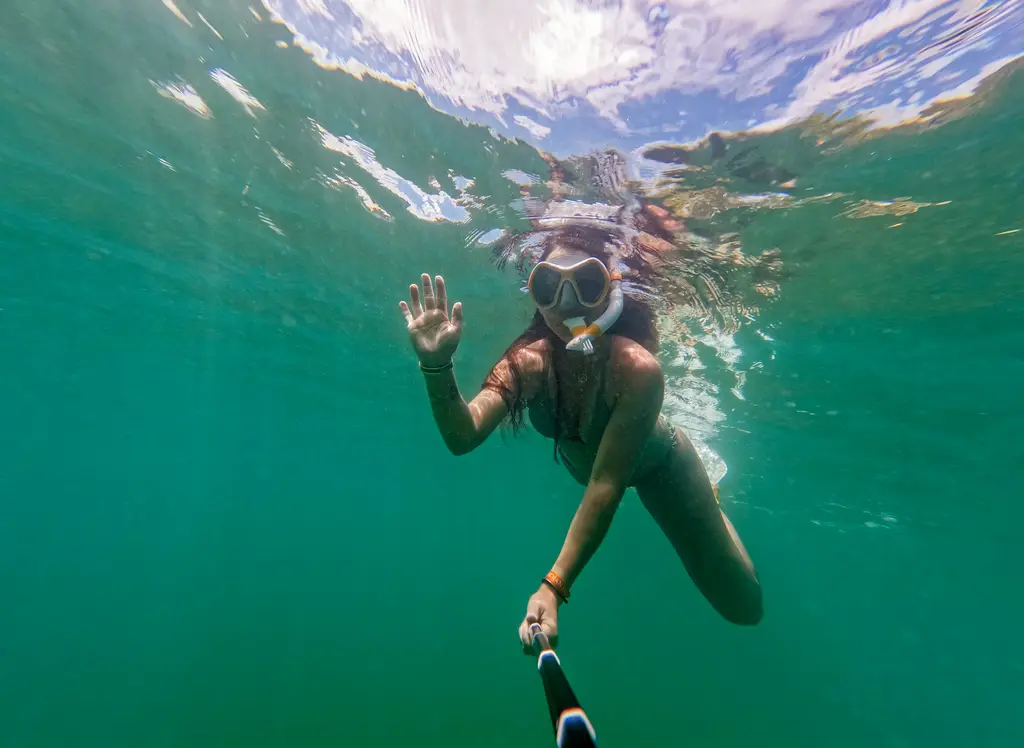
Peak diving season arrives with warmer surface temperatures, though thermoclines are common. This period offers the best visibility and most frequent charter departures to popular wreck sites across the Great Lakes.
Fall

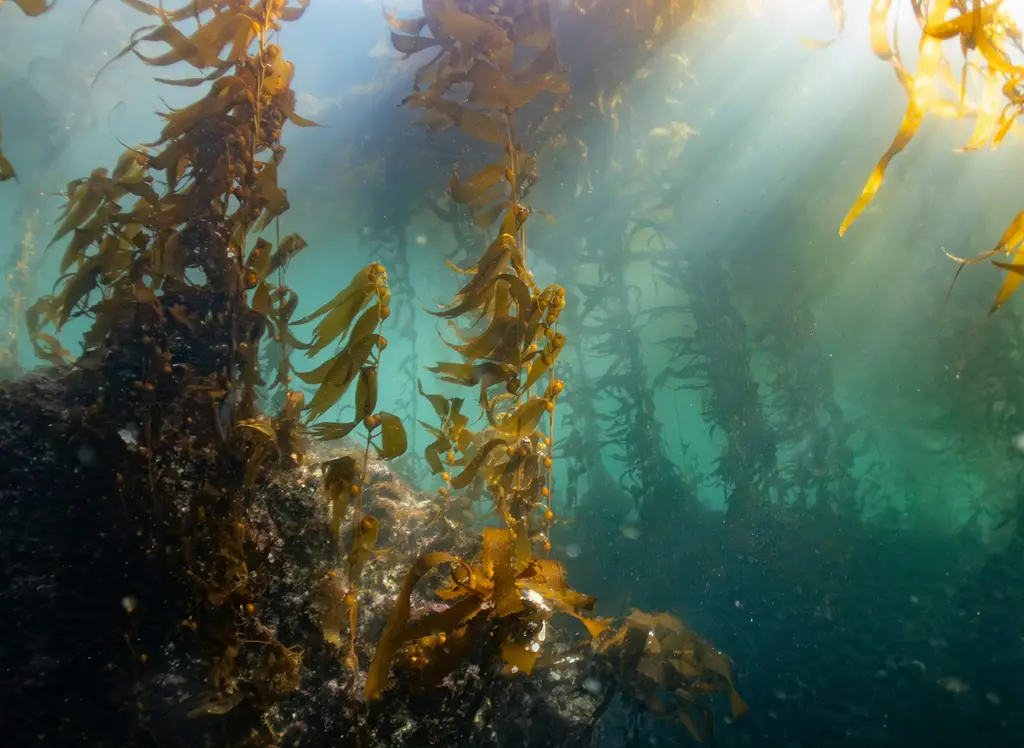
Autumn brings crisp air and fewer crowds. Water temperatures begin to drop, but visibility often remains excellent. Charters continue into late fall, offering a peaceful diving experience before winter sets in.
Winter

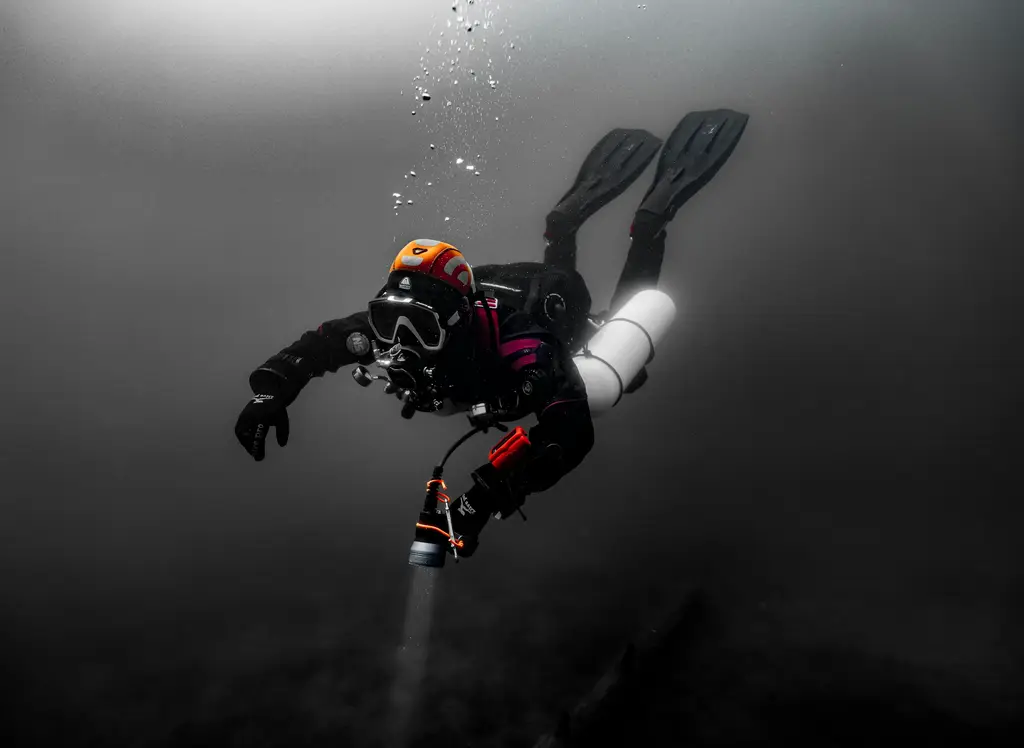
Winter diving is extremely specialized, primarily limited to ice diving for experienced drysuit divers in protected bays. Most dive shops and charter operations are closed, resuming in late spring.

Free tools

Your free outdoor toolkit
Keep exploring
Nearby states

In your pocket

Take every dive site with you.

Free, no account needed. Dive-site charts, marine conditions, and your dive log in your pocket.

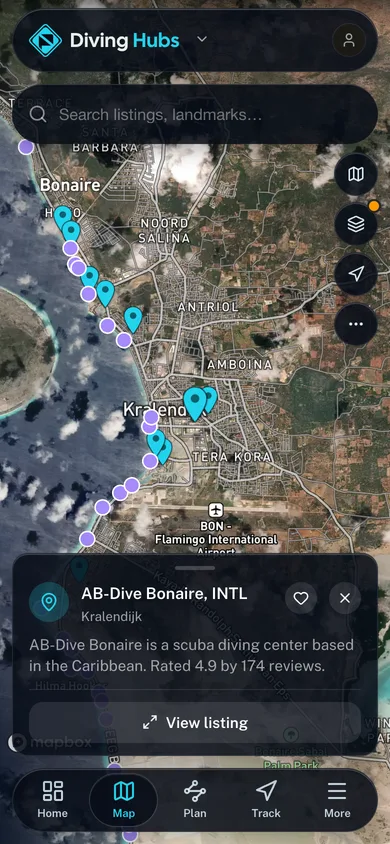
  • Every dive shop and charter in your pocket

  • Reefs, wrecks, and walls charted on the map

  • Viz and current reports from divers just surfaced

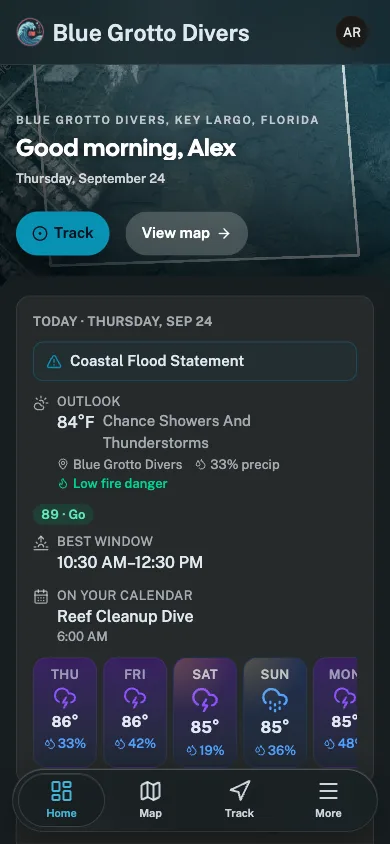
  • NOAA conditions before the boat leaves the dock

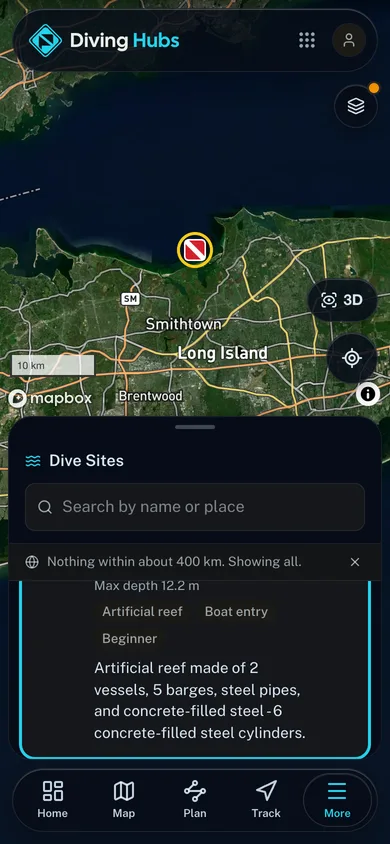
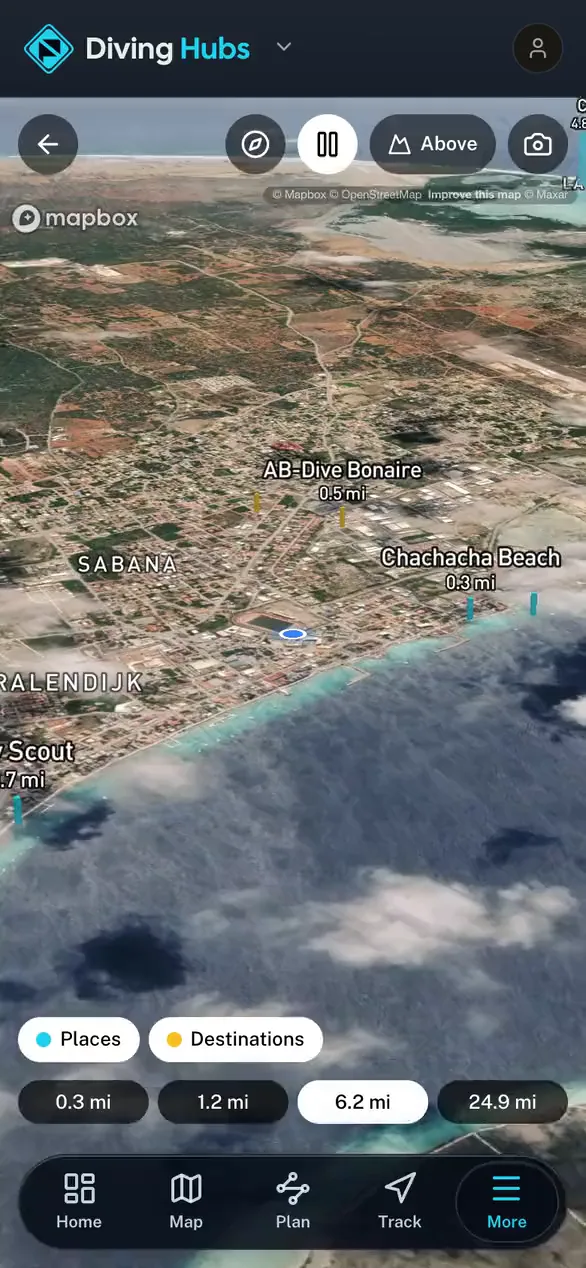
The Diving Hubs app dashboard

For operators

Run your dive business?
Launch your branded surface.

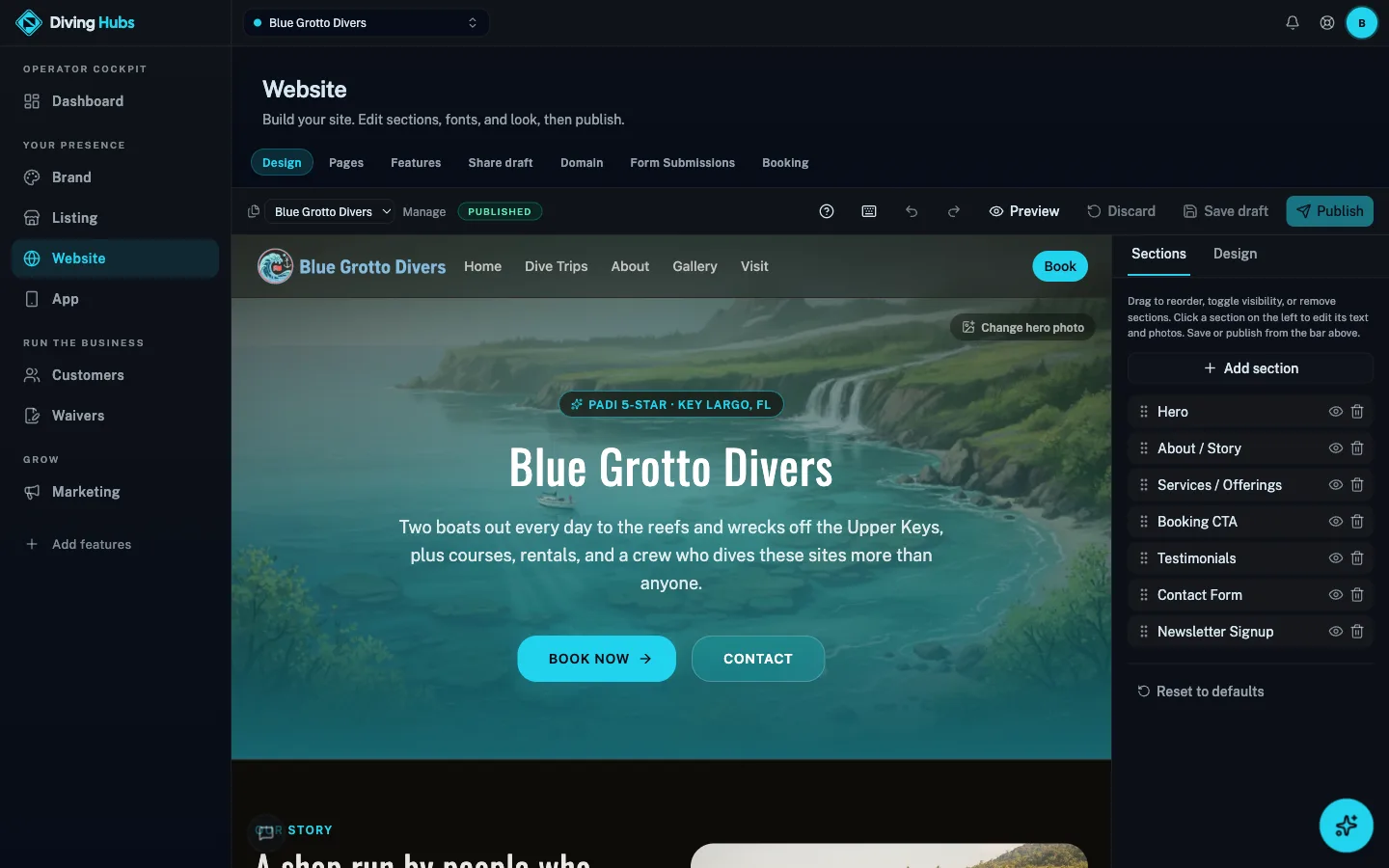
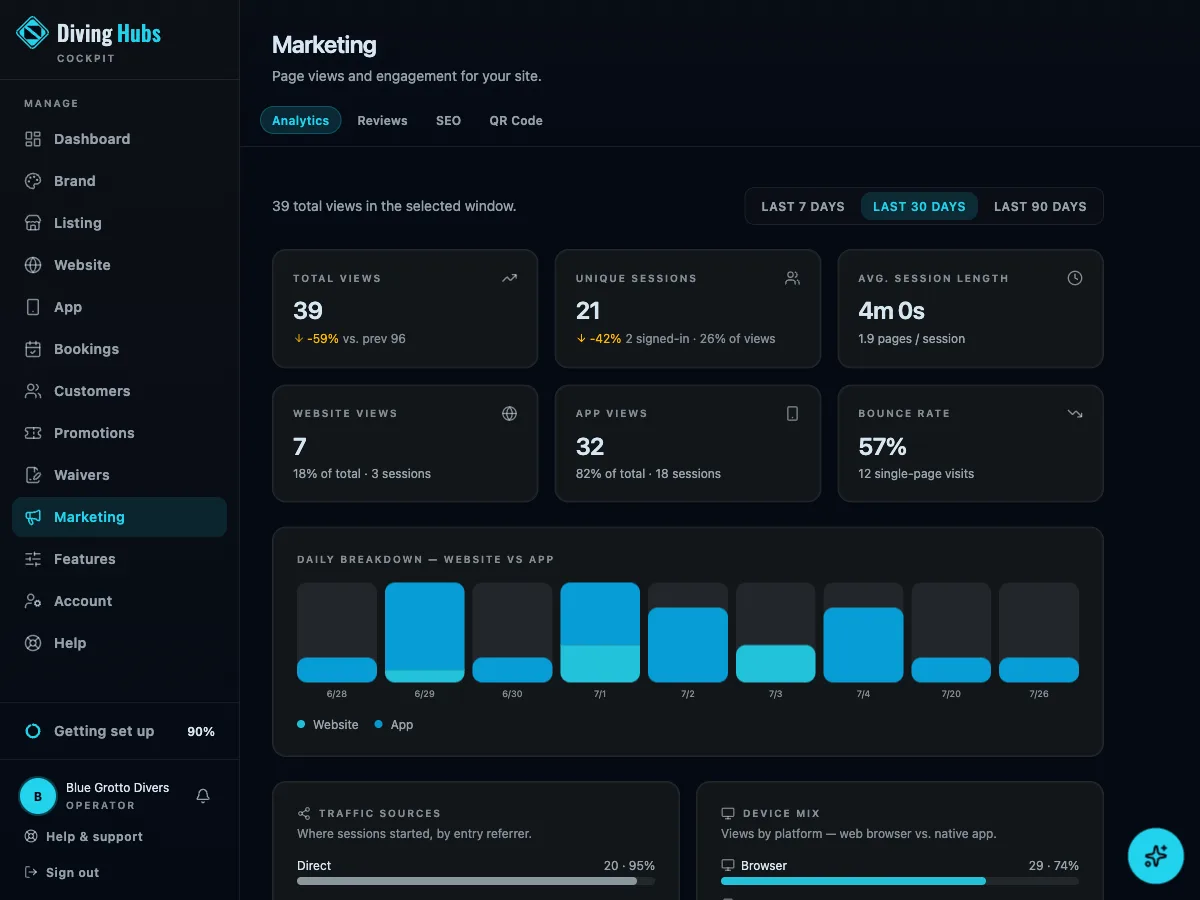
Get your own branded surface in the Diving Hubs app and a directory listing in minutes. Bookings, digital waivers, and your whole operation live in one cockpit.