Skip to content
Ohio diving. Backdrop for the Diving Hubs Ohio dive shop directory

Scuba Diving · Ohio

Scuba Diving in Ohio

Dive 18 dive shops and charters across Ohio. Maps, hours, contact info, photos, and verified operator profiles, all in one place.

Hocking Hills, Lake Erie, and Amish hardwood country.

About Ohio

Ohio offers a unique freshwater diving experience, primarily centered around Lake Erie and various inland quarries. Lake Erie, one of the Great Lakes, is a graveyard for thousands of shipwrecks, many of which are accessible to recreational divers. The lake's cold, fresh water helps preserve these historical sites, providing a glimpse into maritime history. Dive shops along the northern coast, particularly in towns like Port Clinton, Sandusky, and Cleveland, serve as primary access points, offering charter trips to these intriguing wreck sites.

Beyond Lake Erie's depths, Ohio's inland quarries provide year-round diving opportunities, serving as essential training grounds and local dive destinations. Sites like Gilboa Quarry in Ottawa, White Star Quarry in Gibsonburg, and Nelson Ledges Quarry Park in Nelson offer clear water, submerged attractions, and facilities for divers of all skill levels. These quarries are crucial for dive shops across the state, enabling them to conduct certification courses, specialty training, and equipment testing regardless of Lake Erie's seasonal conditions.

While Ohio does not feature liveaboard diving, the state's dive shops are integral to the local diving community. They provide essential services, including gear sales and rentals, tank fills, equipment servicing, and a comprehensive range of PADI, SSI, and NAUI certification courses. These establishments also organize local dive trips and often facilitate travel to warmer, more exotic dive destinations, making them central hubs for Ohio's passionate diving population.

18 on the map

Loading map…

Tap a pin to open its profile.

Quick facts

Dive shops and charters listed
18
Best season
April through November

All listings

18 dive shops and charters

across Ohio

All states

Get listed free

Run a dive shop in Ohio? Add it to Diving Hubs. Free, no commission.

Add your listing

Plan your trip

Plan your trip to Ohio

Lake Erie Wreck Diving

Ohio's signature diving experience is exploring the numerous shipwrecks in Lake Erie. These sites range in depth from 20 feet to over 100 feet. Many of the most intact and interesting wrecks require Advanced Open Water certification due to depth, potential currents, and overhead environments. Access is almost exclusively via charter boats departing from ports like Port Clinton, Sandusky, and Cleveland.

Inland Quarry Diving

Ohio is home to several popular freshwater quarries, including Gilboa Quarry and White Star Quarry. These sites offer shore entry, controlled environments, and various submerged attractions suitable for Open Water divers. They are primarily used for training, but also provide excellent recreational diving with depths up to 130 feet. Facilities often include changing rooms, air fills, and sometimes even food services.

Water Temperatures and Visibility

Lake Erie water temperatures range from 40–65°F at the surface in summer, dropping significantly below thermoclines. Visibility varies greatly, from 5 feet to over 40 feet depending on conditions and location. Inland quarries typically range from 40–75°F, with visibility often exceeding 30 feet, making drysuits or thick wetsuits essential for year-round diving in both environments.

Exposure Protection

Given Ohio's cold freshwater environments, appropriate exposure protection is crucial. A 7mm wetsuit is generally the minimum for summer quarry diving, but a drysuit is highly recommended for Lake Erie wreck diving and any diving outside of peak summer months. Many dive shops offer drysuit courses and rentals.

Training Hub for Divers

Ohio serves as a significant training ground for divers. Many individuals complete their Open Water and advanced certifications in local quarries before traveling to warmer, coastal destinations for more extensive ocean diving. Dive shops across the state are well-equipped to provide comprehensive training and prepare divers for a variety of global diving conditions.

Confirm current requirements with the state agency before your trip. Rules and fees change every season.

  • Boating Safety Education

    Ohio law requires any person born on or after January 1, 1982, to successfully complete an approved boating safety course or proficiency exam to operate any powered watercraft over 10 horsepower. This applies to divers operating their own boats to access dive sites.

    Ohio DNR Boating
  • Dive Flag Requirements

    Ohio law mandates the display of a diver-down flag whenever divers are in the water. The flag must be at least 12 by 12 inches for boat-mounted flags or 12 by 12 inches for buoy flags. Boaters must maintain a safe distance from displayed dive flags.

    Ohio DNR Boating
  • Underwater Cultural Resources

    The Ohio Revised Code protects historic shipwrecks and other underwater archaeological sites. It is illegal to disturb, remove, or damage artifacts from these sites. Divers are encouraged to observe and photograph, but not to touch or remove anything from wrecks.

  1. 01

    Research Ohio Dive Shops

    Begin by identifying dive shops in regions of interest, such as the Lake Erie shore for wreck diving or central Ohio for quarry access. Contact them to inquire about services, charter availability, and equipment rentals.

  2. 02

    Choose Your Dive Site

    Decide whether your primary interest is Lake Erie wreck diving or inland quarry exploration. Lake Erie requires boat charters, while quarries typically offer shore entry and day passes. Consider your certification level and experience when making this choice.

  3. 03

    Verify Certification and Gear

    Ensure your diving certification is current and appropriate for your chosen sites; many Lake Erie wrecks require Advanced Open Water. Confirm you have adequate exposure protection (drysuit recommended) and all necessary gear, or arrange for rentals through a local dive shop.

  4. 04

    Book Charters or Quarry Access

    For Lake Erie, book your dive charter well in advance, especially during peak summer months. For quarries, check their operating hours and entry requirements, as some may require reservations or have specific weekend schedules.

  5. 05

    Check Local Conditions

    Before your dive day, contact your dive operator or quarry management for the latest weather forecasts, water conditions, and visibility reports. Be prepared for cold water and potential changes in plans due to adverse weather.

01What kind of diving is available in Ohio?
Ohio offers two primary types of diving: freshwater wreck diving in Lake Erie and recreational/training dives in numerous inland quarries. Lake Erie features historical shipwrecks, while quarries provide controlled environments with submerged objects for all skill levels.
02What is the best time of year to dive in Ohio?
The best time for Lake Erie wreck diving is during the summer months, from June through August, when surface temperatures are warmer and visibility is generally at its best. Inland quarries are diveable year-round, with summer being the most comfortable and winter offering ice diving for specialized divers.
03What certification level do I need for Ohio diving?
For inland quarries, an Open Water Diver certification is typically sufficient. However, for many of the deeper and more challenging shipwrecks in Lake Erie, an Advanced Open Water Diver certification or higher is recommended due to depth, cold water, and potential currents.
04Are there liveaboard diving options in Ohio?
No, Ohio does not have liveaboard diving operations. All diving in Lake Erie is done via day trips on charter boats, and inland quarry diving is typically shore-based with facilities available on site.
05What are the typical water temperatures and visibility in Ohio?
Lake Erie temperatures range from 40–65°F, with deeper areas consistently colder. Visibility in Lake Erie can vary from 5 feet to over 40 feet. Inland quarries generally have temperatures from 40–75°F, with visibility often exceeding 30 feet, making drysuits or thick wetsuits essential.
06Can I spearfish while scuba diving in Ohio?
Spearfishing is permitted in Ohio, but specific regulations apply depending on the body of water and the type of fish. Divers must possess a valid Ohio fishing license and adhere to all state fishing laws, including size and bag limits. Always verify current regulations with the Ohio Department of Natural Resources.

When to go

Season by season in Ohio

Spring (April–May)

Lake Erie diving begins to open up as ice recedes, but water temperatures remain very cold, often in the 40s F. Visibility can be variable due to spring runoff. Inland quarries become more active for training and recreational dives as surface temperatures rise.
Summer (June–August)

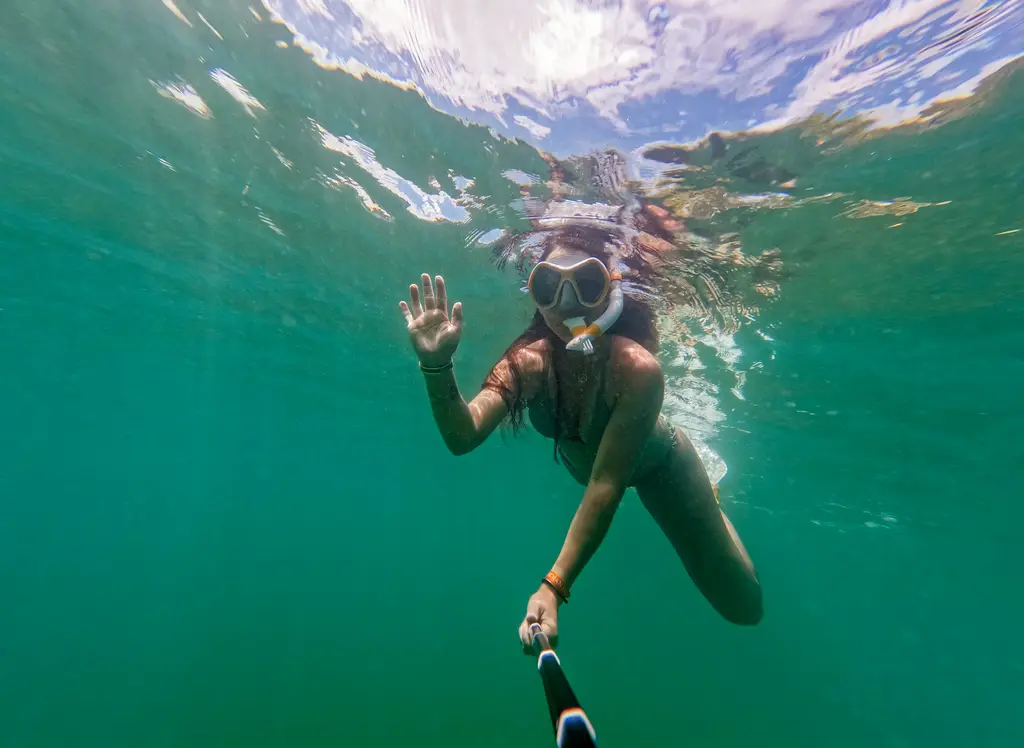
This is prime diving season for Lake Erie, with surface temperatures reaching the mid-60s F, though thermoclines mean deeper wrecks stay cold. Visibility improves significantly, making wreck diving more enjoyable. Inland quarries are at their warmest and busiest, ideal for training and leisure dives.
Fall (September–November)

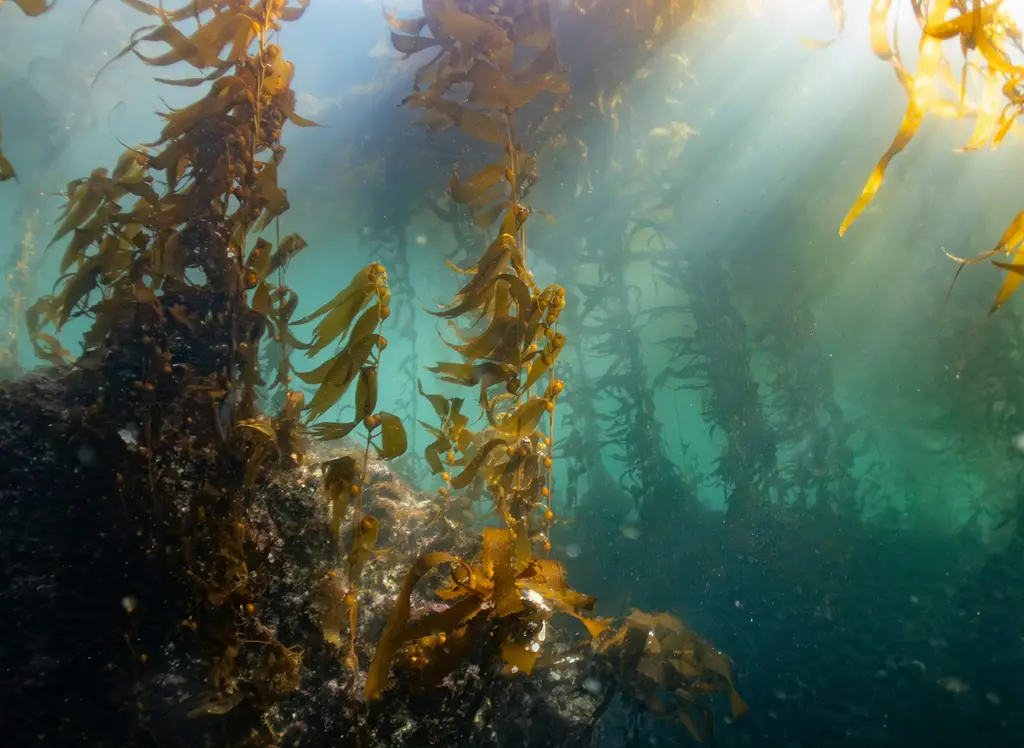
Lake Erie diving continues into early fall, offering some of the best visibility as the lake turns over. Water temperatures gradually drop, necessitating thicker exposure protection. Quarry diving remains popular until colder weather sets in, often with excellent visibility.
Winter (December–March)

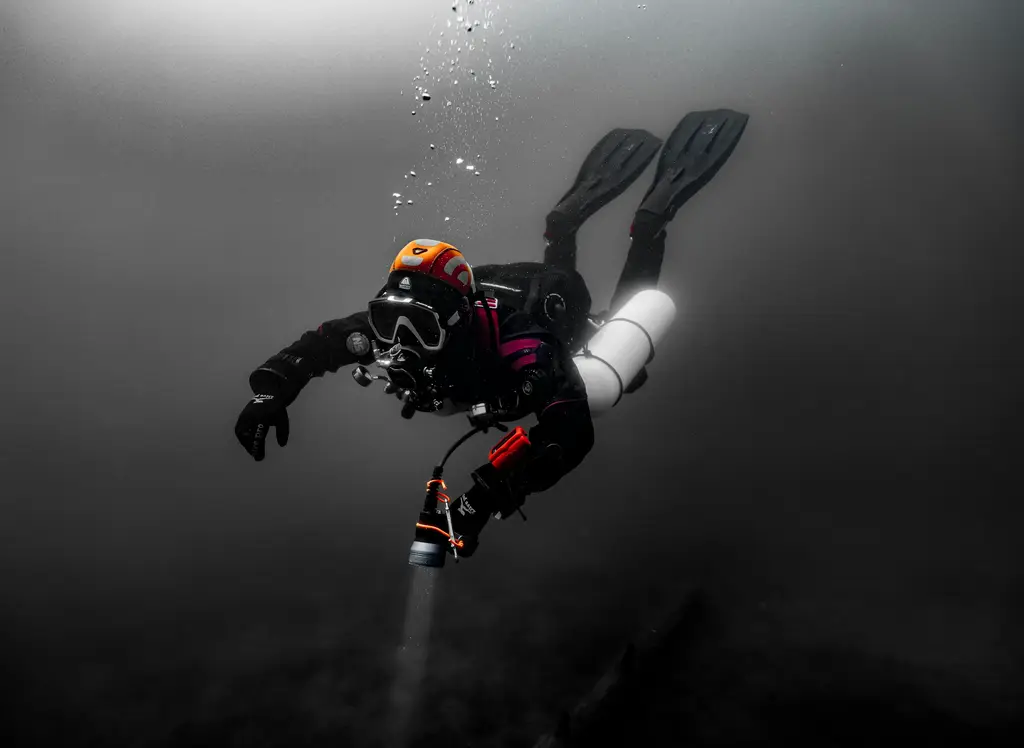
Lake Erie diving is generally not feasible due to ice formation and extreme cold. Inland quarries may offer ice diving opportunities for properly trained and equipped divers. Many dive shops focus on classroom training, equipment maintenance, and planning for the next dive season during these months.

Free tools

Your free outdoor toolkit
Keep exploring
Nearby states

In your pocket

Take every dive site with you.

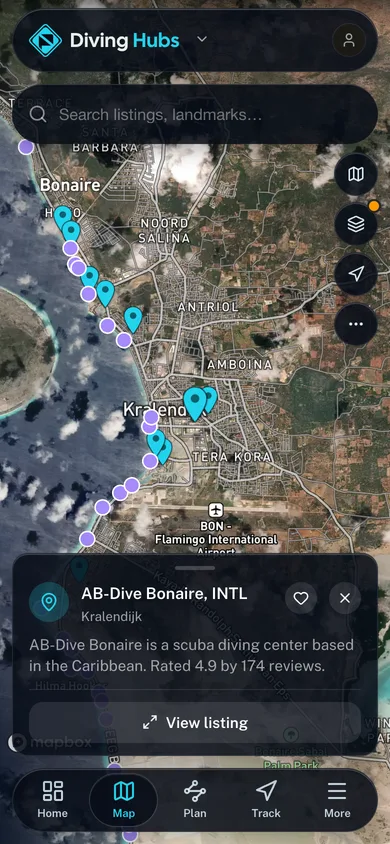
Free, no account needed. Dive-site charts, marine conditions, and your dive log in your pocket.

  • Every dive shop and charter in your pocket

  • Reefs, wrecks, and walls charted on the map

  • Viz and current reports from divers just surfaced

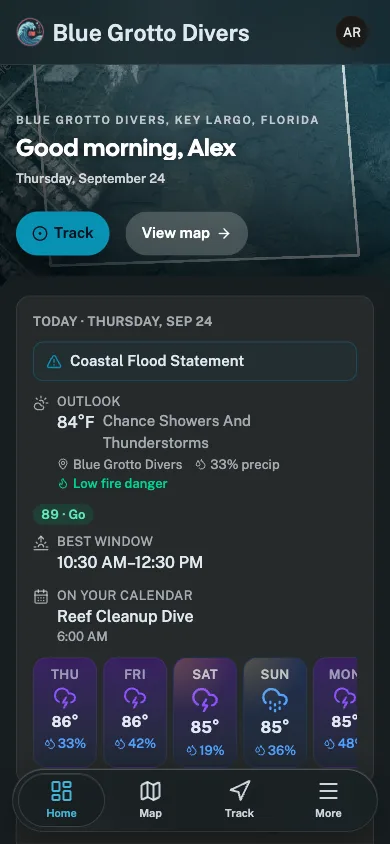
  • NOAA conditions before the boat leaves the dock

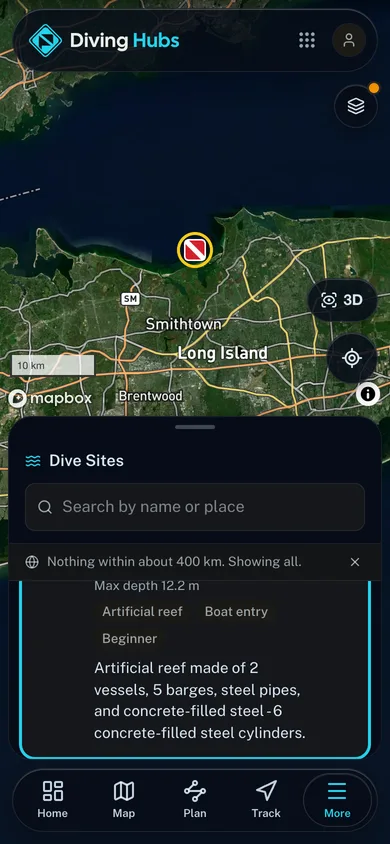
The Diving Hubs app dashboard

For operators

Run your dive business?
Launch your branded surface.

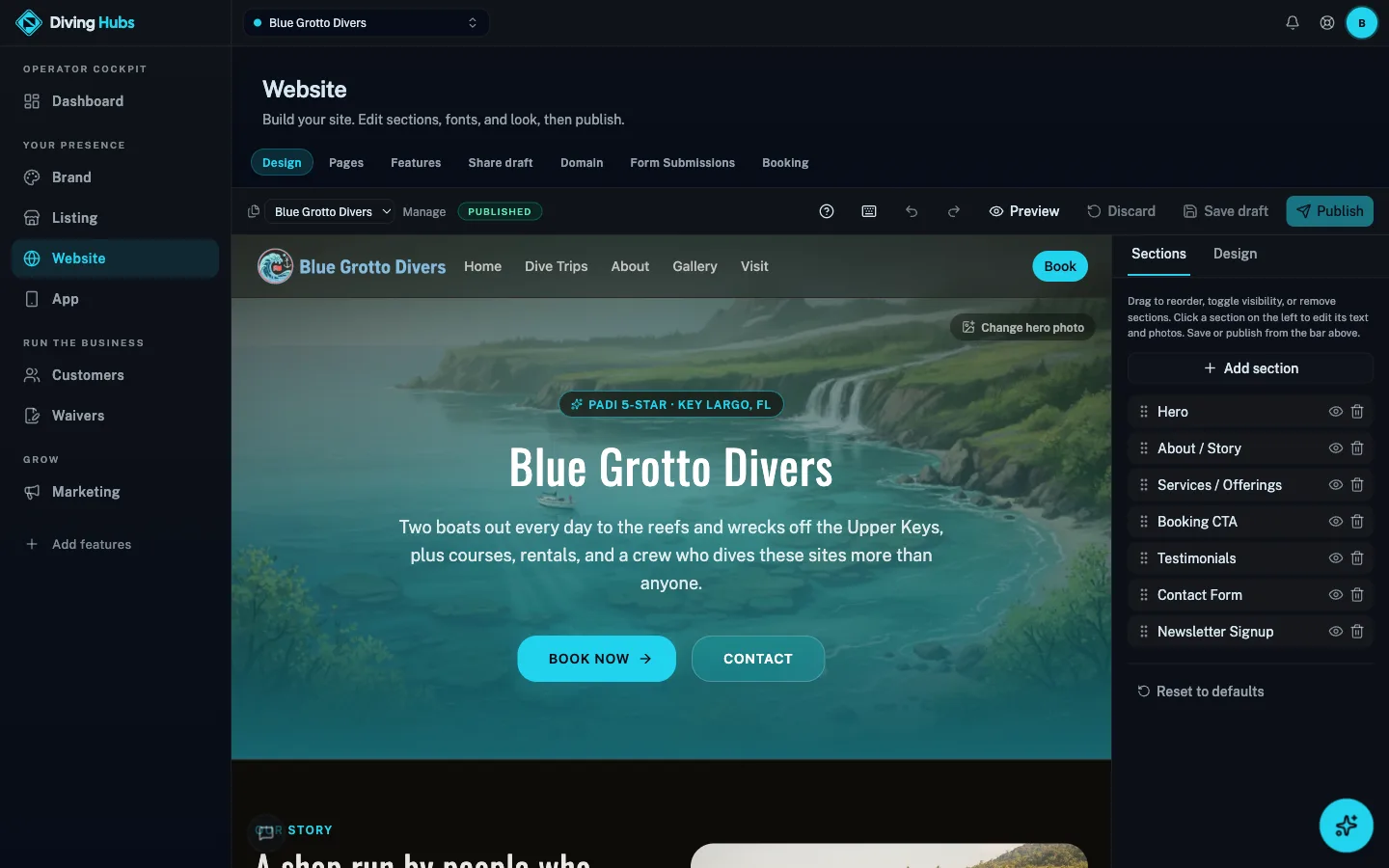
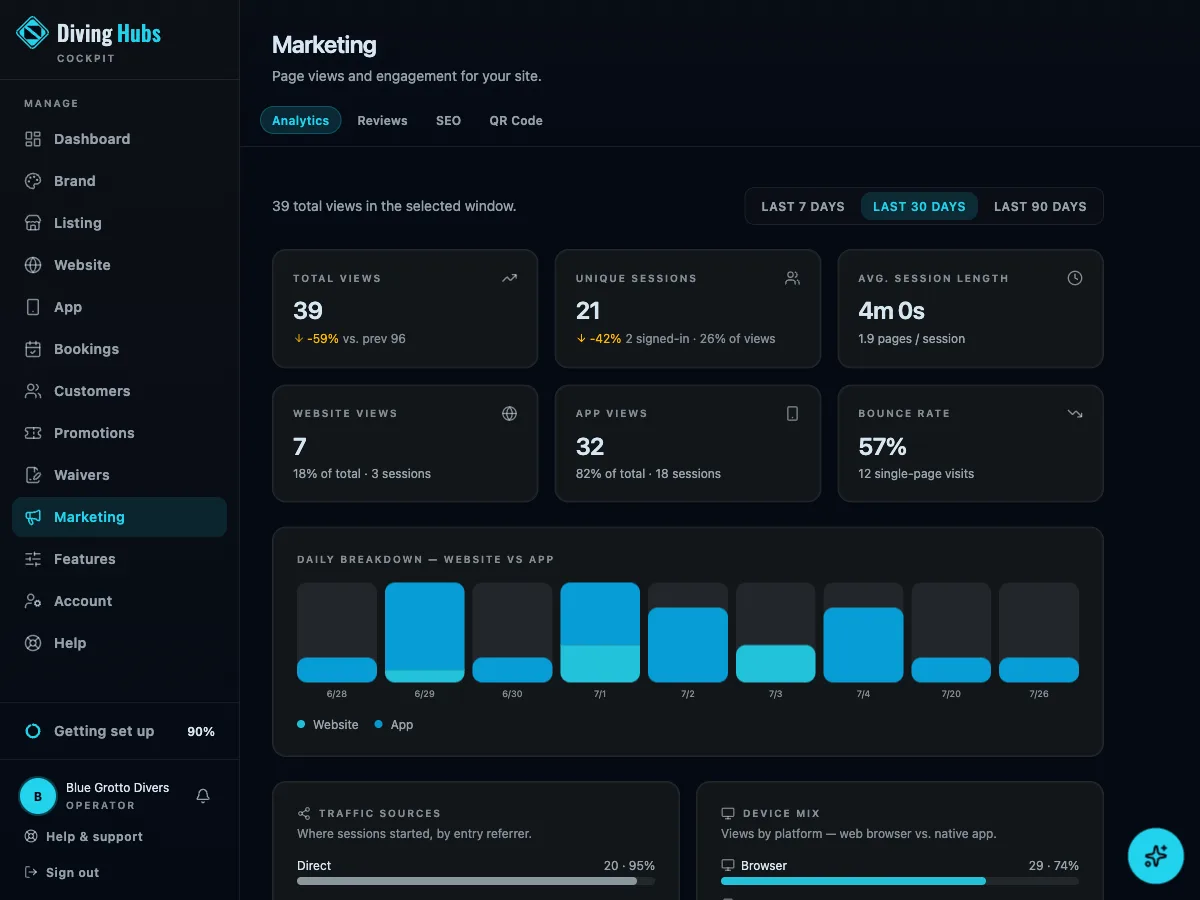
Get your own branded surface in the Diving Hubs app and a directory listing in minutes. Bookings, digital waivers, and your whole operation live in one cockpit.