Skip to content
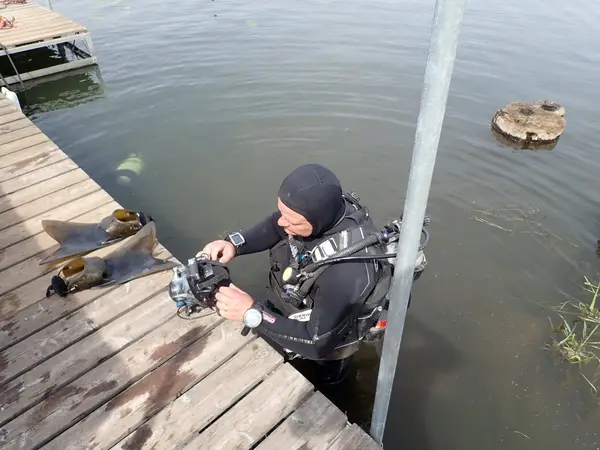
Minnesota diving. Backdrop for the Diving Hubs Minnesota dive shop directory

Scuba Diving · Minnesota

Scuba Diving in Minnesota

Dive 13 dive shops and charters across Minnesota. Maps, hours, contact info, photos, and verified operator profiles, all in one place.

11,842 lakes, the Boundary Waters, and the headwaters of the Mississippi.

About Minnesota

Minnesota offers a unique freshwater diving experience, primarily characterized by its vast number of inland lakes and the formidable depths of Lake Superior. Divers exploring the state will encounter diverse underwater landscapes, from historic shipwrecks in the Great Lakes to submerged forests and artificial reefs in smaller, shallower bodies of water. The diving infrastructure is centered around local dive shops, which provide training, gear, and guided trips to popular sites. There are no liveaboard operations in Minnesota, with all diving conducted via day boats or shore access.

Lake Superior, particularly along Minnesota's North Shore near Duluth and Two Harbors, presents some of the most challenging yet rewarding wreck diving in the Midwest. Its frigid, clear waters preserve wooden shipwrecks exceptionally well, offering glimpses into maritime history. The deep water and often remote locations demand advanced diving skills and appropriate cold-water exposure protection. Visibility can frequently exceed 40 feet, allowing divers to appreciate the scale and detail of these submerged vessels, which range from early wooden schooners to large ore carriers.

Beyond Lake Superior, Minnesota's more than 10,000 inland lakes provide a different, often more accessible, diving environment. Lakes like Mille Lacs, Gull Lake, and White Bear Lake are popular for training, recreational dives, and ice diving during winter months. These lakes feature submerged platforms, small artificial reefs, and occasional minor wrecks. While visibility varies greatly by lake and season, summer surface temperatures can be considerably warmer than Lake Superior, making them suitable for less extreme cold-water gear. Dive shops across the state service these local diving communities, offering a range of activities.

The diving community in Minnesota is active year-round, adapting to the seasonal changes that transform dive sites. From open water conditions in the warmer months to specialized ice diving expeditions in winter, the state caters to divers seeking varied experiences. Equipment sales, service, and specialized training, including drysuit and ice diving certifications, are readily available through established dive centers. These local hubs are crucial for navigating the specific conditions and accessing the best diving spots throughout the different regions of Minnesota.

13 on the map

Loading map…

Tap a pin to open its profile.

Quick facts

Dive shops and charters listed
13
Best season
May through October

All listings

13 dive shops and charters

across Minnesota

All states

Get listed free

Run a dive shop in Minnesota? Add it to Diving Hubs. Free, no commission.

Add your listing

Plan your trip

Plan your trip to Minnesota

Water Bodies and Dive Seasons

Diving in Minnesota primarily occurs in Lake Superior and numerous inland lakes. Lake Superior is diveable from late spring through fall, while inland lakes are accessible for open water diving during the same period and for ice diving in winter. Specific sites like the Madeira shipwreck in Lake Superior are accessed by charter boat from the North Shore.

Water Temperature and Visibility

Lake Superior maintains very cold temperatures, typically 35–50°F year-round below the thermocline, with visibility often exceeding 40–60 feet. Inland lakes vary widely; summer surface temperatures can reach 60–70°F, but visibility ranges from 10–30 feet. Drysuits are highly recommended for Lake Superior and most Minnesota diving, with a 7mm wetsuit suitable for shallower summer inland lake dives.

Certification Levels

For Lake Superior wreck diving, Advanced Open Water, Drysuit Diver, and Wreck Diver certifications are strongly advised due to depth, cold, and potential overhead environments. Open Water certification is sufficient for many inland lake training sites and recreational dives. Specialized Ice Diver certification is mandatory for winter ice diving activities.

Access and Equipment

Access to Lake Superior wrecks is almost exclusively via dive charters operating out of North Shore towns like Duluth or Two Harbors. Many inland lake sites offer shore access, often at public beaches or boat launches, or are accessed by small local boats. Due to the predominantly cold water, full cold-water gear, including drysuits, thick hoods, gloves, and appropriate insulation, is essential.

Shipwreck Preservation

All shipwrecks in Minnesota waters are protected historical sites. Divers must observe a strict 'look, don't touch' policy. Removal or disturbance of artifacts is illegal. Mooring buoys are often available at popular wreck sites in Lake Superior; direct anchoring on wrecks is prohibited to prevent damage.

Confirm current requirements with the state agency before your trip. Rules and fees change every season.

  • Boating Safety Education

    Anyone born on or after July 1, 1987, must complete a Minnesota DNR approved boating safety course to operate a motorized boat over 25 horsepower on public waters. This applies to divers operating their own boats to access dive sites.

    Minnesota DNR
  • Shipwreck Preservation Laws

    Minnesota state law protects all historic shipwrecks and associated artifacts within its waters. Divers are prohibited from disturbing, removing, or salvaging any part of a shipwreck or its contents. These sites are considered underwater archaeological resources.

  • State Park Entry Permit

    A vehicle permit is required for entry into Minnesota State Parks and Recreation Areas, some of which host popular dive sites or provide access to lakes. Permits can be purchased daily or annually at park entrances.

    Minnesota DNR
  1. 01

    Obtain Appropriate Certifications

    Ensure you have the necessary certifications for the diving you plan to do. Advanced Open Water and Drysuit Diver are essential for Lake Superior, with Wreck Diver highly recommended. Ice Diver is required for winter activities.

  2. 02

    Research Dive Shops and Charters

    Contact local dive shops in your chosen region (e.g., Duluth for Lake Superior, Brainerd for Central Lakes) to inquire about guided trips, equipment rentals, and local conditions. Book Lake Superior charters well in advance.

  3. 03

    Prepare for Cold Water

    Invest in or rent suitable cold-water exposure protection. A drysuit is the standard for most Minnesota diving, along with thick undergarments, hoods, and gloves, even in summer for Lake Superior.

  4. 04

    Plan Your Access

    Determine if your chosen dive sites require boat access (Lake Superior wrecks) or are shore-accessible (many inland lakes). Verify any park entry fees or launch permits needed for specific locations.

  5. 05

    Verify Local Conditions and Regulations

    Always check current weather forecasts, water conditions, and any specific local regulations or advisories with dive operators or the Minnesota DNR before your dive trip.

01What kind of diving is available in Minnesota?
Minnesota offers distinct diving experiences, primarily focusing on freshwater wreck diving in Lake Superior, recreational and training dives in numerous inland lakes, and specialized ice diving during the winter months. Divers can explore historic shipwrecks, submerged rock formations, and artificial dive platforms.
02Do I need a drysuit to dive in Minnesota?
A drysuit is highly recommended for diving in Minnesota, especially for Lake Superior year-round and for most inland lake diving outside of peak summer. The water temperatures are consistently cold, making proper thermal protection crucial for comfort and safety. Many local dive shops offer drysuit rentals and training.
03Are there liveaboards in Minnesota?
No, Minnesota's diving scene does not include liveaboard operations. All diving is conducted via day trips, either from shore or using chartered boats. Dive shops facilitate these excursions, particularly for accessing the deeper wreck sites in Lake Superior.
04What is the visibility like in Minnesota's dive sites?
Visibility varies significantly by location and season. Lake Superior often boasts excellent visibility, frequently ranging from 40 to 60 feet or more, contributing to its appeal for wreck diving. Inland lakes typically offer 10 to 30 feet of visibility, which can be affected by factors like algae blooms, runoff, and diver activity.
05What certification level is required for Lake Superior wrecks?
Due to the depth, cold water, and often overhead environments of the shipwrecks, Advanced Open Water, Drysuit Diver, and Wreck Diver certifications are generally recommended for Lake Superior diving. Some sites may also require specialized training for technical diving. Always confirm requirements with your charter operator.
06Can I dive year-round in Minnesota?
Yes, diving is a year-round activity in Minnesota with the appropriate training and gear. Spring through fall offers open water diving in both Lake Superior and inland lakes. Winter transforms inland lakes into popular sites for ice diving, which requires specific certifications and safety protocols.

When to go

Season by season in Minnesota
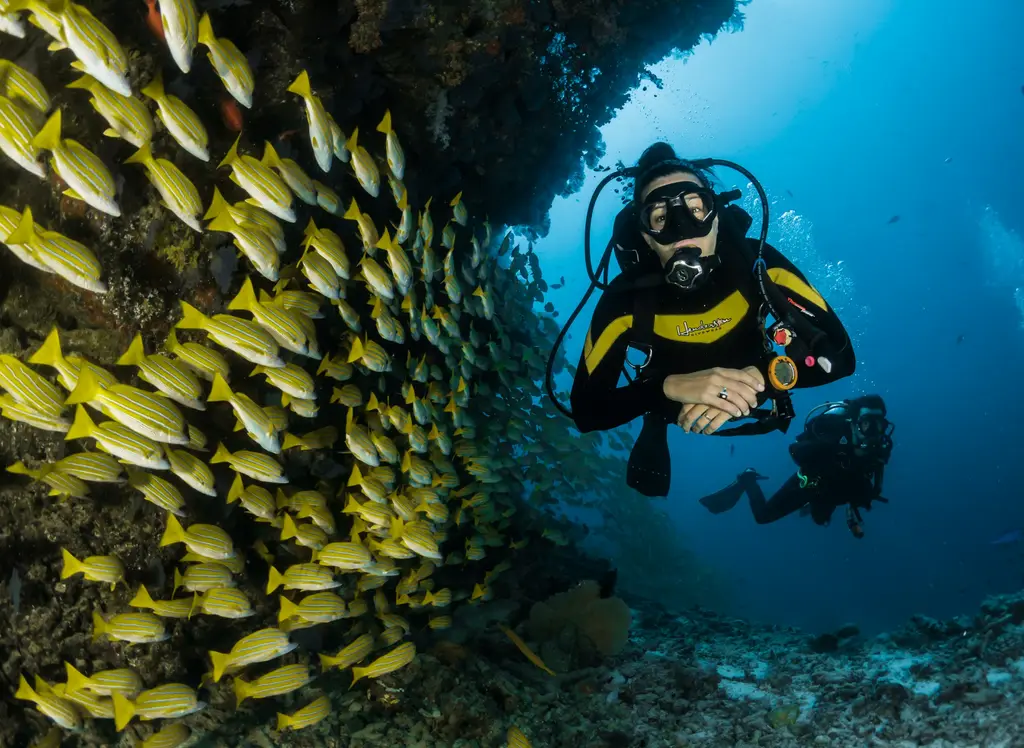
Spring

As ice melts, water temperatures remain very cold, especially in Lake Superior. Inland lakes may experience reduced visibility due to runoff. Boat diving season begins for many operators.
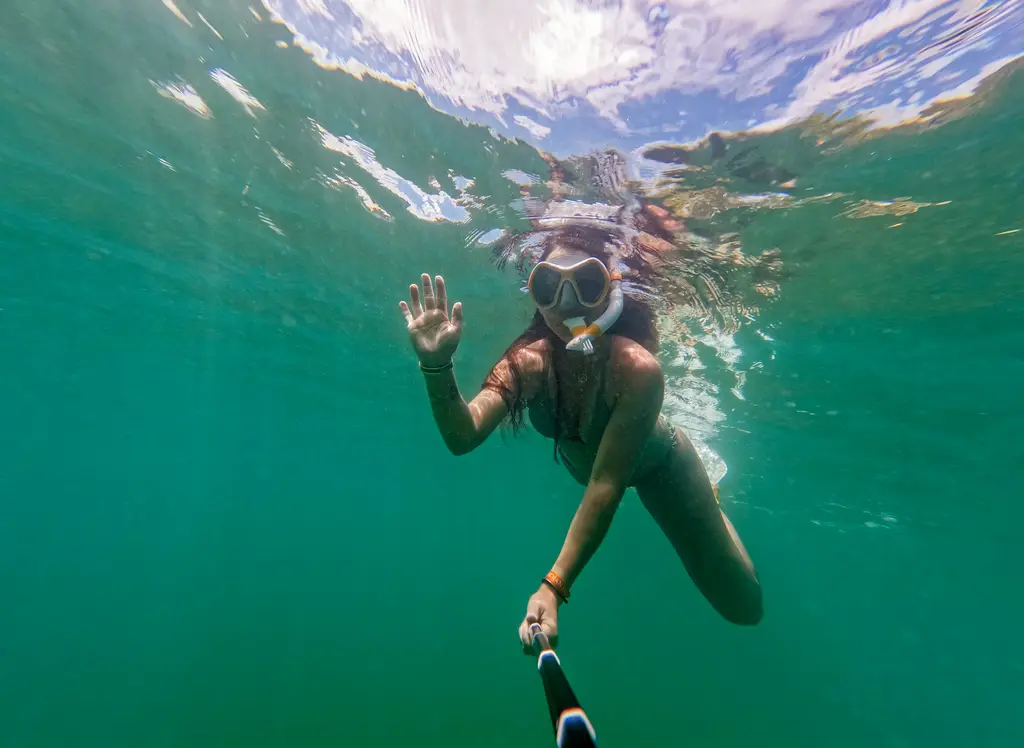
Summer

This is peak open water diving season. Inland lakes offer warmer surface temperatures and generally good visibility. Lake Superior remains cold, requiring drysuit protection for most dives.
Fall

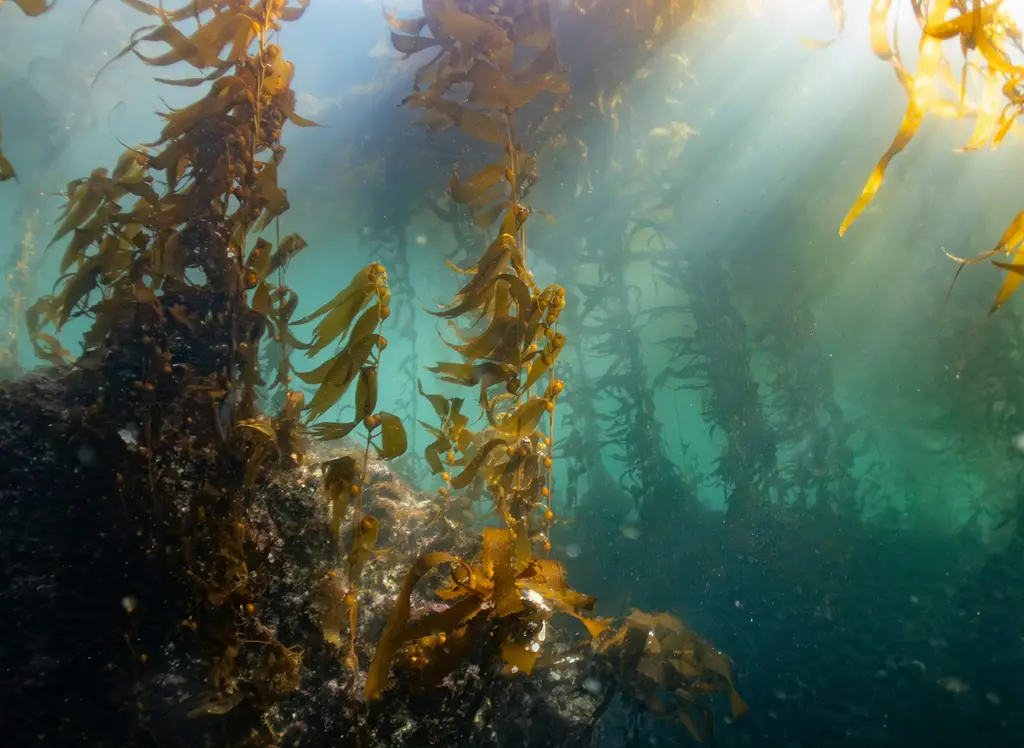
Cooler air and water temperatures bring excellent visibility to many dive sites before winter freeze-up. Dive operations continue, though dive windows may shorten due to weather.
Winter

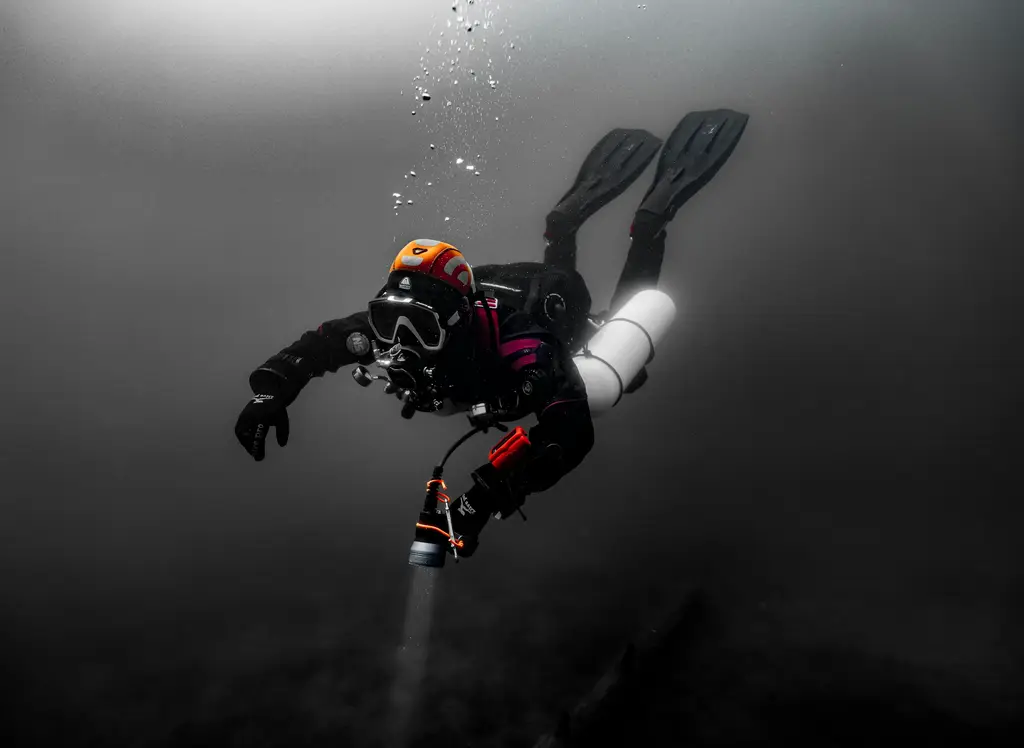
Inland lakes freeze over, creating prime conditions for ice diving. This specialized activity requires specific training and equipment. Lake Superior diving typically ceases until spring.

Free tools

Your free outdoor toolkit
Keep exploring
Nearby states

In your pocket

Take every dive site with you.

Free, no account needed. Dive-site charts, marine conditions, and your dive log in your pocket.

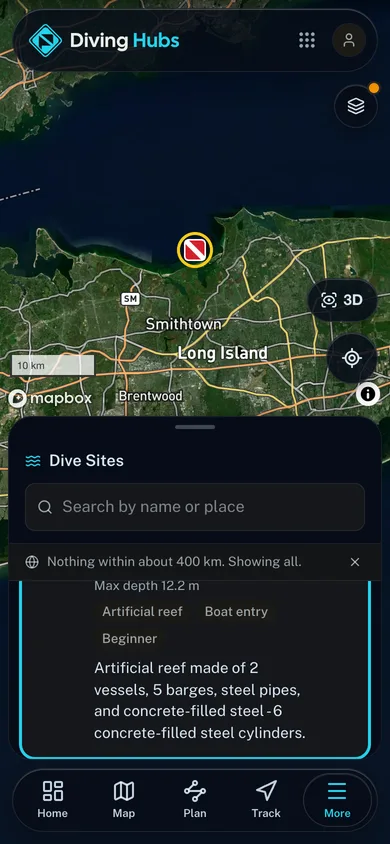
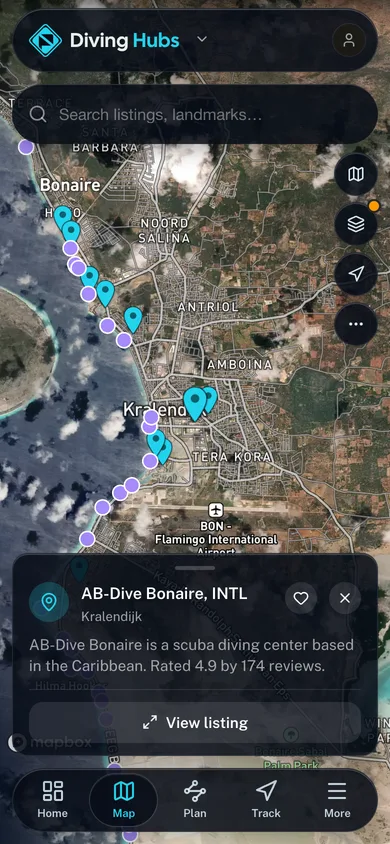
  • Every dive shop and charter in your pocket

  • Reefs, wrecks, and walls charted on the map

  • Viz and current reports from divers just surfaced

  • NOAA conditions before the boat leaves the dock

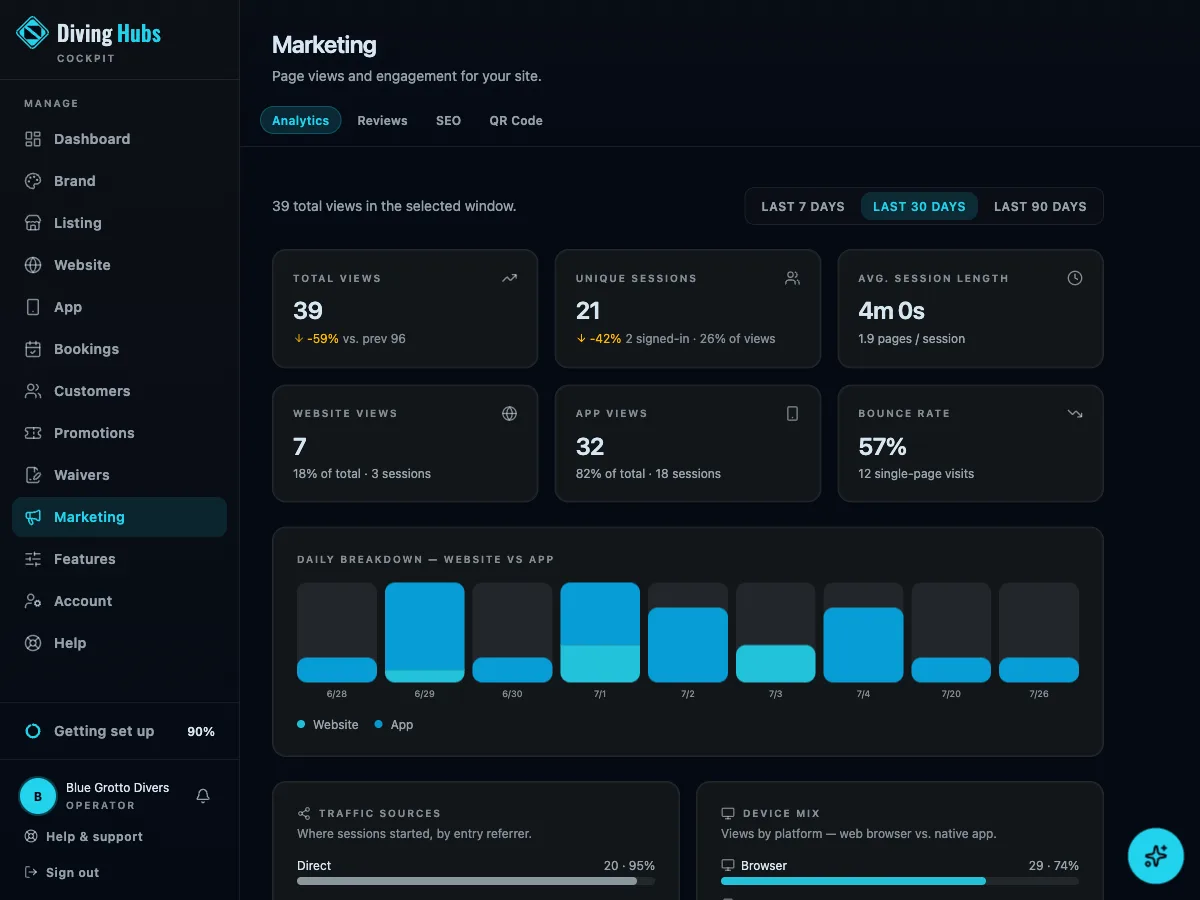
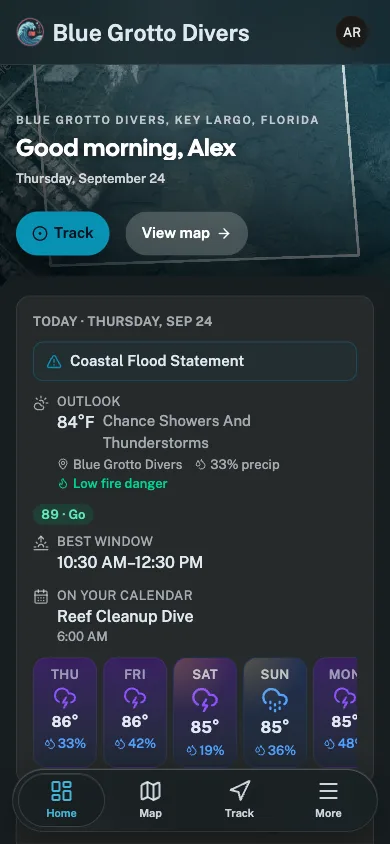
The Diving Hubs app dashboard

For operators

Run your dive business?
Launch your branded surface.

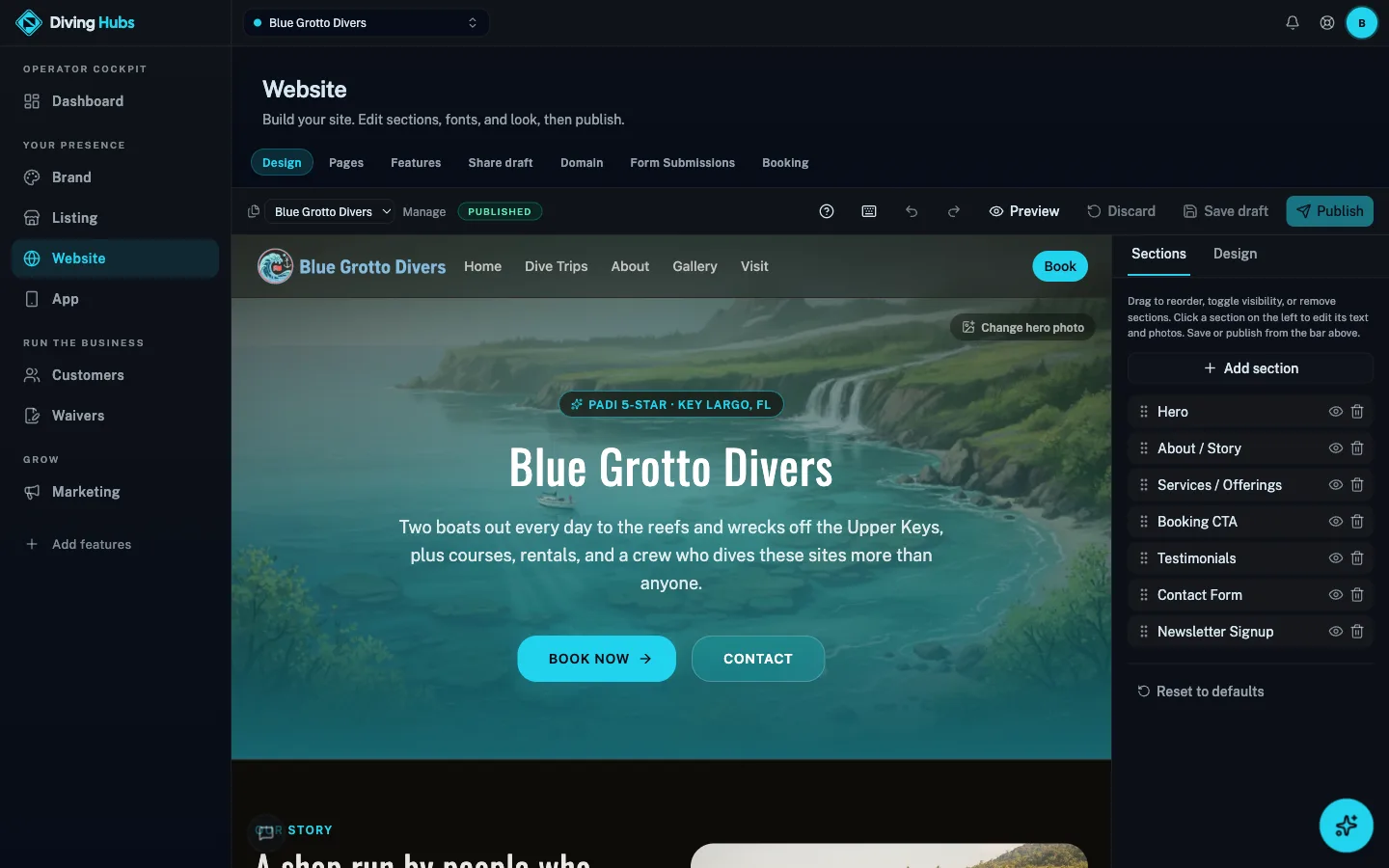
Get your own branded surface in the Diving Hubs app and a directory listing in minutes. Bookings, digital waivers, and your whole operation live in one cockpit.