Skip to content
North Carolina diving. Backdrop for the Diving Hubs North Carolina dive shop directory

Scuba Diving · North Carolina

Scuba Diving in North Carolina

Dive 20 dive shops and charters across North Carolina. Maps, hours, contact info, photos, and verified operator profiles, all in one place.

Outer Banks, the Smokies, and the longest segment of the Blue Ridge.

About North Carolina

North Carolina's Atlantic waters are renowned among the global diving community, primarily for its exceptional wreck diving opportunities. Often dubbed the "Graveyard of the Atlantic," the state's coast is home to thousands of shipwrecks, a testament to its treacherous shoals and historical maritime activity. From the Outer Banks down to the Crystal Coast near Morehead City and Wilmington, these submerged relics create vibrant artificial reefs. They attract diverse marine life and make North Carolina a premier destination for advanced divers seeking adventure and history.

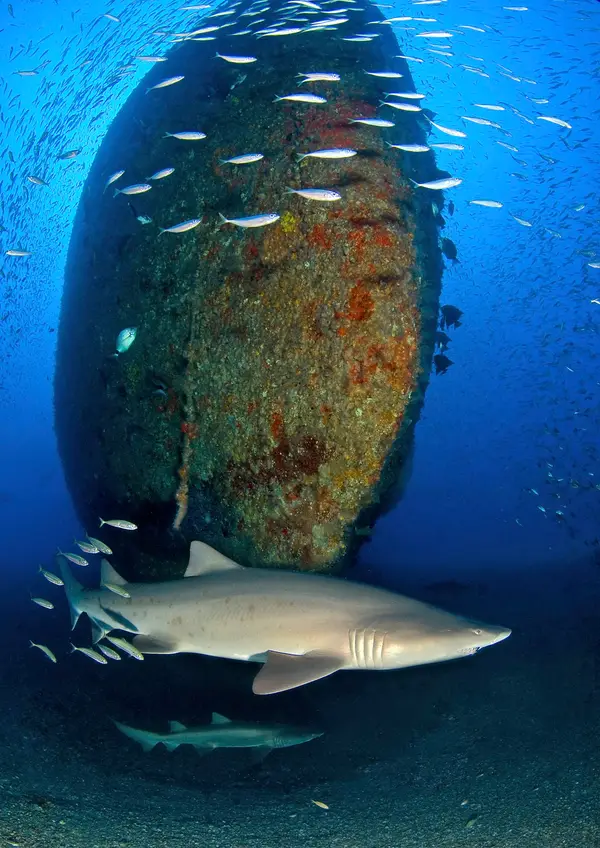
The primary draw for divers in North Carolina is undoubtedly its unparalleled collection of shipwrecks. These range from World War II U-boats and cargo ships to historical sailing vessels, many lying within recreational diving depths. The nutrient-rich waters of the Gulf Stream influence the coastal environment, bringing warm currents and a profusion of marine life. This includes large pelagic species, various reef fish, and most famously, significant aggregations of sand tiger sharks, which frequent the wrecks during warmer months.
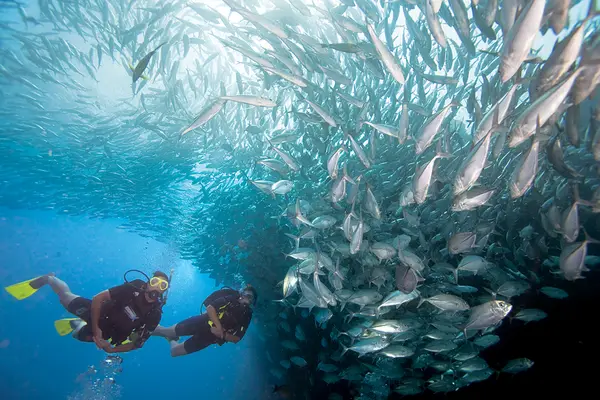
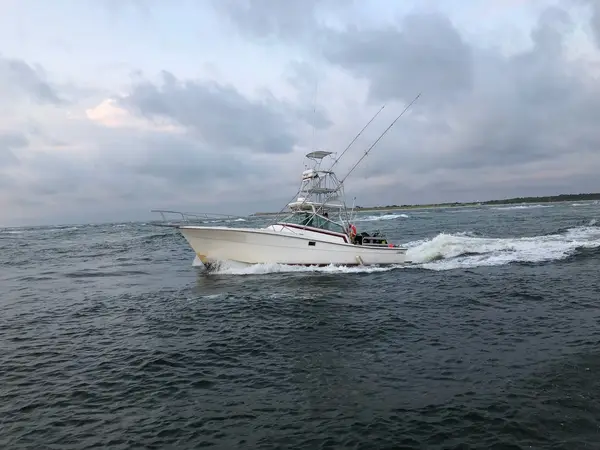
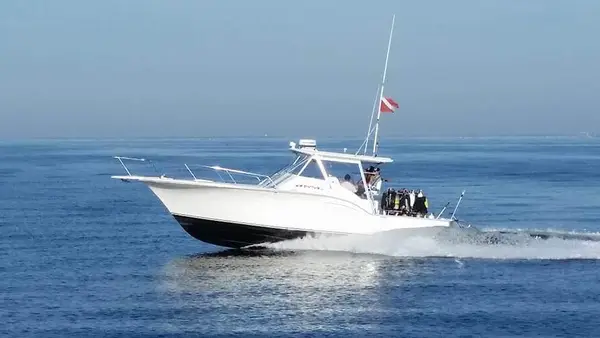
Dive shops and liveaboard operators along the North Carolina coast cater to this specialized diving niche. Major hubs like Morehead City, Wilmington, and the Outer Banks offer charters to the most popular wreck sites. While shore diving is limited, boat charters provide access to the vast majority of sites, many of which are several miles offshore. Divers can expect professional guidance, well-maintained vessels, and knowledgeable crews experienced in navigating the local conditions and currents. Booking in advance, especially for peak season trips, is highly recommended due to the popularity of these expeditions.

20 on the map

Loading map…

Tap a pin to open its profile.

Quick facts

Dive shops and charters listed
20
Best season
April through November

All listings

20 dive shops and charters

across North Carolina

All states

Get listed free

Run a dive shop in North Carolina? Add it to Diving Hubs. Free, no commission.

Add your listing

Plan your trip

Plan your trip to North Carolina

Wreck Diving Focus

North Carolina is primarily a wreck diving destination in the Atlantic Ocean. The vast majority of notable dive sites are shipwrecks, many of which are several miles offshore and require boat access. Shore diving is extremely limited and generally not recommended for visitors seeking the signature North Carolina experience.

Water Temperature and Exposure Protection

Water temperatures vary significantly by season. In summer (June-August), surface temperatures can reach 80°F (27°C), but thermoclines are common, requiring a 5mm or 7mm wetsuit. In cooler months (November-April), temperatures can dip into the 50s°F (10s°C), making drysuits highly recommended or even necessary for comfort and safety.

Certification Levels

Many of North Carolina's iconic wreck dives, such as the U-352, Papoose, and Spar, lie in depths exceeding 60 feet. An Advanced Open Water certification is generally considered the minimum requirement by most dive operators. Specialized wreck diving or technical diving certifications are beneficial for deeper or more complex wrecks.

Visibility and Currents

Visibility can range from 30 feet to over 100 feet, often influenced by proximity to the Gulf Stream and weather conditions. Strong currents can be present on many offshore wreck sites, especially on deeper dives. Divers should be proficient in current diving techniques and comfortable with drift dives, or ensure their operator provides current lines.

Monitor National Marine Sanctuary

The USS Monitor shipwreck site, located off Cape Hatteras, is a protected Monitor National Marine Sanctuary. While general recreational diving is permitted, strict regulations prohibit disturbing, removing, or possessing any historical or cultural artifacts. Divers must follow all sanctuary rules, which often include specific mooring buoy usage and no-touch policies.

Confirm current requirements with the state agency before your trip. Rules and fees change every season.

  • Monitor National Marine Sanctuary Regulations

    Divers visiting the Monitor National Marine Sanctuary must adhere to strict regulations. It is illegal to disturb, remove, or possess any historical or cultural artifacts from the site. General recreational diving is allowed, but all visitors must respect the site's protected status and follow specific guidelines, which include no anchoring within the sanctuary boundaries.

  • Coastal Recreational Fishing License

    Divers planning to spearfish or engage in any recreational fishing activities in North Carolina's coastal waters must possess a valid Coastal Recreational Fishing License. This license is required for any recreational fishing activity, including the taking of fish by spearfishing or hook and line, in coastal and joint waters.

  • Boating Safety Education

    Anyone born on or after January 1, 1988, operating a vessel with a 10 horsepower or greater motor on North Carolina waters must complete an approved boating safety education course. While dive charters are typically operated by licensed captains, this applies to private boaters or those renting a boat to access dive sites. Verify current requirements with the state agency.

  • Marine Life Interaction

    North Carolina has regulations protecting various marine species. Divers should be aware of rules regarding interaction with marine life, especially protected species. It is illegal to harass, feed, or otherwise disturb marine mammals or sea turtles. Always observe marine life respectfully and from a distance.

  1. 01

    Research Dive Operators

    Begin by researching reputable dive shops and liveaboard operators in your chosen region. Look for operators with experienced captains, well-maintained boats, and positive reviews regarding safety and customer service. Confirm their offerings align with your certification level and interests.

  2. 02

    Verify Certifications and Experience

    Ensure your diving certifications are current and meet the requirements for the planned dives. Many North Carolina wreck dives require an Advanced Open Water certification or higher. Be honest about your experience level to ensure a safe and enjoyable trip.

  3. 03

    Book Charters in Advance

    North Carolina's dive charters, especially during peak season (summer and early fall), can book up quickly. Make reservations for your dive trips and any necessary accommodations well in advance to secure your spot.

  4. 04

    Prepare Your Gear

    Gather all necessary dive gear, including appropriate exposure protection for the season. Consider bringing an audible signaling device, surface marker buoy, and a dive computer. Many operators offer rental equipment, but confirm availability and condition beforehand.

  5. 05

    Understand Local Conditions

    Familiarize yourself with the typical diving conditions for North Carolina, including potential currents, thermoclines, and marine life. Discuss these with your chosen dive operator, who can provide the most up-to-date information for your specific dive dates.

01What marine life can I expect to see on North Carolina dives?
North Carolina's wrecks are teeming with marine life. You can expect to see large aggregations of sand tiger sharks, especially from May through October. Other common sightings include various reef fish, barracuda, amberjack, grouper, sea turtles, and occasionally larger pelagic species like manta rays or even whale sharks, particularly on offshore sites.
02What is the best time of year to dive in North Carolina?
The best time to dive in North Carolina is typically from May through October. During these months, water temperatures are warmer, visibility generally improves, and sand tiger sharks are most abundant on the wrecks. Summer (June-August) is peak season, offering the most consistent conditions.
03Do I need special certifications for North Carolina wreck diving?
While Open Water certification allows for some shallower dives, most of North Carolina's signature wreck dives are beyond 60 feet. An Advanced Open Water certification is highly recommended and often required by dive operators. Wreck diving and Nitrox certifications are also beneficial for enhancing safety and bottom time on these specialized dives.
04Are there any shore diving opportunities in North Carolina?
North Carolina is predominantly a boat diving destination due to the nature of its offshore wreck sites and coastal geography. Shore diving opportunities are very limited and typically do not offer the iconic wreck or marine life experiences the state is known for. Visitors should plan for boat charters to access the best sites.
05What kind of exposure protection should I bring?
During summer, a 5mm or 7mm wetsuit is generally sufficient, though thermoclines can make a 7mm more comfortable. For spring, fall, and especially winter, a drysuit is strongly recommended due to colder water temperatures, which can drop into the 50s°F (10s°C). Always check current water temperatures before your trip.
06Are liveaboard options available in North Carolina?
Yes, there are liveaboard options available that specifically cater to North Carolina's wreck diving. These typically offer multi-day trips to a range of offshore wrecks, allowing divers to maximize their time on the sites and access locations further afield. Booking liveaboards well in advance is essential due to their limited availability.

When to go

Season by season in North Carolina
Spring

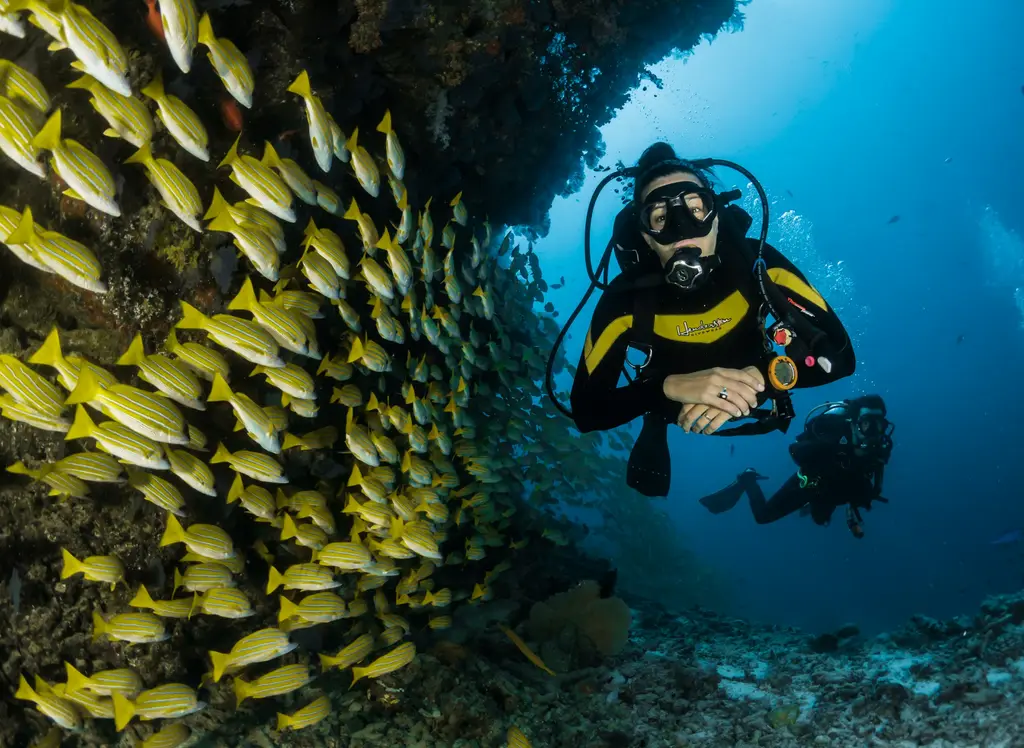
As water temperatures begin to rise in April and May, sand tiger sharks start to migrate back to the wrecks. Visibility can be variable, but conditions generally improve. Dive shops begin their full charter schedules.
Summer

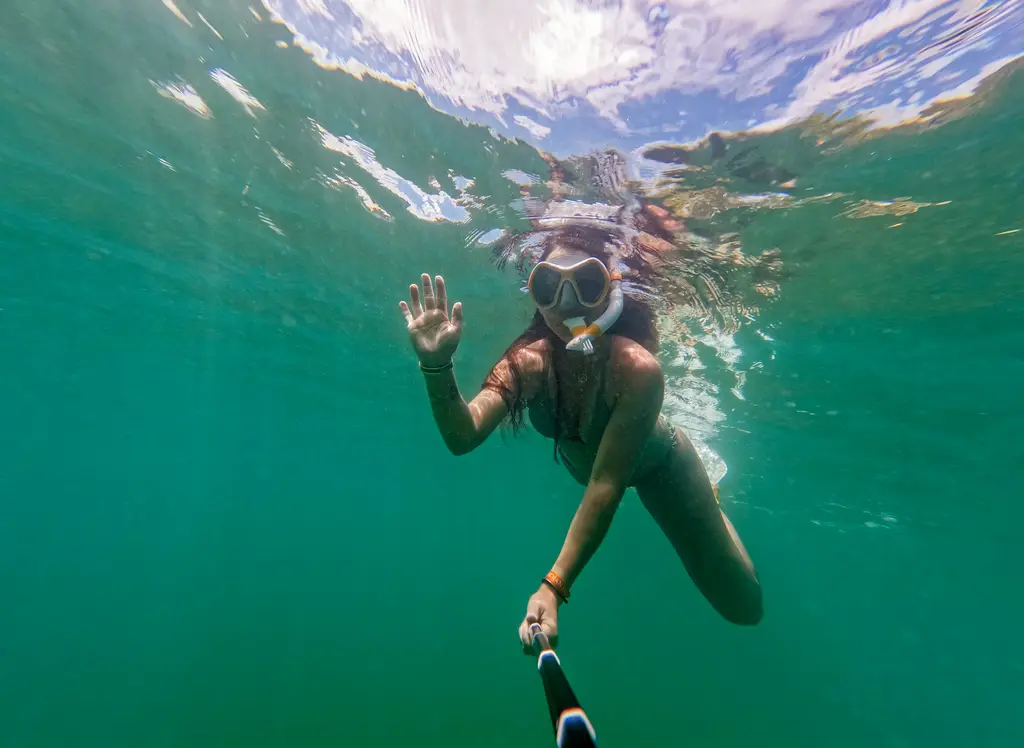
This is peak season for diving, with the warmest water temperatures and best visibility, especially from June through August. Sand tiger sharks are abundant on the wrecks. Liveaboard trips and daily charters are fully operational.
Fall

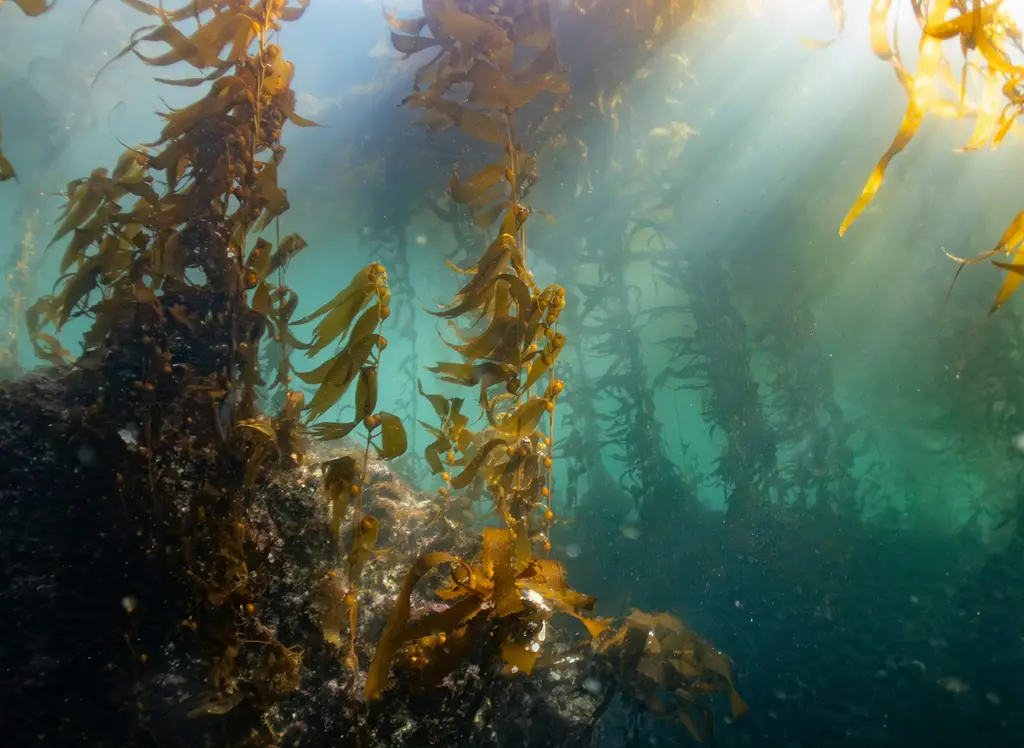
September and October offer excellent diving conditions, often with fewer crowds than summer. Water temperatures remain comfortable, and visibility can be very good. Sand tiger sharks are still present before migrating south.
Winter

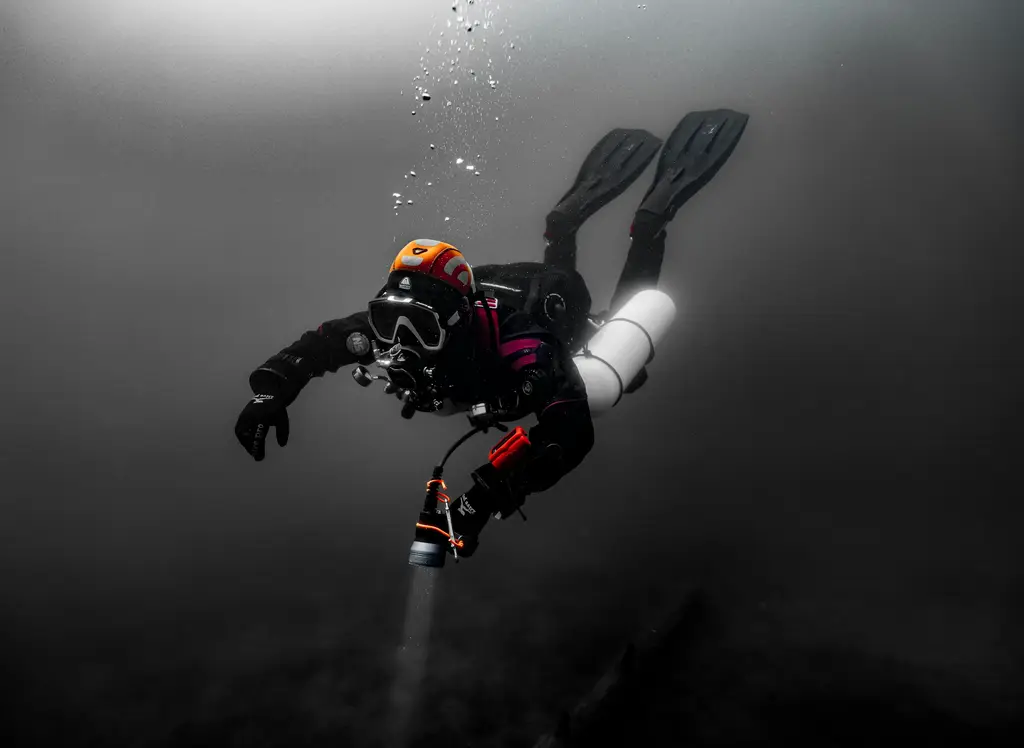
Diving activity significantly decreases due to colder water temperatures and often rougher seas. Visibility can be excellent on calm days, but drysuit diving is typically required. Some dive shops may offer limited charters or focus on training.

Free tools

Your free outdoor toolkit
Keep exploring
Nearby states

In your pocket

Take every dive site with you.

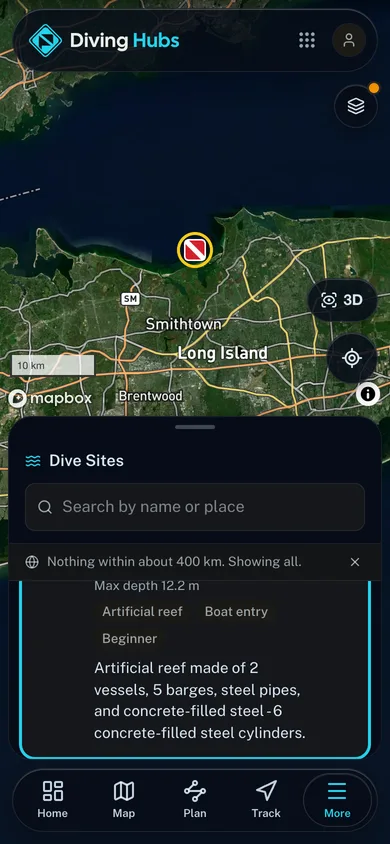
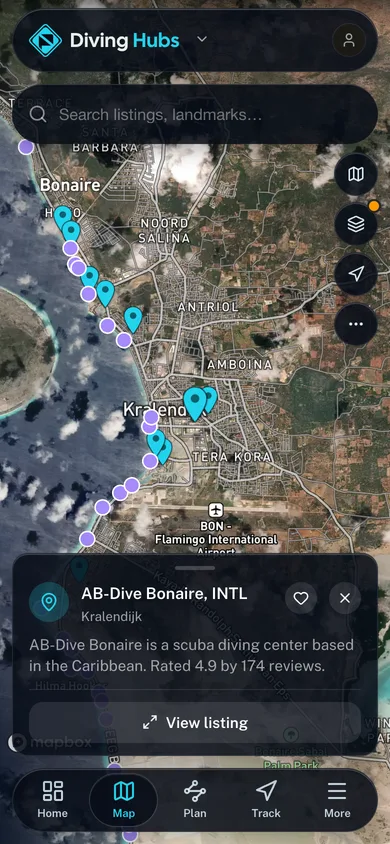
Free, no account needed. Dive-site charts, marine conditions, and your dive log in your pocket.

  • Every dive shop and charter in your pocket

  • Reefs, wrecks, and walls charted on the map

  • Viz and current reports from divers just surfaced

  • NOAA conditions before the boat leaves the dock

The Diving Hubs app dashboard

For operators

Run your dive business?
Launch your branded surface.

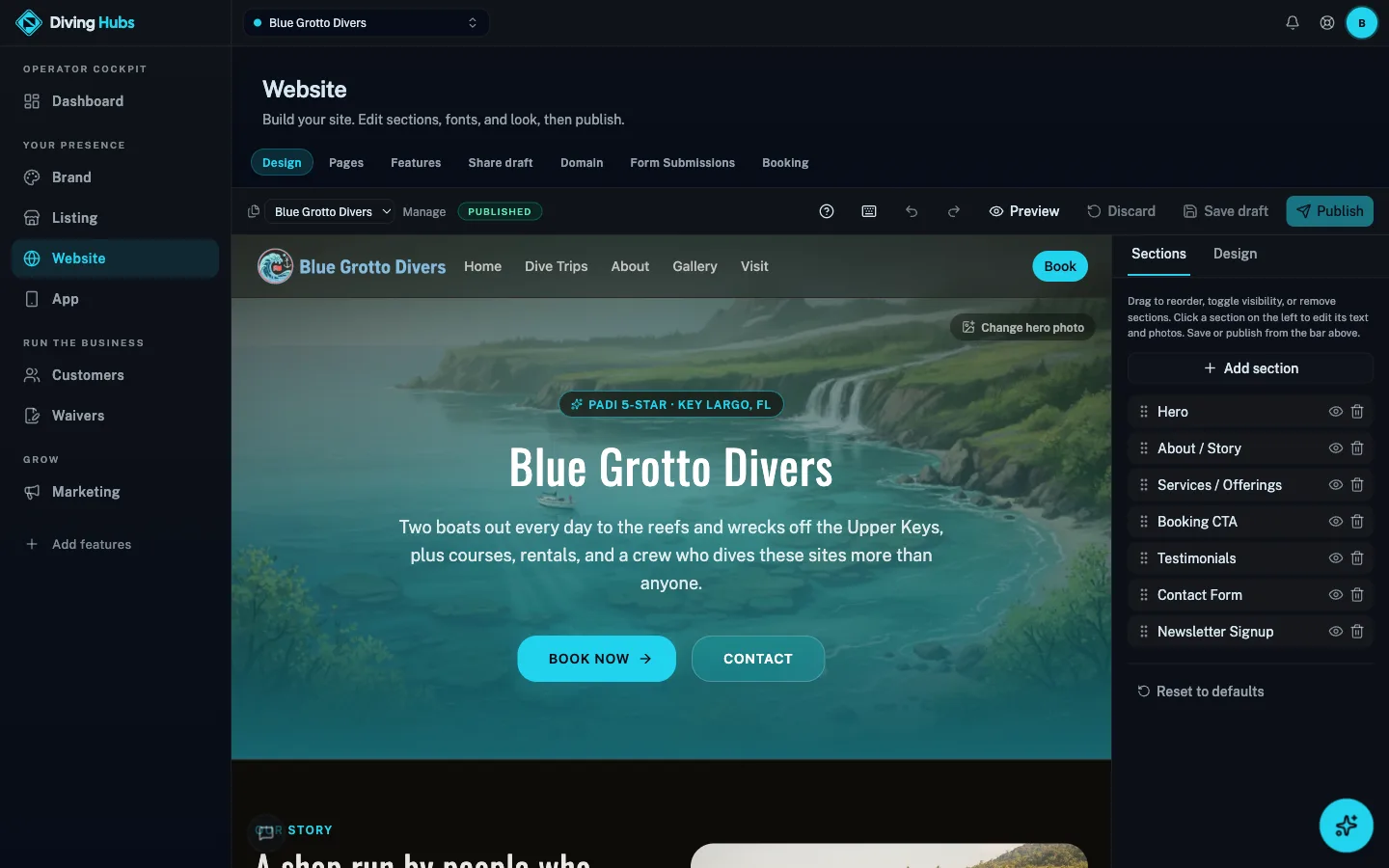
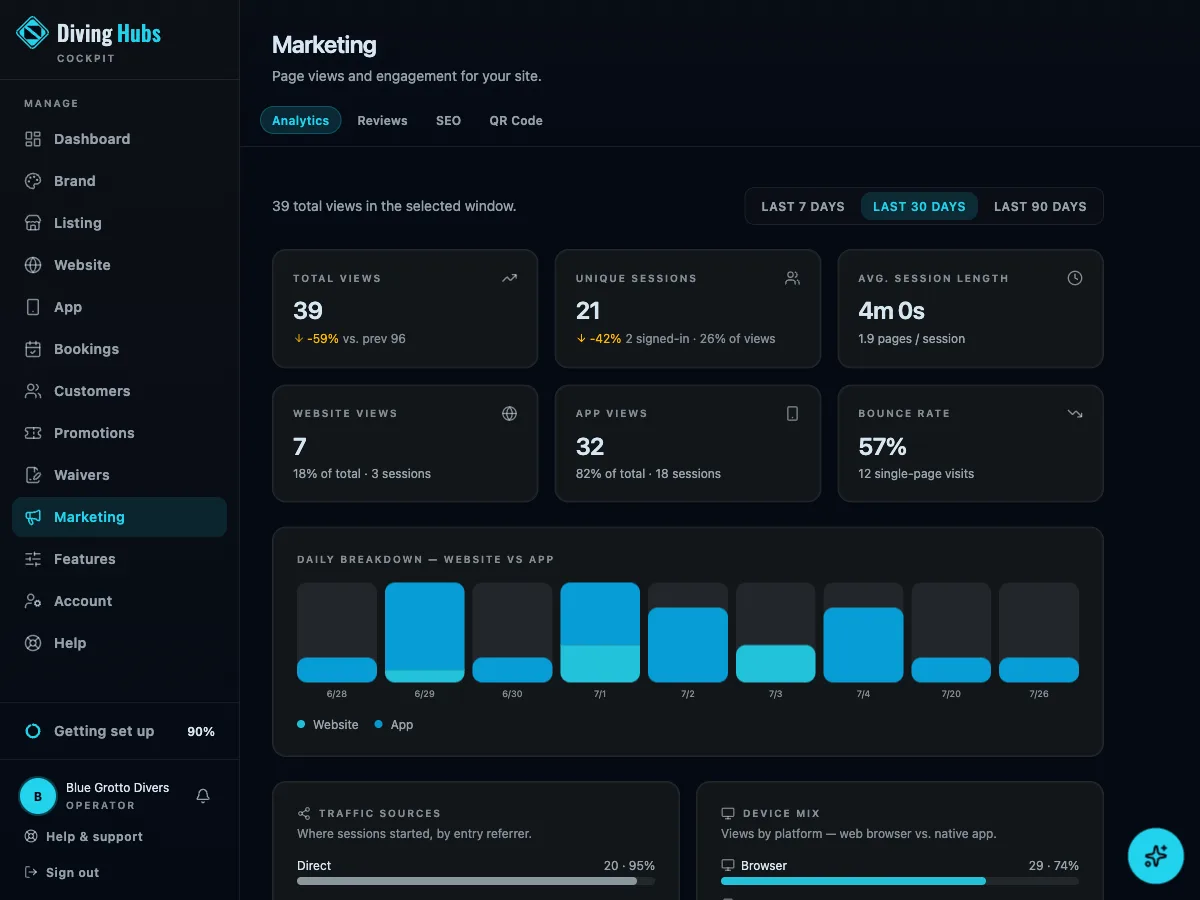
Get your own branded surface in the Diving Hubs app and a directory listing in minutes. Bookings, digital waivers, and your whole operation live in one cockpit.