Skip to content
South Carolina diving. Backdrop for the Diving Hubs South Carolina dive shop directory

Scuba Diving · South Carolina

Scuba Diving in South Carolina

Dive 17 dive shops and charters across South Carolina. Maps, hours, contact info, photos, and verified operator profiles, all in one place.

Lowcountry marsh, the Blue Ridge escarpment, and Atlantic barrier islands.

About South Carolina

South Carolina's Atlantic coastline offers a compelling array of scuba diving opportunities, primarily centered around its extensive artificial reef program and a rich collection of historical shipwrecks. From the bustling port city of Charleston to the popular Grand Strand region around Myrtle Beach, dive shops provide access to offshore sites that attract both novice and experienced divers. These waters are a dynamic environment, shaped by continental shelf currents and teeming with marine life that makes its home on these submerged structures. The state's commitment to creating and maintaining artificial reefs has transformed its seafloor into vibrant ecosystems, offering diverse underwater experiences.

The majority of South Carolina's diving occurs in the temperate Atlantic Ocean, accessible via charter boats from coastal towns. Divers can explore a variety of sites, ranging from purpose-sunk vessels and military hardware to natural hardbottom areas and the scattered remnants of historical shipwrecks. The depth of these sites varies significantly, from shallow nearshore reefs suitable for Open Water divers to deeper wrecks that require advanced certifications. Visibility in these offshore waters is influenced by tidal flows and weather patterns, generally ranging from moderate to good, especially further from shore.

Beyond the ocean, South Carolina presents unique freshwater diving in its rivers, particularly the Cooper River. This blackwater environment is renowned for fossil hunting, where divers can discover prehistoric shark teeth and other ancient marine relics. While less common than ocean diving, these river excursions offer a distinct experience for those interested in paleontology and a different kind of underwater exploration. Overall, South Carolina diving is characterized by its accessible wreck and reef diving, supported by a network of local dive operators ready to guide adventurers to its submerged treasures.

17 on the map

Loading map…

Tap a pin to open its profile.

Quick facts

Dive shops and charters listed
17
Best season
October through May

All listings

17 dive shops and charters

across South Carolina

All states

Get listed free

Run a dive shop in South Carolina? Add it to Diving Hubs. Free, no commission.

Add your listing

Plan your trip

Plan your trip to South Carolina

Wreck and Artificial Reef Diving

South Carolina is renowned for its extensive network of artificial reefs and historical shipwrecks, making boat diving the primary access method. These sites are home to diverse marine life, including various fish species, turtles, and occasional pelagics. Notable sites include the General Sherman wreck off Charleston and numerous purpose-sunk vessels across the coast. Shore diving is extremely limited and generally not practical for recreational scuba.

Water Temperature and Visibility

Ocean water temperatures range from the low 60s F in winter to the low 80s F in summer. Visibility offshore typically ranges from 20–60 feet, though it can fluctuate significantly based on currents, tides, and weather. A 3mm or 5mm wetsuit is common for summer and fall, while a 7mm or drysuit is recommended for spring and winter diving.

Certification Levels for Offshore Sites

Many of South Carolina's premier wreck and artificial reef sites lie at depths requiring an Advanced Open Water certification or higher. While some shallower sites are suitable for Open Water divers, having advanced training expands access to the most interesting and intact structures. Always confirm certification requirements with your chosen dive operator.

Fossil Hunting in Freshwater Rivers

For a unique experience, the Cooper River near Charleston offers blackwater diving for prehistoric fossils, primarily shark teeth. This is a specialized activity that often requires specific guides or dive shops experienced in river diving. Conditions can be challenging due to low visibility and currents, but the rewards of finding ancient relics are significant.

Marine Life Encounters

Divers frequently encounter a variety of fish species, including snapper, grouper, amberjack, and barracuda, congregating around the artificial reefs and wrecks. Sea turtles are also common visitors. While less frequent, sand tiger sharks are occasionally spotted on deeper wreck sites, particularly during migration periods, adding an exciting element to the dive experience.

Confirm current requirements with the state agency before your trip. Rules and fees change every season.

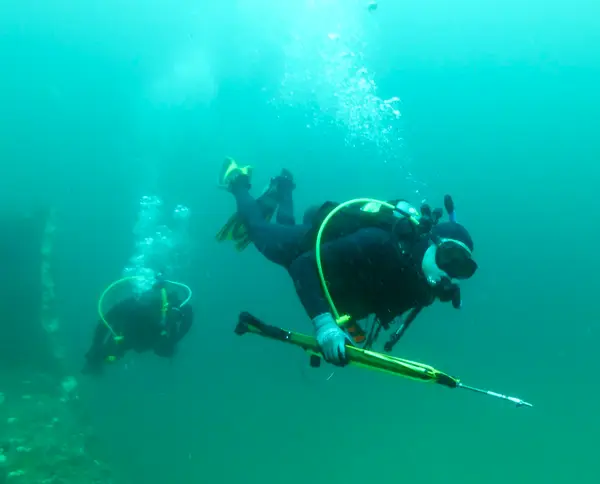
  • Recreational Fishing License (Spearfishing)

    If you plan to spearfish while scuba diving in South Carolina's marine waters, a valid South Carolina recreational saltwater fishing license is required. This license covers the taking of fish by speargun or Hawaiian sling. Verify current regulations and bag limits with the state agency.

  • Boating Safety Education (Private Vessels)

    Anyone born after July 1, 2007, operating a boat with a 15 horsepower or greater motor in South Carolina waters must complete an approved boater education course. While not directly for scuba diving, this applies if you operate your own private vessel for dive trips. It ensures safe navigation to and from dive sites.

    SC Department of Natural Resources
  • Wreck Diving Etiquette

    While not a formal regulation, ethical wreck diving practices are strongly encouraged. This includes respecting historical sites, avoiding the removal of artifacts, and practicing good buoyancy control to prevent damage to the wreck or marine life. Many wrecks are considered historical sites and are protected.

  1. 01

    1. Obtain Appropriate Certification

    Ensure you have at least an Open Water certification. For deeper wrecks and more challenging conditions, an Advanced Open Water or equivalent certification is highly recommended. Consider specialized training like Wreck Diver if you plan extensive wreck exploration.

  2. 02

    2. Research Dive Shops and Charters

    Identify reputable dive shops and charter operators in your preferred coastal region, such as Charleston or Myrtle Beach. Look for operators with good safety records and experience with the local dive sites. Book your charters in advance, especially during peak season.

  3. 03

    3. Verify Equipment and Exposure Needs

    Confirm with your dive operator what equipment is provided and what you need to bring. Based on the season, plan your exposure protection; a 3mm to 7mm wetsuit or even a drysuit may be necessary depending on water temperatures and your comfort level.

  4. 04

    4. Check Weather and Sea Conditions

    Monitor marine weather forecasts leading up to your trip. Sea conditions can influence dive site accessibility and overall comfort. Be prepared for potential changes or cancellations due to adverse weather, which is more common outside of summer and fall.

  5. 05

    5. Understand Local Dive Practices

    Familiarize yourself with any specific local regulations or etiquette for the dive sites you plan to visit, particularly concerning historical wrecks or protected areas. Listen carefully to your dive brief from the boat captain or divemaster.

01What kind of diving is most common in South Carolina?
South Carolina is best known for its extensive artificial reef program and numerous historical shipwrecks. Divers primarily engage in boat diving to explore these submerged structures, which serve as vibrant habitats for marine life. Freshwater fossil hunting in rivers like the Cooper River also offers a distinct experience.
02What is the best time of year to scuba dive in South Carolina?
The most popular and generally best times to dive are late spring, summer, and fall. Summer offers the warmest water, while fall often provides excellent visibility and stable weather with fewer crowds. Winter diving is possible for experienced divers with appropriate exposure protection, but conditions can be more challenging.
03What certification level do I need for South Carolina diving?
An Open Water certification is sufficient for shallower artificial reefs and training sites. However, many of the more interesting and deeper wrecks often require an Advanced Open Water certification due to depth or potential currents. Always check with your chosen dive operator for specific site requirements.
04Is shore diving available in South Carolina?
Shore diving opportunities are extremely limited in South Carolina. The vast majority of dive sites, including all significant wrecks and artificial reefs, are located offshore and require boat access. Divers should plan on booking charters with local dive shops.
05What marine life can I expect to see while diving?
Divers can expect to see a wide variety of marine life, including snapper, grouper, amberjack, barracuda, and various reef fish. Sea turtles are common, and occasional encounters with sand tiger sharks are possible on deeper wrecks. The artificial reefs create rich ecosystems that attract diverse species.
06Can I hunt for fossils while scuba diving in South Carolina?
Yes, fossil hunting is a unique diving activity available in South Carolina, particularly in the Cooper River. Divers can find prehistoric shark teeth and other ancient marine fossils in this blackwater environment. Specialized guides and appropriate gear are often necessary for these challenging but rewarding dives.

When to go

Season by season in South Carolina
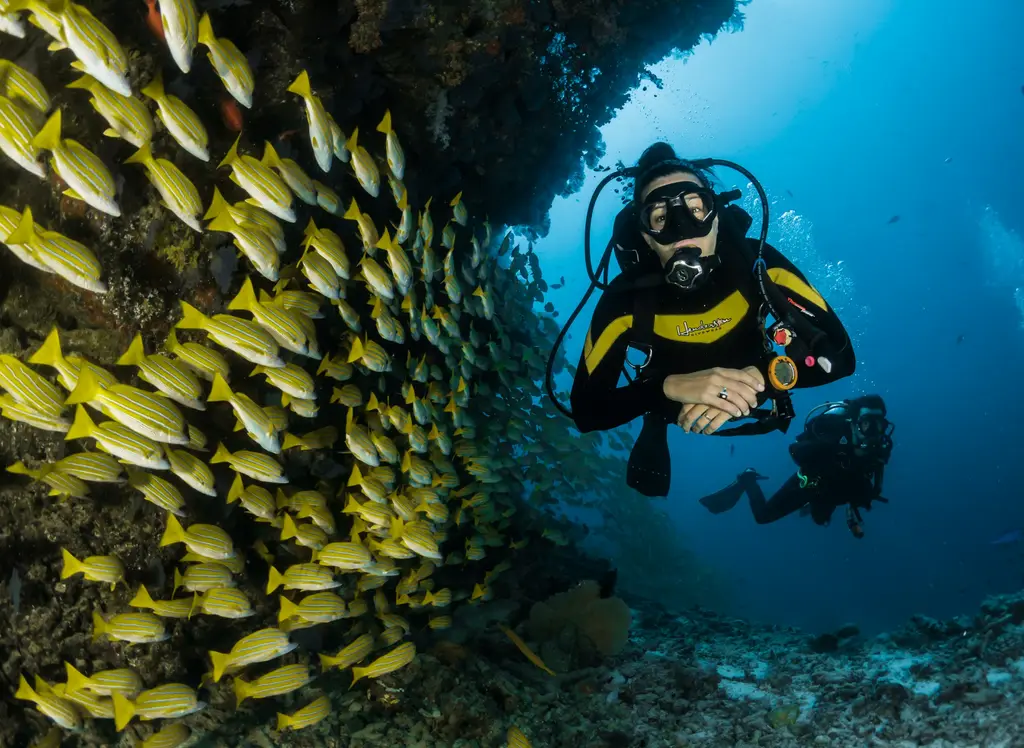
Spring (March-May)

As water temperatures begin to rise, spring offers improving visibility and comfortable diving conditions. This season sees fewer boat crowds compared to summer, making it ideal for exploring offshore wrecks and reefs.
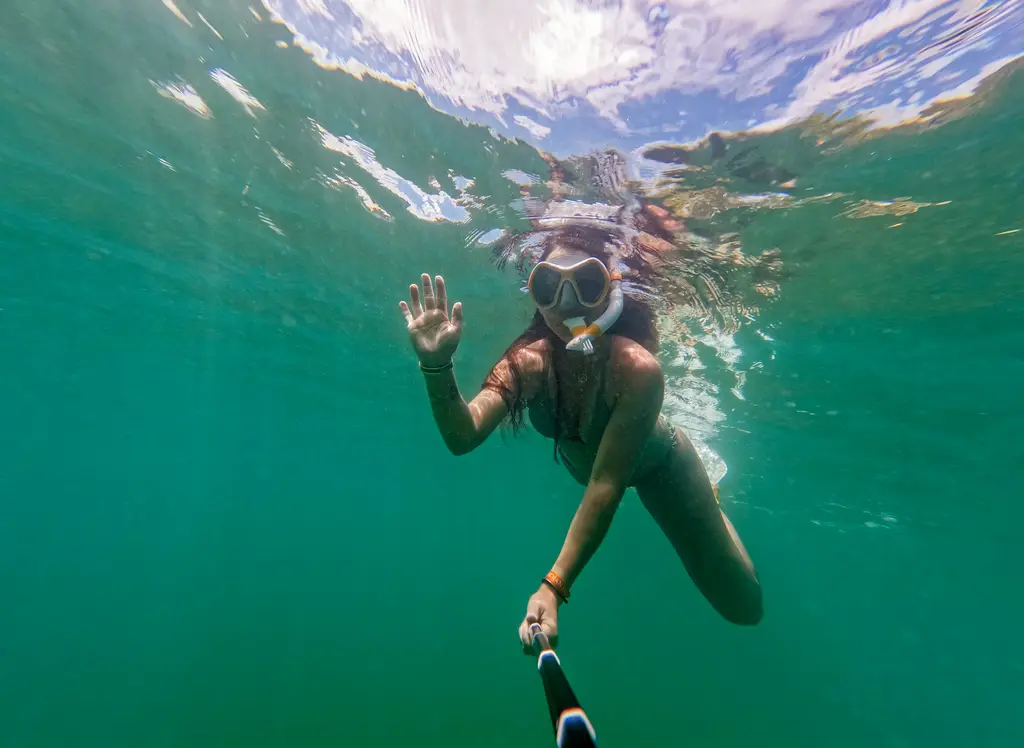
Summer (June-August)

Summer brings the warmest water temperatures, often reaching into the low 80s Fahrenheit, making for pleasant diving. This is peak season for charters, though tropical weather systems can occasionally impact sea conditions.
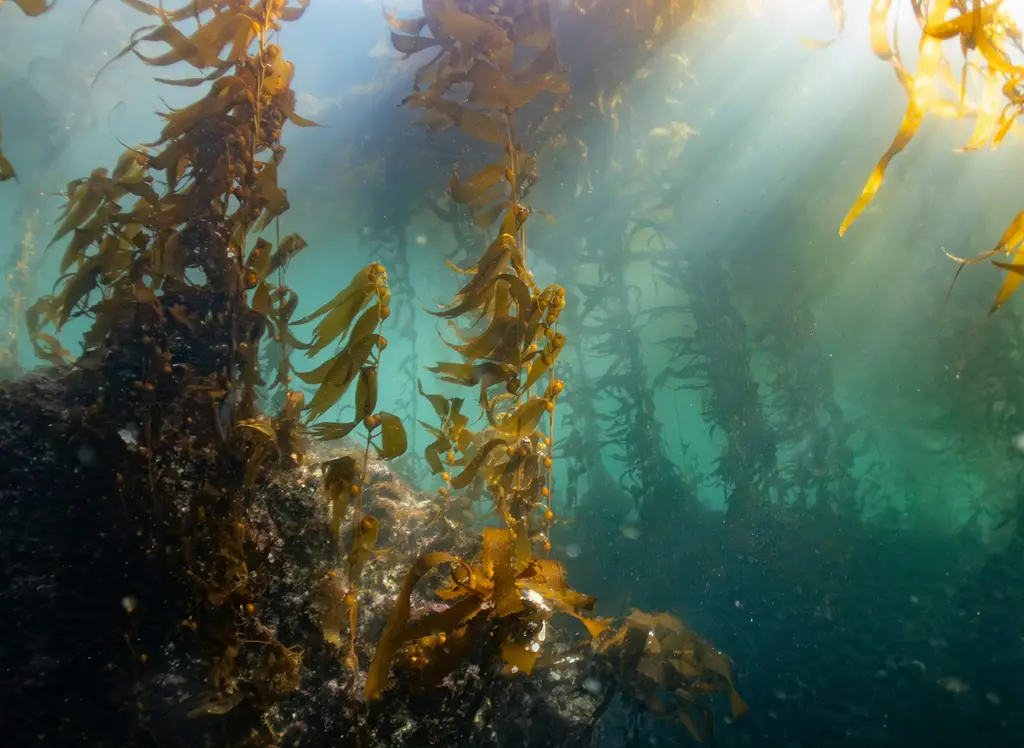
Fall (September-November)

Fall is often considered one of the best times to dive, with stable weather, excellent visibility, and still-warm water temperatures. Marine life remains abundant, and dive charters are generally less crowded than in summer.
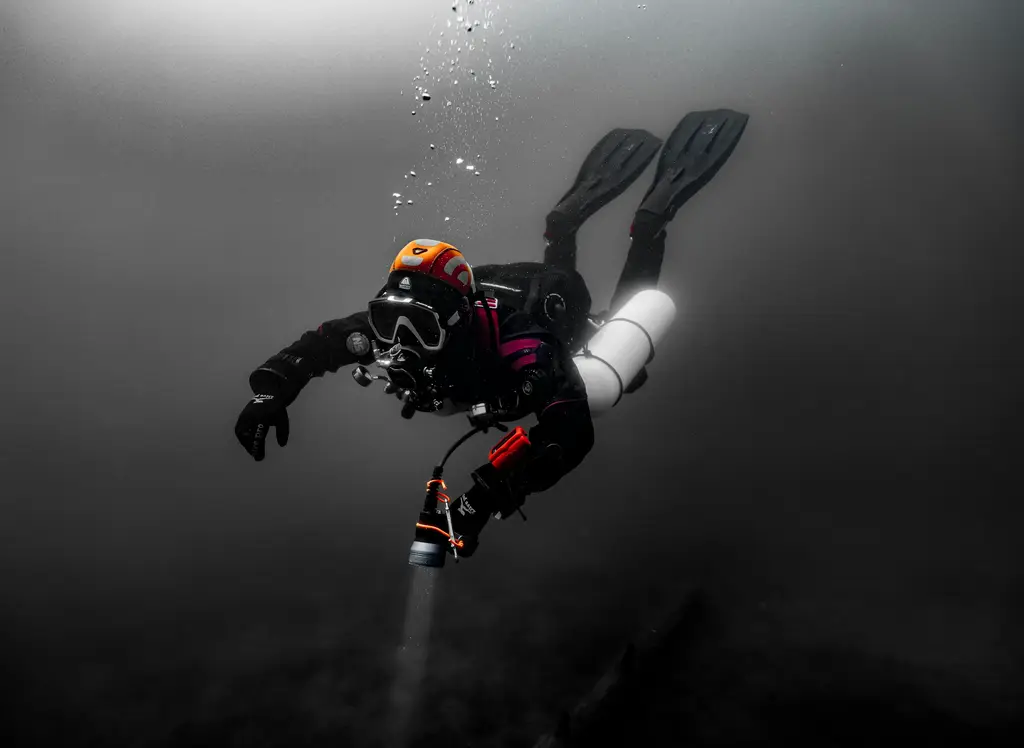
Winter (December-February)

Ocean diving in winter is limited due to colder water temperatures and rougher seas, often requiring drysuits or thick wetsuits. Some freshwater river diving for fossils may still be possible for hardy divers during this period.

Free tools
Your free outdoor toolkit

Keep exploring

Nearby states

In your pocket

Take every dive site with you.

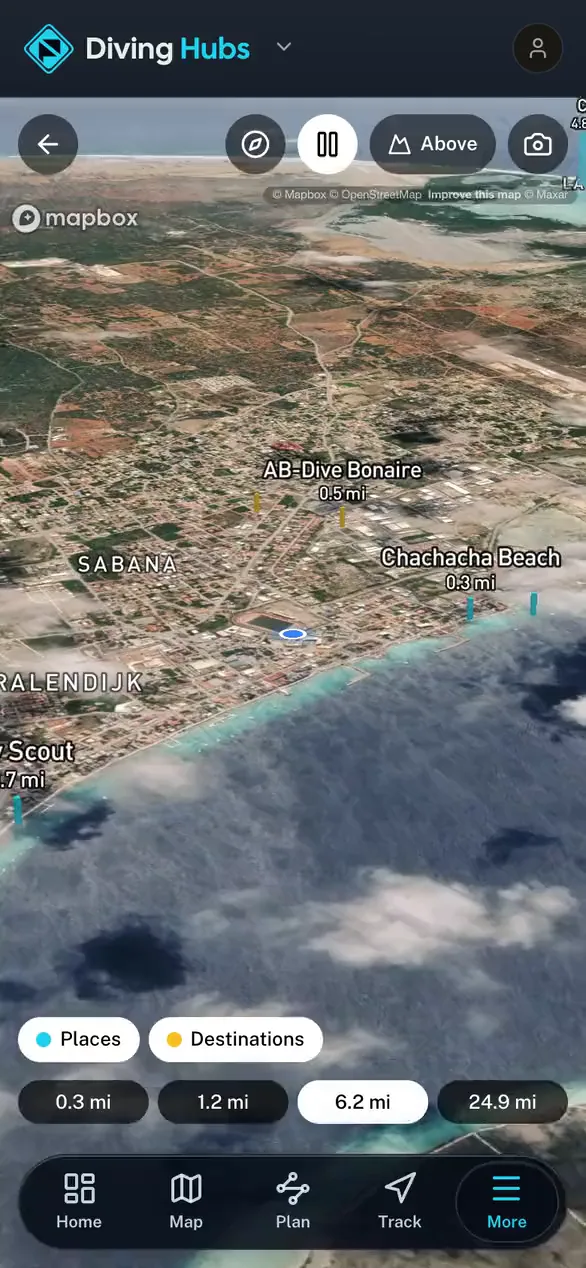
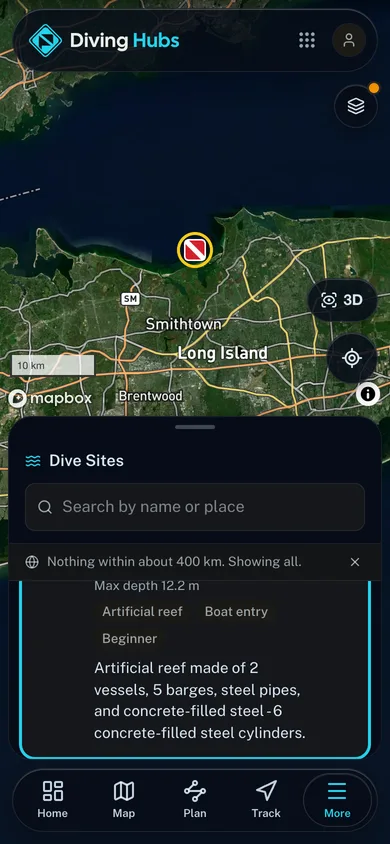
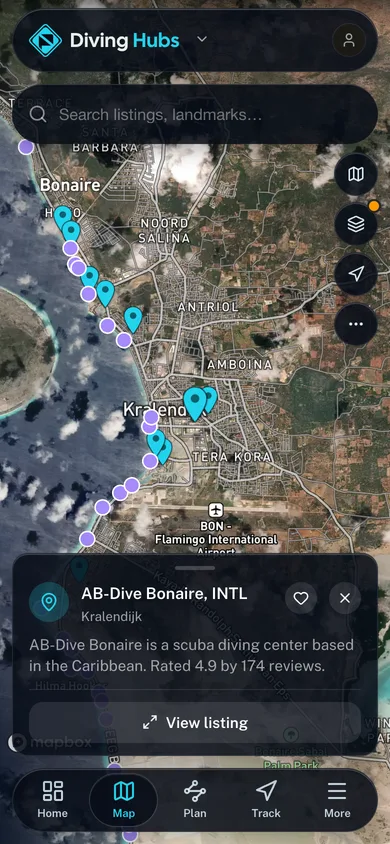
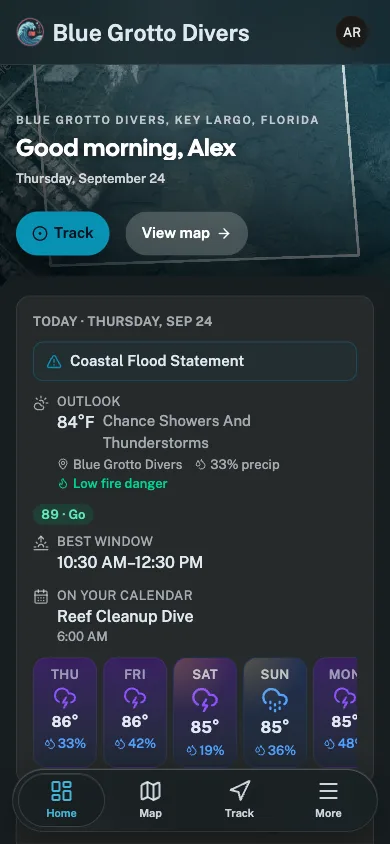
Free, no account needed. Dive-site charts, marine conditions, and your dive log in your pocket.

  • Every dive shop and charter in your pocket

  • Reefs, wrecks, and walls charted on the map

  • Viz and current reports from divers just surfaced

  • NOAA conditions before the boat leaves the dock

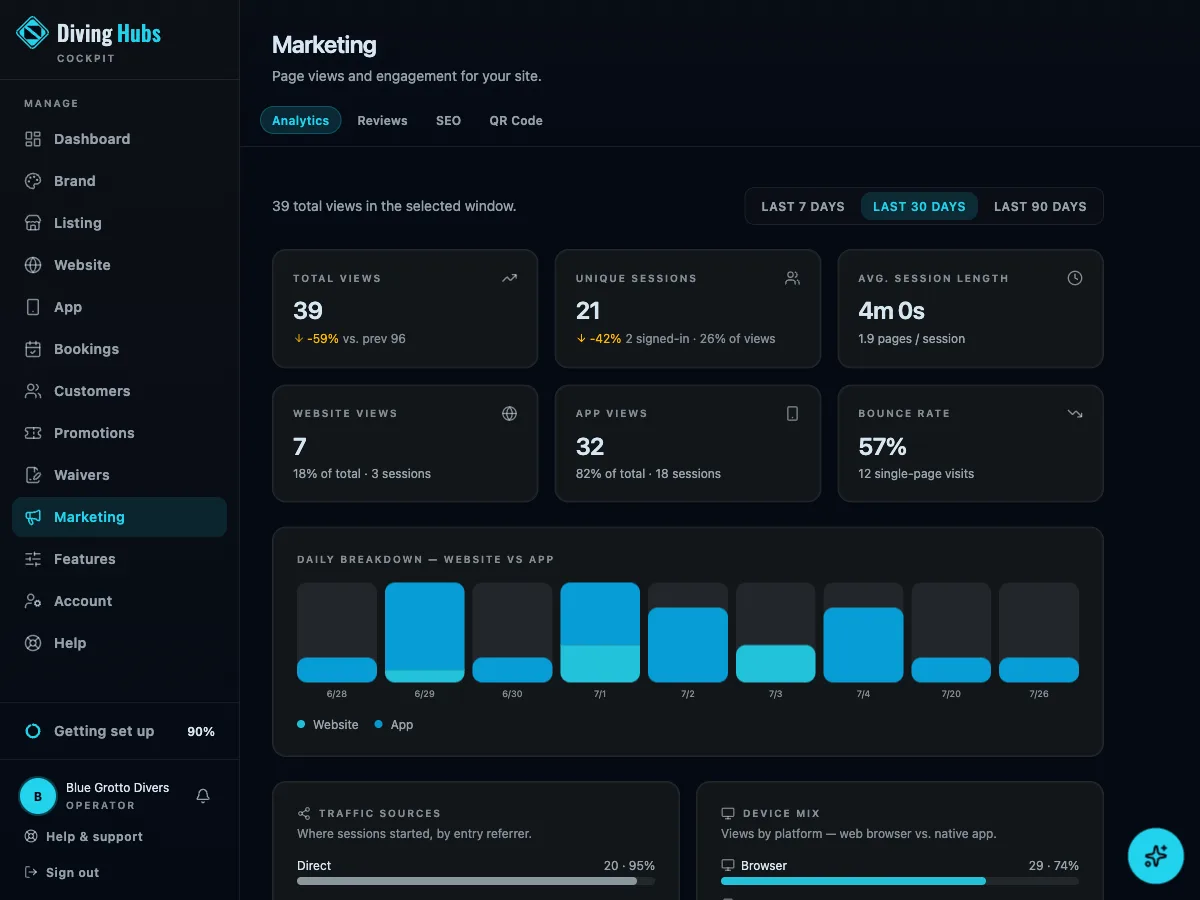
The Diving Hubs app dashboard

For operators

Run your dive business?
Launch your branded surface.

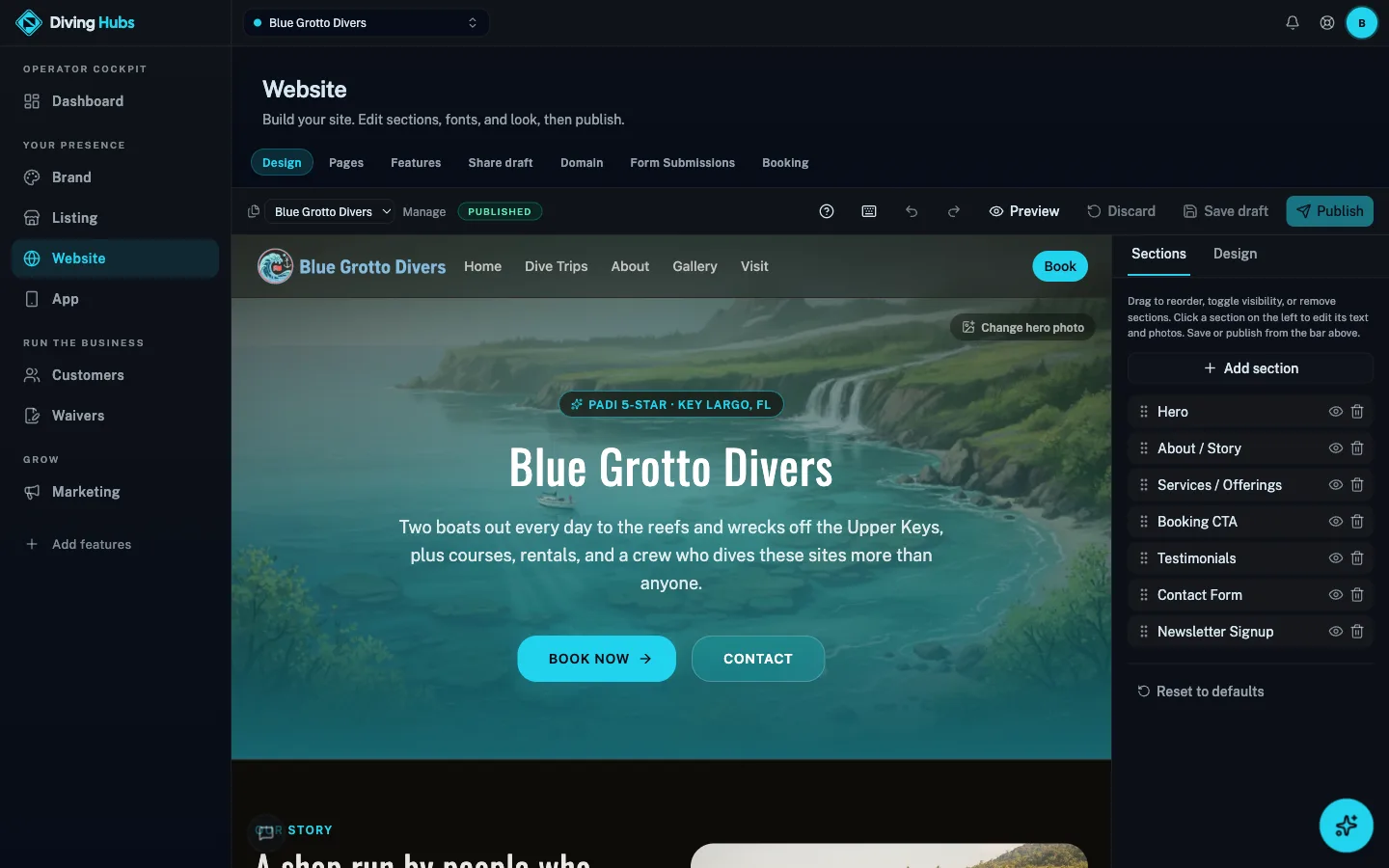
Get your own branded surface in the Diving Hubs app and a directory listing in minutes. Bookings, digital waivers, and your whole operation live in one cockpit.