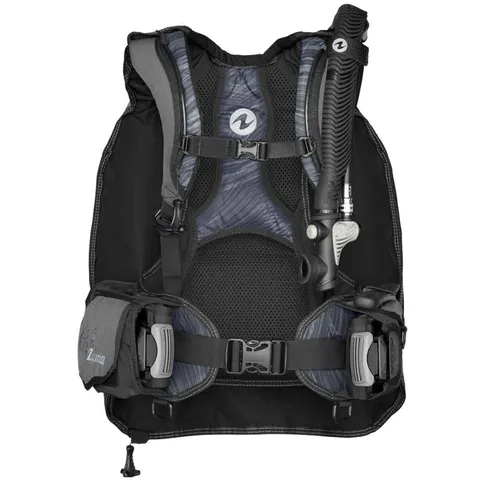
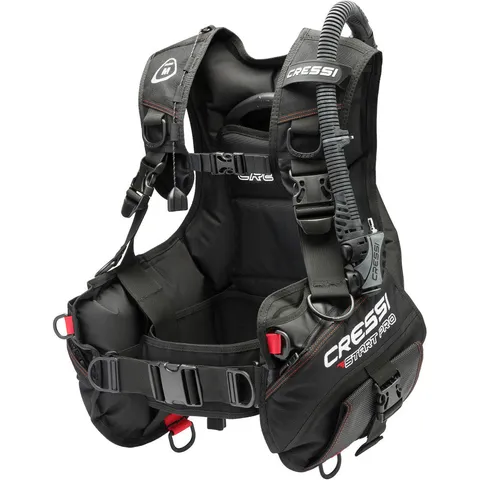
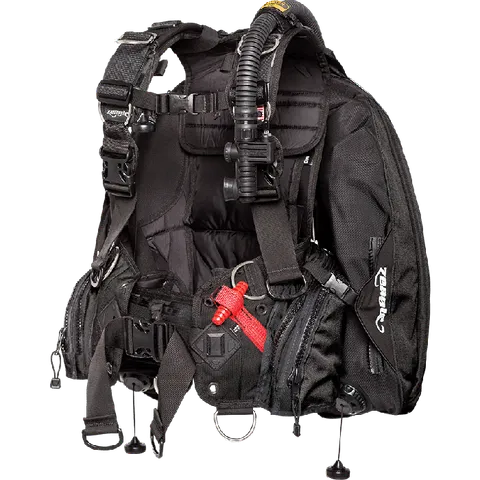
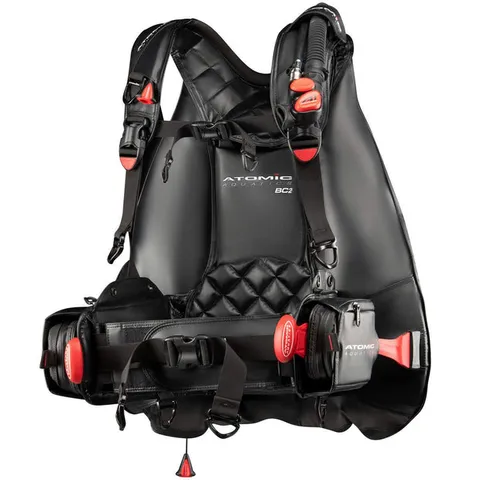
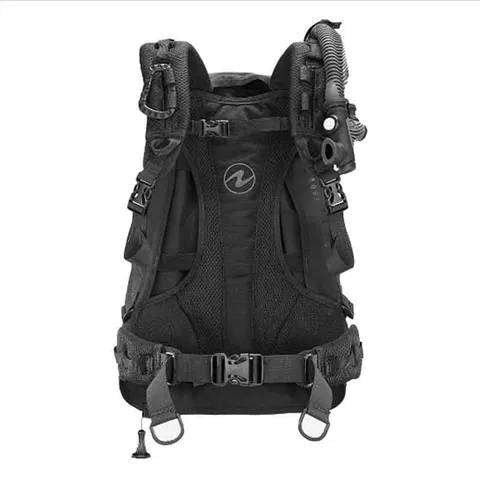
A buoyancy compensator (BCD) is the single most personal piece of scuba gear you'll own. It's the vest that holds your tank, carries your weight, and lets you hover motionless over a reef or hang at a safety stop without thinking about it. Unlike a regulator or computer, which you can largely judge by spec sheets, a BCD lives or dies on fit, trim, and how it disappears underwater, which is exactly why Amazon's star ratings and price-sorted grids are nearly useless for choosing one. A $300 jacket and a $1,200 modular harness can both be the right answer depending on whether you're a twice-a-year warm-water vacation diver or a hundred-dives-a-year local.
This guide covers ten BCDs that recreational divers actually buy in 2026, deliberately spread across the price spectrum so you can see what your money buys as you move up. We've split them into three tiers (budget (roughly $280–$430), mid ($430–$700), and premium ($700+)), and within each tier we favored models with a long sales history, real dealer availability in the US, and a design suited to no-stops recreational diving rather than technical or cave configurations.
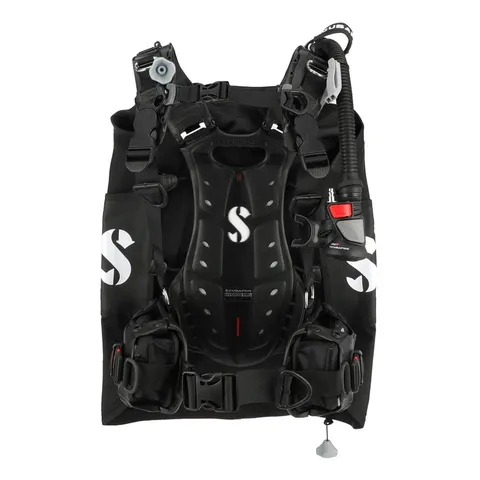
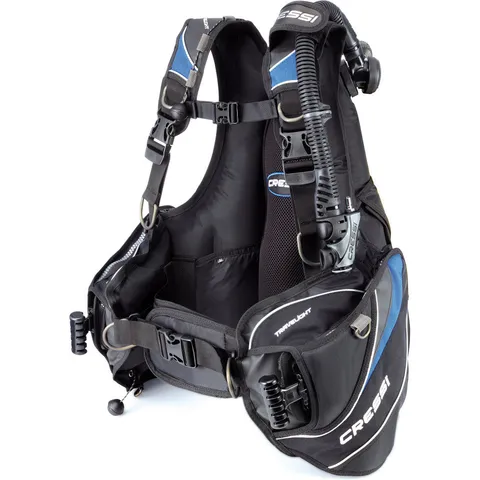
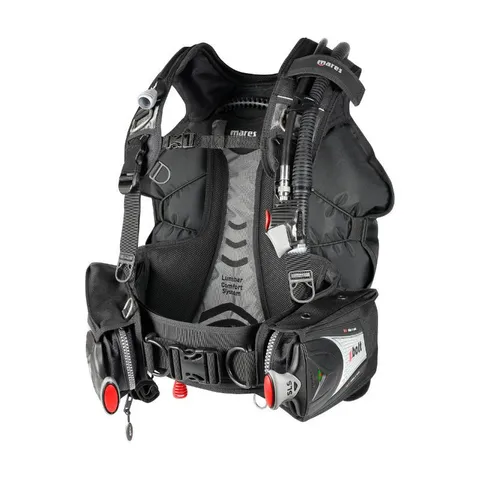
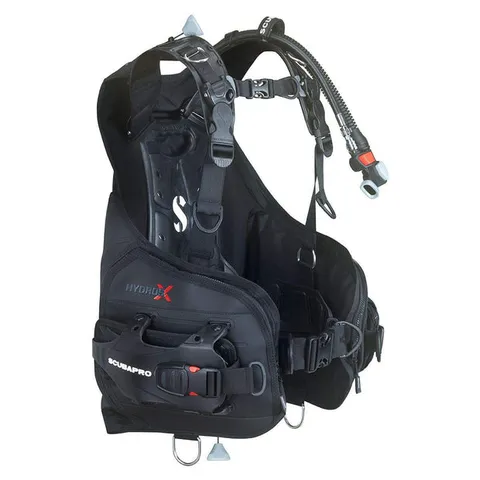
Two structural choices matter more than brand. First, jacket vs. back-inflate: jacket-style BCDs (Cressi Start Pro, Oceanic OceanPro) wrap air around your sides and float you upright at the surface, which beginners and rental fleets love; back-inflate and modular designs (Mares Bolt SLS, Scubapro Hydros, Zeagle Ranger) put the air cell behind you for flatter, more efficient horizontal trim. Second, weight: a sub-6-lb travel BCD that packs into a carry-on is worth real money if you fly to dive, and worth nothing if you only ever shore-dive from your trunk.