Skip to content
Maryland diving. Backdrop for the Diving Hubs Maryland dive shop directory

Scuba Diving · Maryland

Scuba Diving in Maryland

Dive 22 dive shops and charters across Maryland. Maps, hours, contact info, photos, and verified operator profiles, all in one place.

Chesapeake Bay, Appalachian Plateau, and the Atlantic at Assateague.

About Maryland

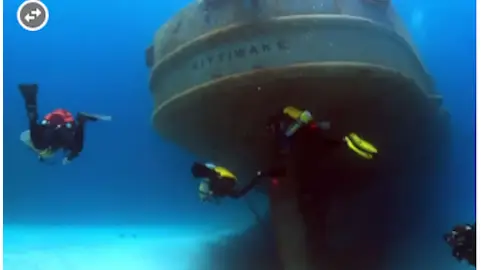
Maryland offers a unique blend of historical and natural dive sites, predominantly accessible via dive shops operating along its Atlantic coast and the Chesapeake Bay. The state is renowned for its wreck diving off Ocean City, where numerous historical shipwrecks and artificial reefs provide diverse underwater exploration opportunities. These sites attract divers seeking maritime history and marine life encounters in temperate waters. Dive operations in this region primarily focus on day trips to offshore locations.

The Chesapeake Bay, while shallower and often with reduced visibility, holds a different appeal for divers. Its waters are rich with historical artifacts from centuries of maritime activity, including remnants of colonial-era vessels and Civil War-era ships. Dive shops in towns along the bay cater to local divers and those interested in archaeological exploration, often requiring specific permits for artifact recovery. These bay dives offer a distinct contrast to the deep ocean wrecks.

Liveaboard expeditions are not a common feature of Maryland's scuba diving scene. Instead, most diving is facilitated by local dive centers which provide gear rental, tank fills, training, and guided boat charters. These shops are crucial for accessing both the Atlantic wrecks and the historical sites within the Chesapeake Bay, ensuring divers have the necessary support and expertise for their underwater adventures. Planning a trip involves coordinating with these local operators to secure spots on charters.

Maryland's underwater landscape is characterized by its dynamic coastal environment and the vast estuarine system of the Chesapeake Bay. Divers can explore a range of depths, from the relatively shallow Bay waters to deeper Atlantic wrecks. The diverse marine habitats support various fish species, crabs, and other aquatic life, adding ecological interest to the historical significance of the dive sites. Each region presents distinct diving conditions and experiences.

22 on the map

Loading map…

Tap a pin to open its profile.

Quick facts

Dive shops and charters listed
22
Best season
April through November

All listings

22 dive shops and charters

across Maryland

All states

Get listed free

Run a dive shop in Maryland? Add it to Diving Hubs. Free, no commission.

Add your listing

Plan your trip

Plan your trip to Maryland

Primary Dive Environments

Maryland offers two primary diving environments: the Atlantic Ocean off Ocean City and the Chesapeake Bay. The Atlantic provides access to numerous shipwrecks and artificial reefs, diveable from late spring through fall. The Chesapeake Bay offers historical artifact diving in shallower, often lower visibility conditions, accessible year-round for experienced cold-water divers.

Water Temperature and Visibility

Atlantic Ocean temperatures range from 50°F (10°C) in spring/fall to 75°F (24°C) in summer. Visibility averages 20–40 feet but can vary significantly. Chesapeake Bay temperatures are similar, but visibility is often 5–20 feet due to sediment. A 7mm wetsuit is essential for summer, and a drysuit is recommended for spring, fall, and any Bay diving.

Certification Levels

For most of Maryland's signature wreck diving off Ocean City, an Advanced Open Water certification is recommended due to depths ranging from 60–130 feet. Specialty certifications like Wreck Diver and Deep Diver are highly beneficial. Open Water certification is sufficient for shallower Bay sites and local quarries.

Access and Logistics

Ocean wrecks are exclusively accessed by boat charters departing from Ocean City. Shore diving opportunities are very limited in Maryland, primarily confined to inland quarries used for training. Planning involves booking charters well in advance, especially during peak summer months. Liveaboards are not a typical option for Maryland diving.

Wreck Diving Etiquette and Regulations

Many wrecks off Maryland are historical sites. Divers must observe a 'look, don't touch' policy for artifacts. Mooring buoys are often available at popular sites; when not, proper anchoring techniques that avoid damaging the wreck or reef are essential. Always follow instructions from your dive charter captain.

Confirm current requirements with the state agency before your trip. Rules and fees change every season.

  • Dive Flag Requirement

    Any person diving or snorkeling in Maryland waters must display a dive flag. This flag must be a red flag with a white diagonal stripe or a rigid replica. It must be prominently displayed from the surface and mark the immediate area of diving activity.

  • Historical Artifact Recovery

    Maryland state law strictly regulates the recovery of historical artifacts from its submerged lands, particularly within the Chesapeake Bay. Divers are generally prohibited from disturbing or removing artifacts without specific permits from the Maryland Historical Trust. Report any significant finds to the appropriate authorities.

  • Boating Safety Education

    Anyone born on or after July 1, 1972, who operates a motorized vessel in Maryland waters must possess a certificate of boating safety education. This applies to divers operating their own boats to access dive sites. Verification with the Maryland Department of Natural Resources is recommended.

  1. 01

    Obtain Advanced Certification

    For the best diving experience in Maryland, especially on the Atlantic wrecks, acquire at least an Advanced Open Water certification. Many prime sites are beyond Open Water limits. Consider specialties like Wreck Diver or Deep Diver for enhanced skills.

  2. 02

    Research Dive Shops in Ocean City

    Identify and contact dive shops operating out of Ocean City. These operators are your primary resource for booking charters to the Atlantic wrecks. Inquire about their schedule, required certifications, and gear rental options.

  3. 03

    Secure Proper Exposure Protection

    Maryland's water temperatures necessitate robust exposure protection. Plan to bring or rent at least a 7mm wetsuit for summer diving. A drysuit is highly recommended for spring, fall, and any diving in the Chesapeake Bay to ensure comfort and safety.

  4. 04

    Book Charters in Advance

    Especially during the peak summer months, dive charters to popular wreck sites fill up quickly. Book your spots well in advance to ensure availability. Confirm departure times, meeting locations, and any specific requirements with your chosen dive operator.

  5. 05

    Understand Local Conditions and Regulations

    Familiarize yourself with Maryland's specific diving regulations, including dive flag requirements and rules regarding historical artifact recovery. Discuss expected visibility, currents, and marine life with your dive operator before your trip.

01What kind of diving is most popular in Maryland?
Wreck diving in the Atlantic Ocean off Ocean City is Maryland's most popular diving activity. These sites include historical shipwrecks and artificial reefs that attract marine life. The Chesapeake Bay also offers unique opportunities for historical artifact exploration in shallower waters.
02What are the typical water temperatures and visibility?
Atlantic Ocean temperatures range from 50°F (10°C) in cooler months to 75°F (24°C) in summer, with visibility often 20–40 feet. Chesapeake Bay temperatures are similar, but visibility is generally lower, typically 5–20 feet, due to sediment and runoff.
03Do I need a drysuit to dive in Maryland?
While a thick 7mm wetsuit is adequate for summer diving in the Atlantic, a drysuit is highly recommended for spring, fall, and any diving in the Chesapeake Bay. It provides superior thermal protection against the colder water temperatures encountered during much of the year.
04Are there any liveaboard dive trips available in Maryland?
Liveaboard dive trips are not a standard offering in Maryland. Most diving operations are conducted via day charters departing from coastal towns like Ocean City or various points along the Chesapeake Bay. Divers typically return to shore accommodations after their dives.
05What certification level is required for Maryland's main dive sites?
For the renowned wreck diving off Ocean City, an Advanced Open Water certification is generally recommended due to the depths and potential currents. Many of these wrecks lie beyond the typical 60-foot limit of Open Water divers. Shallower Bay dives and quarry sites are accessible to Open Water certified divers.
06Can I recover artifacts from historical wrecks in Maryland?
No, state law strictly prohibits the recovery of historical artifacts from submerged lands in Maryland without specific permits. Divers must observe a 'look, don't touch' policy for any historical items encountered. Significant finds should be reported to the Maryland Historical Trust.

When to go

Season by season in Maryland
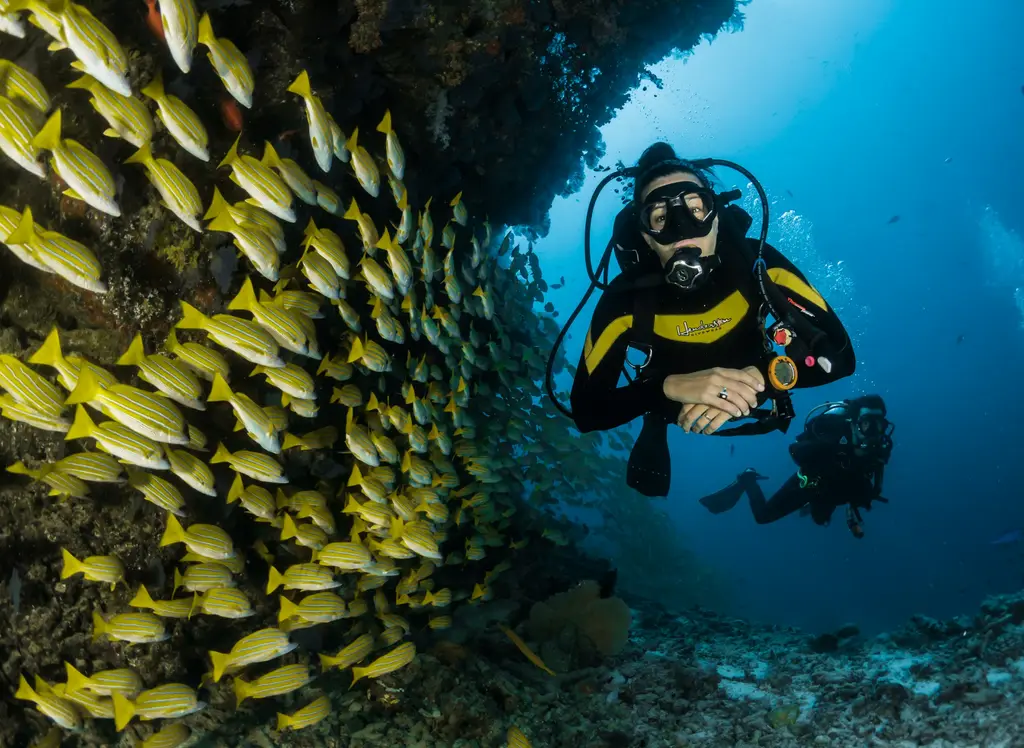
Spring (April-May)

Water temperatures begin to rise, though remaining cool. Visibility can be variable. Dive shops commence their offshore charter schedules, primarily targeting hardier divers prepared for cooler conditions and often requiring drysuits or thick wetsuits.
Summer (June-August)

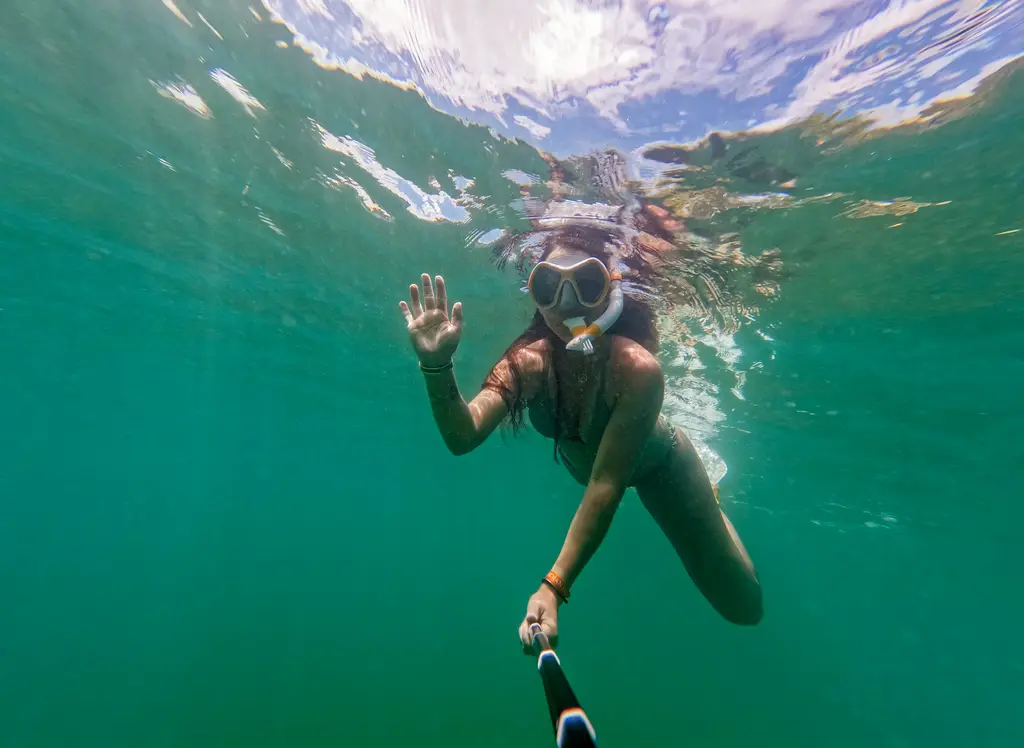
This is Maryland's peak diving season. Water temperatures are at their warmest, and visibility is generally at its best. Dive shops run frequent charters to Atlantic wrecks and Bay sites, accommodating a wide range of diver certifications. This period offers the most comfortable diving conditions.
Fall (September-November)

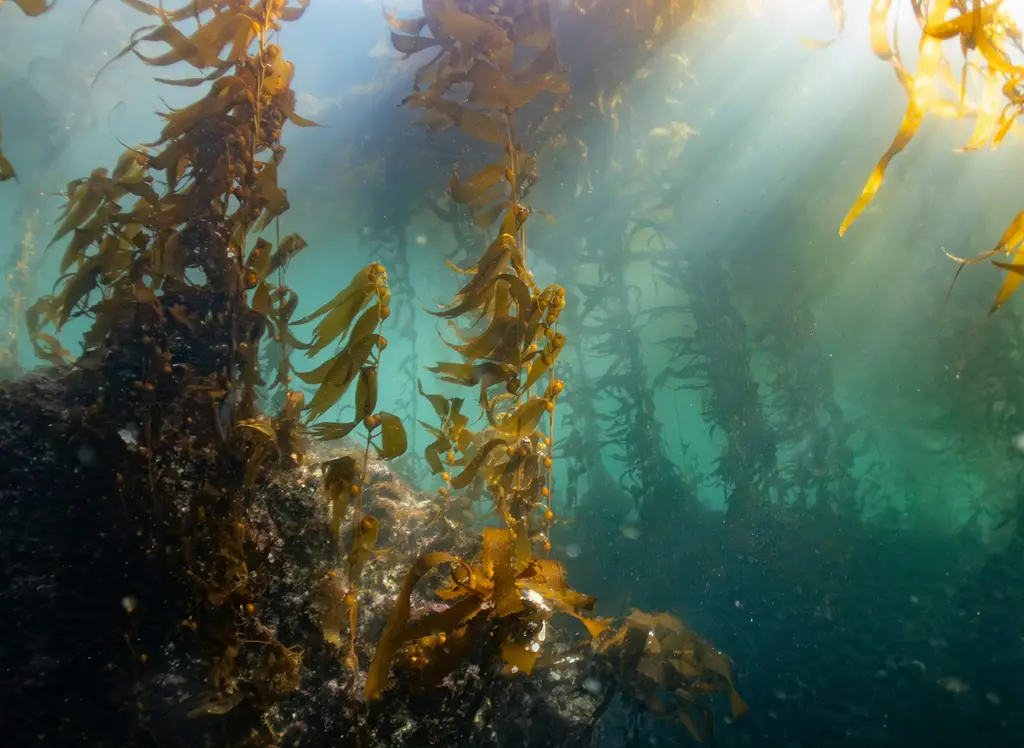
Water temperatures gradually cool, but visibility often remains excellent, especially in early fall. Crowds lessen, providing a more serene diving experience. Dive shops continue their charter operations, offering opportunities to explore wrecks before winter sets in.
Winter (December-March)

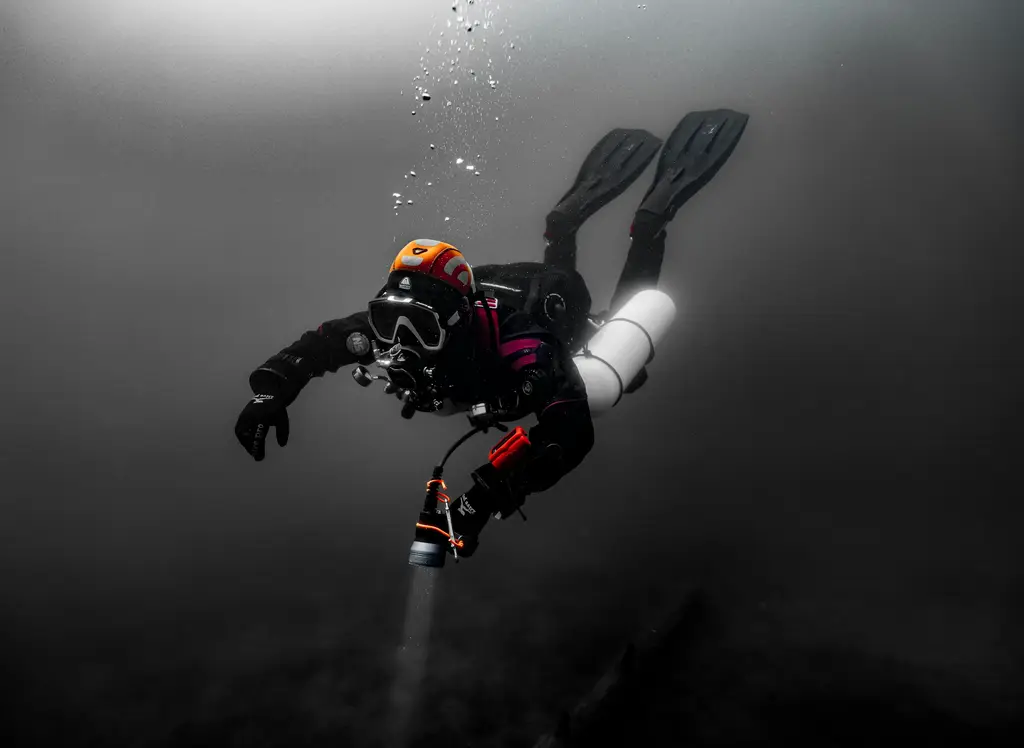
Diving in Maryland during winter is limited due to very cold water temperatures and challenging surface conditions. Most dive shops focus on training, gear maintenance, and planning for the upcoming season. Specialized drysuit diving may occur for experienced local divers.

Free tools

Your free outdoor toolkit
Keep exploring
Nearby states

In your pocket

Take every dive site with you.

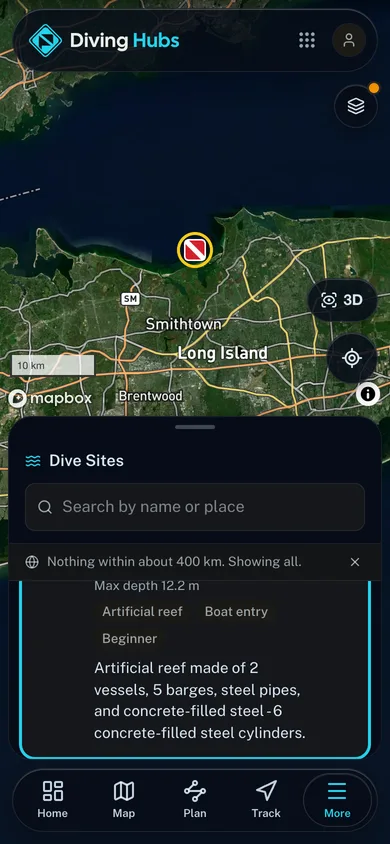
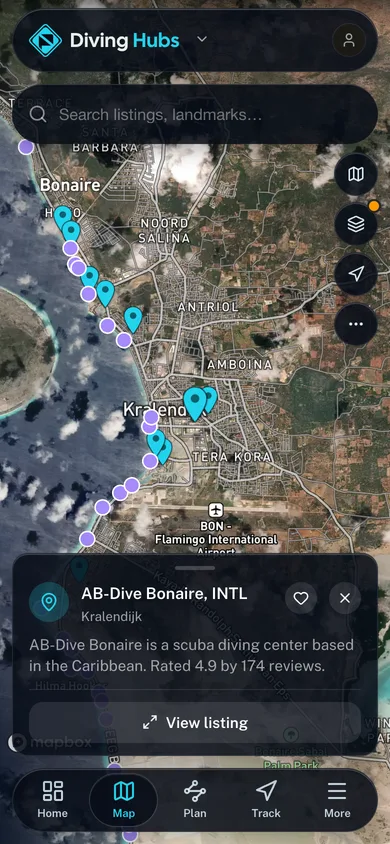
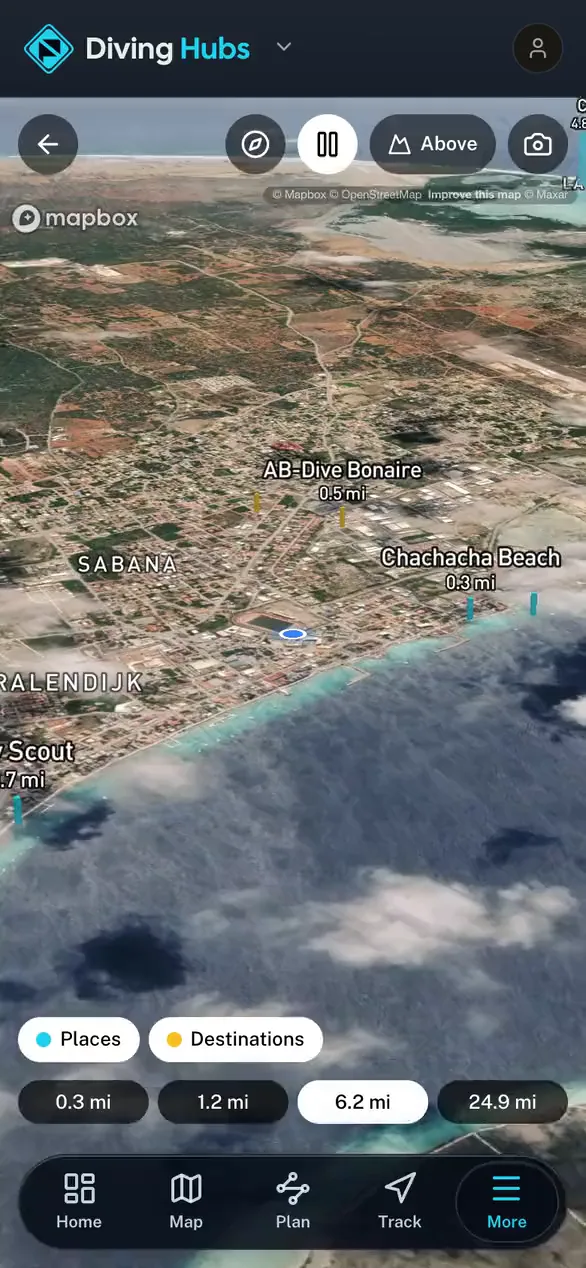
Free, no account needed. Dive-site charts, marine conditions, and your dive log in your pocket.

  • Every dive shop and charter in your pocket

  • Reefs, wrecks, and walls charted on the map

  • Viz and current reports from divers just surfaced

  • NOAA conditions before the boat leaves the dock

The Diving Hubs app dashboard

For operators

Run your dive business?
Launch your branded surface.

Get your own branded surface in the Diving Hubs app and a directory listing in minutes. Bookings, digital waivers, and your whole operation live in one cockpit.