Scuba Diving · California
Scuba Diving in California
Dive 83 dive shops and charters across California. Maps, hours, contact info, photos, and verified operator profiles, all in one place.
Coastline, Sierras, deserts, and redwoods. Every outdoor environment in one state.
Updated
Highest rated
Scuba Diving in California by Google rating
Ranked by Google rating, then by number of reviews, across the 71 of 83 dive shops and charters in California with 10 or more Google reviews. A blank cell means we do not have that detail yet.
| Name | City | Diving | Rating |
|---|---|---|---|
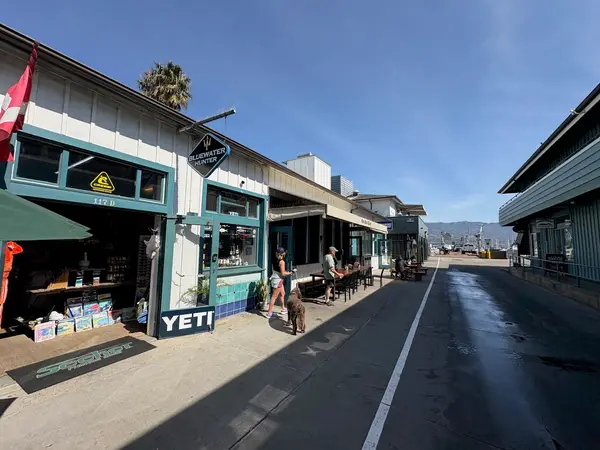
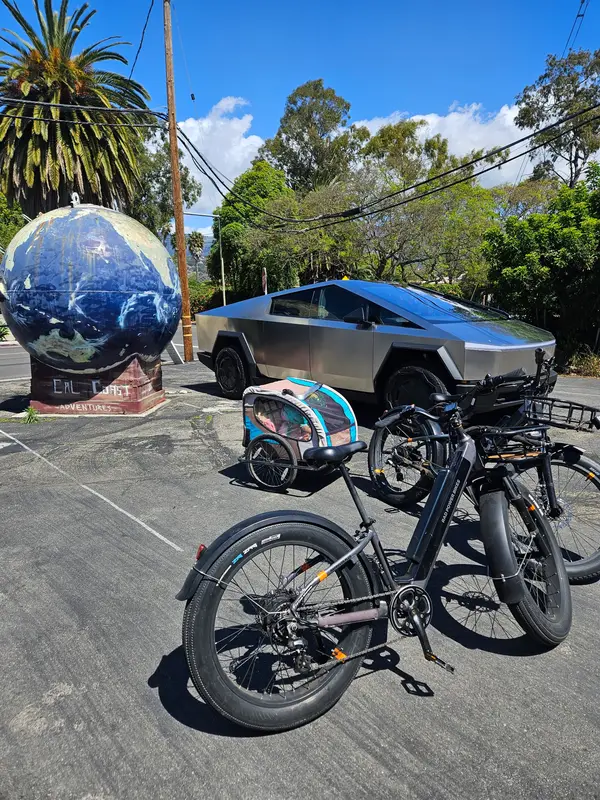
| Cal Coast Adventures | Santa Barbara | 5.01,669 Google reviews | |
| Just Get Wet | San Diego | 5.0513 Google reviews | |
| iSurf | Santa Barbara | 5.0226 Google reviews | |
| Pacific Ocean Sports | Concord | 5.0199 Google reviews | |
| Dive In SCUBA | San Diego | 5.0125 Google reviews | |
| San Diego Scuba Guide | La Jolla | 5.0121 Google reviews | |
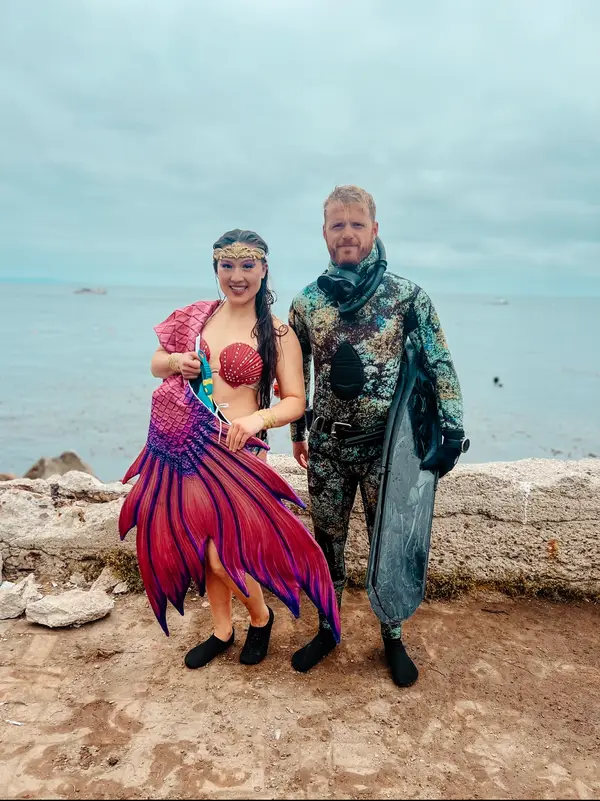
| Odyssey Freediving | Moss Landing | Freediving | 5.086 Google reviews |
| Lost Winds Dive Shop | San Clemente | 5.081 Google reviews |
All listings
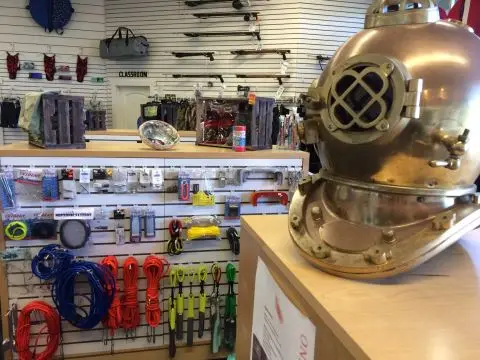
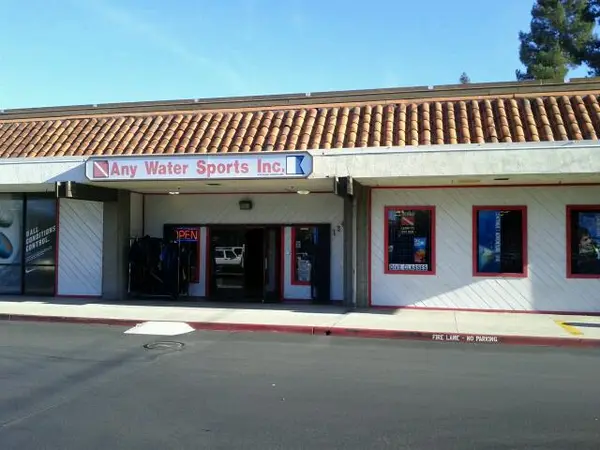
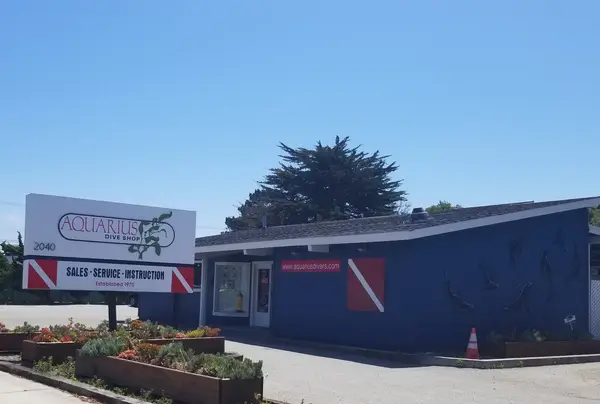
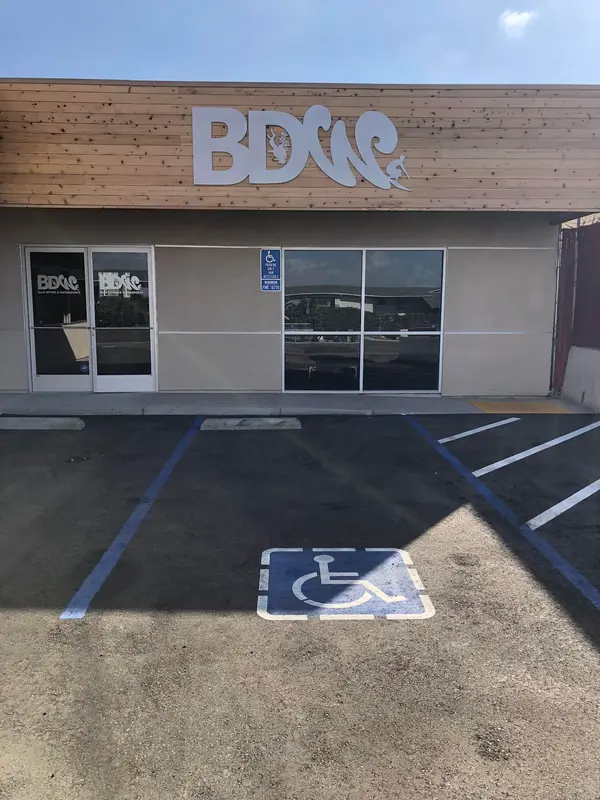
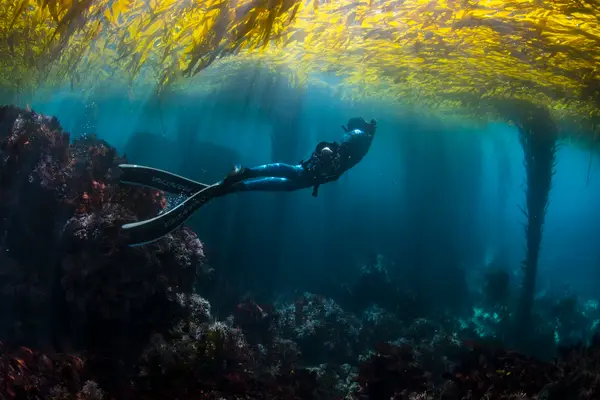
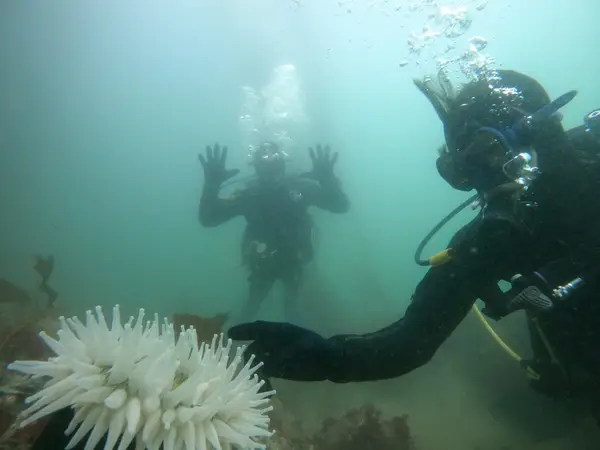
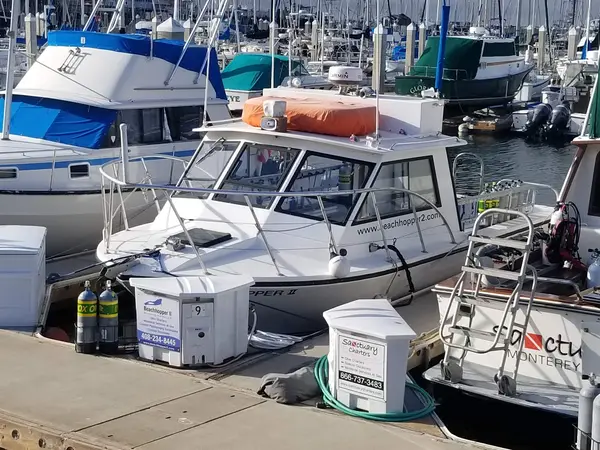
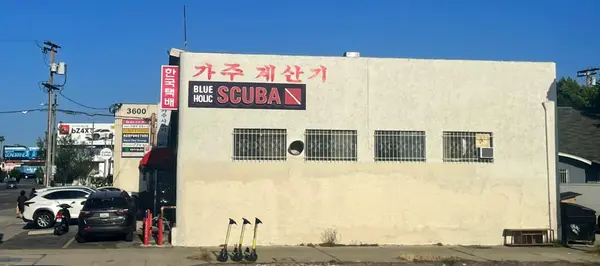
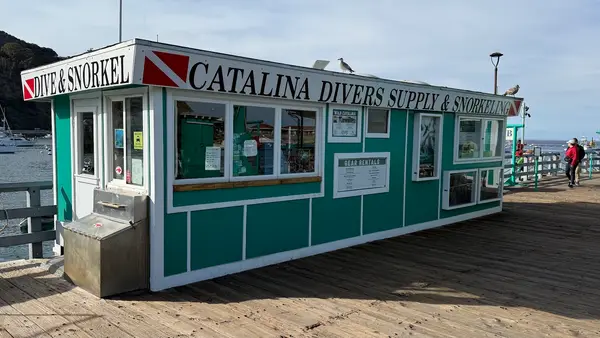
83 dive shops and charters in California

Top camping
Most-booked campgrounds in California
Federal campgrounds in California that Recreation.gov lists for diving, ranked by how many times they were booked in fiscal 2025.
1
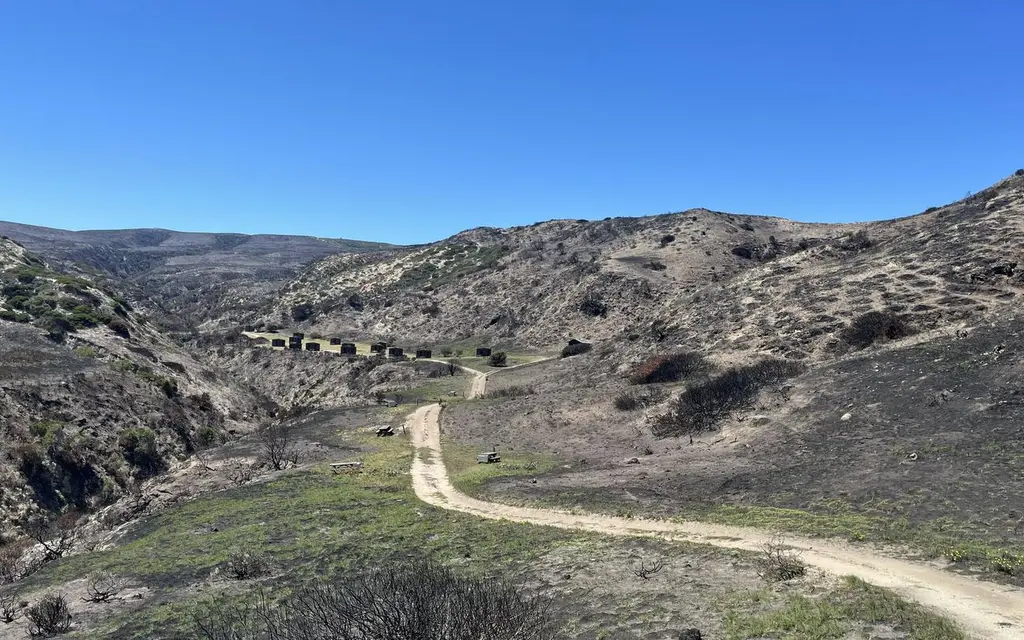
Santa Cruz Island Scorpion
7,257 bookings2
Meeks Bay Resort
4,732 bookings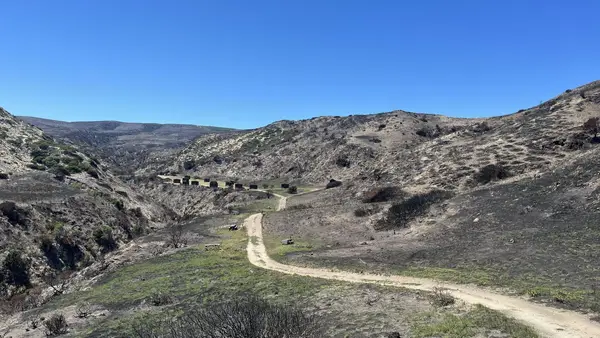 3
Santa Rosa Island
2,244 bookings4
Anacapa Island
855 bookings5
Santa Rosa Island Backcountry Beach Camping
491 bookings
Bookings: Recreation.gov, fiscal 2025 (Oct 2024 to Sep 2025).
On the map
Dive shops in California
Everything we have mapped in California, on one map. Tap anything for its details.
Loads the full map of California. We leave it off by default so the page opens fast on mobile data.
About California
Quick facts
- Dive shops and charters listed
- 83
- Best season
- Year-round
Trip guide
Know before you go in California
Federal permits, lotteries and timed-entry reservations in California, from Recreation.gov.
Confirm current requirements with the agency that sets them before your trip. Rules and fees change every season.
Marine Protected Area Rules
Divers must adhere to specific regulations within California's extensive network of Marine Protected Areas. These rules dictate what activities are allowed, including fishing, spearfishing, and collecting, which are often prohibited in "no-take" zones.
Spearfishing License
Any person engaging in spearfishing, even while scuba diving, must possess a valid California sport fishing license. Specific regulations apply to legal species, sizes, and bag limits.
California Boating Regulations
While not directly a diving regulation, divers operating their own dive boats must comply with California boating laws. This includes safety equipment requirements, vessel registration, and operating rules.
Abalone Diving Regulations
Although recreational abalone harvesting is currently prohibited in California, any future changes would require a specific abalone report card in addition to a sport fishing license. Divers must always verify current regulations.
01What is the typical water temperature in California?
02What kind of exposure protection do I need for diving here?
03What are the signature dive sites in California?
04Do I need a special permit to scuba dive in California?
05What marine life can I expect to see?
06Is California suitable for beginner divers?
When to go
Season by season in California
Spring
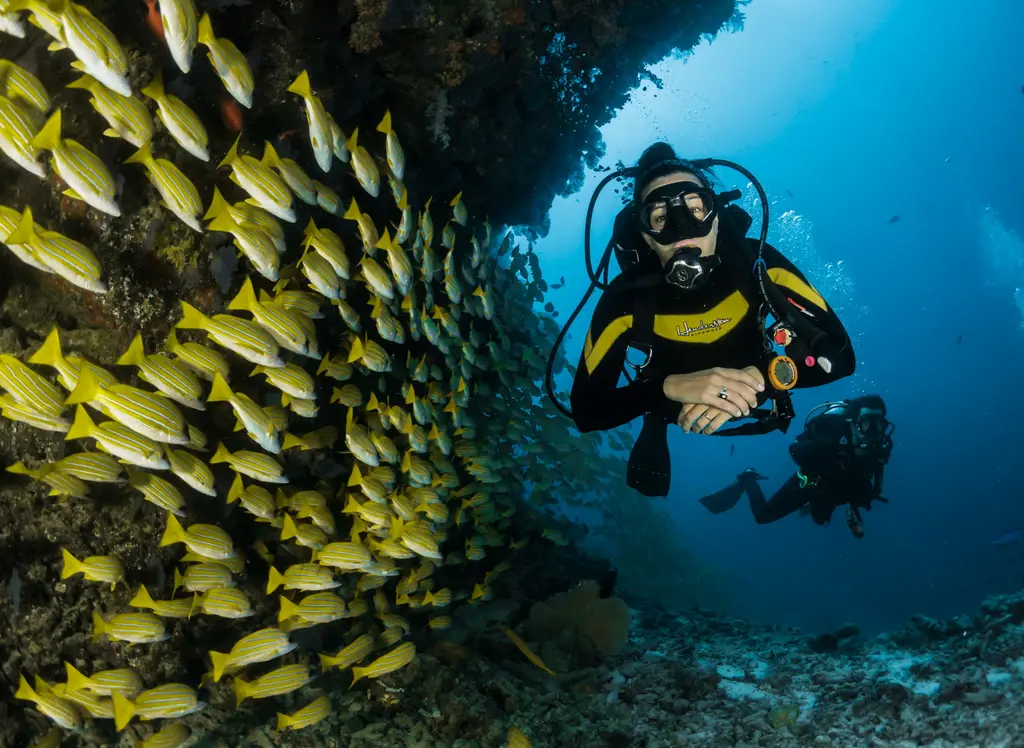
Water temperatures begin a slight rise, though plankton blooms can reduce visibility. Marine life activity increases, making it an exciting time for observations despite potential murkiness. Dive shops start increasing boat trip frequencies.
Summer
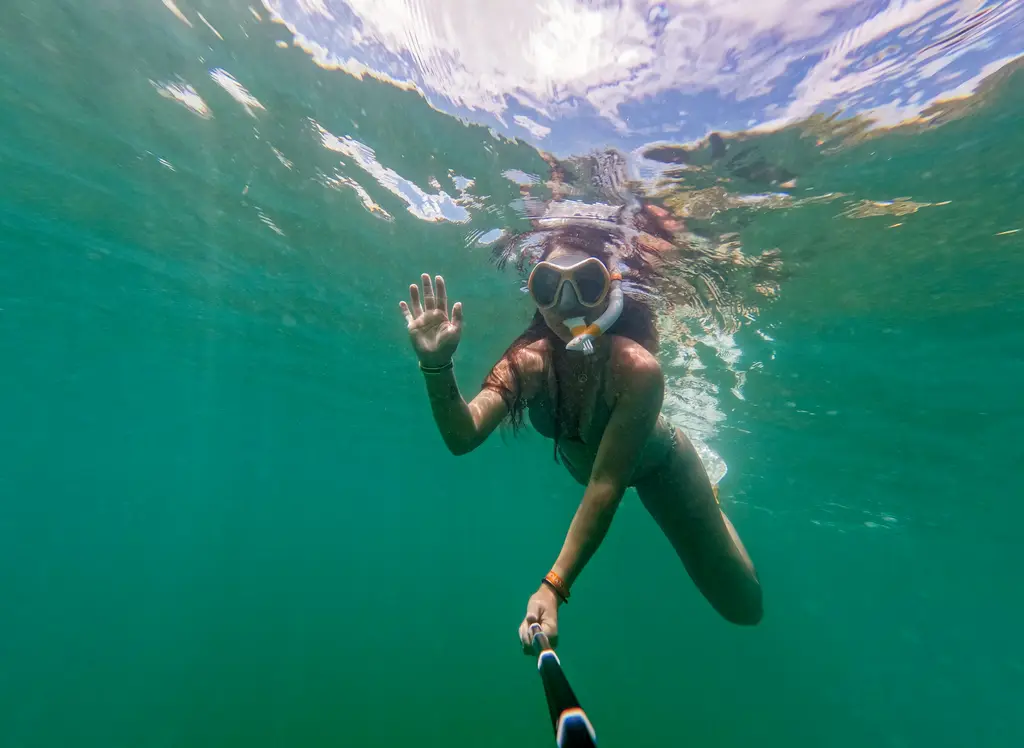
Warmer water and generally improved visibility make this the peak season for diving, especially around the Channel Islands. Liveaboards and dive boats run frequently, offering access to numerous offshore sites.
Fall
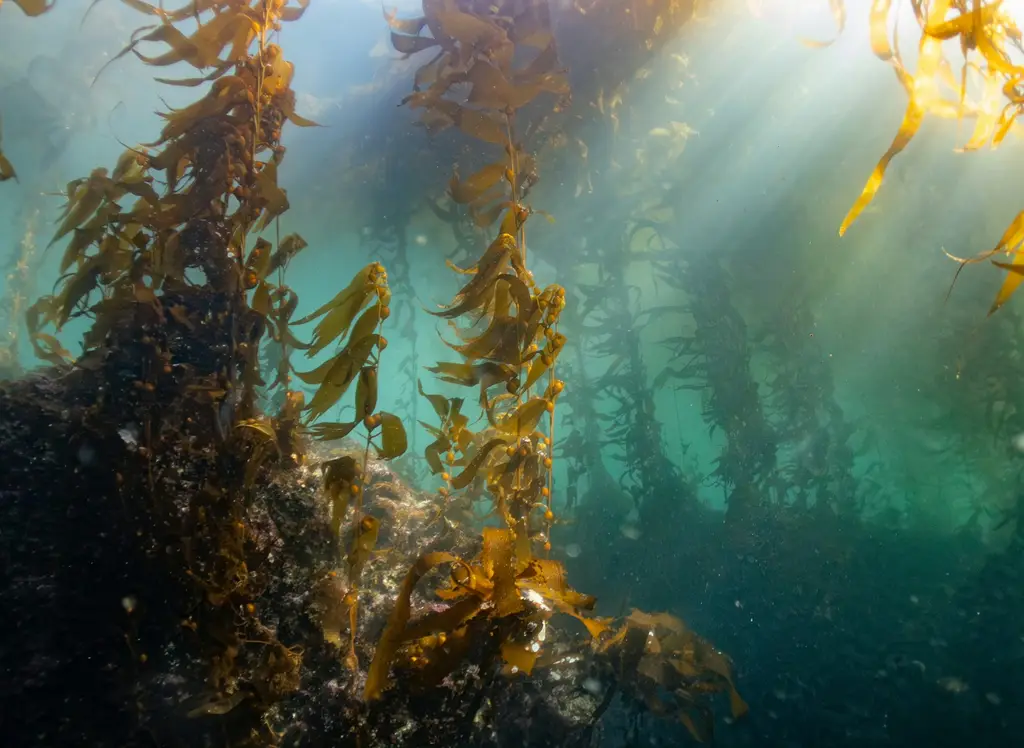
Often considered the best diving season due to the warmest water temperatures and typically excellent visibility after summer's plankton settle. Conditions are often calmer, ideal for exploring remote island sites.
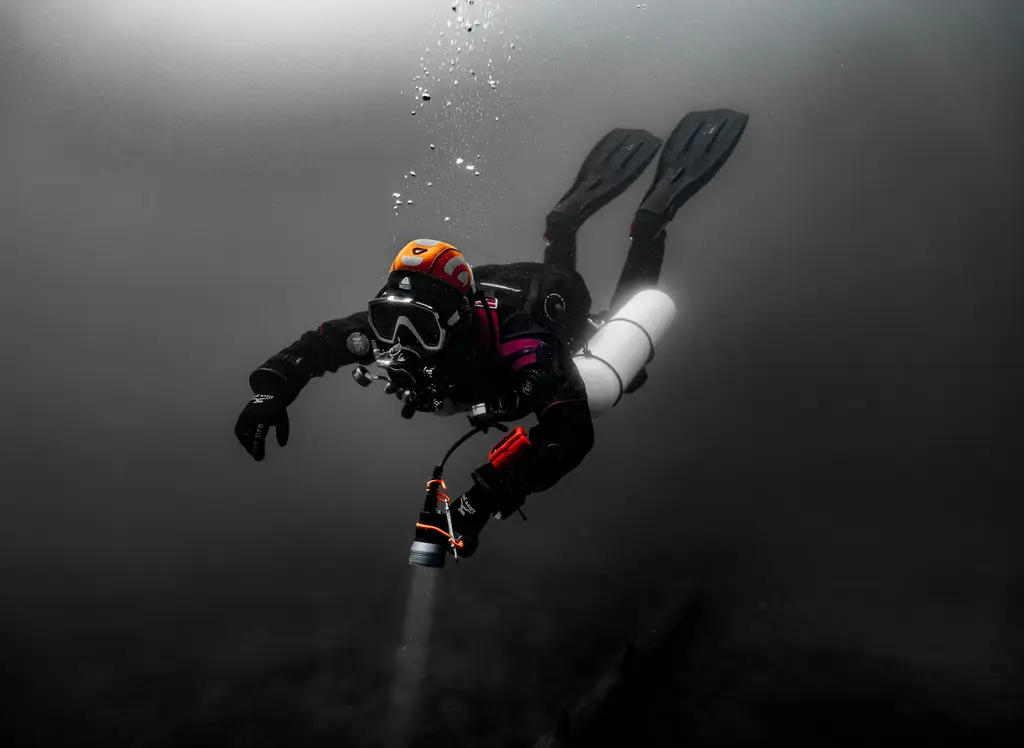
Winter
Colder water requires suitable exposure protection, but visibility can be exceptional following winter storms when the water calms. Fewer divers are present, offering a more serene underwater experience.
Free tools