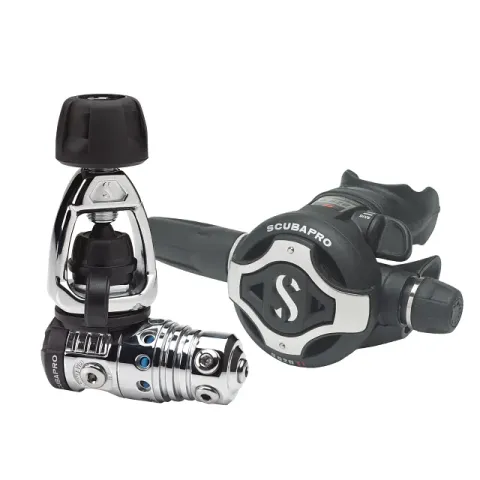
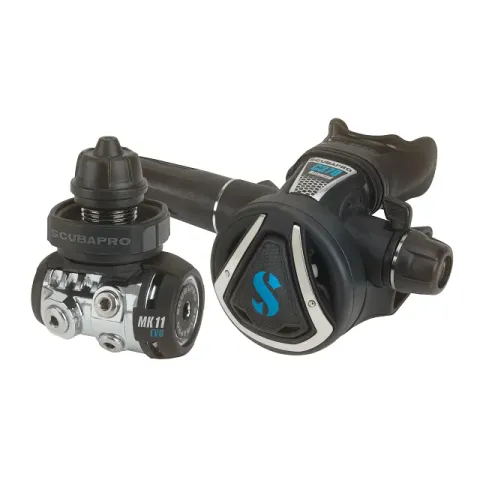
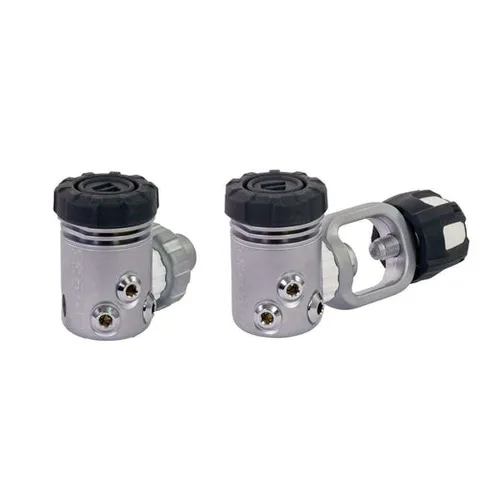
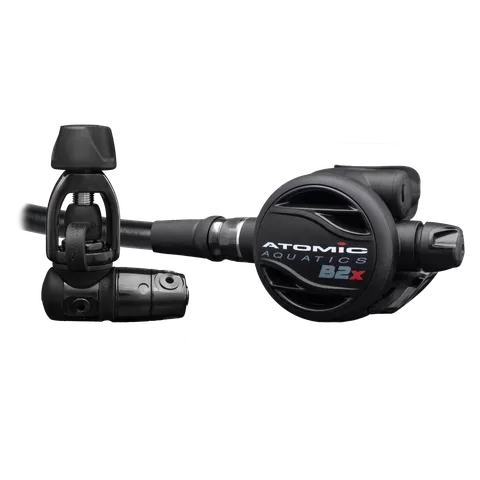
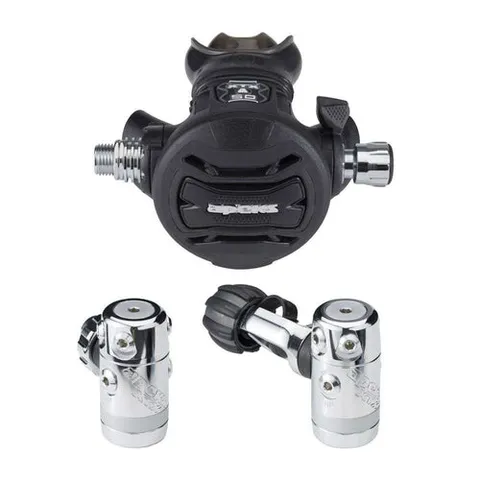
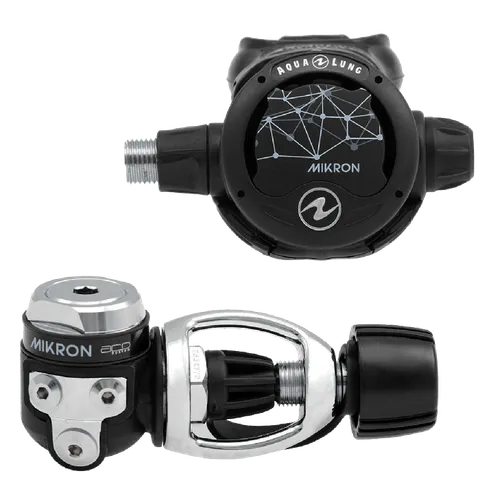
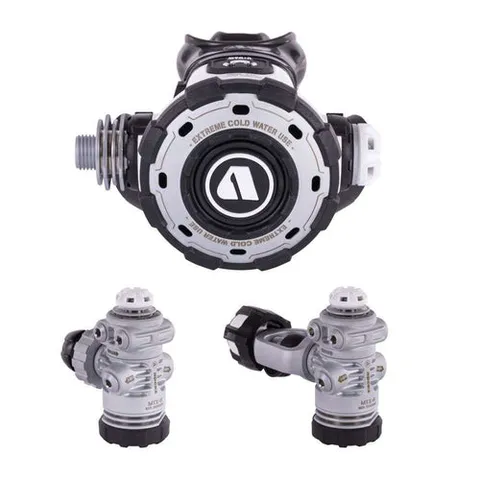
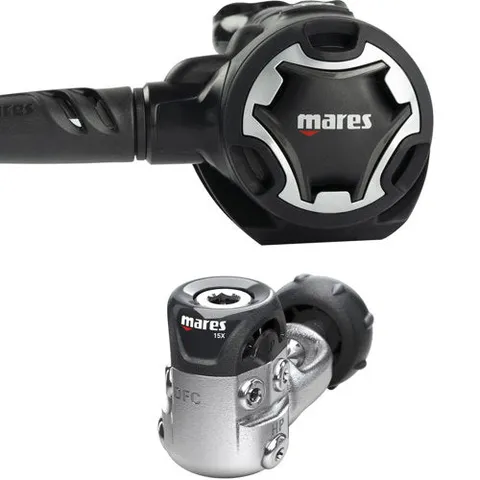
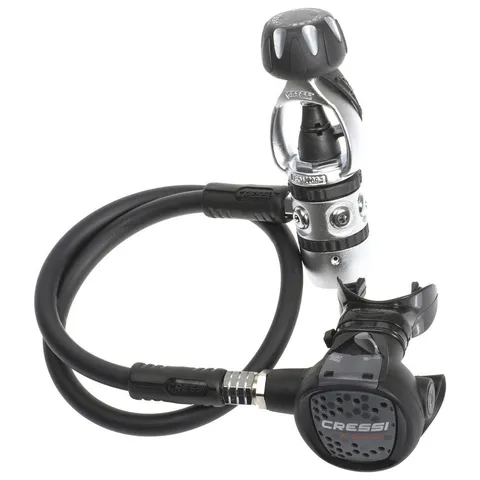
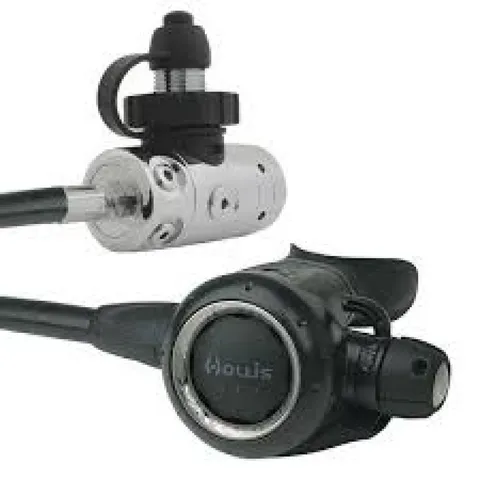
Your regulator is the single most important piece of life-support gear you own, it's the difference between air on demand and a bad day at depth. Yet walking into the regulator aisle (or scrolling a marketplace) is bewildering: prices swing from under $300 to over $1,500, and listings bury you in jargon about balanced pistons, sealed diaphragms, venturi switches, and DIN-versus-yoke fittings without ever telling you what a recreational diver actually needs. The honest truth is that nearly every regulator sold by a reputable brand today will keep you breathing comfortably in warm, shallow, recreational conditions. What you're really paying more for is breathing performance at depth and under exertion, cold-water reliability, durability across hundreds of dives, and lighter weight for travel.
This guide is built specifically for recreational divers: people diving to recreational limits (130 ft / 40 m), mostly in temperate-to-warm water, who want gear they can own, travel with, and service for a decade rather than tech-diving or cave rigs. We deliberately span the full price spectrum so you can see exactly what the low end gets you, where the diminishing returns kick in, and which premium features are genuinely worth the upcharge. An unbalanced budget reg is perfectly safe for a Caribbean vacation diver; a sealed, environmentally protected, balanced system earns its price when you're finning into current at 100 ft in cold water.
A few buying notes up front: most reputable picks come as a first stage plus a primary second stage, and you'll want to add an octopus (alternate air source) and a submersible pressure gauge if your package doesn't include one. Choose yoke if you dive mostly in North America, Mexico, and the Caribbean where it fits virtually every rental tank; choose DIN if you dive cold, technical, or internationally with your own kit. And budget for annual or biennial servicing, a cheap regulator that's serviced is far safer than an expensive one that isn't.