Skip to content
New Jersey diving. Backdrop for the Diving Hubs New Jersey dive shop directory

Scuba Diving · New Jersey

Scuba Diving in New Jersey

Dive 20 dive shops and charters across New Jersey. Maps, hours, contact info, photos, and verified operator profiles, all in one place.

Jersey Shore, Pine Barrens, and the Delaware Water Gap.

About New Jersey

New Jersey’s Atlantic waters are a renowned destination for advanced scuba divers, primarily due to an extensive collection of historical shipwrecks. The coastline, stretching from Sandy Hook to Cape May, is often called the 'Graveyard of the Atlantic's Northeast.' These waters hold thousands of vessels, ranging from colonial-era wooden ships to World War II U-boats and modern fishing boats. Dive shops along the coast, particularly in towns like Point Pleasant Beach, Brielle, and Cape May, specialize in chartering trips to these deep, often challenging sites.

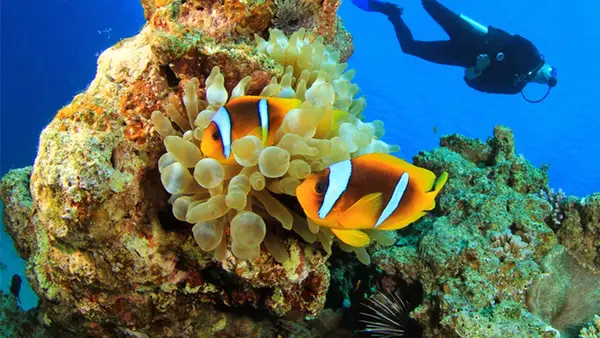
The state's artificial reef program significantly enhances the diving landscape. Over a dozen designated reef sites are scattered along the coast, created from a variety of materials including old ships, barges, tanks, and concrete structures. These reefs attract a rich diversity of marine life, transforming them into vibrant underwater ecosystems. Divers exploring these sites can encounter black sea bass, tautog, lobsters, and occasionally larger pelagic species, adding ecological interest to the historical allure of the wrecks.

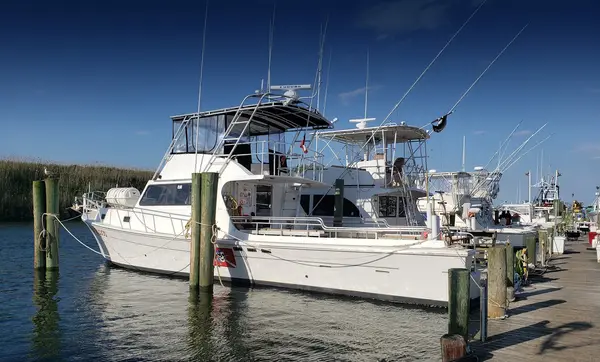
Access to New Jersey's premier dive sites is almost exclusively via boat charters. While no liveaboard operations are based in New Jersey, numerous day-trip dive boats depart daily during the dive season. These charters cater to experienced divers seeking the thrill of wreck exploration in conditions that often include strong currents and variable visibility. Divers should expect to bring or rent appropriate cold-water gear, as even summer water temperatures can be brisk at depth.

20 on the map

Loading map…

Tap a pin to open its profile.

Quick facts

Dive shops and charters listed
20
Best season
April through November

All listings

20 dive shops and charters

across New Jersey

All states

Get listed free

Run a dive shop in New Jersey? Add it to Diving Hubs. Free, no commission.

Add your listing

Plan your trip

Plan your trip to New Jersey

Wreck Diving Focus

New Jersey is primarily a wreck diving destination in the Atlantic Ocean. Divers explore historical shipwrecks and artificial reefs. These sites are typically deep and exposed to ocean conditions, requiring specific training and experience.

Water Temperatures and Visibility

Summer surface temperatures range from 65–75°F, but bottom temperatures can be significantly colder, often in the low 60s or high 50s. Spring and fall temperatures are 45–60°F. Visibility averages 10–40 feet but can fluctuate dramatically based on currents and weather. Drysuits are recommended for much of the year, with 7mm wetsuits acceptable for peak summer diving.

Required Certification Levels

Most signature wreck dives in New Jersey require Advanced Open Water certification at a minimum. Wreck Diver and Nitrox certifications are highly recommended and often essential for maximizing bottom time and safely navigating complex wreck environments. Technical diving certifications are needed for deeper or more challenging sites.

Boat Access Only

Access to New Jersey’s dive sites is almost exclusively by boat. Shore diving is extremely limited due to strong currents, boat traffic, and the nature of the dive sites. Divers must book trips with local dive charter operators who provide transportation to the offshore wrecks and reefs.

Respect for Historical Sites

Many wrecks are considered historical sites. Divers should practice responsible diving by avoiding disturbance or removal of artifacts. Adhere to general dive etiquette and respect mooring buoy systems, if present, to protect these underwater treasures.

Confirm current requirements with the state agency before your trip. Rules and fees change every season.

  • Boating Safety Certificate

    Anyone operating a power vessel, including a dive boat, in New Jersey waters must possess a New Jersey Boating Safety Certificate. This applies to residents and non-residents alike. The course covers essential navigation rules, safety procedures, and environmental regulations.

  • Spearfishing Regulations

    Spearfishing is permitted in New Jersey waters, but divers must adhere to state fishing regulations regarding species, size limits, and seasons. A valid New Jersey saltwater fishing license is required for all individuals aged 16 and older who engage in spearfishing.

  • Wreck and Artifact Preservation

    New Jersey has laws protecting historical shipwrecks and artifacts. It is illegal to remove artifacts from state-owned submerged lands without a permit. Divers should observe wrecks as they are found and report any significant historical discoveries to the appropriate state agencies.

  1. 01

    Obtain Advanced Certifications

    Ensure you have at least Advanced Open Water certification. Wreck Diver and Nitrox certifications are highly recommended for optimal and safe diving in New Jersey's conditions.

  2. 02

    Research Dive Charters

    Identify reputable dive shops and charter operators in coastal towns like Point Pleasant Beach, Brielle, or Cape May. Many specialize in specific wreck types or depths.

  3. 03

    Book Your Trip in Advance

    New Jersey dive charters can book up quickly, especially during peak summer months. Reserve your spot well in advance and confirm the specific wreck or reef site for your trip.

  4. 04

    Prepare Your Cold-Water Gear

    Gather appropriate exposure protection. A drysuit is ideal for most of the dive season, while a thick 7mm wetsuit with hood and gloves is suitable for peak summer. Ensure all gear is in good working order.

  5. 05

    Understand Conditions and Briefings

    Listen carefully to your dive master's briefing about the specific site, expected conditions, and safety procedures. New Jersey diving often involves currents and requires good situational awareness.

01What kind of diving is most popular in New Jersey?
Wreck diving is the most popular form of scuba diving in New Jersey. The state's Atlantic coastline is home to thousands of shipwrecks, ranging from historical vessels to modern artificial reef deployments. These sites attract divers interested in history, marine life, and challenging conditions.
02What are the typical water conditions for diving in New Jersey?
New Jersey waters are temperate, meaning they are generally cold. Summer bottom temperatures can be in the 50s or 60s Fahrenheit, requiring substantial exposure protection. Visibility is variable, often ranging from 10 to 40 feet, and can be affected by weather and currents. Currents can also be strong at many sites.
03What certifications are needed to dive in New Jersey?
Most dive operators require at least an Advanced Open Water certification for offshore wreck diving. Wreck Diver and Enriched Air Nitrox certifications are highly recommended, as they provide essential skills and extended bottom time for exploring the deeper and more complex sites found here.
04Are there opportunities for shore diving in New Jersey?
Shore diving opportunities in New Jersey are very limited. The vast majority of notable dive sites, including all major wrecks and artificial reefs, are located offshore and require boat access. Strong currents, boat traffic, and limited entry points make shore diving impractical for most divers.
05Are there liveaboard diving options from New Jersey?
There are no liveaboard diving operations based in New Jersey. Divers utilize day-trip charters that depart from various coastal towns. These charters typically run full-day trips to offshore wrecks and reefs, returning to port in the evening.
06When is the best time of year to dive in New Jersey?
The best time for ocean diving in New Jersey is during the summer and early fall months. From June through October, water temperatures are at their warmest, and charter boats run most frequently. Fall often brings improved visibility as plankton blooms subside, offering excellent conditions for wreck exploration.

When to go

Season by season in New Jersey
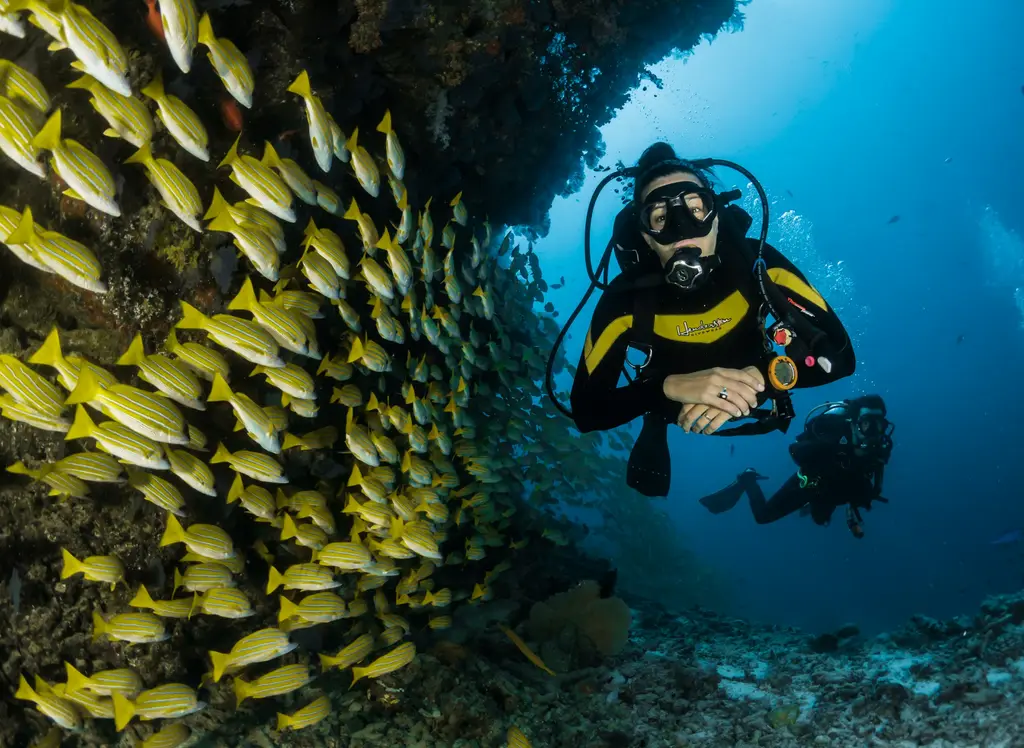
Spring (April-May)

Water temperatures begin to rise, and dive charters start running more regularly as weather windows improve. Visibility can be variable, but some of the best conditions occur before summer plankton blooms. Divers should plan for cold water and wear drysuits or thick wetsuits.
Summer (June-August)

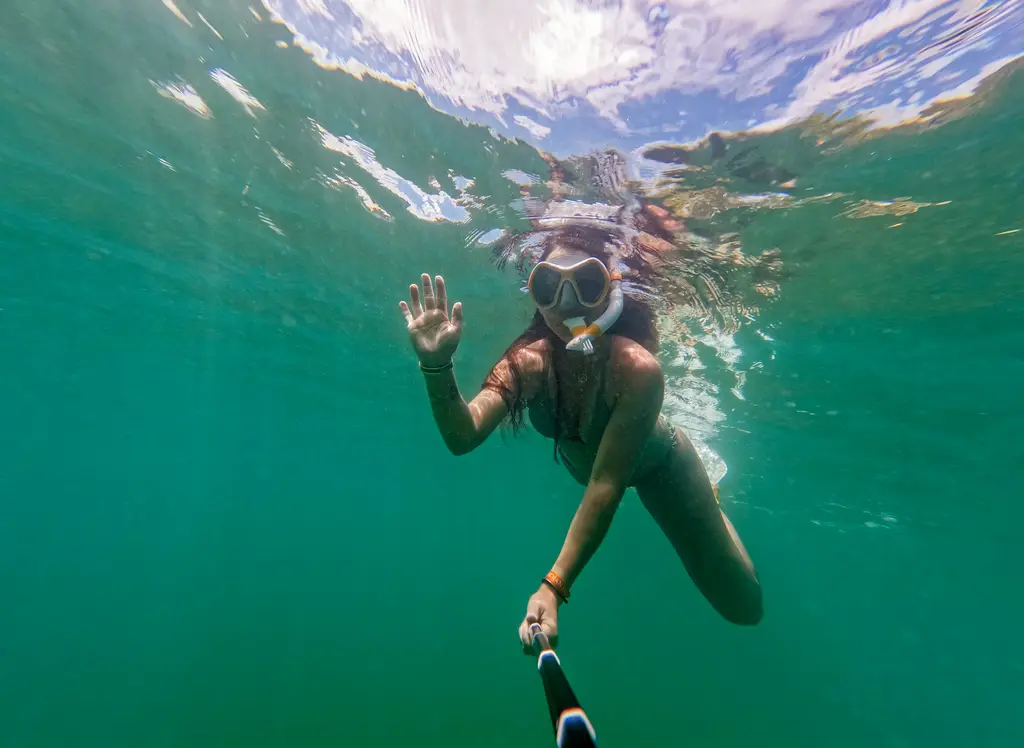
This is peak dive season, with the warmest water temperatures and most frequent boat departures. Visibility can be reduced by plankton blooms but is generally manageable. Dive shops are fully operational, offering a wide range of trips to popular wreck sites and artificial reefs.
Fall (September-November)

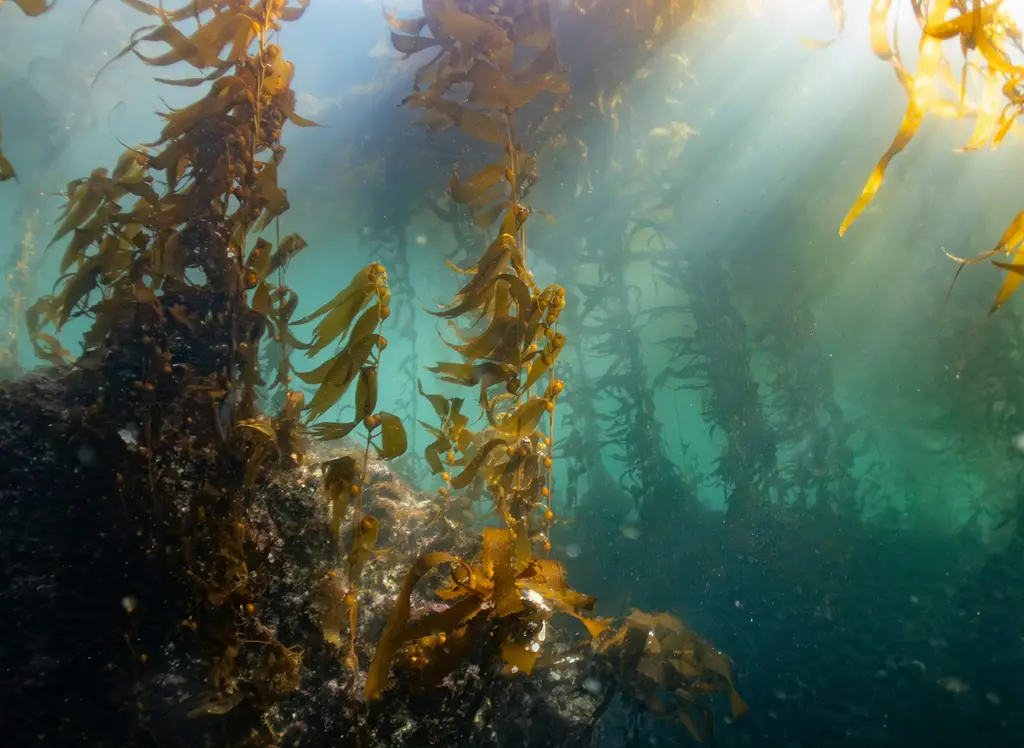
Water temperatures gradually cool, but visibility often improves significantly as plankton begins to clear. The fall offers excellent diving with fewer crowds than summer. Many dive charters continue to operate into late fall, weather permitting.
Winter (December-March)

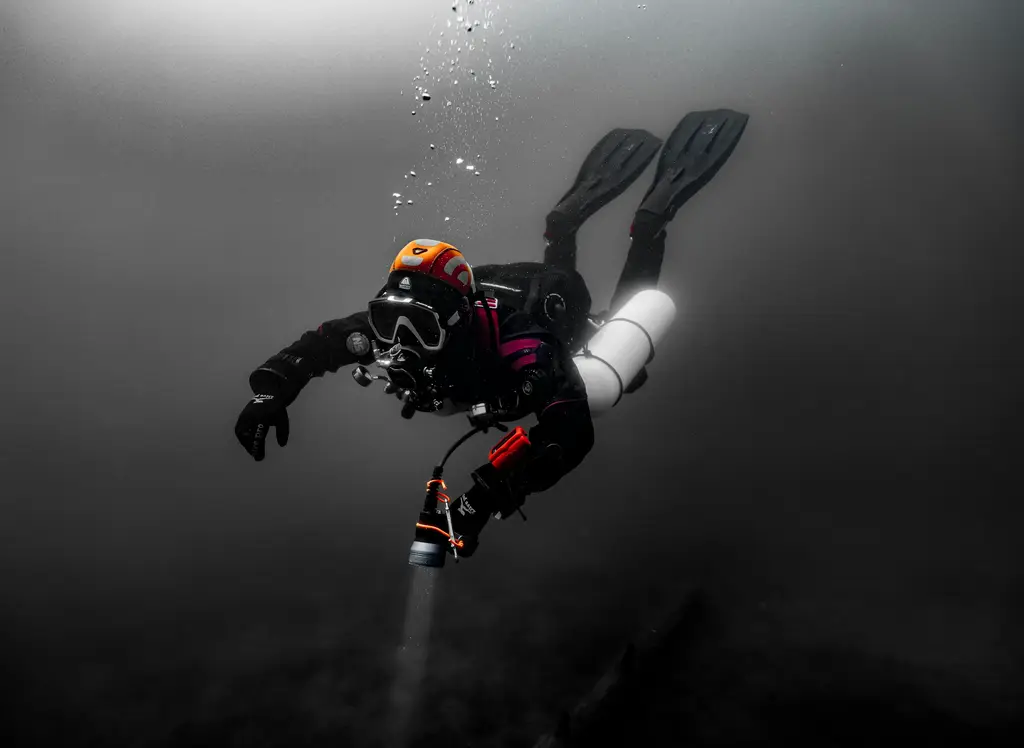
Ocean diving is very limited during winter due to cold temperatures, rough seas, and infrequent charter services. Some specialized drysuit training or local quarry diving may occur, but most ocean-focused dive operations are closed for the season.

Free tools

Your free outdoor toolkit
Keep exploring
Nearby states

In your pocket

Take every dive site with you.

Free, no account needed. Dive-site charts, marine conditions, and your dive log in your pocket.

  • Every dive shop and charter in your pocket

  • Reefs, wrecks, and walls charted on the map

  • Viz and current reports from divers just surfaced

  • NOAA conditions before the boat leaves the dock

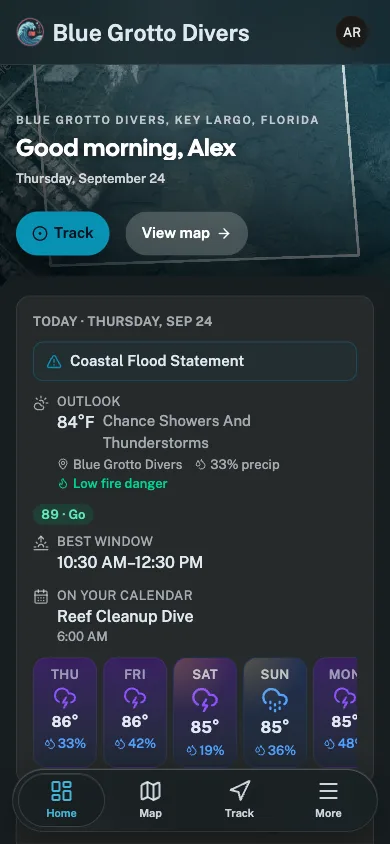
The Diving Hubs app dashboard

For operators

Run your dive business?
Launch your branded surface.

Get your own branded surface in the Diving Hubs app and a directory listing in minutes. Bookings, digital waivers, and your whole operation live in one cockpit.