Scuba Diving · Maine
Scuba Diving in Maine
Dive 15 dive shops and charters across Maine. Maps, hours, contact info, photos, and verified operator profiles, all in one place.
Rocky coast, the North Woods, and Acadia.
Updated
Highest rated
Scuba Diving in Maine by Google rating
Ranked by Google rating, then by number of reviews, across the 11 of 15 dive shops and charters in Maine with 10 or more Google reviews.
| Name | City | Rating |
|---|---|---|
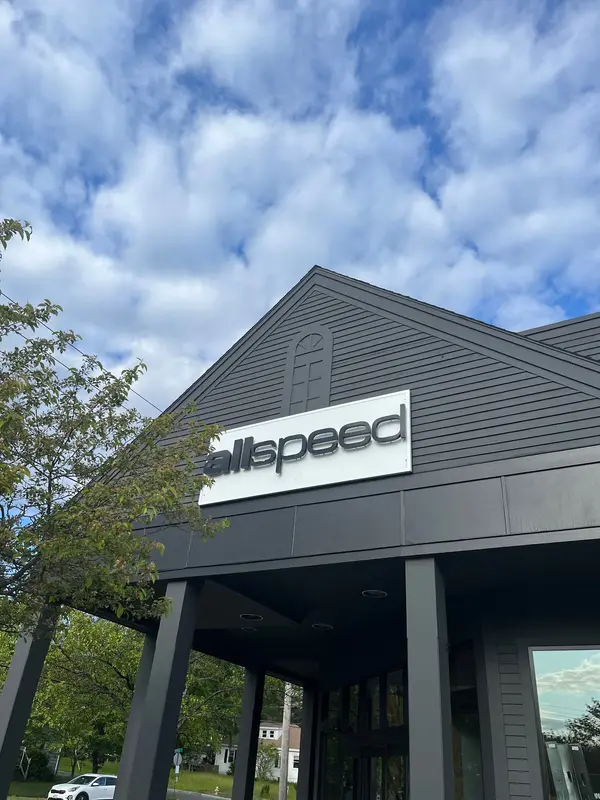
| Allspeed Cyclery & Snow | Portland | 4.9786 Google reviews |
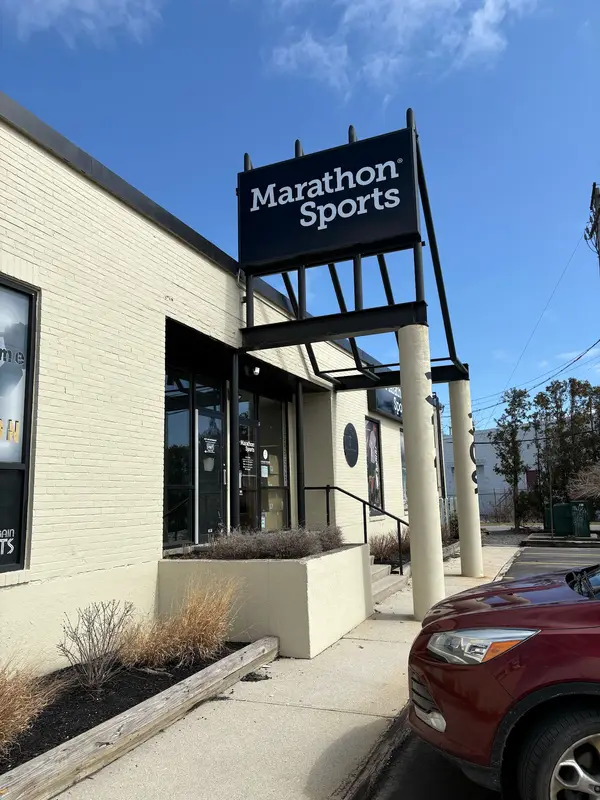
| Marathon Sports Portland | Portland | 4.9411 Google reviews |
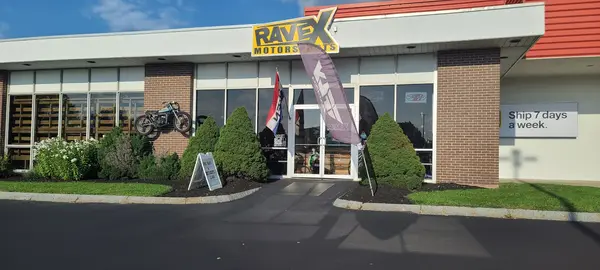
| Rave X Motorsports | South Portland | 4.8175 Google reviews |
| Barclay's Skindivers Paradise & Windsurfing-Maine | Lewiston | 4.819 Google reviews |
| Johnson Sporting Goods Inc | Rockland | 4.6132 Google reviews |
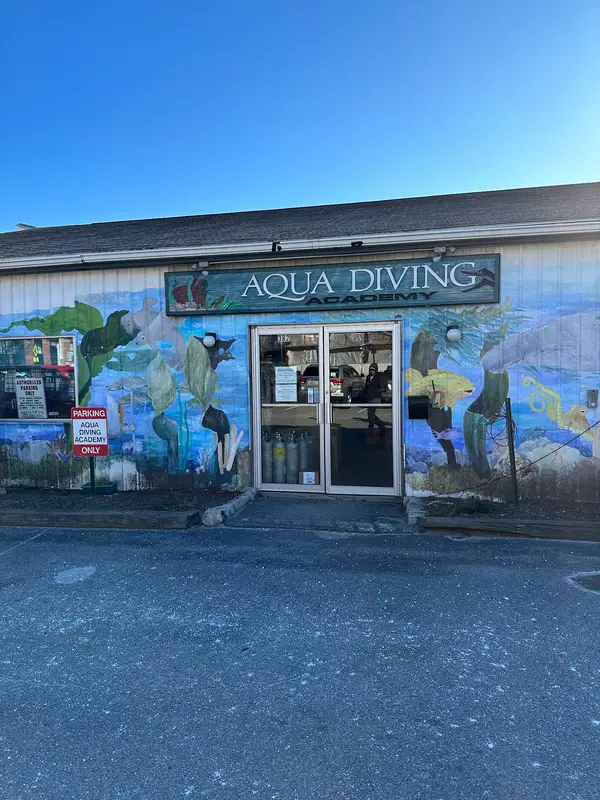
| Aqua Diving Academy | Portland | 4.670 Google reviews |
| Johnson's Sporting Goods Inc. | Brunswick | 4.5194 Google reviews |
| Johnson's Sporting Goods | Portland | 4.540 Google reviews |
All listings
15 dive shops and charters in Maine


On the map
Dive shops in Maine
Everything we have mapped in Maine, on one map. Tap anything for its details.
Loads the full map of Maine. We leave it off by default so the page opens fast on mobile data.
About Maine
Quick facts
- Dive shops and charters listed
- 15
- Best season
- June through October
Trip guide
Know before you go in Maine
Federal permits, lotteries and timed-entry reservations in Maine, from Recreation.gov.
Confirm current requirements with the agency that sets them before your trip. Rules and fees change every season.
Harvester License for Marine Resources
Divers wishing to harvest marine organisms, such as lobsters or scallops, must possess the appropriate state-issued harvester license from the Maine Department of Marine Resources. Regulations vary by species and season.
Boating Safety Education
Any person born on or after January 1, 1999, operating a motorboat over 25 horsepower in Maine waters must complete an approved boating safety course. This applies to private boat operators accessing dive sites.
Marine Mammal Interaction Guidelines
Federal law prohibits harassment of marine mammals. Divers should maintain a safe and respectful distance from seals, whales, and other marine mammals, avoiding any actions that could alter their natural behavior.
NOAA Fisheries
01What is the typical water temperature in Maine?
02What kind of exposure protection is necessary for diving in Maine?
03What marine life can divers expect to see?
04Are there many shipwrecks to dive in Maine?
05Is shore diving a common option in Maine?
06What certification level is recommended for diving in Maine?
When to go
Season by season in Maine
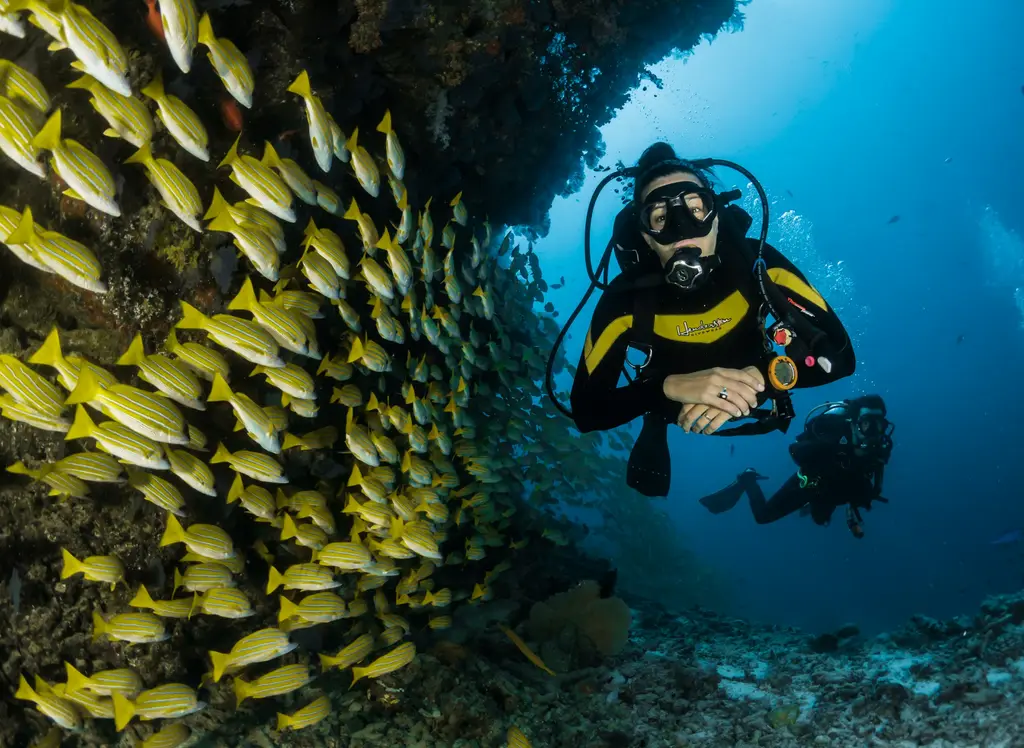
Spring (April-June)
Water temperatures remain cold, but visibility often improves as ice melts and plankton blooms are less intense. Dive shops begin offering charters, gearing up for the busier summer season.
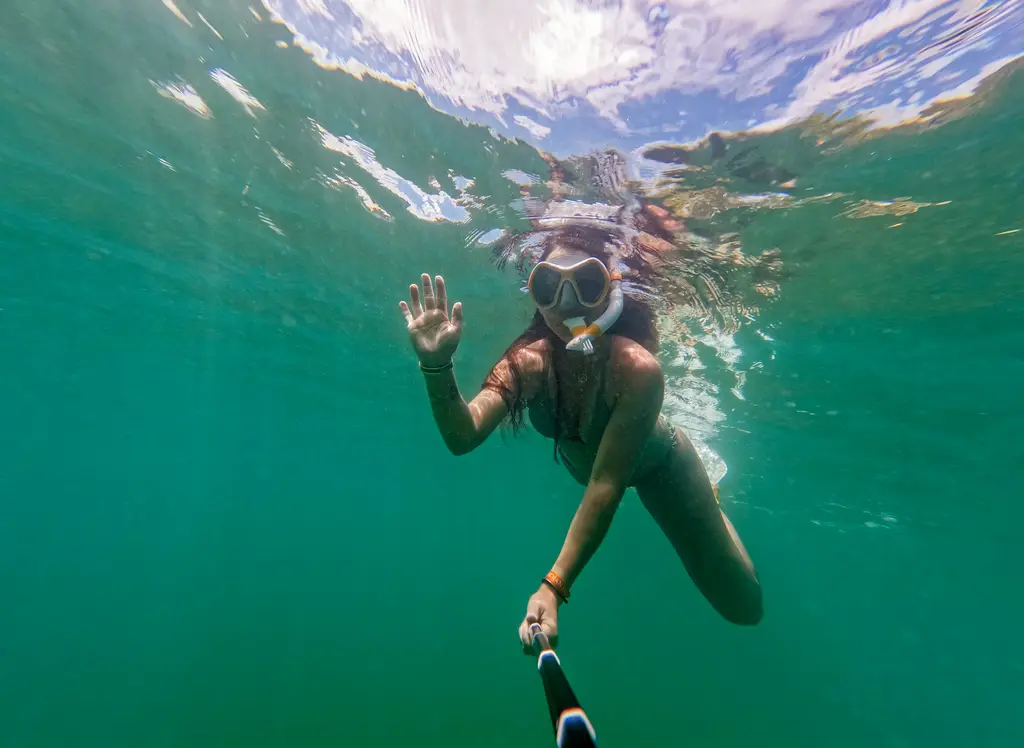
Summer (July-August)
This is peak diving season. Water temperatures are at their warmest, ranging from 50–60°F near the surface, and visibility is typically at its best. All dive shops and charter operations are fully active.
Fall (September-November)
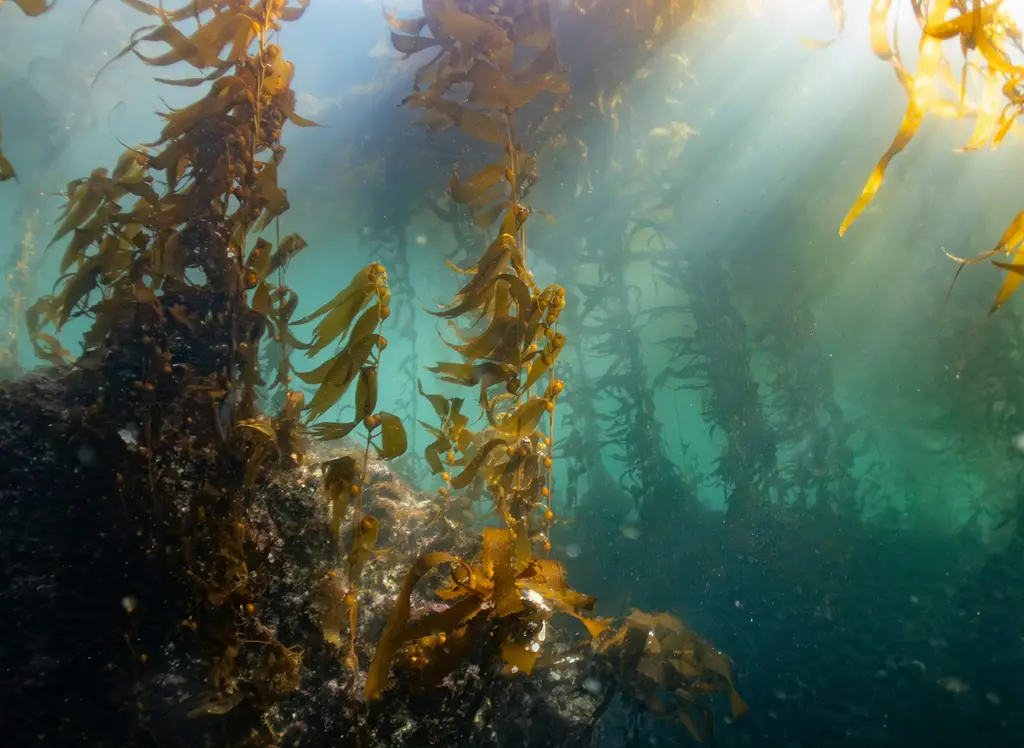
Water temperatures gradually cool, but visibility can be excellent due to reduced plankton. Fewer divers are present, offering a more serene experience, though sea conditions can become choppier.
Winter (December-March)
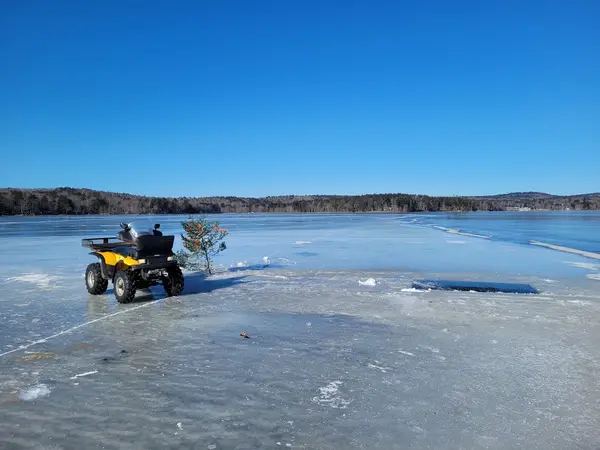
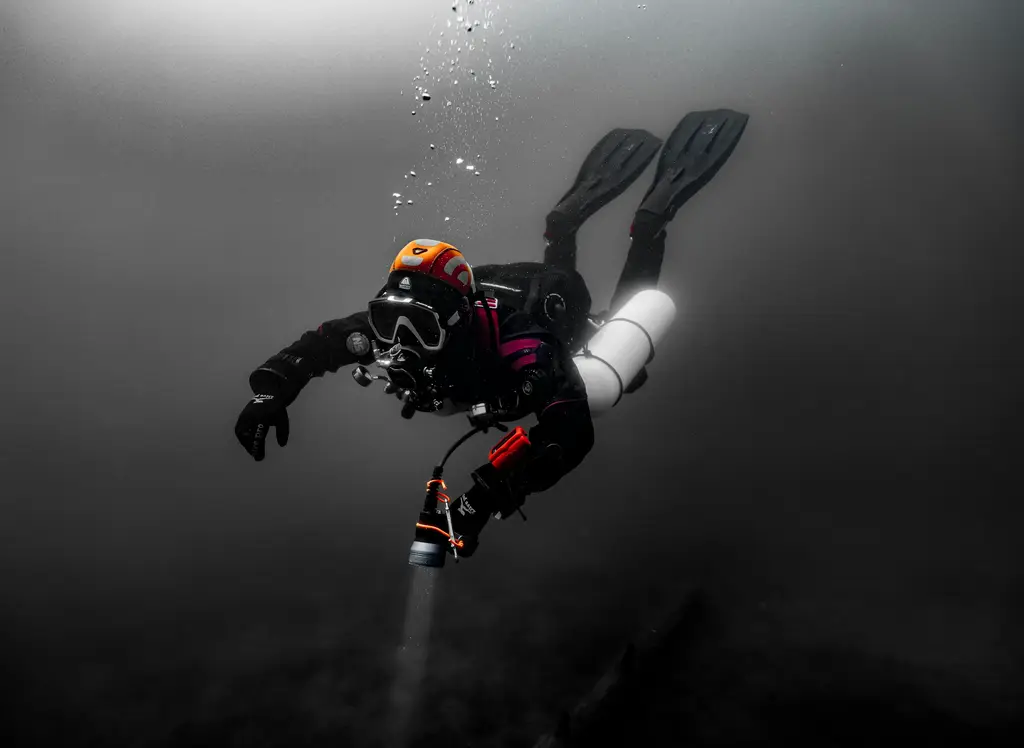
Diving is challenging due to very cold water and potential ice. It is limited to experienced drysuit divers and specialized operations, with many dive shops closing or offering reduced services.
Free tools