Scuba Diving · Caribbean
Caribbean Scuba Diving
Explore 108 operators across Caribbean. Maps, contact info, photos, and verified operator profiles, all in one place.
All listings
108 operators in Caribbean
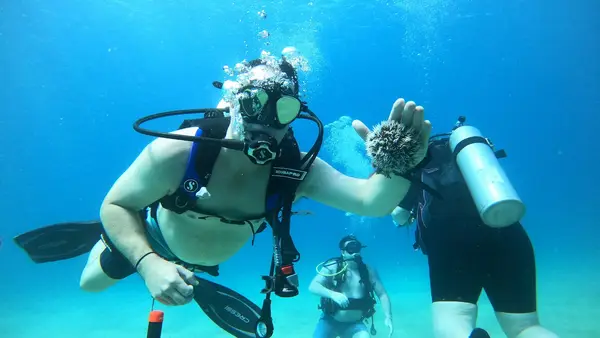
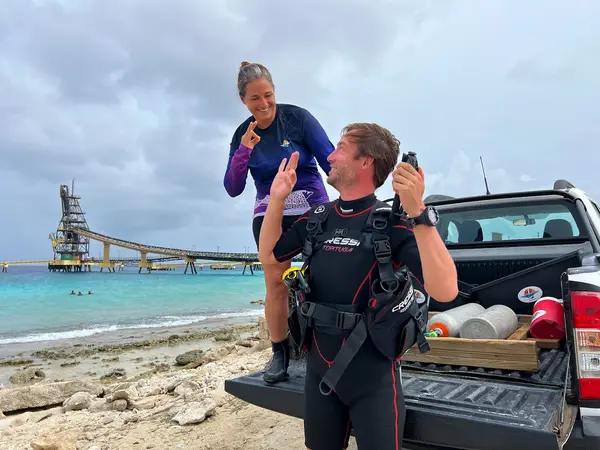
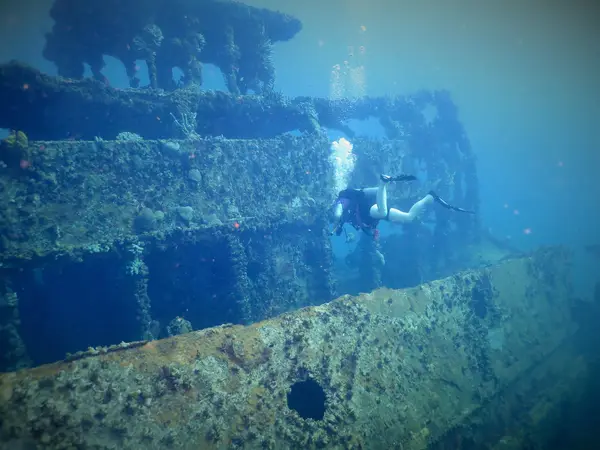
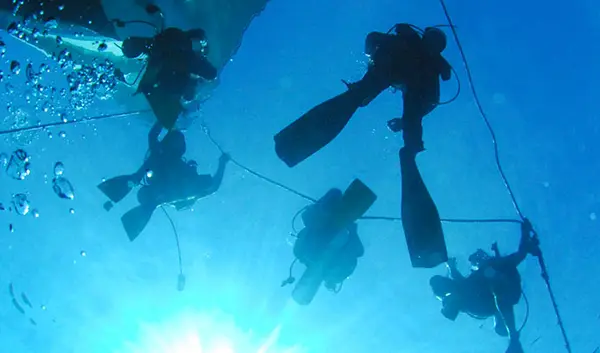

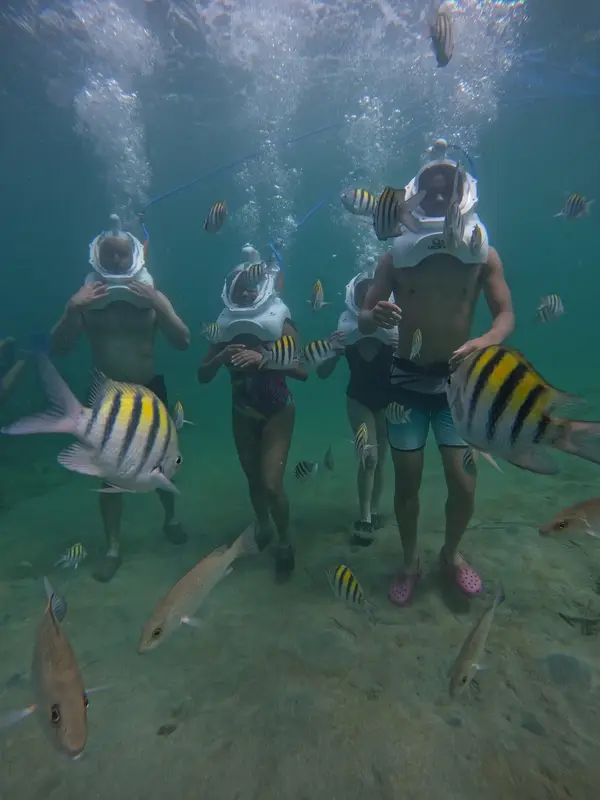
Dive Site Explorer
Dive sites across Caribbean
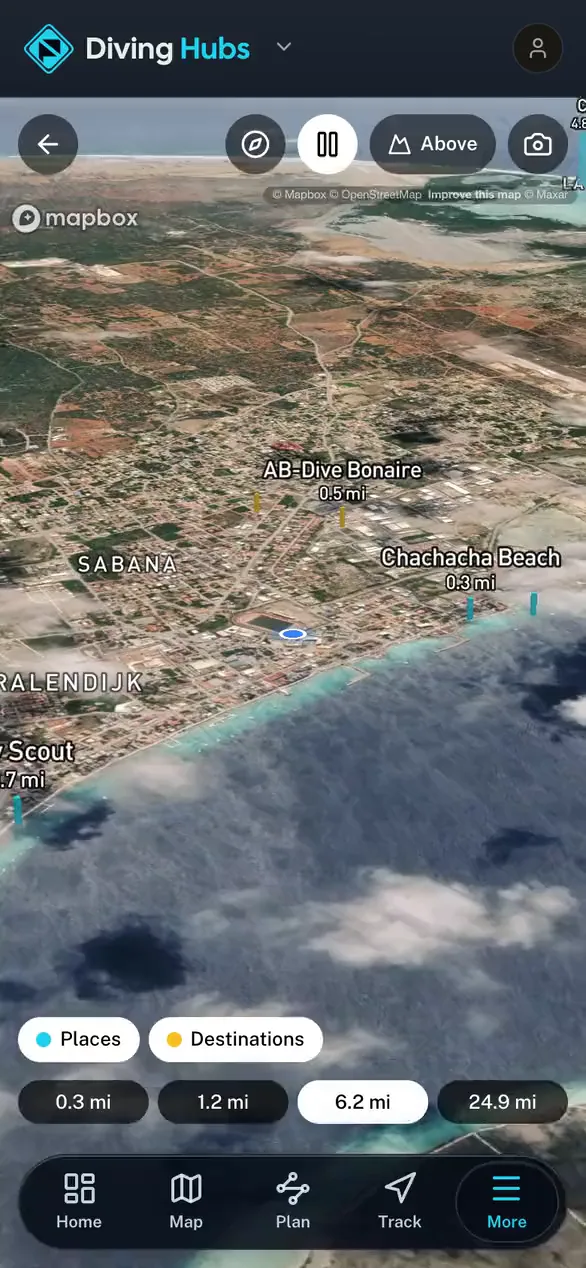
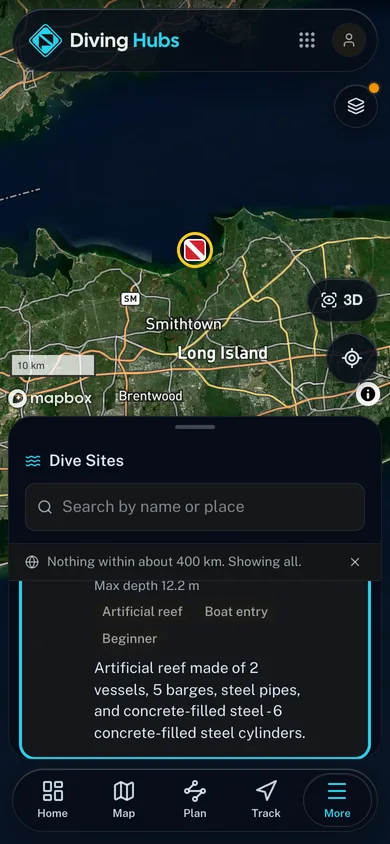
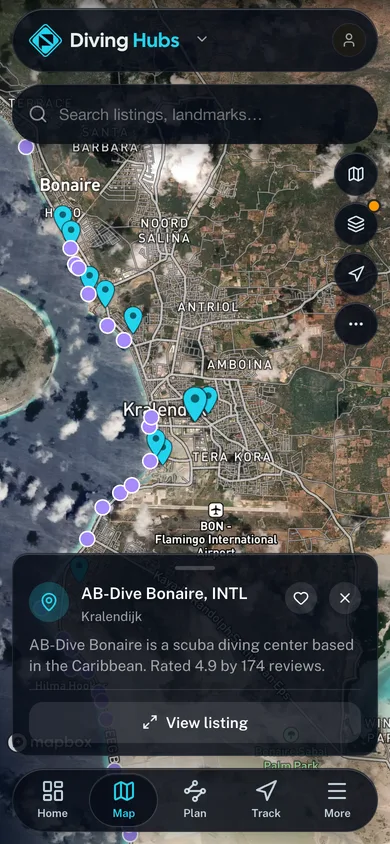
Tap a dive site to pinpoint it on the map, then open it for depth, entry, and the nearest operator.
About Caribbean
Quick facts
- Water temp
- 26–29°C (79–84°F)
- Visibility
- 20–30m+
- Best season
- Year-round
- Highlights
- Walls, wrecks & shore reefs
- Skill level
- All levels
- Operators listed
- 108
- Countries
- Cayman Islands, Bahamas, Bonaire +9 more
- Dive areas
- 4
By region
4 regions in Caribbean
Region 01 / 04
Bonaire
The 'Diver's Paradise' license plates aren't kidding. Yellow-painted stones along the coast road mark reef entries you can drive to, gear up beside, and walk into, no boat required. Calm, clear water suits every skill level, and the coral and macro life reward slow, repeated visits.
Region 02 / 04
Cayman Islands
Grand Cayman built its reputation on walls, vertical faces in famously clear water, plus the USS Kittiwake, one of the region's best-known wrecks. Stingray City adds something no wall can: standing in waist-deep sand while southern stingrays glide past your knees.
Region 03 / 04
Belize
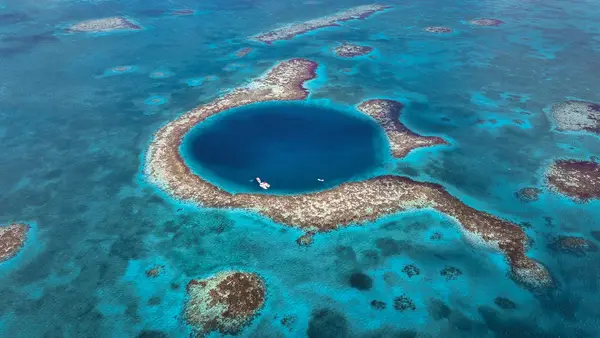
The world's second-largest barrier reef runs the length of the country, and beyond it lie the atolls and the Great Blue Hole. Inner reef sites work fine from shore-based shops; the remote outer sites are liveaboard territory, and the boats stay busy.
Region 04 / 04
Turks & Caicos
Wall diving is the draw here, drop-offs that fall thousands of feet, close enough to shore that the crossing is short. Hang at the edge long enough and the blue tends to produce something pelagic. The reefs above the walls are healthy, the water reliably clear.
Trip guide
Know before you go in Caribbean
Confirm current requirements with the agency that sets them before your trip. Rules and fees change every season.
Certification Requirements
All divers must present a valid certification card (C-card) from a recognized agency (e.g., PADI, SSI, NAUI) before diving. Dive operators may also request proof of a recent dive (e.g., logbook) or a refresher course if you haven't dived in over a year. Requirements vary by country – confirm with your operator.
Marine Park and Conservation Fees
Many Caribbean countries enforce marine park fees or conservation tariffs, which are typically collected by dive operators. These funds contribute directly to the protection and management of the marine environment. The amount and collection method vary by country – confirm with your operator.
Medical Fitness and Insurance
Divers are generally required to complete a medical questionnaire, and some operators may request a doctor's note for certain pre-existing conditions. Comprehensive dive insurance, covering medical emergencies and evacuation, is highly recommended and sometimes mandatory. Requirements vary by country – confirm with your operator.
Age and Experience Minimums
While Open Water certification typically requires a minimum age of 10 or 12, some advanced or technical dives may have higher age or experience (logged dives) minimums. Specific sites with strong currents or depths beyond recreational limits will have strict requirements. Requirements vary by country – confirm with your operator.
01What is the best time of year to dive in the Caribbean?
02Is the Caribbean suitable for beginner divers?
03What kind of marine life can I expect to see?
04Should I choose a liveaboard or a resort-based dive trip?
05Are there any specific health or safety considerations for diving in the Caribbean?
06What is the average water temperature in the Caribbean?
When to go
Season by season in Caribbean
Spring (March - May)
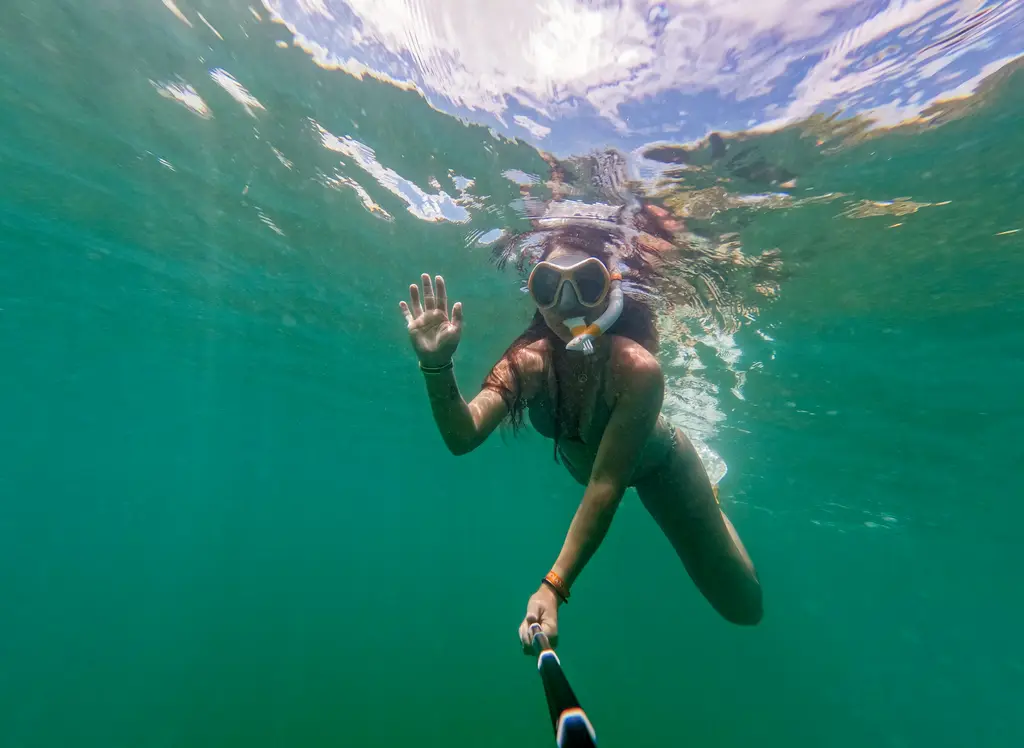
Arguably the sweet spot for the whole basin. Water warming, visibility high, hurricane risk near nil, seas calm enough that the boat ride is part of the pleasure rather than the price. Plenty of other divers have figured this out, so popular destinations fill up.
Summer (June - August)
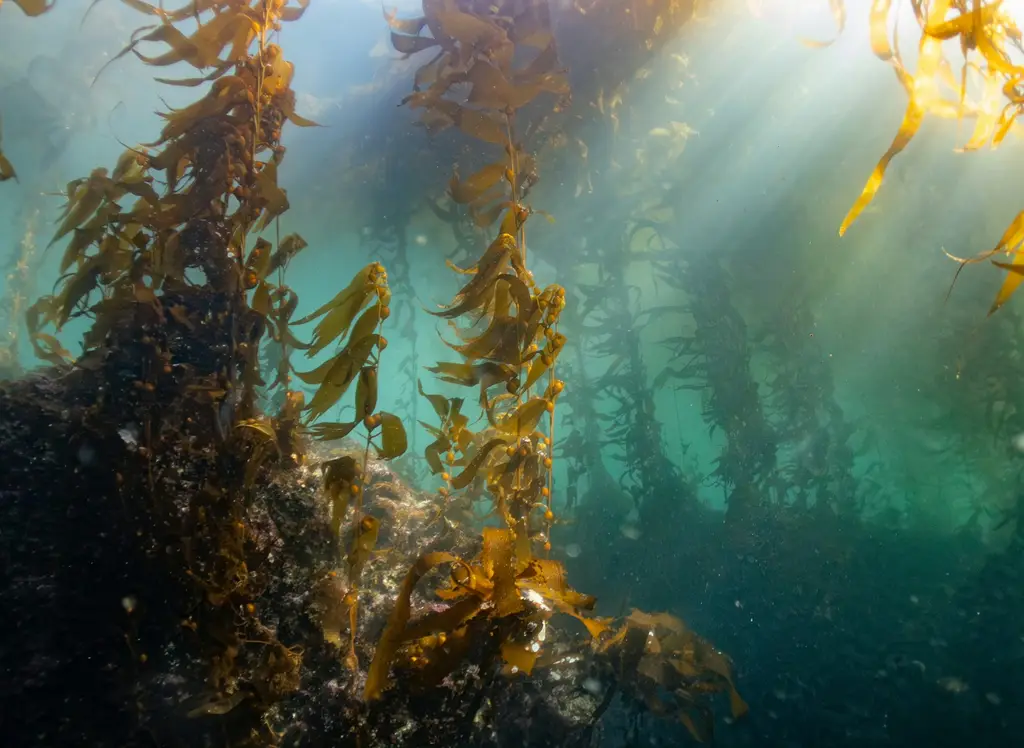
Hurricane season opens across the northern Caribbean in June, but the southern islands (Bonaire, Aruba, Curaçao), sit largely outside the main storm tracks. Expect warm water, thinner crowds, and visibility that can be exceptional, traded against more frequent rain in some areas. A good bet if you want the sites to yourself.
Autumn (September - November)
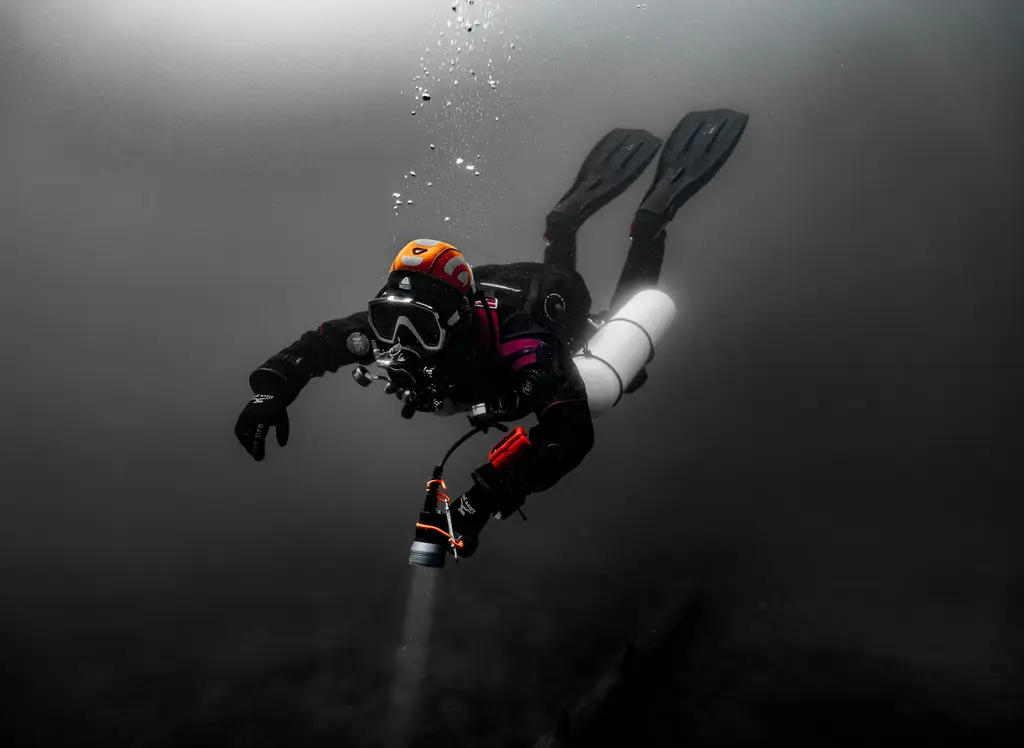
Peak hurricane season for much of the northern and central Caribbean, and the one window where a storm can genuinely wreck an itinerary, closures and cancellations happen. The consolation: on islands the storms miss, water temperatures peak and marine life is busy. Check your specific destination; conditions diverge sharply island to island.
Winter (December - February)
Prime season for the northern and central islands: hurricane season is over, visibility is typically at its best, and air and water temperatures are comfortable if a touch cooler than summer. The catch is company: holiday crowds push boats and rooms to capacity, so book well ahead.
Watch & learn
Watch & learn, Caribbean
DIVING HIGHLIGHTS FROM COZUMEL, MEXICO 2022 4K 2nd edition
Gerry Green
0Bonaire Scuba Diving Buddy's Reef in 4K! Best shore diving in the world! like an aquarium but better
ZoubTube
0Scuba Diving in Roatán Honduras - March 2023 (4K)
Fish Nerd Films
0
Free tools