Scuba Diving · Atlantic & Cold Water
Atlantic & Cold Water Scuba Diving
Explore 540 operators across Atlantic & Cold Water. Maps, contact info, photos, and verified operator profiles, all in one place.
About Atlantic & Cold Water
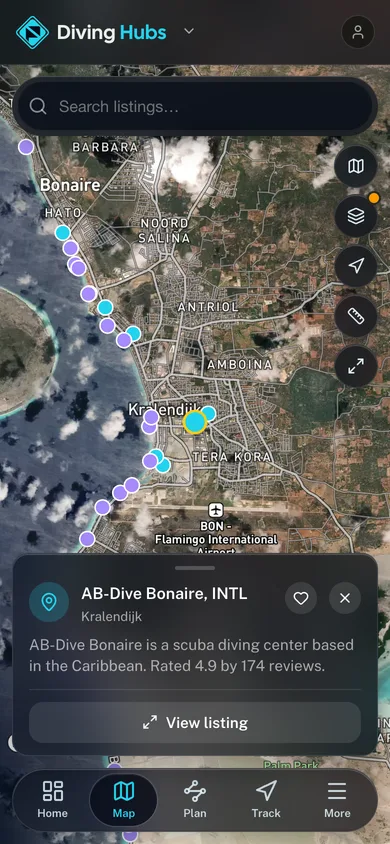
540 on the map
Tap a pin to open its profile.
Quick facts
- Water temp
- 4–20°C (39–68°F)
- Visibility
- 10–40m+
- Best season
- Late spring–summer
- Highlights
- Pelagics, wrecks & tectonic dives
- Skill level
- Advanced
- Operators listed
- 540
- Countries
- Iceland, Norway, United Kingdom +6 more
- Dive areas
- 4
By region
4 regions in Atlantic & Cold Water
Region 01 / 04
Azores, Portugal
A volcanic archipelago dropped in the middle of the Atlantic, where seamounts and sheer topography pull in the open ocean's traffic: shark species, mobula rays, and whales on migration. The place advanced divers go when they want big animals, not guarantees.
Region 02 / 04
Norway (Arctic & Fjord Diving)
Fjord and Arctic diving of a kind found almost nowhere else: orcas, vast kelp forests, and underwater terrain as dramatic as the cliffs above it. Bring a dry suit certification, the water demands it, and the visibility and marine life reward it.
Region 03 / 04
Scapa Flow, Scotland (UK)
The WWI German High Seas Fleet was scuttled here in 1919, and its battleships and cruisers still lie on the bottom, remarkably preserved. An underwater museum on a naval scale, and one of the world's great wreck-diving pilgrimages.
Region 04 / 04
Canary Islands, Spain
Mild year-round and volcanic to the core: lava formations, caves, and rocky reefs busy with fish. Good visibility, diverse marine life, and enough easy water to suit divers at every level.
All listings
540 operators
across Atlantic & Cold Water





Watch it live
Live webcams in Atlantic & Cold Water
Eyeball the surface conditions on a public cam before you plan the dive.
 Location
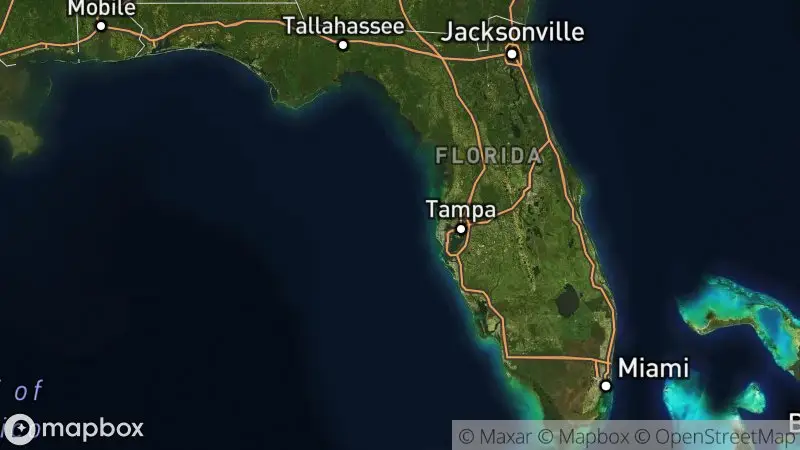
Florida Keys & Coastal Cams
via LiveBeaches
Watch live Location
Georgia Aquarium Ocean Voyager Whale Shark Cam
via Georgia Aquarium
Watch live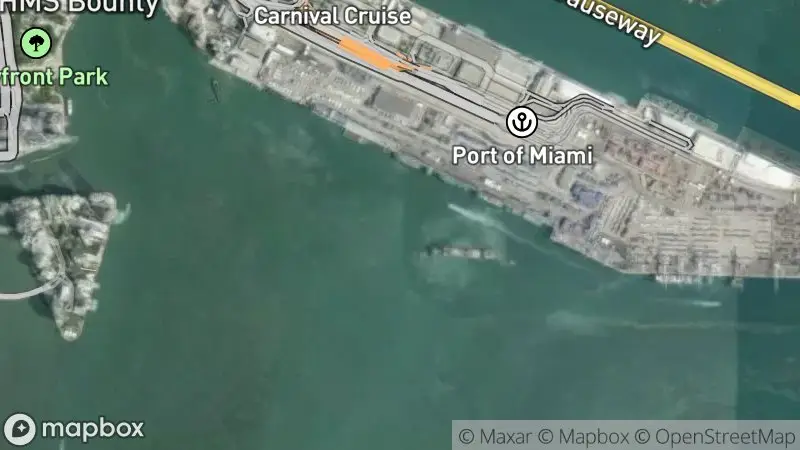 Location
Coral City Camera (Miami Urban Reef)
via Coral Morphologic
Watch livePlan your trip
Plan your trip to Atlantic & Cold Water
Certification Levels and Experience
Many signature sites in the Atlantic & cold-water North Atlantic, especially deep wrecks or strong current areas, require advanced or specialty certifications (e.g., Deep Diver, Wreck Diver, Dry Suit Diver). Some operators may also require a minimum number of logged dives. Always confirm the required certification and experience level with your chosen dive operator before booking, as requirements vary by site and country.
Dive Insurance and Evacuation
Comprehensive dive insurance, including coverage for medical emergencies and evacuation, is highly recommended and often mandatory by dive operators in this region. Given the remote nature of some dive sites, particularly for liveaboard expeditions in the North Atlantic, robust insurance is crucial. Verify coverage details and ensure it includes hyperbaric chamber treatment and emergency transport.
Liveaboards vs. Day Boats
Access to dive sites varies significantly. Day boats are common for local reefs and wrecks in established destinations. However, for remote archipelagos, specific pelagic encounters, or multi-day wreck expeditions (e.g., Scapa Flow or Norway's fjords), liveaboards often provide the best, or only, practical access. Consider your itinerary and the type of diving you seek when choosing your vessel.
Equipment and Nitrox Availability
Cold-water diving necessitates specialized gear, including dry suits, thick undergarments, and appropriate regulators. While many dive shops offer rentals, bringing your own well-fitting dry suit is advisable for comfort and safety. Nitrox is widely available at most reputable dive centers and liveaboards throughout the region, particularly for multi-day diving, but confirm availability with your operator.
Marine Park Fees and Local Logistics
Many dive sites, especially those within protected areas or national parks, may incur additional marine park or conservation fees. These fees directly support conservation efforts and vary significantly by country and specific site. Language can also vary widely across this international region; English is commonly spoken in tourist-oriented dive operations, but local languages may be prevalent elsewhere. Always carry local currency for incidental expenses.
Confirm current requirements with the state agency before your trip. Rules and fees change every season.
Proof of Certification
All divers are required to present valid proof of their scuba diving certification from a recognized agency (e.g., PADI, SSI, NAUI) before participating in any guided dives or equipment rentals. This is a universal standard, but specific requirements for advanced certifications may vary by country and dive site – confirm with your operator.
Dive Medical Statement
Many dive operators will require a completed medical statement (self-assessment) to ensure you are fit to dive. If you answer 'yes' to any medical conditions, a doctor's clearance may be necessary. Specific medical requirements and forms vary by country – confirm with your operator.
Minimum Age and Experience
While standard recreational diving certifications have minimum age requirements (typically 10-12 years old), some advanced or challenging dives in the Atlantic & cold-water North Atlantic may impose higher age limits or require specific logged dive experience. These can vary by country and operator – confirm with your operator.
Marine Protected Area Regulations
Diving in marine protected areas or national parks often comes with specific regulations to protect fragile ecosystems, such as no-touch rules, restrictions on certain equipment, or mandatory guide accompaniment. Violations can lead to significant penalties. These rules vary by country and protected area – confirm with your operator.
- 01
Define Your Diving Interests
Decide what actually pulls you underwater: historical wrecks, pelagic encounters, cold-water ecosystems, or volcanic terrain. The Atlantic and cold-water North Atlantic cover an enormous area, and knowing your answer cuts the map down to the destinations that fit.
- 02
Research Specific Destinations and Sites
With a direction picked, dig into specific countries or archipelagos: their signature sites, typical marine life, water temperatures, and the months that deliver what you're after. Weigh the practical side too: how you'll get there and what infrastructure waits when you arrive.
- 03
Choose Your Dive Operator or Liveaboard
Find shops or liveaboards that specialize in your destination and style of diving. Read reviews, compare itineraries, and confirm they meet safety standards and match your certification and experience. Ask about equipment rental and Nitrox while you're at it.
- 04
Verify Entry Requirements and Insurance
Check visa requirements for your nationality, any health declarations, and your passport's validity. Then sort comprehensive dive insurance covering medical emergencies and evacuation, many operators won't let you in the water without proof of it.
- 05
Prepare Your Gear and Certifications
Get your equipment serviced and matched to the water you're heading into, a dry suit for the cold regions is not optional. Confirm your certifications are current and sufficient for the planned dives, and book advanced or specialty courses if a target site demands them.
01What kind of marine life can I expect to see in the Atlantic & cold-water North Atlantic?
02What are the typical water temperatures in this region?
03Are there opportunities for technical diving in the Atlantic & cold-water North Atlantic?
04Is it safe to dive with large marine animals like sharks or orcas in this region?
05What is the best way to travel between dive sites or islands in the region?
06Do I need to bring my own dive gear, or can I rent equipment?
When to go
Season by season in Atlantic & Cold Water

Spring (March - May)
Conditions improve first in the south, the Canary Islands warm up and visibility climbs. In the colder North Atlantic the ice starts pulling back, reopening some northern sites, though the water stays properly cold. Watch the mid-Atlantic archipelagos in this window: spring can bring marine life migrations through.
Summer (June - August)
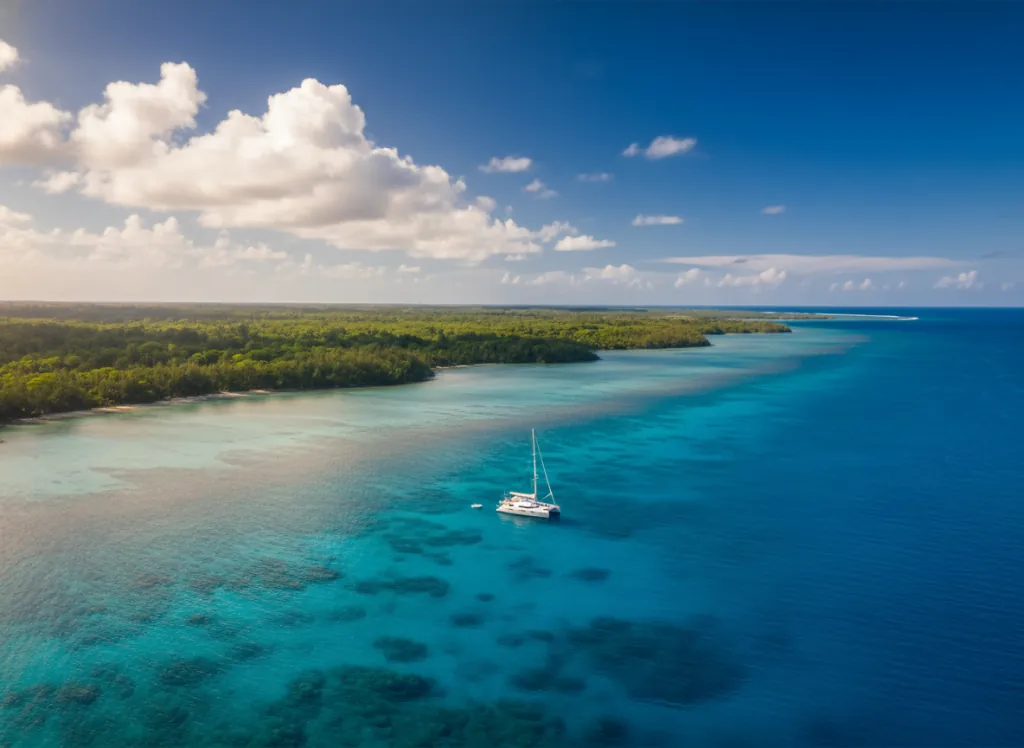
Prime season almost everywhere. Water temperatures peak, visibility is generally at its best, and this is the window for Norway, Iceland, the UK, and the Canadian Maritimes. Pelagic action peaks in the Azores, and wreck sites sit in their most settled conditions of the year.
Autumn (September - November)
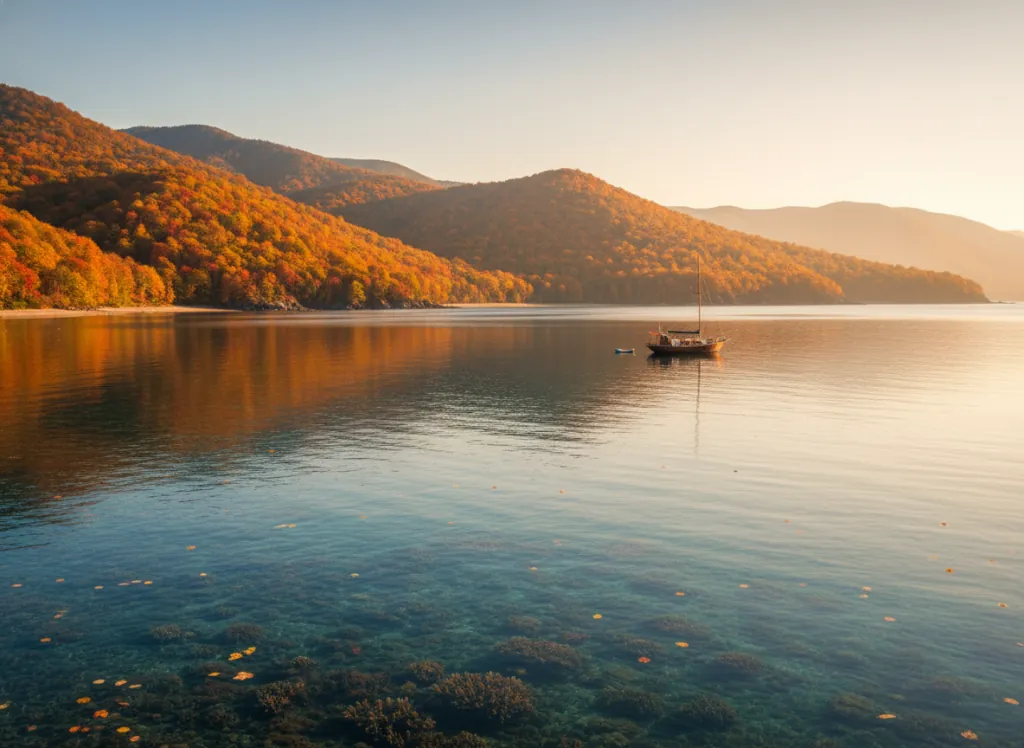
The early autumn months are a quiet gem: the water holds its summer warmth in many areas, visibility can be exceptional, and the crowds have gone home. The far north cools fast, but events like the UK's seal interactions carry on, and the southern Atlantic stays comfortably diveable.
Winter (December - February)
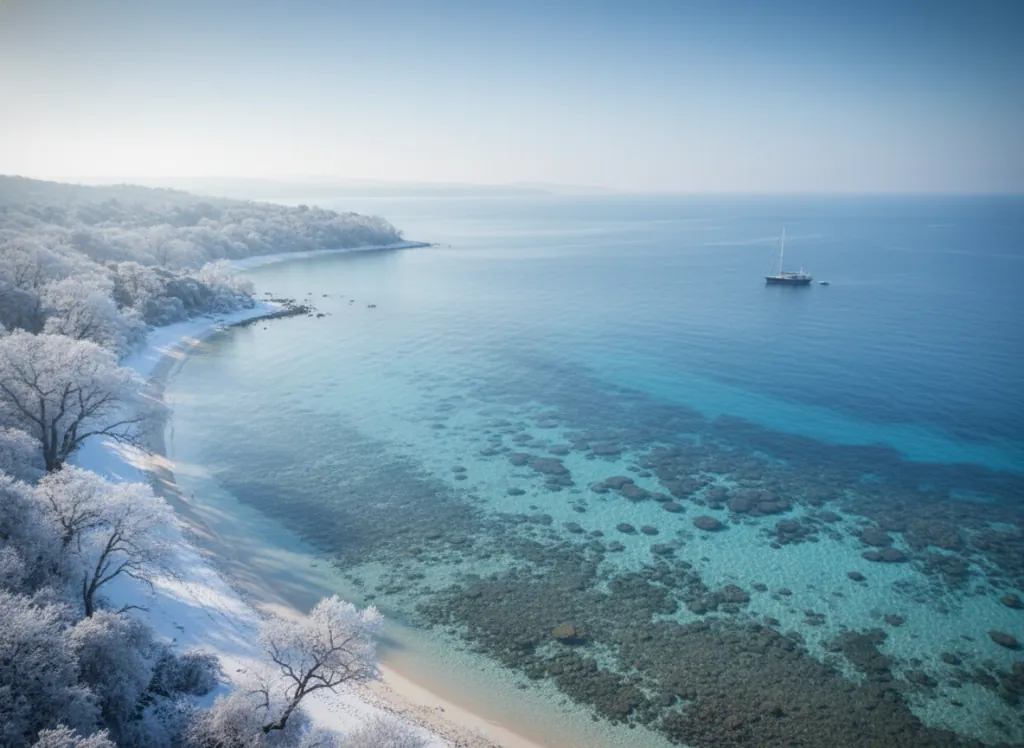
The hardest season in the cold North Atlantic (low temperatures, seas that can turn rough), but also the season of its rarest prizes: ice diving in Iceland, orcas in Norway. Meanwhile the Canary Islands dive year-round, offering a milder winter escape for anyone not ready to trade a wetsuit for a dry suit.
Free tools
Your free outdoor toolkit
Everything Map
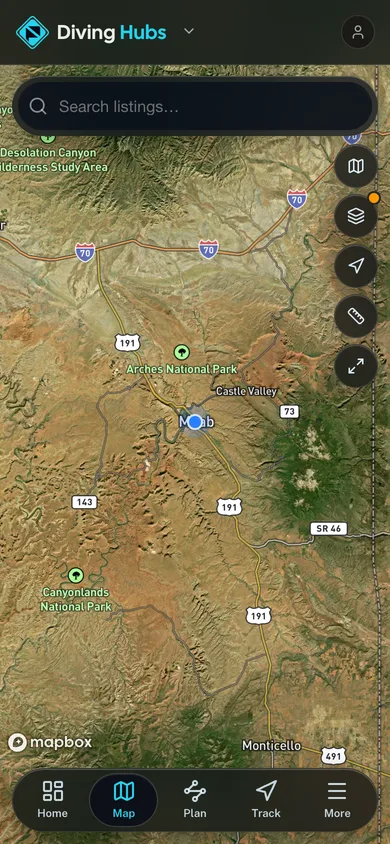
Listings, trails, spots, clubs and public land on a single full-screen map. Switch layers on and off, then tap any point for the details.
Open Everything MapDive Sites
Browse community-mapped reefs, wrecks, and walls with depth, conditions, and what you will see.
Open Dive SitesRoute Planner
Drop stops on a map and watch distance and drive time add up. Export a GPX or share the link.
Open Route PlannerDive Clubs
Browse local clubs with meeting info and how to join, or start your own for free.
Open Dive ClubsPhoto ID
Point your camera at whatever you found and get a structured identification. No signup.
Open Photo IDGear Checklists
Printable, save-as-you-go packing lists. Tick items off and pull them up on your phone.
Open Gear Checklists