The Red Sea is the best-value world-class diving on the planet, and the first real decision you make is whether to sleep on a boat or on land. It changes which sites you can reach, what you pay, and, a point most comparisons skip entirely, what safety questions you need to ask.
What It Actually Costs
Egypt is the cheapest major liveaboard region in the world, and a lot of published guidance quotes numbers two to four times the real ones.
| Model | Real 2026 cost |
|---|---|
| Liveaboard | Roughly $90–200 per day, most 8-day trips land around $700–1,600 all in. A luxury boat on a Brothers/Daedalus/Elphinstone route runs $2,200–2,700 for 7 nights |
| Shore-based | A two-dive boat day is about $45–90 (€40–80), dropping toward €25 per dive on a multi-day package. Add your own hotel and food |
And the fee everyone forgets: Egypt's marine park and port fees are mandatory, usually excluded from the headline price, and paid onboard in cash. Budget roughly $100–145, operators variously bill it as a ~$90 per-person government reef tax for a 7-night trip, or around €180 in port and permission fees. The Brothers additionally require a CDWS permit. Any liveaboard advertised as "all-in" almost certainly isn't.
The Sites, and Who's Allowed on Them
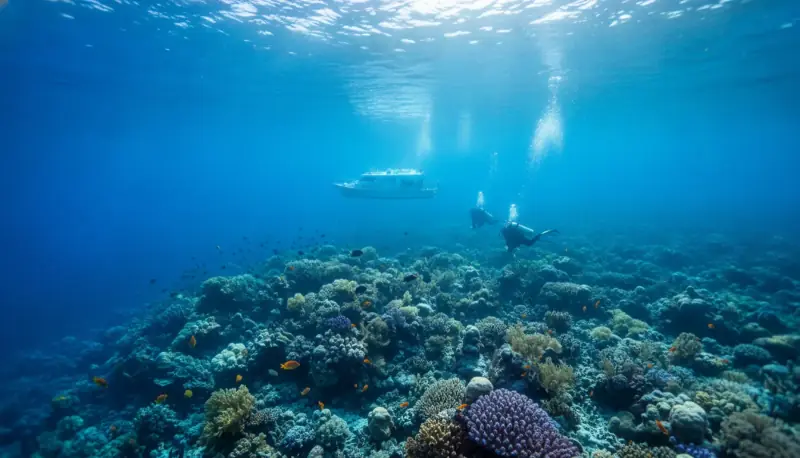
Shore-based puts you on the house reefs and the day-boat sites: Ras Mohammed and the Thistlegorm out of Sharm, the reefs and wrecks off Hurghada, the shore entries around Dahab and Marsa Alam. These are not consolation prizes; Red Sea house reefs outclass most of the world's best diving, and repeating a site until you know it is genuinely how you get better.
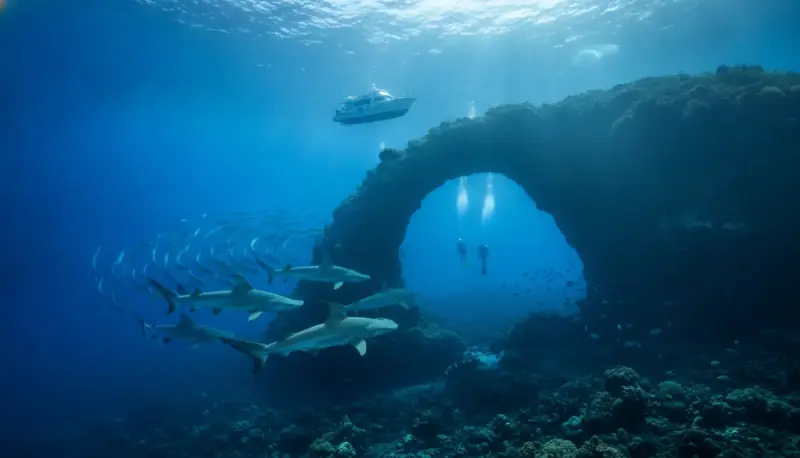
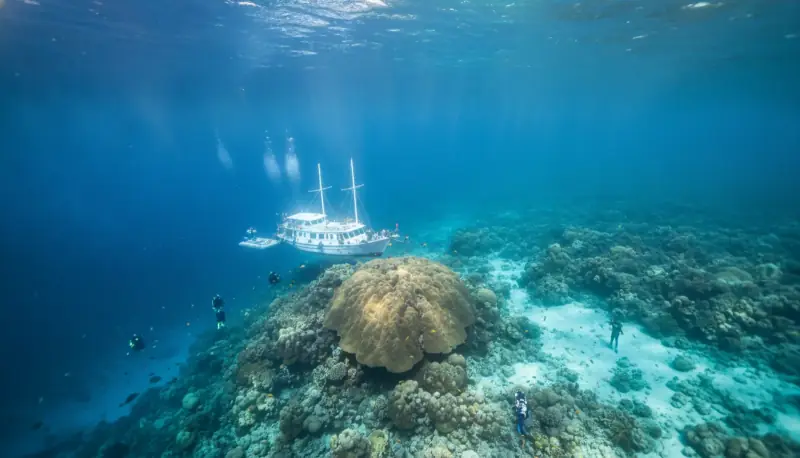
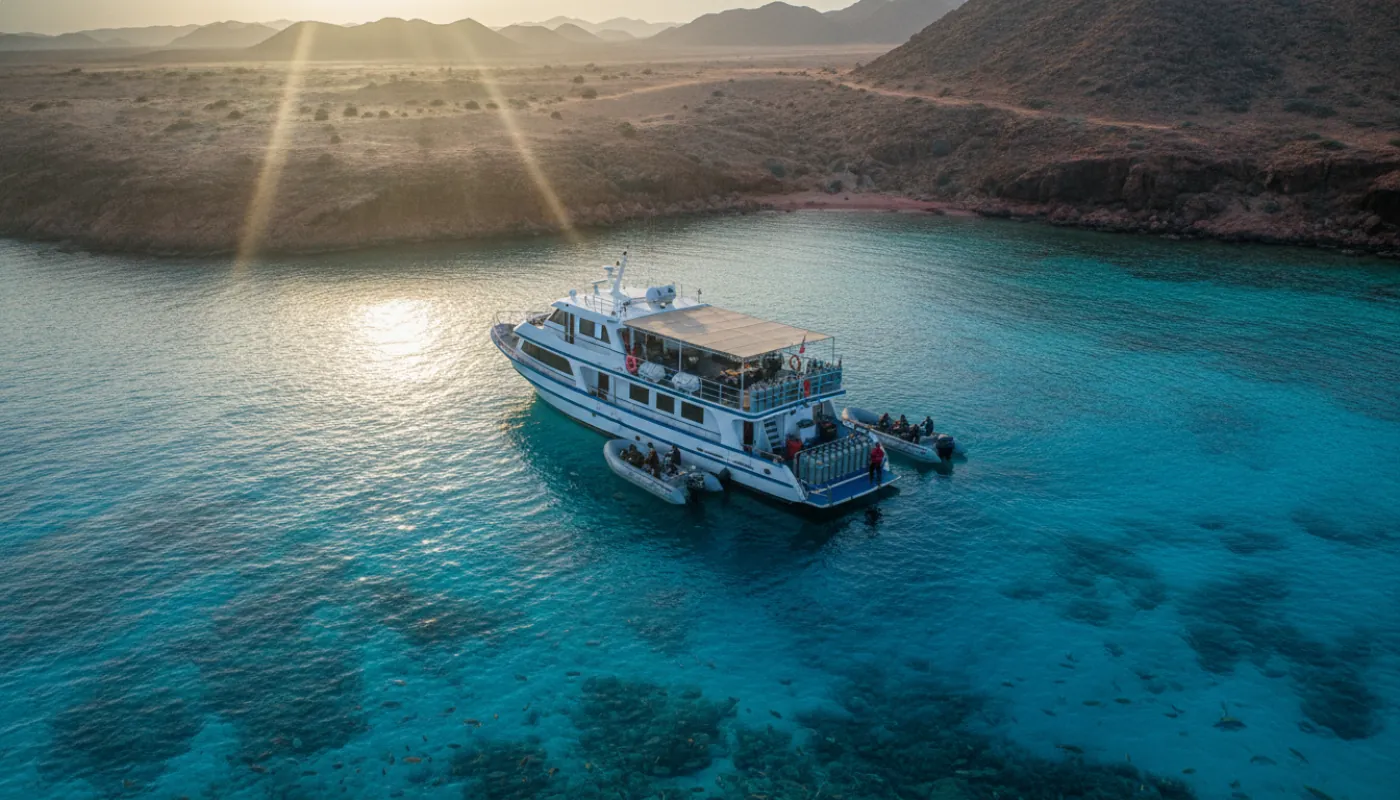
Liveaboard is the only way to reach the offshore stuff: most famously the Brothers, Daedalus and Elphinstone (the "BDE" route), plus the northern wrecks at Abu Nuhas and the remote southern reefs of St John's.
But BDE is not open to everyone, and this is where a common piece of advice, "neither model requires you to be advanced", is flatly wrong:
| BDE prerequisite | Typical operator standard |
|---|---|
| Certification | Advanced Open Water (some accept Open Water with a higher dive count) |
| Logged dives | 30 minimum; most operators want 50 |
| Check dive | Standard, on day one |
| Nitrox | Effectively expected; usually included |
These are open-ocean sites 60+ km offshore, 30 m walls, real current. Book a BDE boat with 15 dives in your logbook and you may be sitting on the sundeck watching everyone else splash.
The Section Most Comparisons Leave Out: Is the Boat Safe?
If you take one thing from this article, take this. A liveaboard-vs-shore comparison that weighs seasickness and bunk comfort but never mentions vessel safety is not doing its job.
The Red Sea liveaboard fleet has a genuinely bad recent safety record:
- M/Y Sea Story sank off Marsa Alam on 25 November 2024, killing seven people. Survivors described life rafts without supplies and lifejackets with dead lights.
- The Carlton Queen capsized in April 2023; the Hurricane burned in June 2023, three major incidents involving UK citizens inside 20 months.
- A 2024 Maritime Survey International inspection found that none of the Red Sea dive boats it examined had a planned maintenance system, a safety management system, or a stability book.
- The UK's MAIB issued a safety bulletin in February 2025, and the FCDO's standing advice is that safety standards of Red Sea diving operators and boats "vary considerably," with recent incidents involving British nationals that "have included fatalities."
None of this means don't go. It means vet the vessel, not just the itinerary. Ask the operator directly: what safety management system do you run, when was the boat last surveyed, how many crew are trained in emergency evacuation, are the life rafts serviced and in date, do the cabins have accessible escape routes and working emergency lighting? A good operator answers these without hesitation and is glad you asked. An operator that treats the questions as an insult has told you what you needed to know.
This is the single highest-stakes difference between the two models: shore diving doesn't ask you to sleep aboard.
When to Go, Not What You'd Guess
The intuition that "winter is calm in the north" is backwards.
| Window | Reality |
|---|---|
| December–February | The windy, rough season in the northern Red Sea. Strong northerlies, surface swell, and water down to 21–23°C |
| March–May | Calm, 24–26°C, 30 m+ visibility. Excellent |
| June–August | Hot. Peak season on the southern/BDE routes, not a quiet one |
| September–November | The consensus optimum: calm seas, warm water, best visibility. Oceanic whitetips peak at Elphinstone and the Brothers in the autumn |
Two wildlife notes worth planning around: oceanic whitetips prefer the cooler water and peak roughly October to December, and thresher sharks at the Brothers peak in winter. The lazy "May–October is shark season" framing misses both. There is no seasonal closure on these sites; they run year-round.
About Depth, and the Blue Hole
Strip one idea out of your Red Sea planning entirely: there is no such thing as a recreational "deep air qualification."
Deep air, air below about 40 m, is a discouraged, narcosis-heavy practice, not an aspiration. The recreational limit is 40 metres. Beyond that is trimix and technical training, full stop. If you want more depth capability, the honest path is nitrox, then a Deep Diver specialty to 40 m, then proper technical training. An instructor who offers to "push your limits" past that on a liveaboard is offering you something you should decline.
This matters more here than almost anywhere, because of Dahab's Blue Hole. Its famous Arch sits at roughly 55–56 metres, well beyond any recreational limit, and it has killed somewhere between 130 and 200+ divers, with memorial plaques on the shore above it to prove it. The Blue Hole itself can be dived safely and beautifully within recreational limits, along the Bells and out over the saddle. The Arch is not a recreational dive and never has been. Do not let anyone talk you into it.
Choosing
Go shore-based if you dive a handful of times a year, you get seasick, you're travelling with a mixed-ability group, you want to see Egypt as well as its reefs, or you want to repeat sites and actually improve. It's cheaper per day, endlessly flexible, and you sleep on land.
Go liveaboard if you want dive volume (3–4 a day), you want the offshore sites you simply cannot otherwise reach, you have the logged dives to be allowed on them, and you've satisfied yourself about the boat.
If you're new to the region, the sensible first trip is shore-based out of Sharm, Dahab or Marsa Alam: learn the water, build the dive count, and come back for the Brothers when you actually qualify for them. The Red Sea will still be there, and you'll enjoy it more from the right end of the learning curve.