Skip to content
Georgia diving. Backdrop for the Diving Hubs Georgia dive shop directory

Scuba Diving · Georgia

Scuba Diving in Georgia

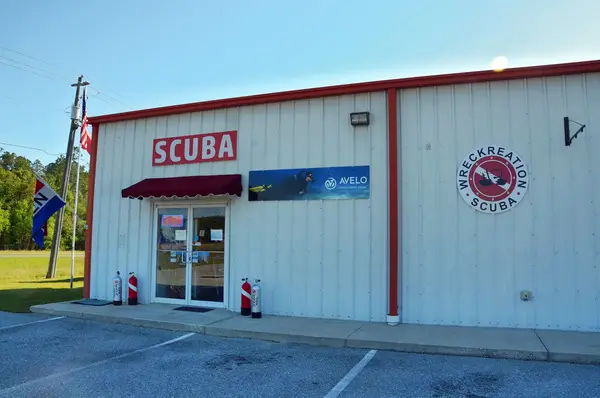
Dive 26 dive shops and charters across Georgia. Maps, hours, contact info, photos, and verified operator profiles, all in one place.

Southern Appalachians down to the Sea Islands and Okefenokee Swamp.

Updated

On the map

Dive shops in Georgia

Everything we have mapped in Georgia, on one map. Tap anything for its details.

Loads the full map of Georgia. We leave it off by default so the page opens fast on mobile data.

About Georgia

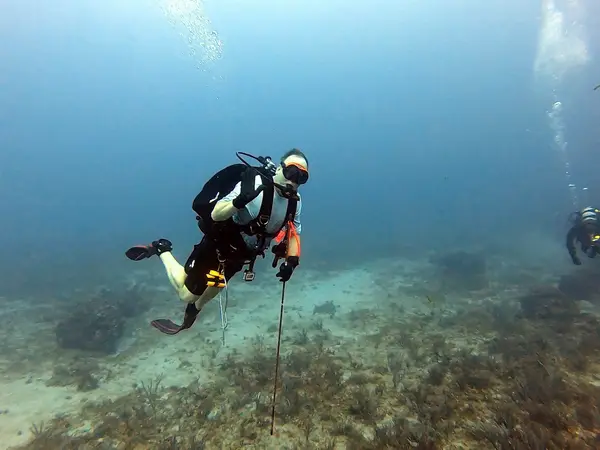
Scuba diving in Georgia presents a unique blend of freshwater and saltwater experiences. Inland, divers explore numerous quarries and lakes, offering controlled environments perfect for training and skill refinement. These sites, often managed by local dive shops, feature submerged structures, platforms, and even small wrecks, creating engaging underwater playgrounds. The consistent temperatures and good visibility in some spring-fed quarries make them year-round destinations for both new and experienced divers seeking local adventures.

The Atlantic coast of Georgia offers a different type of diving, primarily centered around a robust artificial reef program. These offshore reefs, constructed from a variety of materials like decommissioned ships, bridge rubble, and concrete structures, attract diverse marine life. Dive charters operate out of coastal towns such as Savannah, Brunswick, and St. Marys, transporting divers to these vibrant ecosystems. While natural hard bottom reefs are less common, the artificial structures provide essential habitat and excellent diving opportunities for those willing to venture into the open ocean.

Georgia also serves as a gateway to some exceptional freshwater spring diving, particularly those located just across the border in North Florida. Many Georgia-based dive shops offer trips and training for these renowned spring systems, which are famous for their crystal-clear waters and intricate cave systems. This proximity allows Georgia divers to access world-class spring and cavern diving, expanding their skill sets and offering diverse underwater landscapes. The state's dive community is active, supporting both local dive sites and expeditions to neighboring regions.

Quick facts

Dive shops and charters listed
26
Best season
March through November

Trip guide

Know before you go in Georgia

Confirm current requirements with the agency that sets them before your trip. Rules and fees change every season.

  • Boating Safety Education

    Anyone born on or after January 1, 1998, operating a motorized vessel on Georgia waters must complete a boating safety education course approved by the Department of Natural Resources. This applies to divers operating their own boats to access dive sites.

  • Spearfishing Regulations

    If combining diving with spearfishing, divers must possess a valid Georgia fishing license. Specific regulations apply to spearfishing methods, gear, and catch limits for various marine species. Always verify current rules with the Georgia Department of Natural Resources.

  • State Park and Site Access

    Access to certain freshwater springs or lakes within Georgia State Parks may require an entrance fee or a parking pass. Divers should check the specific requirements for each location before visiting. Some privately operated quarries also charge daily admission fees for diving.

01What kind of diving is available in Georgia?
Georgia offers a mix of freshwater and saltwater diving. Freshwater options include quarries and lakes, often used for training and local recreation. Offshore, divers explore numerous artificial reefs and some wrecks in the Atlantic Ocean, typically accessed by boat charters.
02Are there any natural reefs in Georgia?
While Georgia's coast is primarily known for its extensive artificial reef system, the state also hosts Gray's Reef National Marine Sanctuary. This sanctuary protects one of the largest near-shore live bottom reefs in the southeastern United States, providing a unique natural habitat for marine life.
03What are the typical water temperatures and visibility?
Water temperatures in inland quarries range from the 50s F to 70s F, with visibility often 20–50 feet. Coastal Atlantic waters vary from the 60s F to low 80s F, with visibility typically 10–40 feet, depending on offshore distance and conditions. Freshwater springs maintain a constant 68–72 F with excellent visibility.
04Do I need a special permit to dive in Georgia?
Recreational divers generally do not need a special permit for most dive sites in Georgia. However, specific activities within Gray's Reef National Marine Sanctuary, such as research or collection, require permits. Boating safety education is required for certain boat operators, and a fishing license is needed for spearfishing.
05Can I dive year-round in Georgia?
Yes, diving is possible year-round in Georgia, although the type of diving and necessary exposure protection vary by season. Inland quarries and springs are diveable throughout the year with appropriate wetsuits or drysuits. Coastal offshore diving is best from late spring through early fall due to warmer water and more favorable ocean conditions.

When to go

Season by season in Georgia
Spring (March-May)

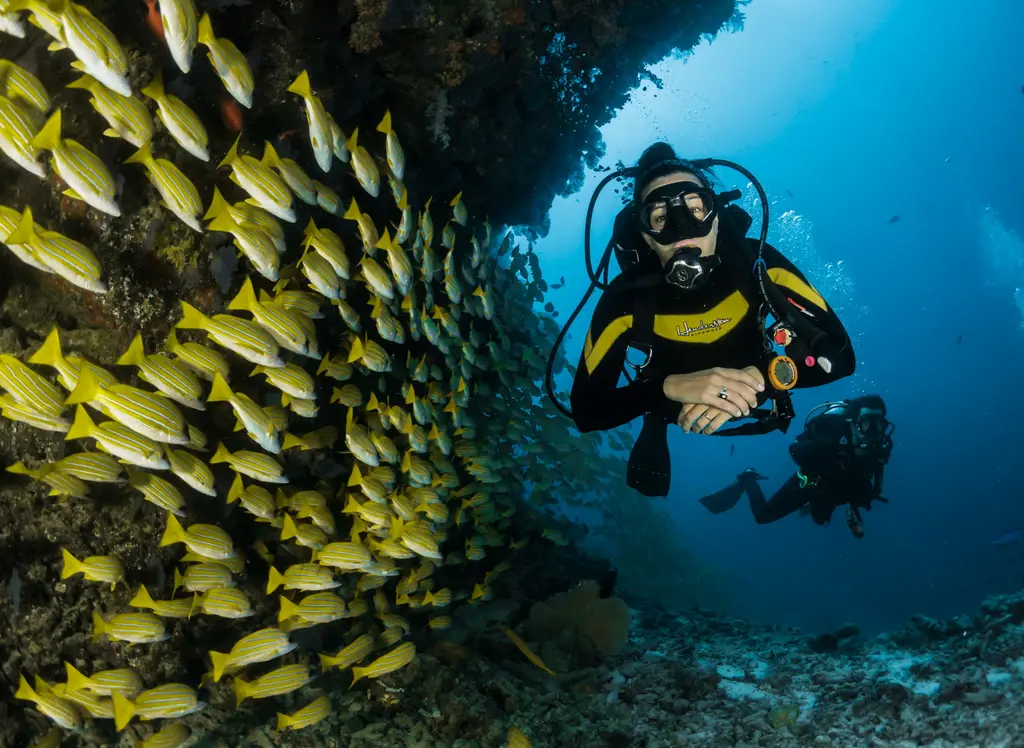
Inland quarries and springs begin to warm, improving comfort for diving. Coastal dive charters resume regular trips to offshore reefs as ocean conditions become more favorable and marine life becomes more active.
Summer (June-August)

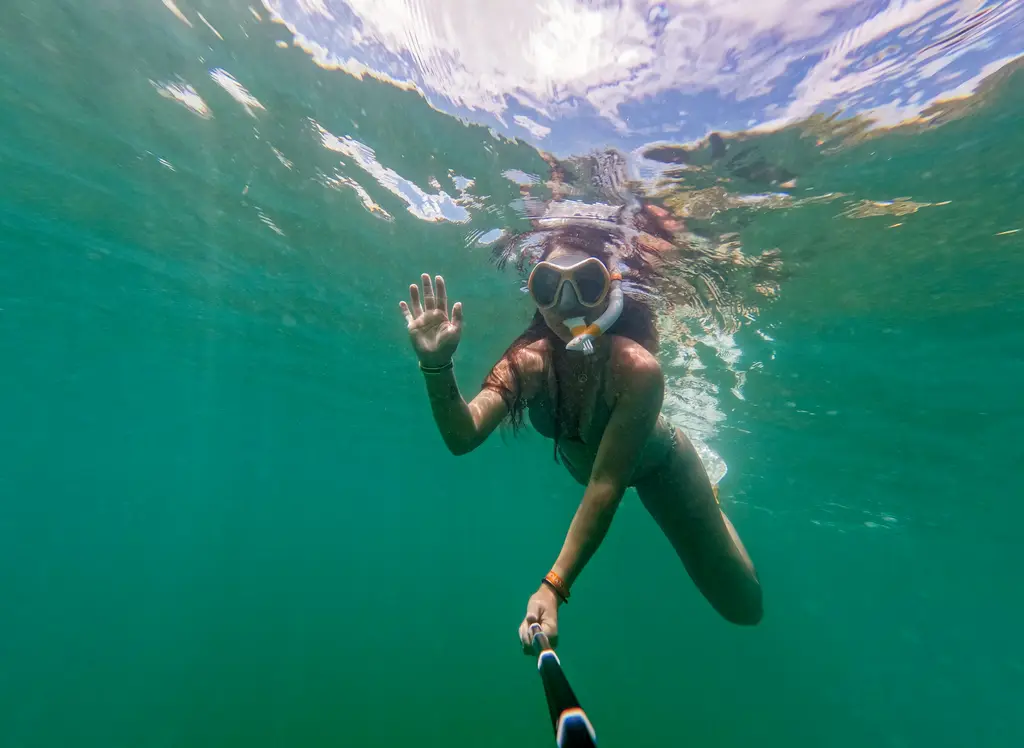
This is peak diving season across Georgia. Water temperatures are at their warmest, offering excellent conditions for both inland and coastal diving. Visibility is generally at its best in offshore areas during this period.
Fall (September-November)

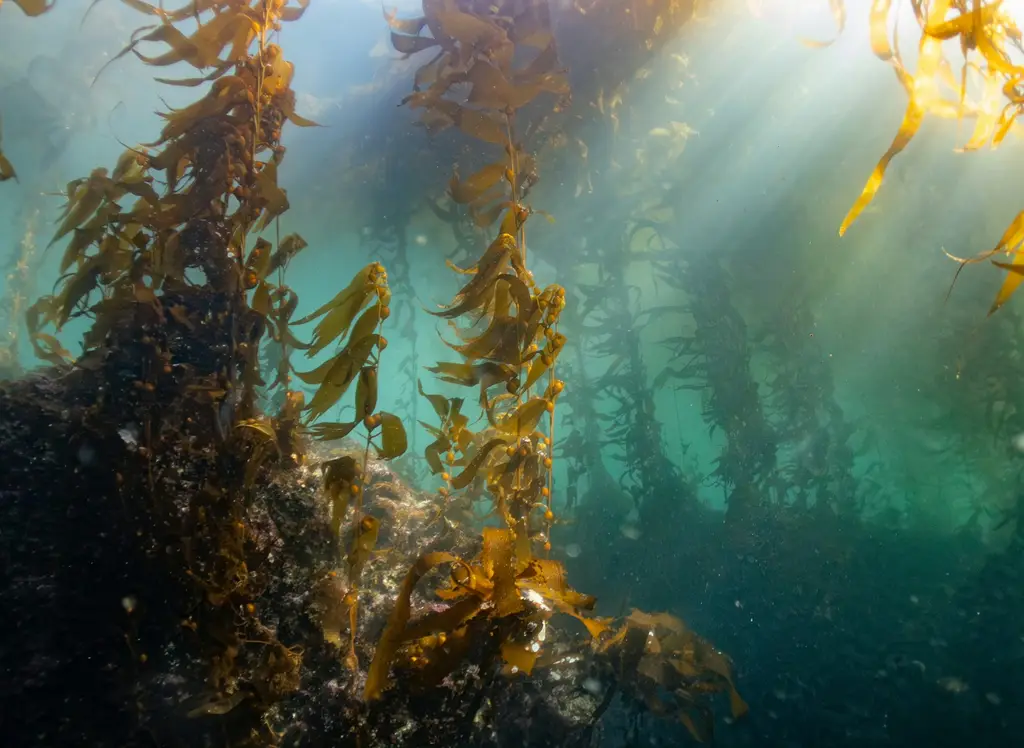
Inland sites maintain good conditions as waters slowly cool, often with excellent visibility. Coastal diving remains active early in the fall before cooler temperatures and potentially rougher seas reduce charter frequency.
Winter (December-February)

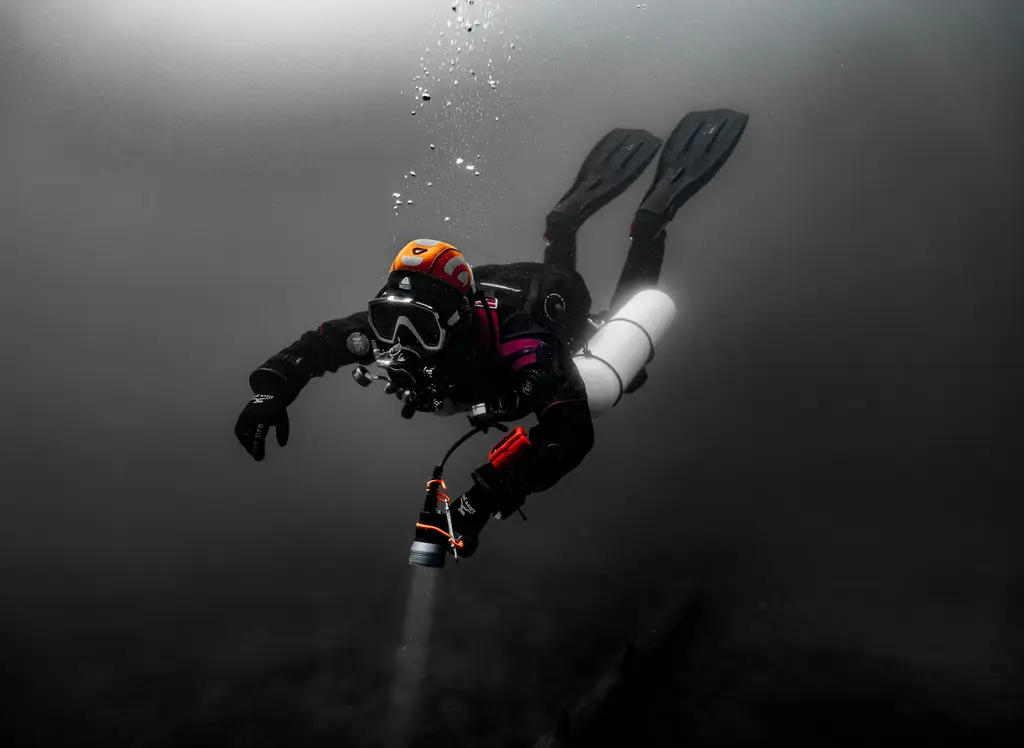
Diving in Georgia during winter primarily shifts to inland quarries and springs, requiring drysuits or thick wetsuits due to cold water. Coastal diving is significantly reduced, with fewer charters operating due to colder water and less predictable weather.