Scuba Diving · Washington
Scuba Diving in Washington
Dive 25 dive shops and charters across Washington. Maps, hours, contact info, photos, and verified operator profiles, all in one place.
North Cascades, the Olympics, and 3,000 miles of saltwater coastline.
Updated
All listings
25 dive shops and charters in Washington
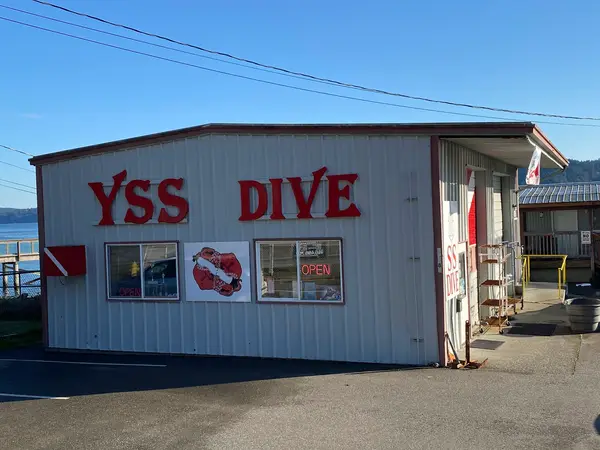
On the map
Dive shops in Washington
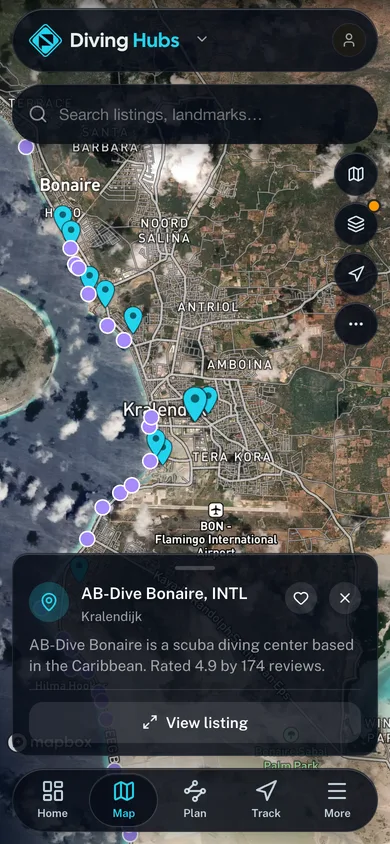
Everything we have mapped in Washington, on one map. Tap anything for its details.
Loads the full map of Washington. We leave it off by default so the page opens fast on mobile data.
About Washington
Quick facts
- Dive shops and charters listed
- 25
- Best season
- June through October
Trip guide
Know before you go in Washington
Federal permits, lotteries and timed-entry reservations in Washington, from Recreation.gov.
Confirm current requirements with the agency that sets them before your trip. Rules and fees change every season.
Diver Down Flag Requirements
Washington law requires divers to display a diver down flag whenever diving from the surface. The flag must be at least 12x12 inches for boat diving and 20x24 inches for shore diving, visible from all directions, and indicate the presence of divers within 100 feet in rivers and lakes, and 200 feet in ocean waters. Vessels must maintain a safe distance.
Boater Education Card
Anyone operating a motorboat with 15 horsepower or greater in Washington state, born after January 1, 1955, is required to carry a Boater Education Card. This applies to dive boat operators, including those chartering boats. Visitors should verify requirements if operating their own vessel.
Marine Protected Area Rules
Several areas within Puget Sound and the San Juan Islands are designated as Marine Protected Areas (MPAs) or no-take zones. These areas have specific regulations regarding fishing, harvesting, and disturbing marine life. Divers must adhere strictly to these rules to preserve the fragile ecosystems. Always consult local charts and signage.
Shellfish and Fishing Licenses
While most divers observe marine life, those wishing to harvest shellfish or fish during a dive must possess a valid Washington State recreational shellfish and seaweed license or a fishing license, respectively. Specific regulations, seasons, and catch limits apply and vary by species and location. Verify with the Washington Department of Fish and Wildlife.
01What kind of marine life can I expect to see in Washington?
02What are the typical water temperatures and visibility?
03Do I need a drysuit to dive in Washington?
04What is the best time of year to dive in Washington?
05Are there many wreck dives in Washington?
06Is Washington diving suitable for beginner divers?
When to go
Season by season in Washington
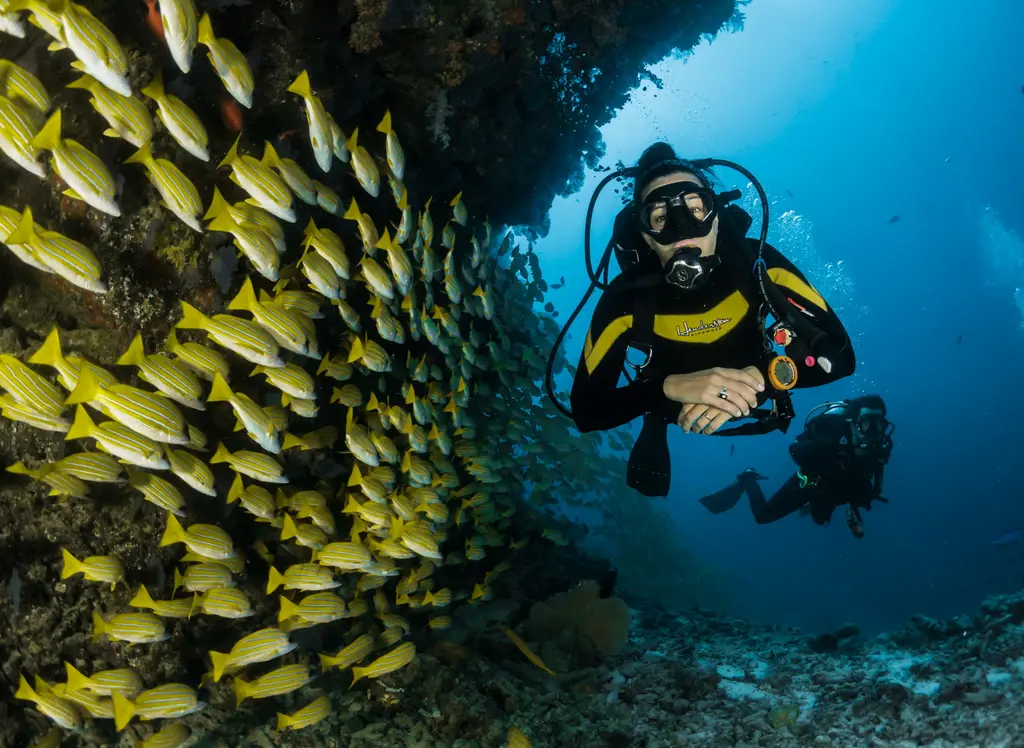
Spring (March-May)
Spring brings gradually improving visibility as plankton blooms begin to subside, though water temperatures remain quite cold. Dive shops increase their charter schedules, and popular sites become more accessible as daylight hours extend. Drysuit diving is essential.
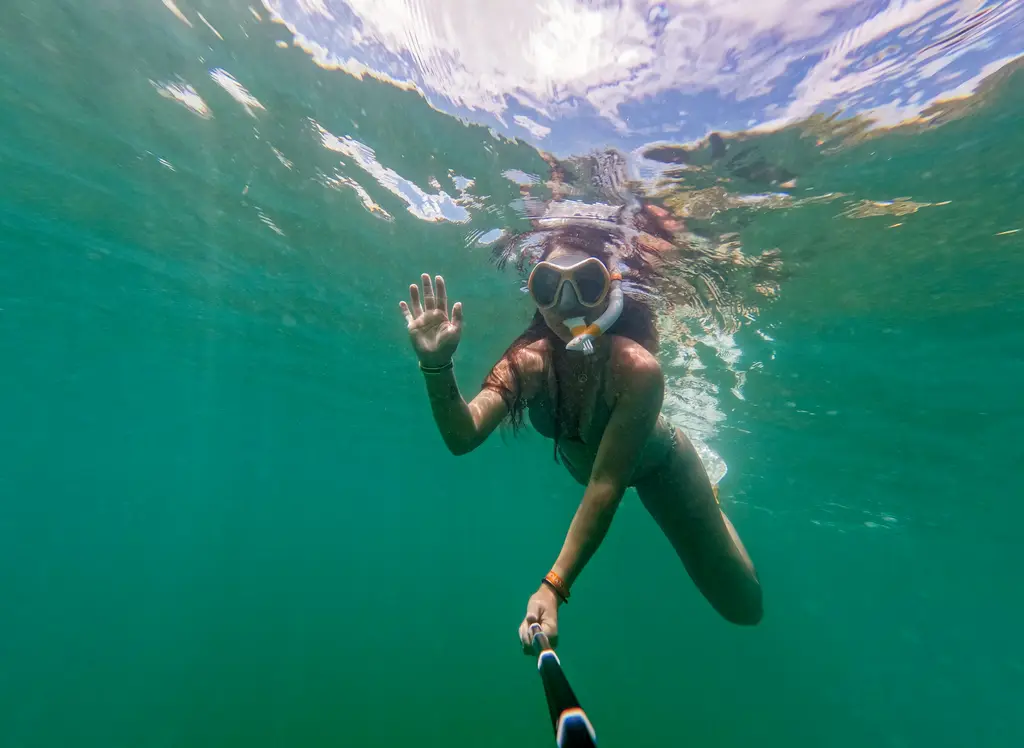
Summer (June-August)
Summer typically offers the best and most consistent visibility, along with the warmest water temperatures, though still requiring drysuit protection. This is the peak season for diving, with full charter schedules, numerous training courses, and busy dive sites. Liveaboard options are most prevalent.
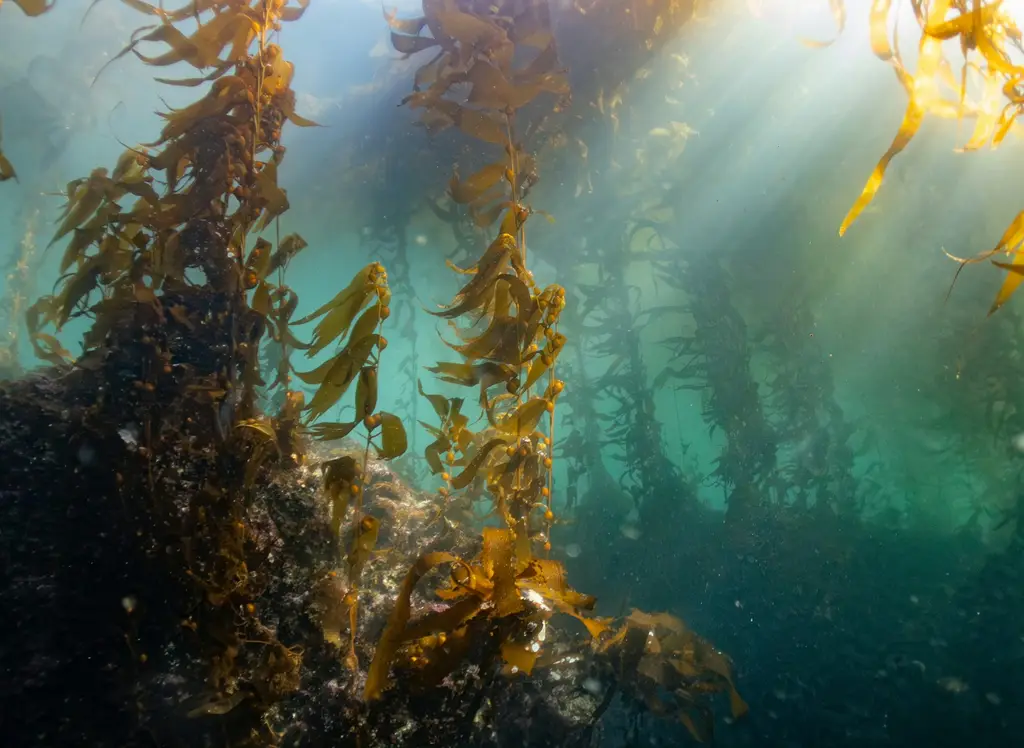
Fall (September-November)
Fall often provides excellent visibility as water temperatures begin to drop and plankton levels decrease. Crowds thin out compared to summer, offering a more serene diving experience. Dive shops continue regular operations, and many consider this a prime season for exploring deeper sites.
Winter (December-February)
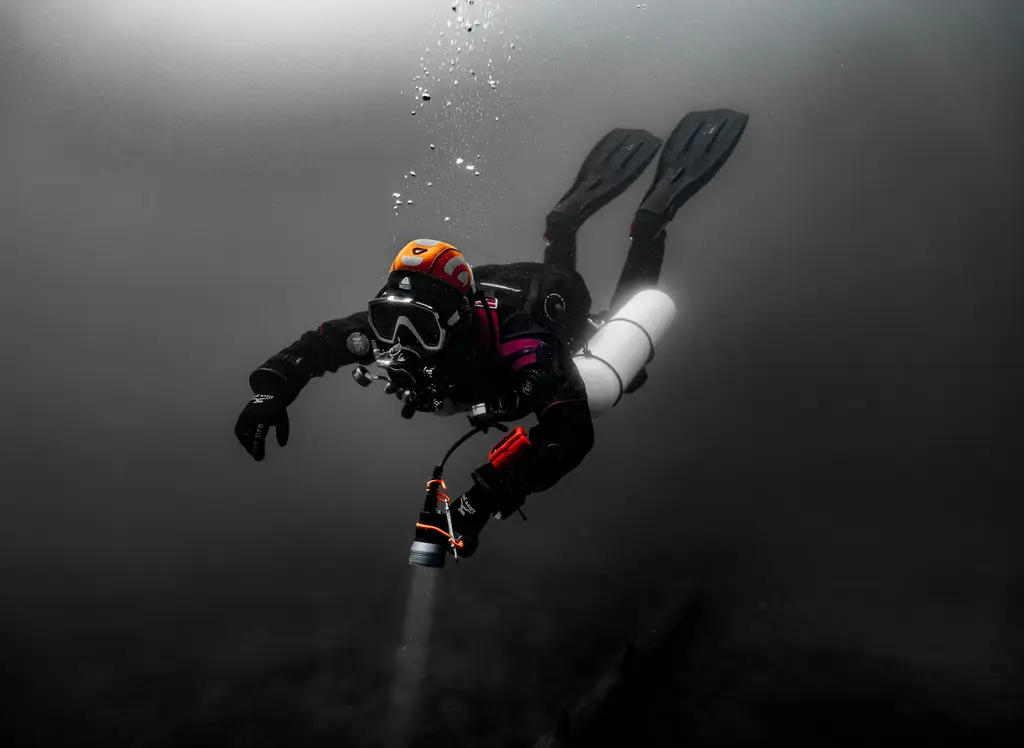
Winter features the coldest water temperatures but can also deliver spectacular visibility, often the best of the year. While fewer dive shops operate regular charters, dedicated local divers embrace the clear, crisp conditions. Specific training for challenging winter conditions is advisable.
Free tools