Scuba Diving · Hawaii
Scuba Diving in Hawaii
Dive 38 dive shops and charters across Hawaii. Maps, hours, contact info, photos, and verified operator profiles, all in one place.
Volcanic peaks rising 13,000 feet from a tropical Pacific.
About Hawaii
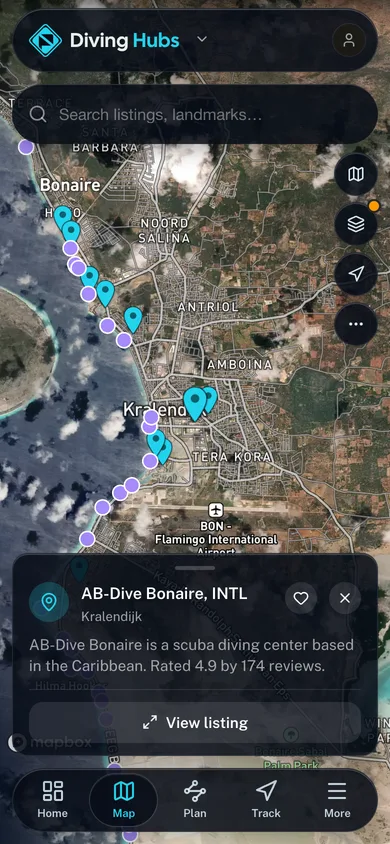
38 on the map
Tap a pin to open its profile.
Quick facts
- Dive shops and charters listed
- 38
- Best season
- Year-round
All listings
38 dive shops and charters
across Hawaii
Plan your trip
Plan your trip to Hawaii
Water Temperature and Exposure Protection
Hawaiian waters generally range from 74°F in winter to 82°F in summer. A 3mm wetsuit is standard for most divers year-round, with some opting for a 5mm suit during cooler winter months or for extended dives. Shorty wetsuits are suitable for the warmest summer conditions.
Visibility and Conditions
Visibility in Hawaii is consistently excellent, often exceeding 80–100 feet, particularly on the leeward sides of the islands. Conditions are generally calm on protected coasts, but exposed areas, especially north shores in winter, can experience significant surge and currents. Always consult with local dive operators for daily conditions.
Certification Levels for Signature Sites
Many popular reef dives are accessible to Open Water certified divers. However, sites like the deeper wrecks off Oahu (e.g., the Sea Tiger at 100+ feet) or advanced drift dives may require Advanced Open Water or higher certifications. The Kona Manta Ray Night Dive is typically suitable for Open Water divers, but good buoyancy control is essential.
Shore Versus Boat Access
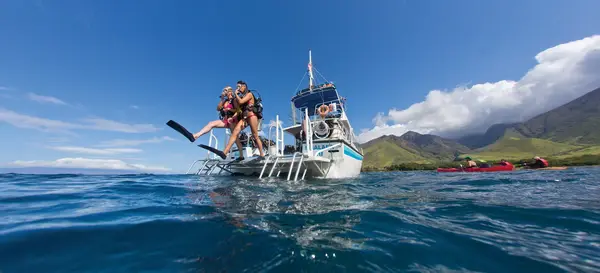
While some shore diving is possible, particularly on Oahu's west side or select spots on Maui and the Big Island, the vast majority of Hawaii's premier dive sites are boat-accessible. Dive shops primarily operate boat charters to reach offshore reefs, wrecks, and marine protected areas like Molokini Crater. Liveaboards provide unparalleled access to multiple remote sites.
Marine Protected Areas and Etiquette
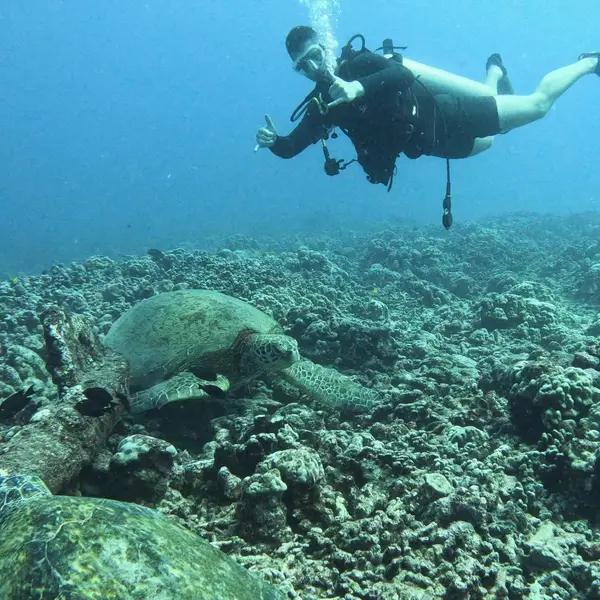
Hawaii has numerous Marine Protected Areas (MPAs) and Marine Life Conservation Districts (MLCDs) where specific regulations apply, including prohibitions on fishing, collecting, and touching marine life. Divers must practice responsible diving, maintain buoyancy, and avoid contact with coral or animals. Mooring buoys are often available at popular sites; their use helps protect delicate reef structures.
Confirm current requirements with the state agency before your trip. Rules and fees change every season.
Marine Life Conservation Districts Regulations
Hawaii's Marine Life Conservation Districts (MLCDs) are strictly protected areas. Within MLCDs, it is generally prohibited to fish, collect marine life, or disturb the natural environment. Divers must adhere to 'look but do not touch' principles, ensuring no impact on the ecosystem. Specific rules vary by district; verify with the Department of Land and Natural Resources.
Prohibited Species and Collection
Divers are prohibited from collecting certain marine species, including federally protected sea turtles and Hawaiian monk seals. Collecting coral, rocks, or sand is also generally not permitted, particularly within state parks and conservation areas. Always consult with local dive operators or the Department of Land and Natural Resources regarding any collection restrictions.
Commercial Use Permits
Dive shops and liveaboard operators conducting commercial activities in state waters, especially within marine protected areas, are required to hold specific permits issued by the Department of Land and Natural Resources. Visitors should ensure their chosen operator is properly licensed and permitted to operate in Hawaii. This ensures compliance with environmental regulations and safety standards.
- 01
Choose Your Island and Dive Focus
Research the unique diving experiences each Hawaiian island offers. The Big Island is known for manta rays and lava tubes, Maui for Molokini Crater, Oahu for wrecks, and Kauai for pristine reefs. Select an island that aligns with your diving interests.
- 02
Book Dive Operators and Accommodation
Once you have chosen an island, book your dive shops or liveaboard well in advance, especially during peak seasons. Simultaneously secure your accommodation, considering its proximity to dive shop departure points or harbors.
- 03
Verify Certification and Equipment Needs
Ensure your dive certification is current and bring your certification card. Discuss any specific equipment needs, such as wetsuit thickness or specialized gear, with your chosen dive operator. Most shops offer rental equipment.
- 04
Understand Local Regulations
Familiarize yourself with Hawaii's marine conservation rules, including prohibitions on touching marine life and collecting specimens. Your dive operator will provide a briefing, but understanding these guidelines beforehand enhances your experience and protects the environment.
- 05
Plan for Surface Intervals and Travel
Factor in adequate surface intervals between dives and avoid flying within 18–24 hours of your last dive. Plan your travel between islands or within your chosen island to allow for safe decompression and comfortable transit times.
01What is the best time of year to dive in Hawaii?
02Do I need a special certification to dive in Hawaii?
03Are there many shark encounters in Hawaii?
04Can I do shore diving in Hawaii?
05What marine life can I expect to see while diving in Hawaii?
06Are liveaboard options available for diving in Hawaii?
When to go
Season by season in Hawaii
Spring (March–May)
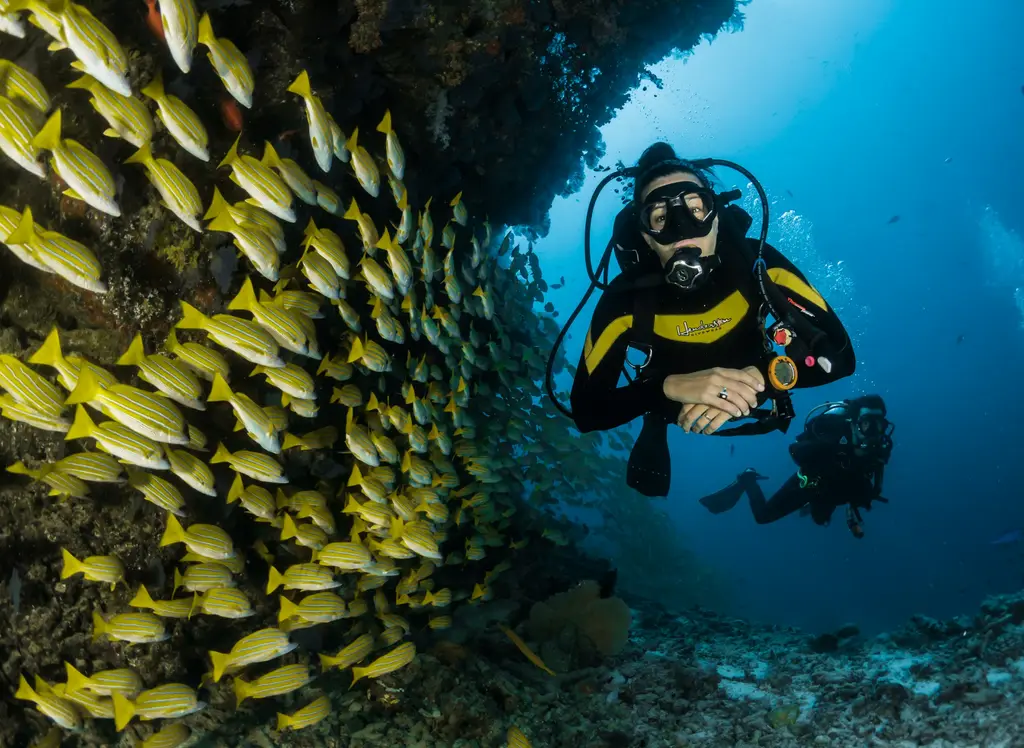
Water temperatures range from 75–78°F, offering comfortable diving conditions across all islands. This period marks the tail end of humpback whale season, providing opportunities for distant sightings during boat transits. Dive shops are active, and liveaboard availability is consistent.
Summer (June–August)
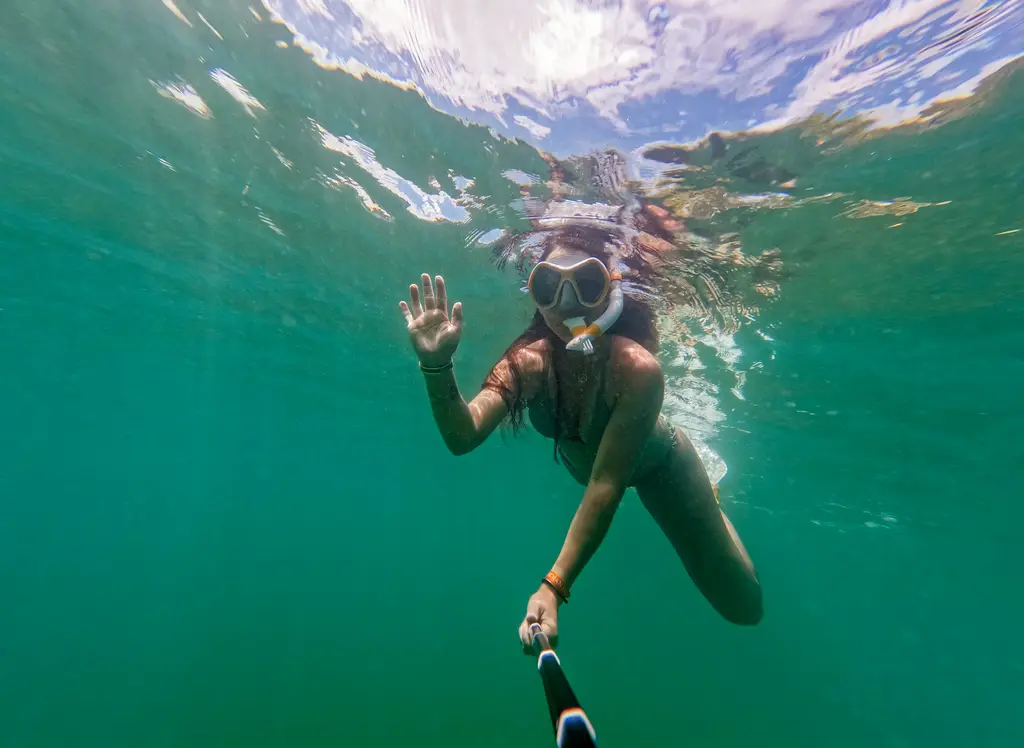
The warmest water temperatures, typically 78–82°F, and calmest seas characterize summer. Visibility is often at its peak, making it ideal for exploring remote sites and deeper wrecks. Dive operators experience high demand, so booking in advance is advisable.
Fall (September–November)
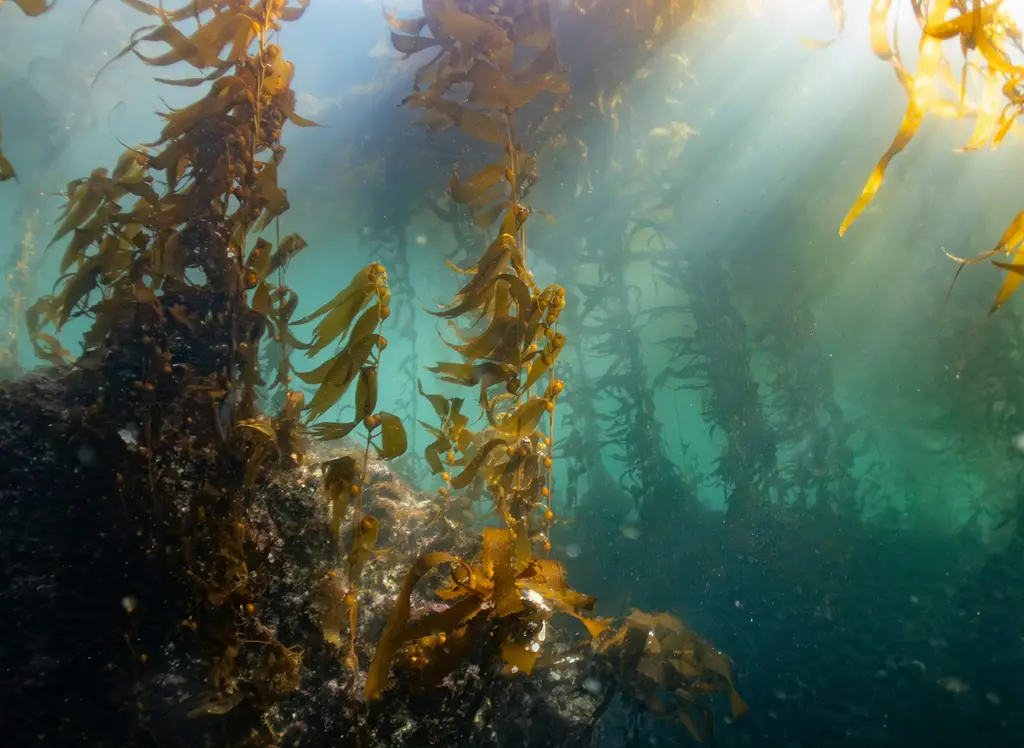
Water temperatures remain pleasant, around 77–80°F, with generally good visibility. This season sees fewer crowds compared to summer, potentially offering more relaxed dive experiences. Dive shops continue full operations, and liveaboards maintain regular schedules.
Winter (December–February)
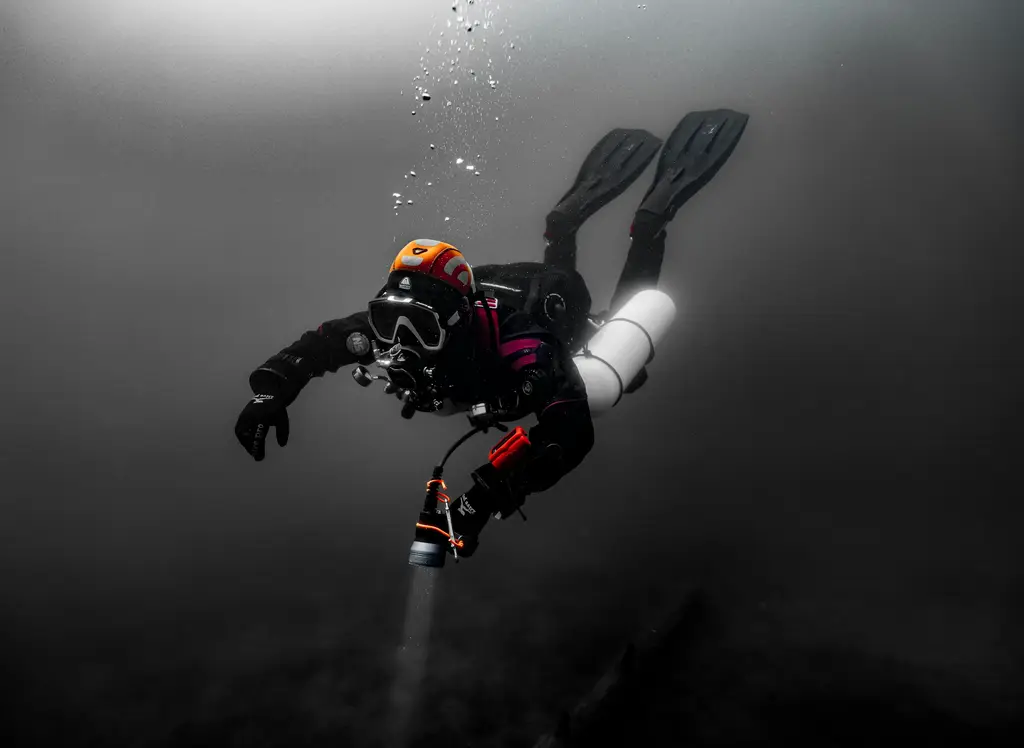
Water temperatures cool slightly to 74–77°F, warranting a 3mm or 5mm wetsuit for comfort. This is prime humpback whale season, with frequent sightings from dive boats. While north shores can experience rougher conditions, leeward coasts typically offer diveable sites.
Free tools
Your free outdoor toolkit
Everything Map
Listings, trails, spots, clubs and public land on a single full-screen map. Switch layers on and off, then tap any point for the details.
Open Everything MapDive Sites
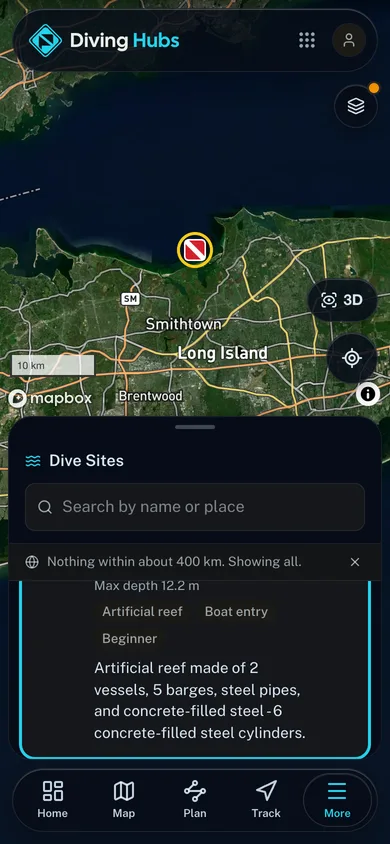
Browse community-mapped reefs, wrecks, and walls with depth, conditions, and what you will see.
Open Dive SitesRoute Planner
Drop stops on a map and watch distance and drive time add up. Export a GPX or share the link.
Open Route PlannerDive Clubs
Browse local clubs with meeting info and how to join, or start your own for free.
Open Dive ClubsPhoto ID
Point your camera at whatever you found and get a structured identification. No signup.
Open Photo IDGear Checklists
Printable, save-as-you-go packing lists. Tick items off and pull them up on your phone.
Open Gear Checklists