Skip to content
California diving. Backdrop for the Diving Hubs California dive shop directory

Scuba Diving · California

Scuba Diving in California

Dive 84 dive shops and charters across California. Maps, hours, contact info, photos, and verified operator profiles, all in one place.

Coastline, Sierras, deserts, and redwoods. Every outdoor environment in one state.

About California

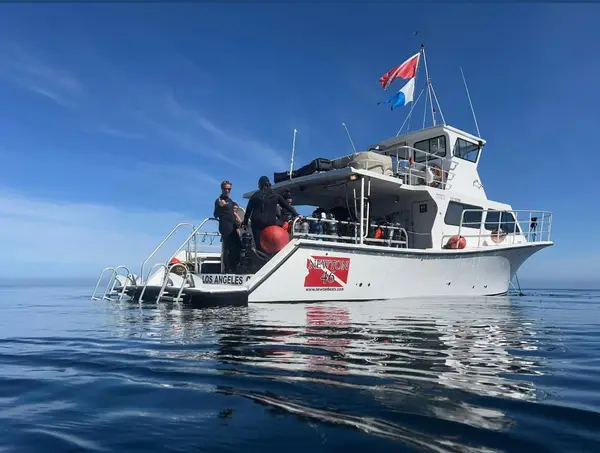
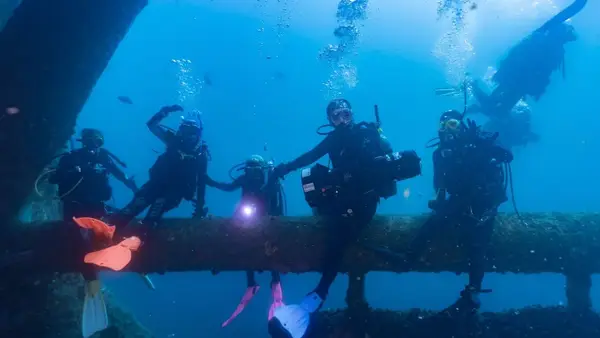
California offers a diverse and vibrant cold-water diving experience along its extensive coastline. From the nutrient-rich waters of Monterey Bay to the iconic kelp forests surrounding the Channel Islands, divers encounter an ecosystem teeming with unique marine life. Dive shops dot the coastal towns, providing gear, training, and guided excursions to local reefs and wrecks. Liveaboards provide multi-day access to remote islands within the Channel Islands National Marine Sanctuary.

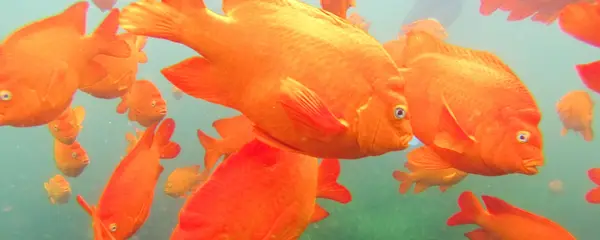
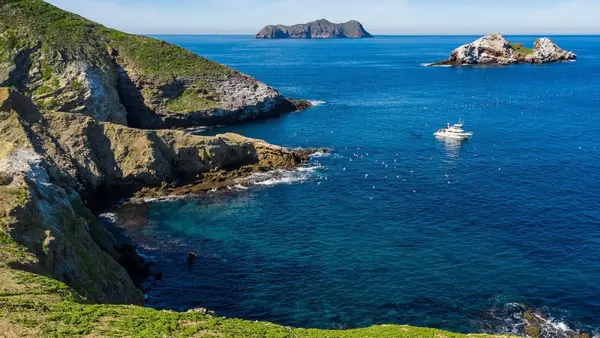
Southern California boasts the most accessible and popular diving, particularly around Santa Catalina Island and the northern Channel Islands of Anacapa, Santa Cruz, and Santa Rosa. Here, giant kelp forests create mesmerizing underwater cathedrals, home to garibaldi, California sea lions, and various rockfish. Shore diving is prominent in areas like La Jolla and Laguna Beach, while boat charters from San Diego, Orange County, and Ventura regularly visit offshore sites.

Further north, the Central Coast around Monterey and Carmel presents a different, equally compelling diving landscape. Cold, often emerald-green waters hide dense kelp beds and impressive rock formations. Divers explore sites like Monastery Beach and Point Lobos State Natural Reserve, encountering sea otters, harbor seals, and wolf eels. Dive shops in this region cater to both shore-based and boat-accessed diving, emphasizing drysuit diving due to consistent colder temperatures.

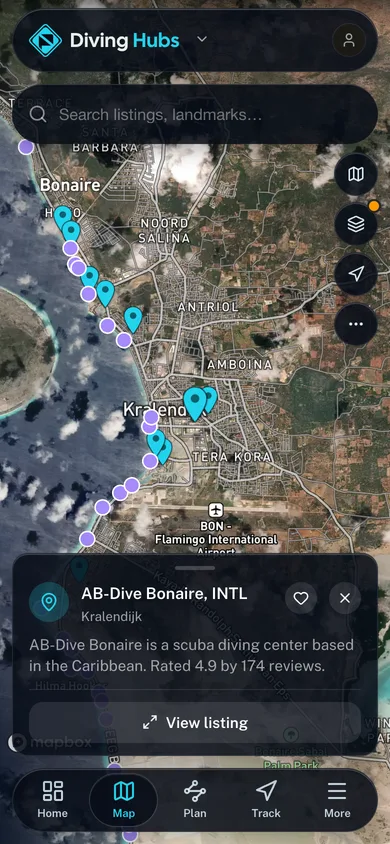
84 on the map

Loading map…

Tap a pin to open its profile.

Quick facts

Dive shops and charters listed
84
Best season
Year-round

All listings

84 dive shops and charters

across California

All states

Get listed free

Run a dive shop in California? Add it to Diving Hubs. Free, no commission.

Add your listing

Plan your trip

Plan your trip to California

Signature Diving

California is world-renowned for its giant kelp forests, which thrive in the cool, nutrient-rich Pacific waters. These underwater forests are the primary draw, along with shipwrecks and diverse rocky reefs.

Water Bodies and Seasons

Diving occurs year-round in the Pacific Ocean. Southern California's Channel Islands are most popular from late spring through fall. Central California diving is consistent year-round but often requires more robust exposure protection.

Water Temperature and Visibility

Water temperatures range from 50–60°F (10–16°C) in Southern California and 45–55°F (7–13°C) in Central California. A 7mm wetsuit with hood and gloves is a minimum; many divers prefer drysuits for comfort. Visibility can vary from 10 feet to over 100 feet, often best in fall and winter.

Certification Levels

Open Water certification is sufficient for many shore dives and shallower boat dives. However, Advanced Open Water or higher, with experience in cold water and currents, is highly recommended for deeper Channel Islands sites and liveaboard trips.

Access

Southern California offers extensive boat access via dive charters and liveaboards to the Channel Islands. Shore diving is popular in La Jolla, Laguna Beach, and Monterey. Central California features both shore and boat diving opportunities.

Marine Protected Areas (MPAs)

California has a network of MPAs with varying regulations. Divers must understand and adhere to "no-take" zones and other specific rules for each site. Consult local dive shops for current MPA guidelines.

Confirm current requirements with the state agency before your trip. Rules and fees change every season.

  • Marine Protected Area Rules

    Divers must adhere to specific regulations within California's extensive network of Marine Protected Areas. These rules dictate what activities are allowed, including fishing, spearfishing, and collecting, which are often prohibited in "no-take" zones.

  • Spearfishing License

    Any person engaging in spearfishing, even while scuba diving, must possess a valid California sport fishing license. Specific regulations apply to legal species, sizes, and bag limits.

  • California Boating Regulations

    While not directly a diving regulation, divers operating their own dive boats must comply with California boating laws. This includes safety equipment requirements, vessel registration, and operating rules.

  • Abalone Diving Regulations

    Although recreational abalone harvesting is currently prohibited in California, any future changes would require a specific abalone report card in addition to a sport fishing license. Divers must always verify current regulations.

  1. 01

    Determine Your Preferred Diving Style

    Decide if you prefer shore diving, boat diving to offshore islands, or a multi-day liveaboard experience, as this will influence your choice of region and operator.

  2. 02

    Research California Dive Shops or Liveaboards

    Identify reputable operators in Southern or Central California based on your chosen diving style, desired sites, and certification level.

  3. 03

    Verify Certification and Experience Requirements

    Confirm with your chosen dive operator if your current certification level and cold-water experience are sufficient for the planned dives, especially for the Channel Islands.

  4. 04

    Plan for Cold Water Exposure Protection

    Acquire or rent appropriate exposure protection, such as a 7mm wetsuit with hood and gloves, or a drysuit, to ensure comfort and safety in California's cool waters.

  5. 05

    Book Your Trip and Confirm Regulations

    Secure your dive trip reservations and familiarize yourself with local Marine Protected Area rules and any other relevant spearfishing or boating regulations before your arrival.

01What is the typical water temperature in California?
California's Pacific waters are consistently cool. Southern California ranges from 50–60°F (10–16°C), while Central and Northern California are colder, typically 45–55°F (7–13°C). Exposure protection is essential.
02What kind of exposure protection do I need for diving here?
Most divers opt for a 7mm wetsuit with a hood and gloves. Many experienced local divers and those planning multiple dives or longer trips prefer a drysuit for maximum comfort and thermal protection against the cold water.
03What are the signature dive sites in California?
The Channel Islands, including Santa Catalina, Anacapa, and Santa Cruz, are famous for their giant kelp forests. Other notable sites include the wrecks of the Yukon in San Diego and the Breakwater in Monterey Bay.
04Do I need a special permit to scuba dive in California?
Recreational scuba diving itself does not require a special permit or license in California. However, if you plan to spearfish, a California sport fishing license is mandatory. Always check local Marine Protected Area rules.
05What marine life can I expect to see?
Divers regularly encounter California sea lions, harbor seals, garibaldi, various rockfish, moray eels, and nudibranchs. The kelp forests are home to a myriad of smaller creatures, while larger animals like sharks and whales are occasional sightings.
06Is California suitable for beginner divers?
Yes, some areas are excellent for beginners, particularly calmer shore dives like La Jolla Shores or the Breakwater in Monterey. However, many signature sites, especially offshore islands, are better suited for certified divers with some cold-water experience due to currents and deeper depths.

When to go

Season by season in California
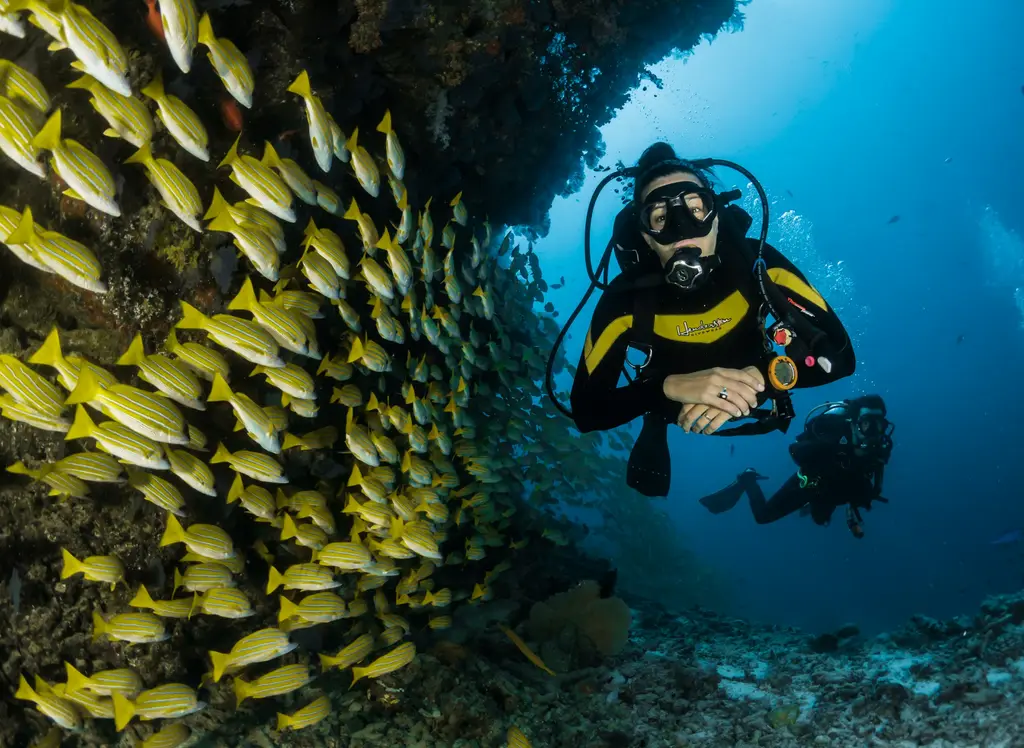
Spring

Water temperatures begin a slight rise, though plankton blooms can reduce visibility. Marine life activity increases, making it an exciting time for observations despite potential murkiness. Dive shops start increasing boat trip frequencies.
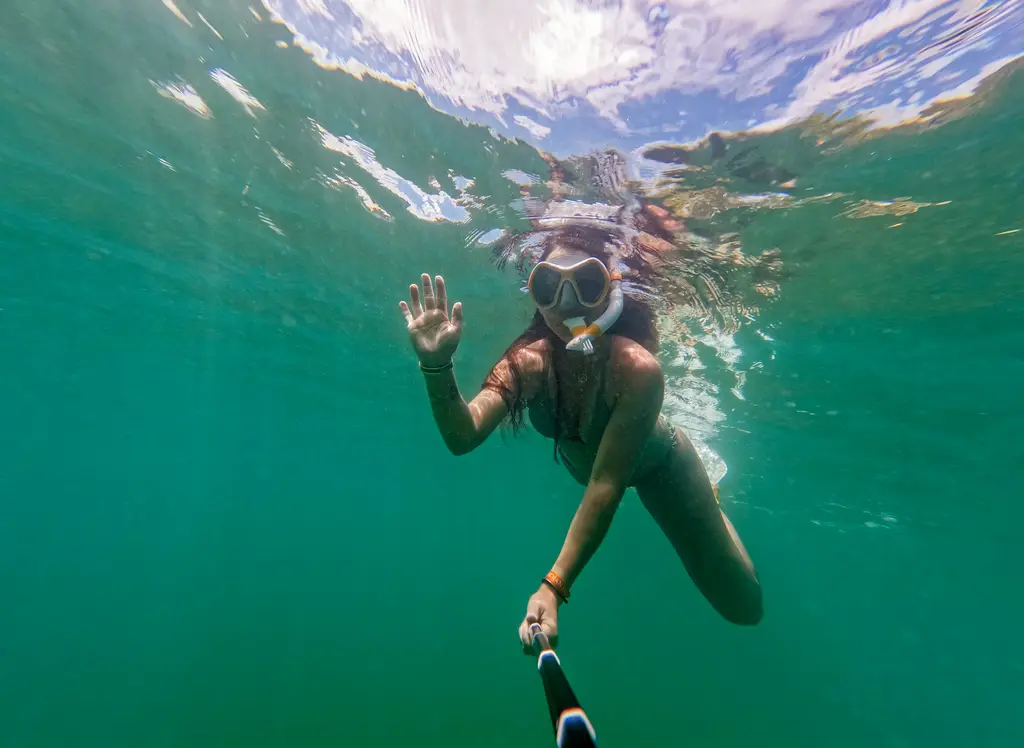
Summer

Warmer water and generally improved visibility make this the peak season for diving, especially around the Channel Islands. Liveaboards and dive boats run frequently, offering access to numerous offshore sites.
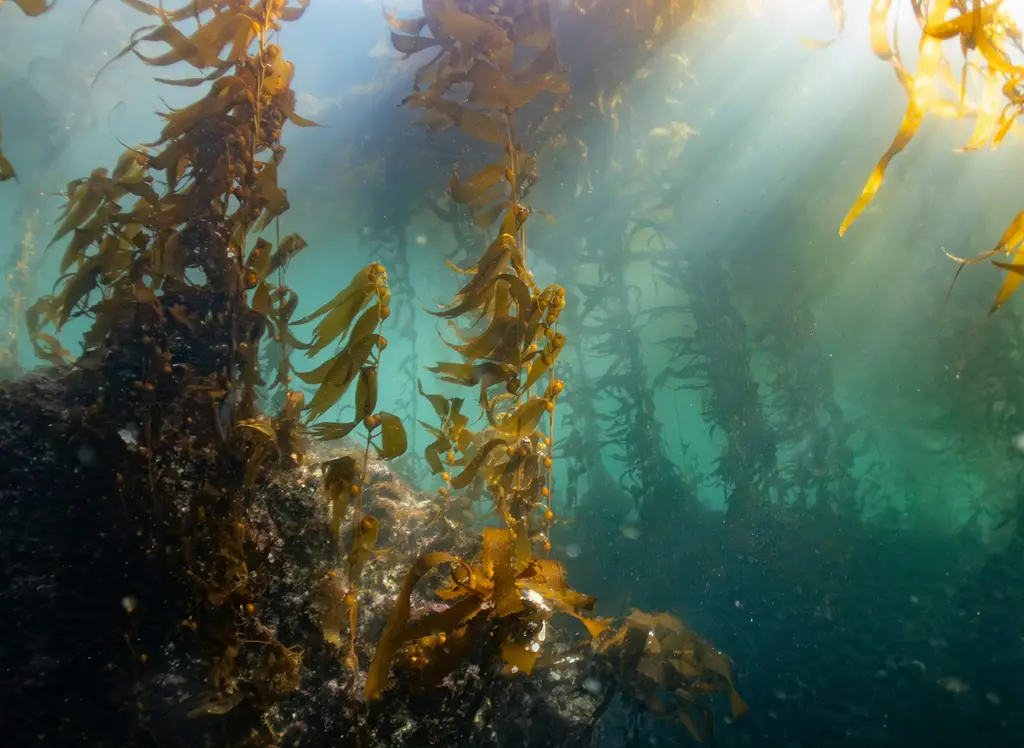
Fall

Often considered the best diving season due to the warmest water temperatures and typically excellent visibility after summer's plankton settle. Conditions are often calmer, ideal for exploring remote island sites.
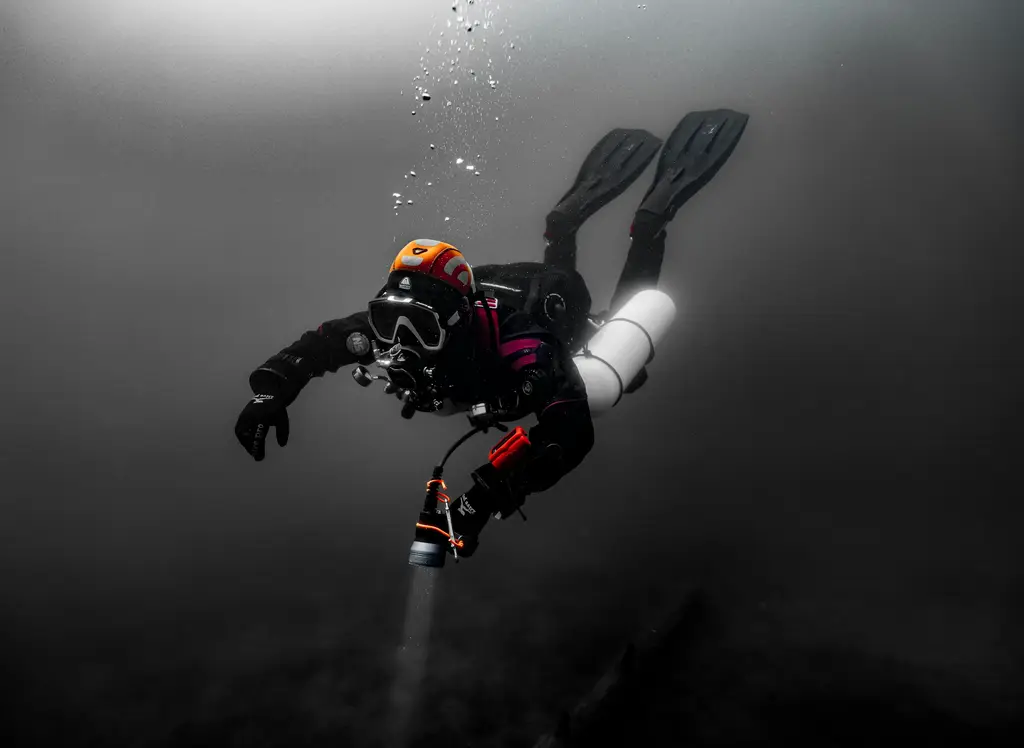
Winter

Colder water requires suitable exposure protection, but visibility can be exceptional following winter storms when the water calms. Fewer divers are present, offering a more serene underwater experience.

Free tools
Your free outdoor toolkit

Keep exploring

Nearby states

In your pocket

Take every dive site with you.

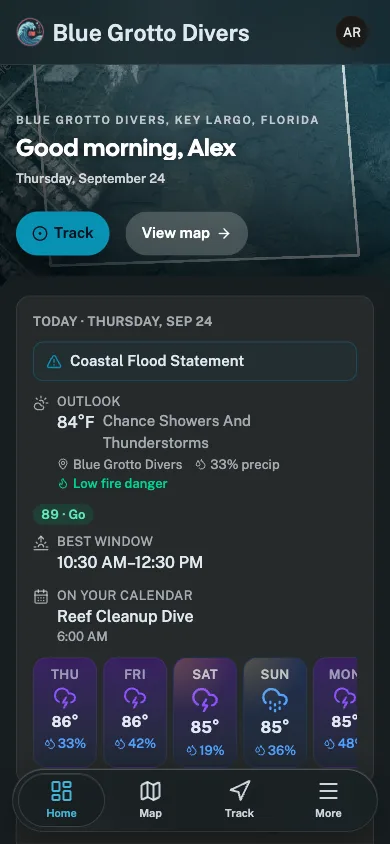
Free, no account needed. Dive-site charts, marine conditions, and your dive log in your pocket.

  • Every dive shop and charter in your pocket

  • Reefs, wrecks, and walls charted on the map

  • Viz and current reports from divers just surfaced

  • NOAA conditions before the boat leaves the dock

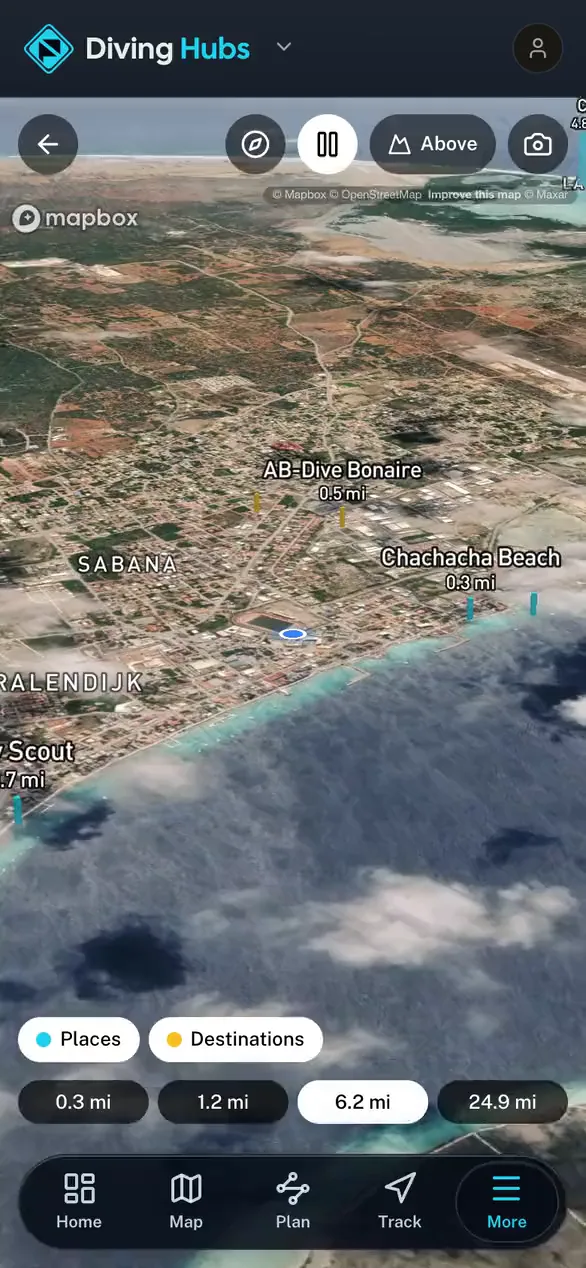
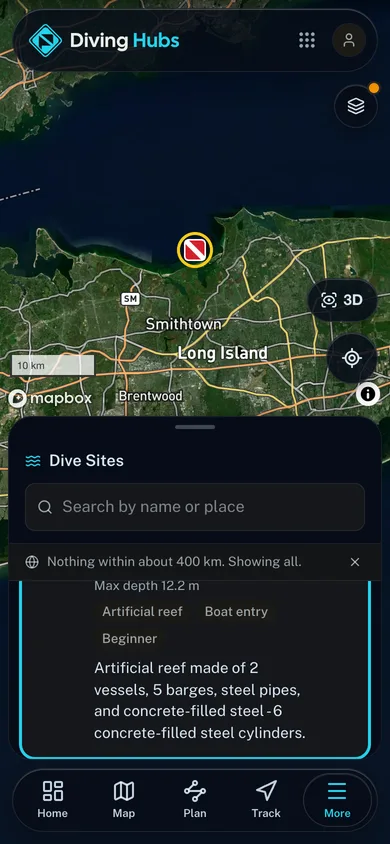
The Diving Hubs app dashboard

For operators

Run your dive business?
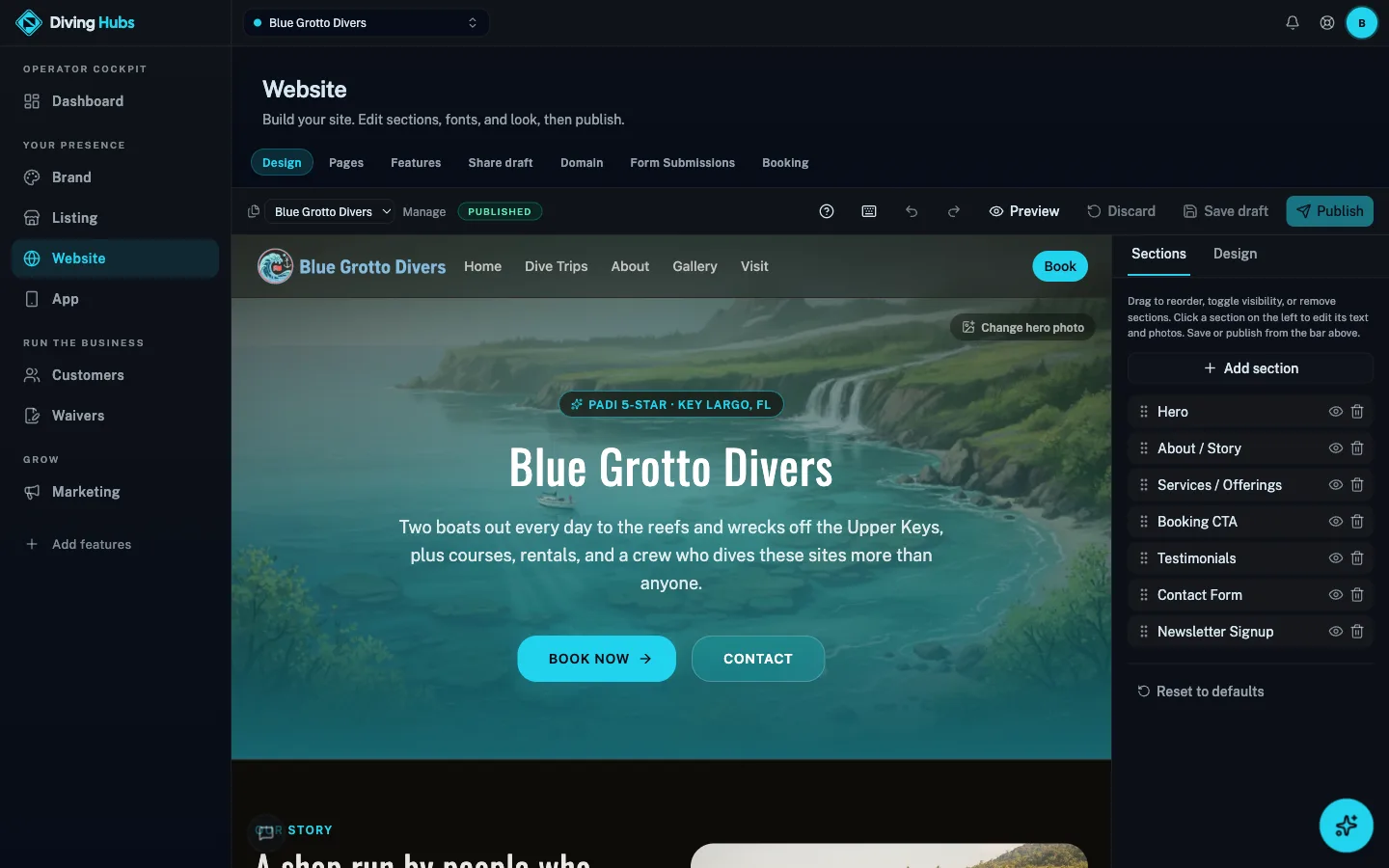
Launch your branded surface.

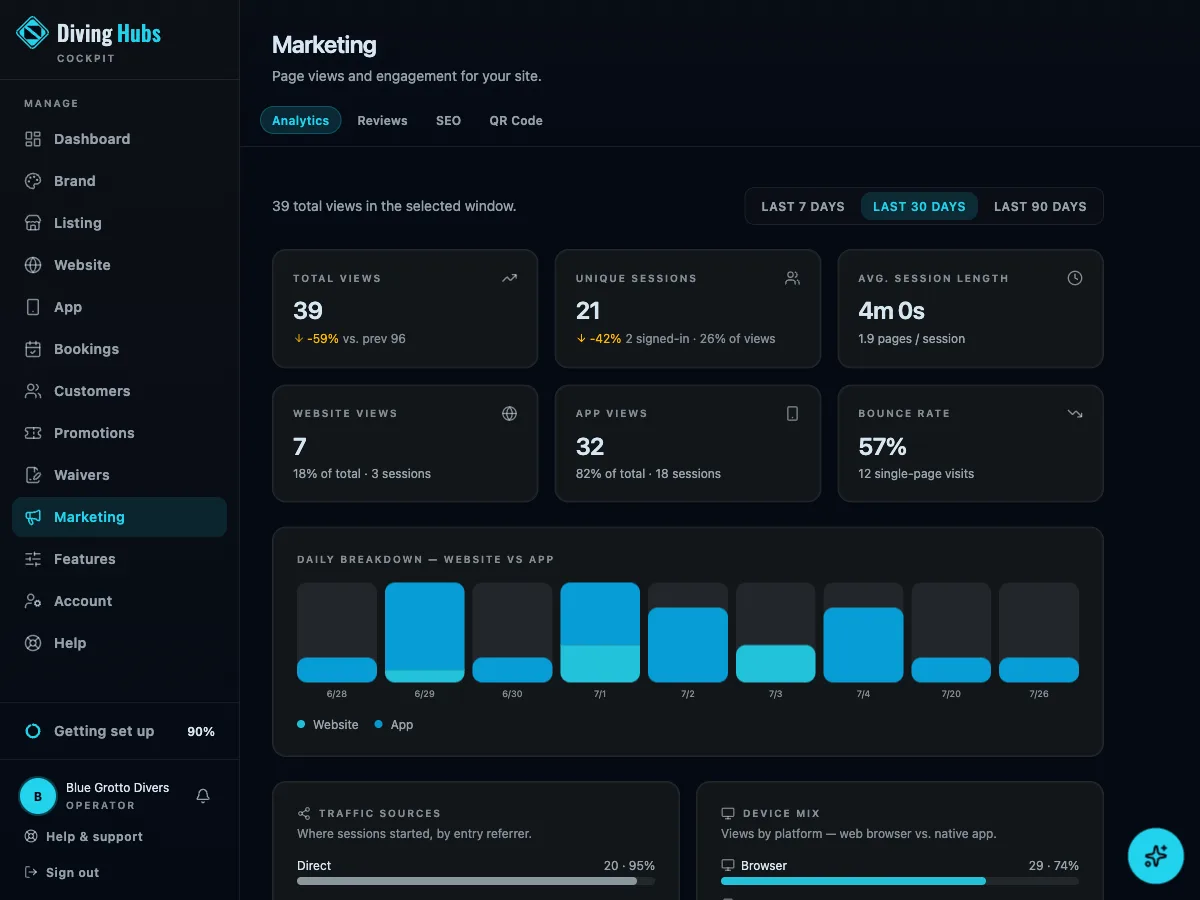
Get your own branded surface in the Diving Hubs app and a directory listing in minutes. Bookings, digital waivers, and your whole operation live in one cockpit.