Scuba Diving · Pacific & Great Barrier Reef
Pacific & Great Barrier Reef Scuba Diving
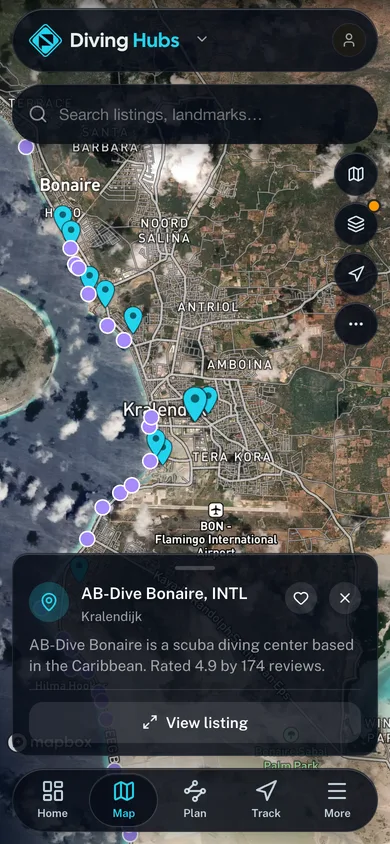
Explore 194 operators across Pacific & Great Barrier Reef. Maps, contact info, photos, and verified operator profiles, all in one place.
All listings
194 operators in Pacific & Great Barrier Reef
Dive Site Explorer
Dive sites across Pacific & Great Barrier Reef
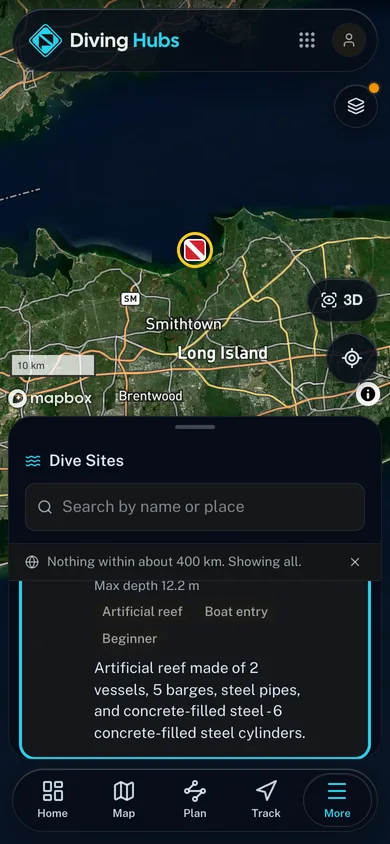
Tap a dive site to pinpoint it on the map, then open it for depth, entry, and the nearest operator.
About Pacific & Great Barrier Reef
Quick facts
- Water temp
- 24–29°C (75–84°F)
- Visibility
- 15–40m
- Best season
- Varies by site (often year-round)
- Highlights
- Soft coral, drifts & WWII wrecks
- Skill level
- All levels
- Operators listed
- 194
- Countries
- Australia, Fiji, Palau +4 more
- Dive areas
- 4
By region
4 regions in Pacific & Great Barrier Reef
Region 01 / 04
Great Barrier Reef & Coral Sea, Australia
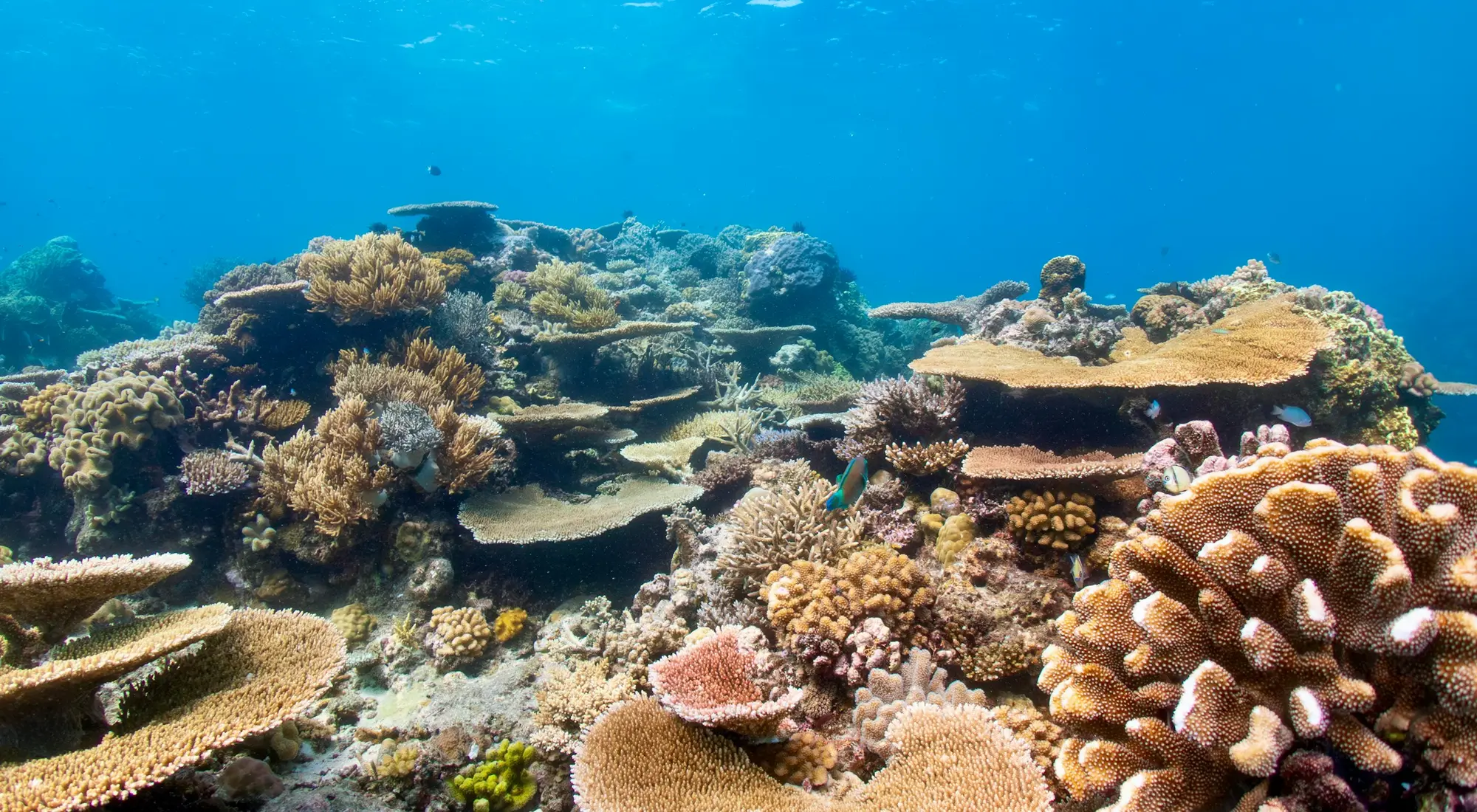
The world's largest coral reef system, running from busy shallow gardens to dramatic outer walls. Push into the Coral Sea by liveaboard and the reward is remote atolls and serious pelagic traffic.
Region 02 / 04
Fiji & Vanuatu
Fiji's "Soft Coral Capital" reputation rests on reef walls that erupt with color in current. Next door, Vanuatu offers the SS President Coolidge, one of diving's great wrecks, alongside healthy coral gardens.
Region 03 / 04
Palau & Micronesia
Palau's channels funnel current and big animals in equal measure, its drift dives are famous for a reason. In Micronesia, Chuuk Lagoon holds the densest collection of World War II wreck dives anywhere.
Region 04 / 04
Papua New Guinea & Solomon Islands
Reefs that see few divers, macro life that fills memory cards, and WWII wrecks scattered through the islands. For divers willing to travel far off the main circuit, the payoff is real.
Trip guide
Know before you go in Pacific & Great Barrier Reef
Confirm current requirements with the agency that sets them before your trip. Rules and fees change every season.
Valid Certification & Logbook
All divers must present a valid, internationally recognized scuba diving certification card (e.g., PADI, SSI) and are often required to show a logbook demonstrating recent dive activity. This varies by country. Confirm with your operator.
Medical Statement
A signed medical statement confirming fitness to dive is standard. Some operators may require a doctor's clearance, especially for older divers or those with pre-existing conditions. This varies by country. Confirm with your operator.
Marine Park & Access Permits
Access to many prime dive sites within protected marine areas requires permits or payment of conservation fees. These are typically arranged by your dive operator but may need to be paid locally. This varies by country. Confirm with your operator.
Minimum Dive Experience
While not universally mandated, some advanced or challenging sites may have minimum dive count or experience requirements, particularly for drift dives or deep wrecks. This varies by country. Confirm with your operator.
Dive Insurance
While not always a legal requirement, comprehensive dive accident insurance is strongly advised and often mandatory for liveaboard bookings due to the remote nature of many destinations. This varies by country. Confirm with your operator.
01What is the best time of year to dive in the Pacific & Great Barrier Reef region?
02Do I need a special certification for diving in this region?
03Are marine park fees common, and how are they handled?
04Should I bring my own dive gear or rent it?
05What kind of marine life can I expect to see?
06Is dive insurance necessary for this region?
When to go
Season by season in Pacific & Great Barrier Reef
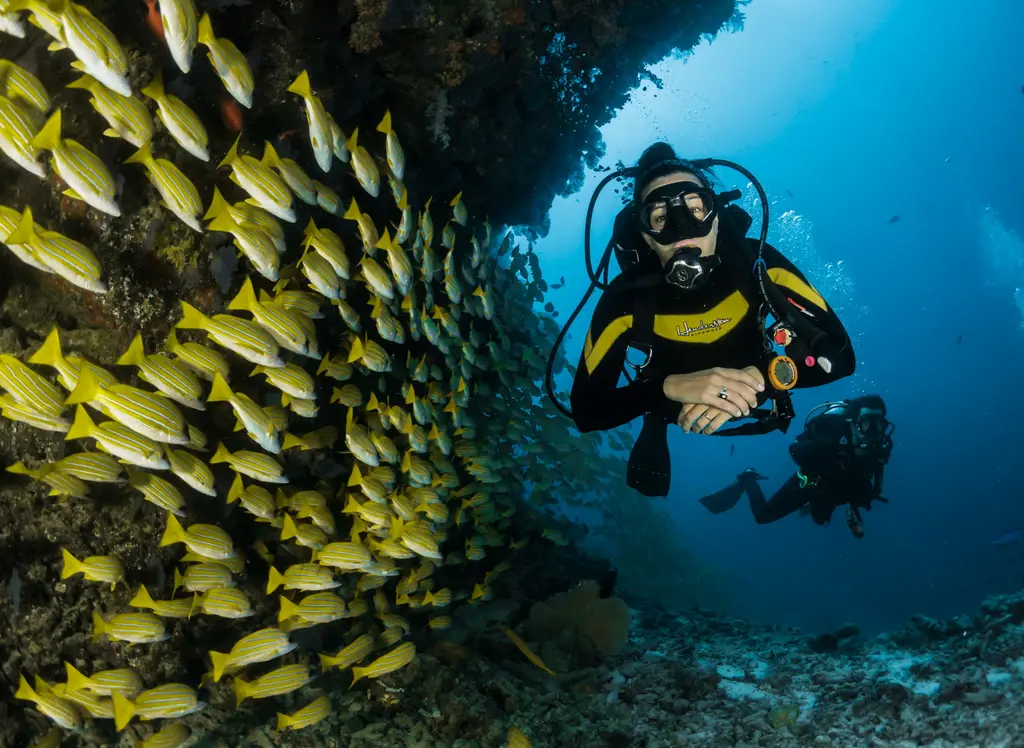
Spring (September - November)
The dry season opens across the Southern Pacific (Fiji, Vanuatu), bringing calm seas and long sightlines underwater. Parts of Australia see whale sharks in this window, and Palau's manta season is warming up. A reliable shoulder season: stable weather, comfortable conditions, fewer crowds than the peaks.
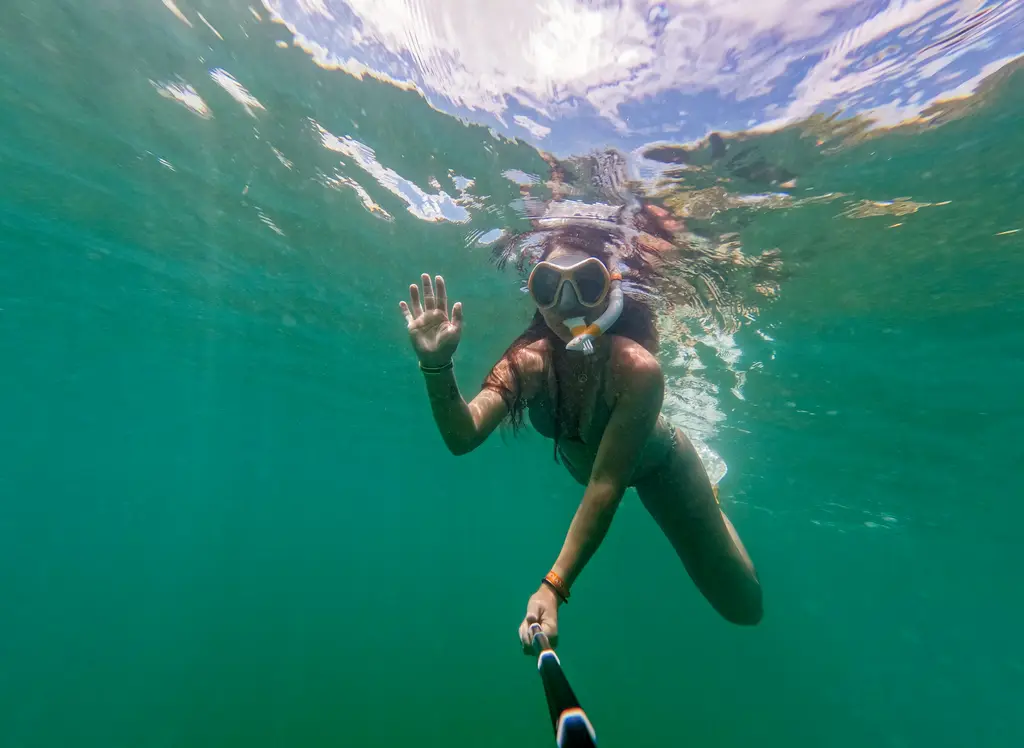
Summer (December - February)
Wet season on much of the Great Barrier Reef, cyclones are possible and coastal visibility drops, but the Southern Pacific hits its stride. Palau's manta numbers peak, hammerheads show in French Polynesia, and water temperatures reach their annual high. Pick your side of the region carefully in these months.
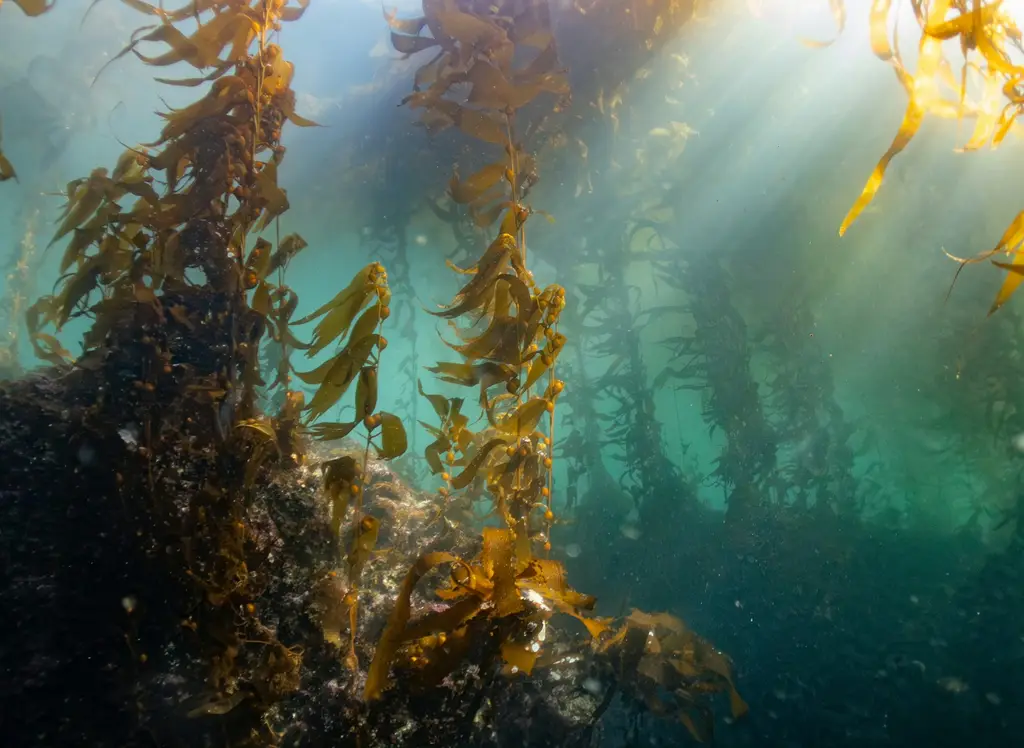
Autumn (March - May)
The transition months tend to be kind. Australia's wet season winds down and the water clears; the central Pacific settles into calm seas. Pelagic action in the Coral Sea is strong, and visibility runs good to excellent almost everywhere. An underrated window.
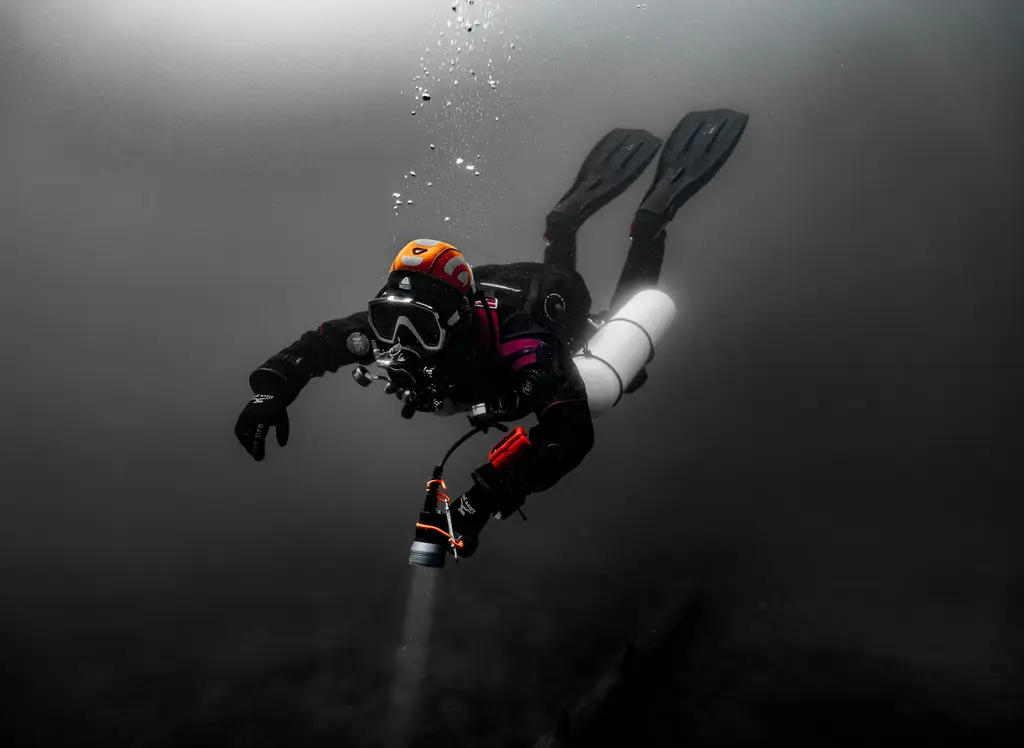
Winter (June - August)
Dry season on the Great Barrier Reef: consistently clear water, cooler temperatures, and humpback whales on their migration. Up north in Palau and Micronesia, seas calm down and visibility opens up, though the water can run a touch cooler than the summer months.
Watch & learn
Watch & learn, Pacific & Great Barrier Reef
UNCOVERING AUSTRALIA HIDDEN GEMS ︱ BARRIER REEF AND CORAL SEA | WORLD BEST SCUBA DIVING︱4K HDR VIDEO
MOKEN PLANET
0BLUE CORNER - Palau´s famous dive site under water (4K)
Marcel Steuermann
0Diving in Fiji 4K // Kadavu Island // South Pacific
Tom Vierus
0
Free tools