Scuba Diving · Pacific & Great Barrier Reef
Pacific & Great Barrier Reef Scuba Diving
Explore 189 operators across Pacific & Great Barrier Reef. Maps, contact info, photos, and verified operator profiles, all in one place.
About Pacific & Great Barrier Reef
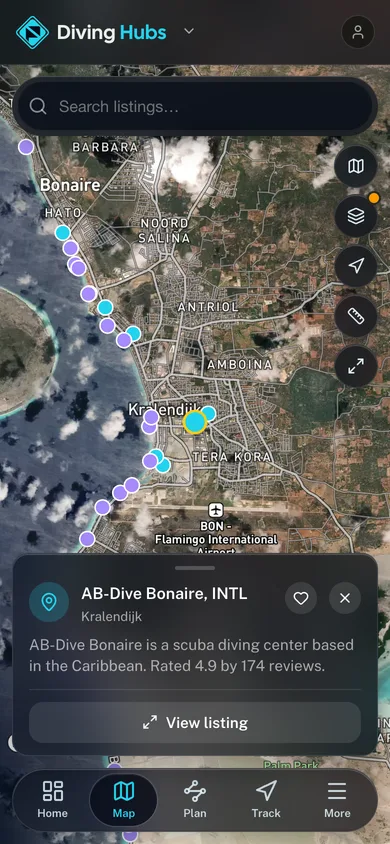
189 on the map
Tap a pin to open its profile.
Quick facts
- Water temp
- 24–29°C (75–84°F)
- Visibility
- 15–40m
- Best season
- Varies by site (often year-round)
- Highlights
- Soft coral, drifts & WWII wrecks
- Skill level
- All levels
- Operators listed
- 189
- Countries
- Australia, Fiji, Palau +4 more
- Dive areas
- 4
By region
4 regions in Pacific & Great Barrier Reef
Region 01 / 04
Great Barrier Reef & Coral Sea, Australia
The world's largest coral reef system, running from busy shallow gardens to dramatic outer walls. Push into the Coral Sea by liveaboard and the reward is remote atolls and serious pelagic traffic.
Region 02 / 04
Fiji & Vanuatu
Fiji's "Soft Coral Capital" reputation rests on reef walls that erupt with color in current. Next door, Vanuatu offers the SS President Coolidge, one of diving's great wrecks, alongside healthy coral gardens.
Region 03 / 04
Palau & Micronesia
Palau's channels funnel current and big animals in equal measure, its drift dives are famous for a reason. In Micronesia, Chuuk Lagoon holds the densest collection of World War II wreck dives anywhere.
Region 04 / 04
Papua New Guinea & Solomon Islands
Reefs that see few divers, macro life that fills memory cards, and WWII wrecks scattered through the islands. For divers willing to travel far off the main circuit, the payoff is real.
All listings
189 operators
across Pacific & Great Barrier Reef

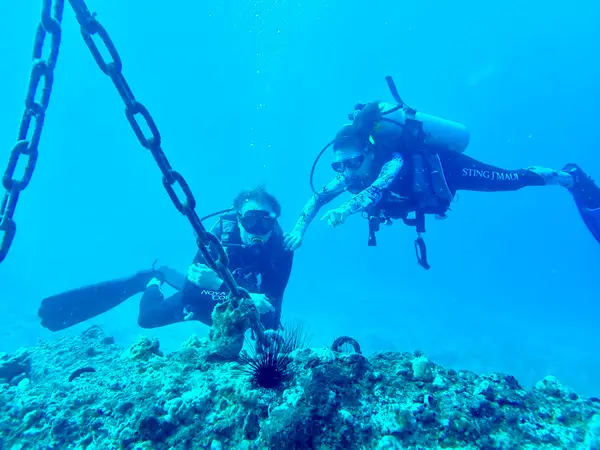
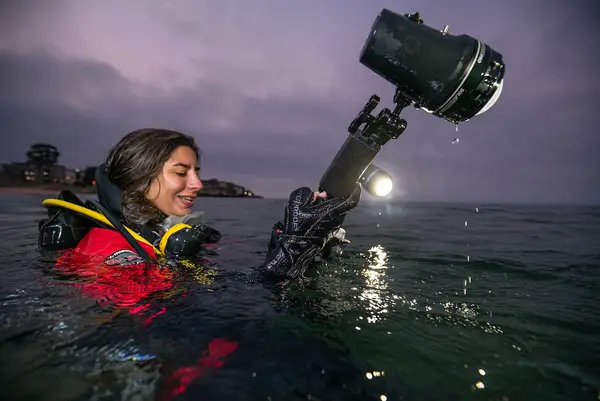
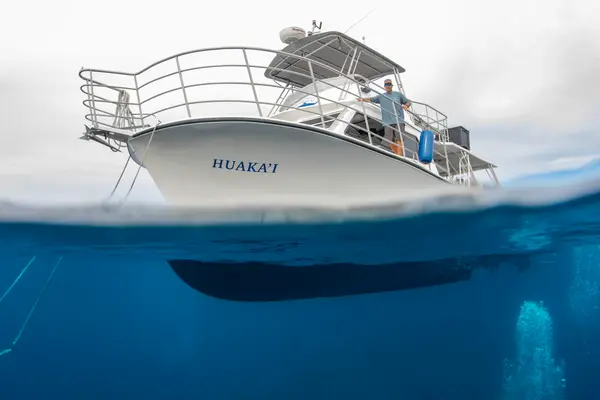

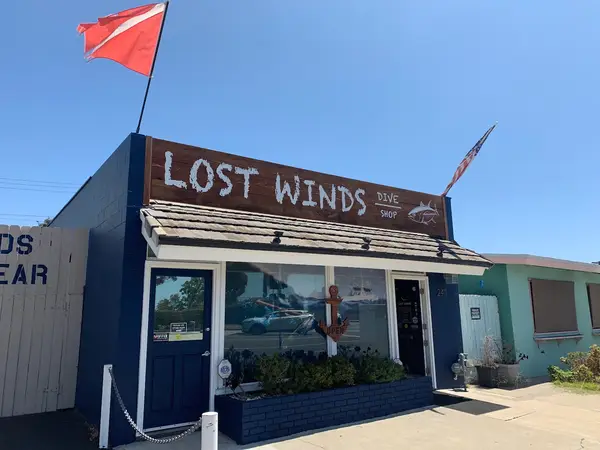
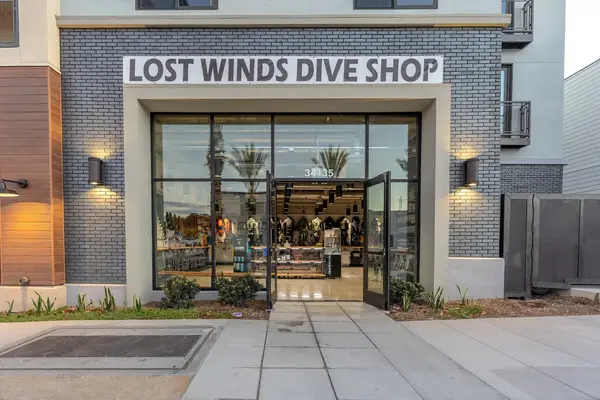
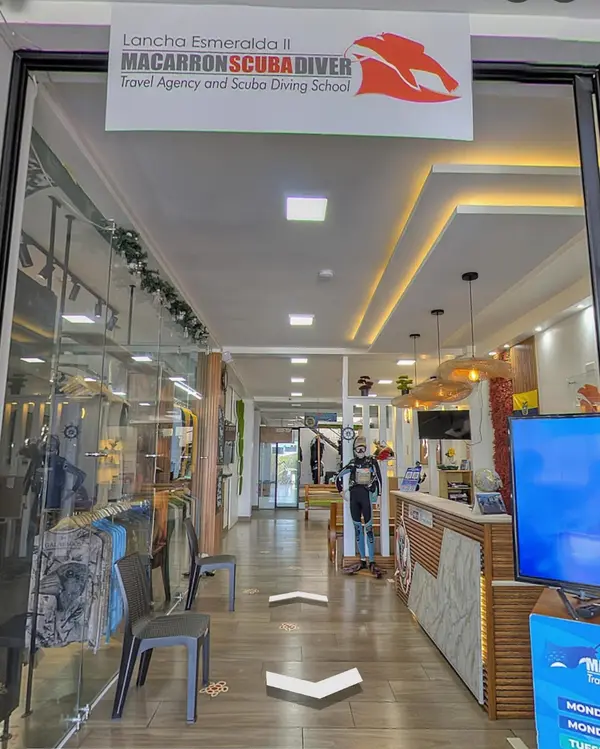
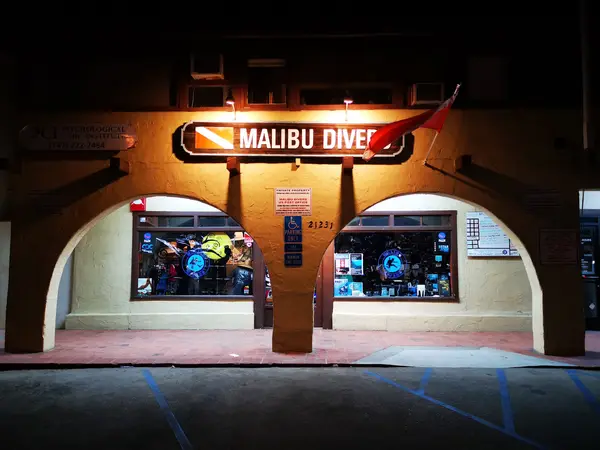
Watch it live
Live webcams in Pacific & Great Barrier Reef
Eyeball the surface conditions on a public cam before you plan the dive.
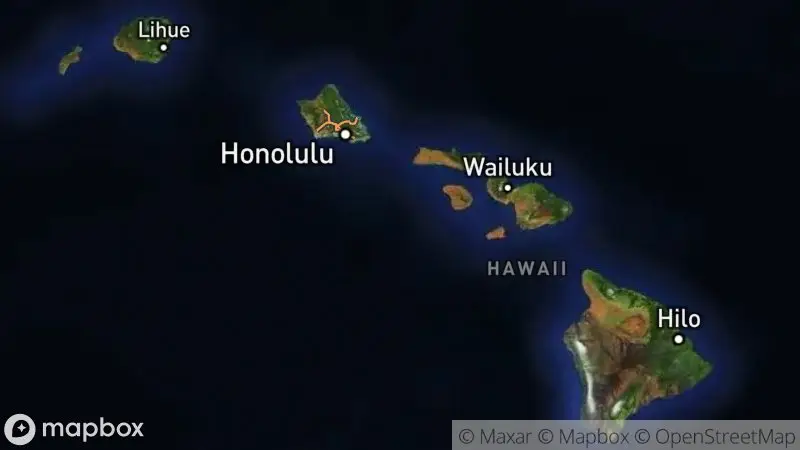 Location
Hawaii Coastal Cams
via LiveBeaches
Watch live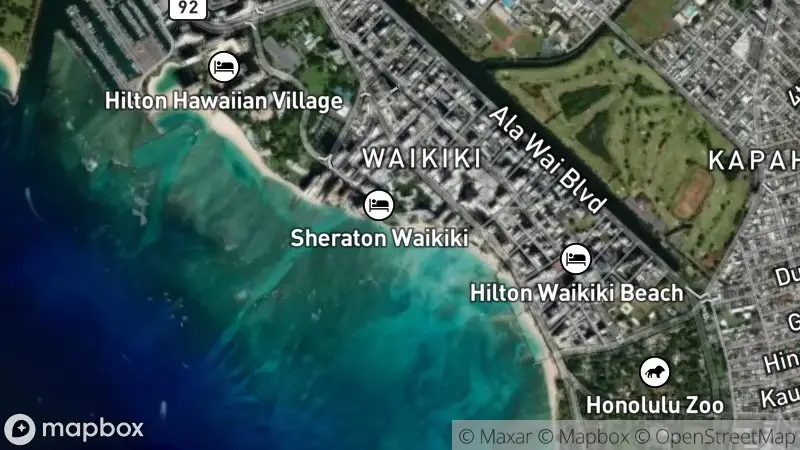 Location
Waikiki Beach Cam (Sheraton Waikiki)
via Sheraton Waikiki / Ozolio
Watch livePlan your trip
Plan your trip to Pacific & Great Barrier Reef
Certification Levels
While many sites cater to Open Water divers, signature dives like deep wrecks in Chuuk Lagoon or drift dives in French Polynesia often require Advanced Open Water or even technical certifications. Confirm with your operator, as expectations vary by country.
Marine Park & Conservation Fees
Most countries in the region implement marine park fees or conservation levies. These are often included in liveaboard or dive package prices but may be payable locally. These funds support critical marine protection efforts, and requirements vary by country.
Liveaboard vs. Day-Boat Access
Many world-class sites, especially in the Coral Sea, Palau, and remote parts of Papua New Guinea, are primarily accessible via liveaboard. Day-boat operations are prevalent in more developed areas like the Great Barrier Reef and Fiji, offering different experiences depending on your destination.
Currents, Depth, and Experience
The Pacific is known for strong currents, particularly around atolls and channels, which can make for exhilarating drift dives. Some iconic sites also involve significant depth. Divers should be comfortable with these conditions and have recent dive experience, as requirements vary by country.
Nitrox Availability
Nitrox is widely available on most liveaboards and many larger dive shops throughout the region, especially for multi-day diving. Confirm availability and cost with your chosen operator if you plan on using it, as offerings vary by country and provider.
Dive Insurance & Evacuation
Comprehensive dive insurance, including coverage for medical emergencies and hyperbaric treatment, is highly recommended and often mandatory for liveaboard trips. Emergency evacuation services are crucial given the remote nature of many destinations, and coverage needs vary by country.
Confirm current requirements with the state agency before your trip. Rules and fees change every season.
Valid Certification & Logbook
All divers must present a valid, internationally recognized scuba diving certification card (e.g., PADI, SSI) and are often required to show a logbook demonstrating recent dive activity. This varies by country. Confirm with your operator.
Medical Statement
A signed medical statement confirming fitness to dive is standard. Some operators may require a doctor's clearance, especially for older divers or those with pre-existing conditions. This varies by country. Confirm with your operator.
Marine Park & Access Permits
Access to many prime dive sites within protected marine areas requires permits or payment of conservation fees. These are typically arranged by your dive operator but may need to be paid locally. This varies by country. Confirm with your operator.
Minimum Dive Experience
While not universally mandated, some advanced or challenging sites may have minimum dive count or experience requirements, particularly for drift dives or deep wrecks. This varies by country. Confirm with your operator.
Dive Insurance
While not always a legal requirement, comprehensive dive accident insurance is strongly advised and often mandatory for liveaboard bookings due to the remote nature of many destinations. This varies by country. Confirm with your operator.
- 01
1. Choose Your Destination & Dive Style
Wrecks, soft coral, or pelagics, decide what you're chasing, then match a country to it. That choice also settles the style question: liveaboard, resort-based, or day trips from a coastal town.
- 02
2. Assess Your Certification & Experience
Check what the signature dives at your destination actually require before you book. If deep wrecks or channel drifts are on the list, an Advanced Open Water card, Nitrox, or a drift specialty may need to come first.
- 03
3. Research Operators & Book Travel
Vet dive shops and liveaboards on safety record and reviews, not just price. Flights and berths to remote Pacific destinations fill early. Book well ahead, especially for peak season.
- 04
4. Secure Necessary Documentation
Check passport validity and visa rules for your destination, and buy dive and travel insurance that covers evacuation. Ask your operator directly about any medical clearance or permit paperwork.
- 05
5. Prepare Your Gear & Fitness
Get your regulator and BCD serviced, pack for the conditions, and be honest about your fitness. If your logbook has gone quiet, a refresher course before the trip beats fumbling on day one.
01What is the best time of year to dive in the Pacific & Great Barrier Reef region?
02Do I need a special certification for diving in this region?
03Are marine park fees common, and how are they handled?
04Should I bring my own dive gear or rent it?
05What kind of marine life can I expect to see?
06Is dive insurance necessary for this region?
When to go
Season by season in Pacific & Great Barrier Reef

Spring (September - November)
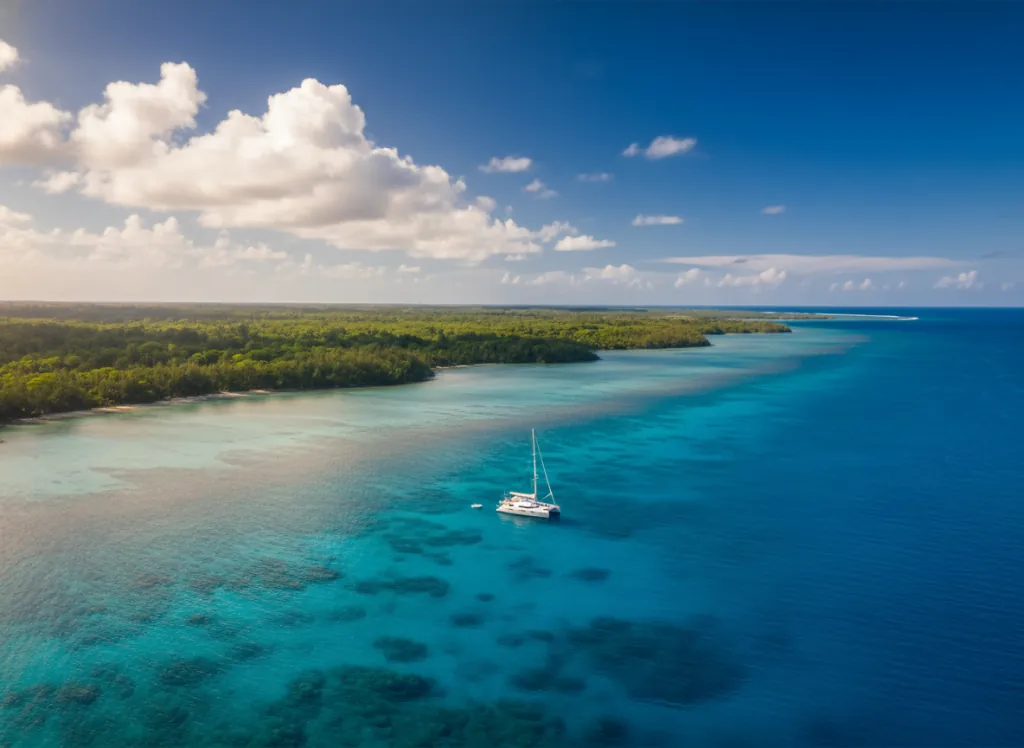
The dry season opens across the Southern Pacific (Fiji, Vanuatu), bringing calm seas and long sightlines underwater. Parts of Australia see whale sharks in this window, and Palau's manta season is warming up. A reliable shoulder season: stable weather, comfortable conditions, fewer crowds than the peaks.
Summer (December - February)
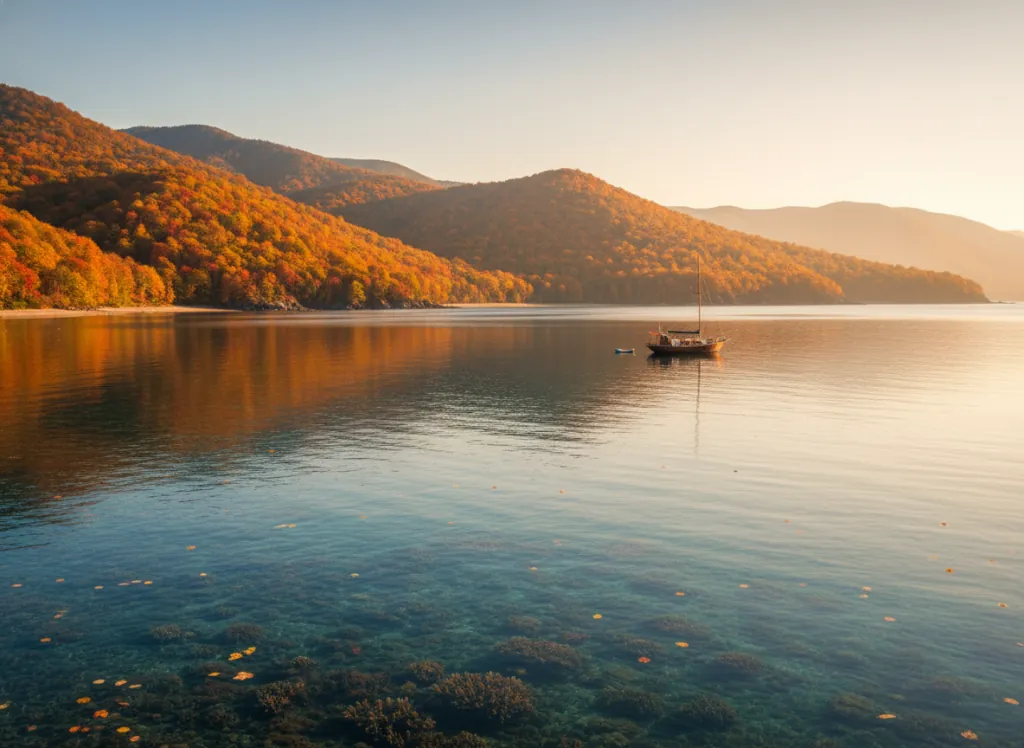
Wet season on much of the Great Barrier Reef, cyclones are possible and coastal visibility drops, but the Southern Pacific hits its stride. Palau's manta numbers peak, hammerheads show in French Polynesia, and water temperatures reach their annual high. Pick your side of the region carefully in these months.
Autumn (March - May)
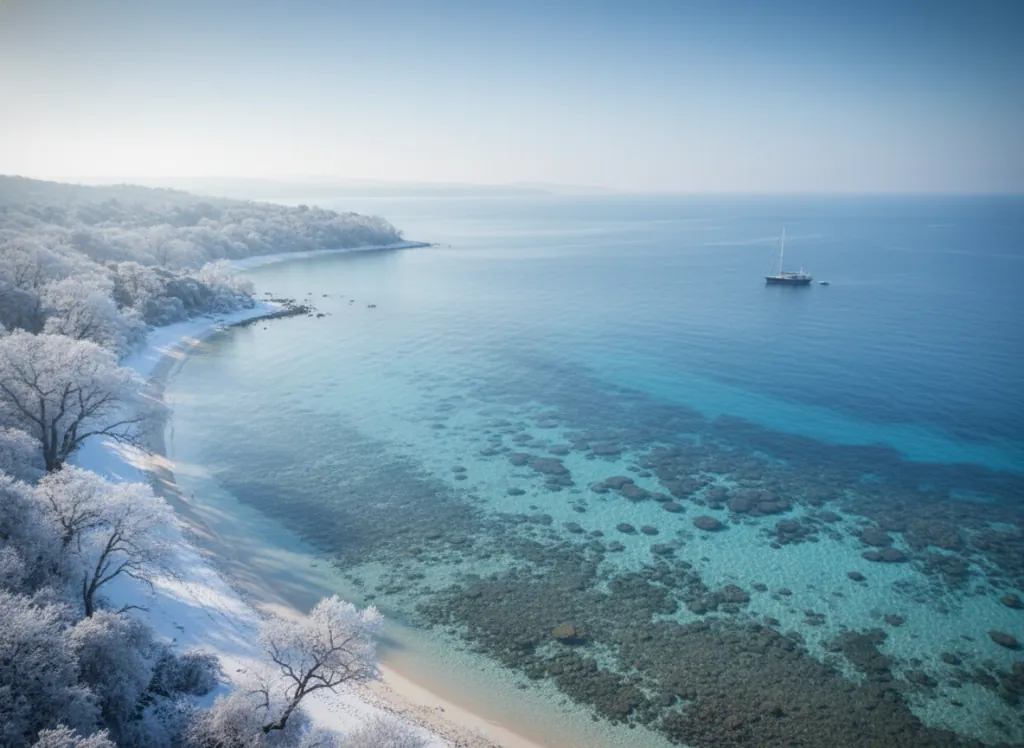
The transition months tend to be kind. Australia's wet season winds down and the water clears; the central Pacific settles into calm seas. Pelagic action in the Coral Sea is strong, and visibility runs good to excellent almost everywhere. An underrated window.
Winter (June - August)
Dry season on the Great Barrier Reef: consistently clear water, cooler temperatures, and humpback whales on their migration. Up north in Palau and Micronesia, seas calm down and visibility opens up, though the water can run a touch cooler than the summer months.
Watch & learn
Watch & learn, Pacific & Great Barrier Reef
UNCOVERING AUSTRALIA HIDDEN GEMS ︱ BARRIER REEF AND CORAL SEA | WORLD BEST SCUBA DIVING︱4K HDR VIDEO
MOKEN PLANET
0BLUE CORNER - Palau´s famous dive site under water (4K)
Marcel Steuermann
0Diving in Fiji 4K // Kadavu Island // South Pacific
Tom Vierus
0
Free tools
Your free outdoor toolkit
Everything Map
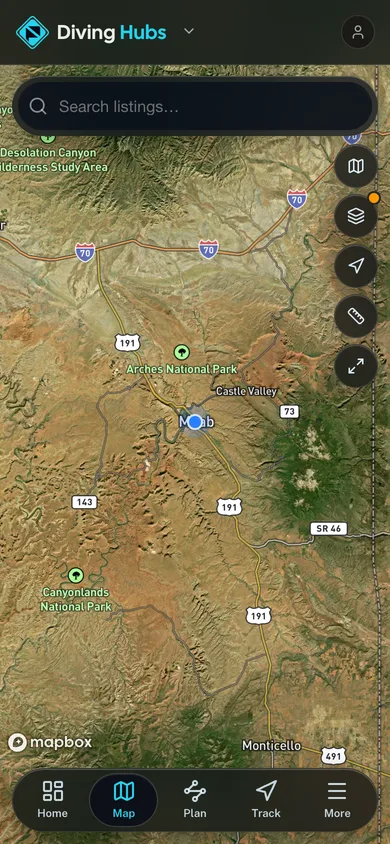
Listings, trails, spots, clubs and public land on a single full-screen map. Switch layers on and off, then tap any point for the details.
Open Everything MapDive Sites
Browse community-mapped reefs, wrecks, and walls with depth, conditions, and what you will see.
Open Dive SitesRoute Planner
Drop stops on a map and watch distance and drive time add up. Export a GPX or share the link.
Open Route PlannerDive Clubs
Browse local clubs with meeting info and how to join, or start your own for free.
Open Dive ClubsPhoto ID
Point your camera at whatever you found and get a structured identification. No signup.
Open Photo IDGear Checklists
Printable, save-as-you-go packing lists. Tick items off and pull them up on your phone.
Open Gear Checklists