Scuba Diving · Mediterranean
Mediterranean Scuba Diving
Explore 52 operators across Mediterranean. Maps, contact info, photos, and verified operator profiles, all in one place.
About Mediterranean
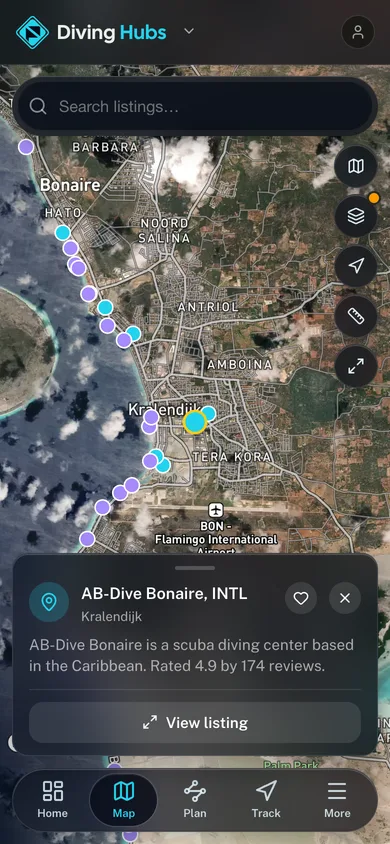
52 on the map
Tap a pin to open its profile.
Quick facts
- Water temp
- 15–26°C (59–79°F)
- Visibility
- 15–30m
- Best season
- May–October
- Highlights
- Wrecks, caverns & history
- Skill level
- All levels
- Operators listed
- 52
- Countries
- Malta, Croatia, Greece +4 more
- Dive areas
- 4
By region
4 regions in Mediterranean
Region 01 / 04
Malta & Gozo
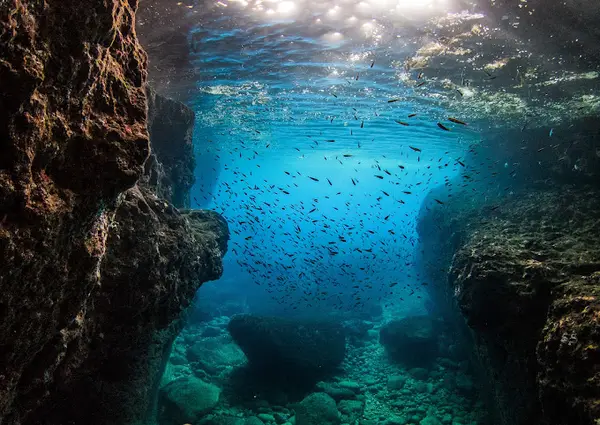
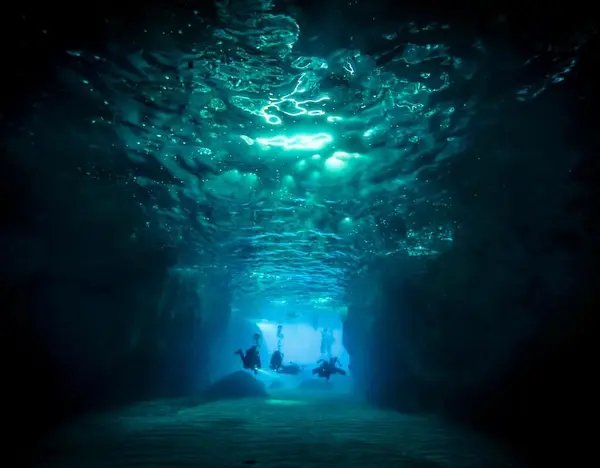
The Mediterranean's wreck headquarters, the MV Um El Faroud headlines a deep bench of sunken steel, plus caves and arches cut through limestone, all in famously clear water. Sites run the full range from beginner-friendly to serious.
Region 02 / 04
Croatia (Adriatic Sea)
Clear Adriatic water over ancient shipwrecks, island reefs, and dramatic natural formations. Island-hopping liveaboards make the most of the scattered geography, mixing history with untouched coastline.
Region 03 / 04
Greece (Cyclades & Dodecanese)
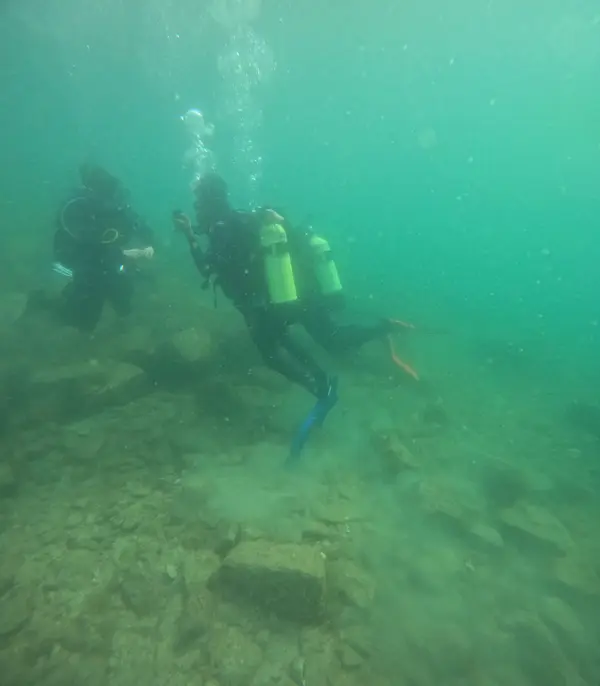
Amphora fields on the seabed, volcanic reefs, and lively marine life in the middle of the ancient world's busiest sea lanes. Diverse sites and charming coastal towns make this the classic Mediterranean itinerary.
Region 04 / 04
Cyprus
The Zenobia, a ferry that sank in 1980, lies here, and it stays near the top of the world's wreck-dive rankings for good reason. Add reliable shore diving and interesting underwater terrain and Cyprus punches well above its size.
All listings
52 operators
across Mediterranean
Plan your trip
Plan your trip to Mediterranean
Certification Levels
Many signature wreck dives and deeper sites in the Mediterranean, such as the Zenobia in Cyprus or the MV Um El Faroud in Malta, require Advanced Open Water (AOW) certification or higher due to depth and potential overhead environments. Confirm the minimum certification needed with your chosen dive operator for specific sites.
Marine Park and Access Fees
Several dive sites within the Mediterranean are located in marine protected areas, which may incur additional daily or per-dive fees. These fees contribute to conservation efforts and vary significantly by country and specific park. Always inquire with your dive center about any applicable charges beforehand.
Liveaboard vs. Day Boat Access
While many popular sites are accessible via day boats from coastal dive shops, a liveaboard offers unparalleled access to more remote islands, offshore reefs, and multiple countries within a single trip. Consider a liveaboard for multi-destination itineraries or to reach less-frequented dive spots.
Currents, Depth, and Experience
The Mediterranean is generally known for calmer conditions compared to oceanic diving. However, specific sites, especially around channels, straits, or deep wrecks, can experience moderate currents. Depths for notable sites often exceed 18 meters (60 feet), so comfort with deeper diving is advisable. Always discuss your experience level with your dive guide.
Nitrox Availability
Nitrox (enriched air) is widely available at most professional dive centers and on nearly all liveaboards across the Mediterranean. It is highly recommended for multi-day diving or repetitive deep dives to extend bottom time and reduce nitrogen loading. Confirm availability and cost with your operator.
Dive Insurance and Evacuation
Comprehensive dive insurance, covering medical emergencies, recompression treatment, and emergency evacuation, is strongly recommended for all divers in the Mediterranean. While medical facilities are generally good, specialized dive medicine may require transport. Policies vary, so ensure yours covers international travel and diving activities specifically.
Confirm current requirements with the state agency before your trip. Rules and fees change every season.
Certification Requirements
A valid scuba diving certification card (e.g., PADI, SSI, CMAS) is universally required for guided dives. While Open Water is sufficient for many sites, Advanced Open Water or equivalent is often necessary for deeper wrecks, caves, and more challenging dives. Requirements vary by country – confirm with your operator.
Medical Statement
Many dive centers across the Mediterranean require divers to complete a medical questionnaire or provide a doctor's certificate stating fitness to dive, especially for older divers or those with pre-existing conditions. It's prudent to bring a recent medical clearance if you have any doubts. Requirements vary by country – confirm with your operator.
Logbook and Experience
While not always strictly mandatory, bringing your dive logbook is highly recommended. It allows operators to assess your experience and ensure you are placed on appropriate dives. Some advanced or technical dives may have minimum logged dive requirements. Requirements vary by country – confirm with your operator.
Protected Area Permits and Fees
Diving in marine protected areas, national parks, or specific historical sites often requires special permits and may involve additional fees. These regulations are in place to preserve the underwater environment and cultural heritage. Your dive operator will typically handle these arrangements. Requirements vary by country – confirm with your operator.
- 01
1. Research Destinations and Interests
Pick the sub-region that matches your appetite (Malta's wrecks, Greece's marine life, Croatia's cave systems), and check the seasonal calendar for your choice before anything else. The Mediterranean rewards timing.
- 02
2. Verify Certification and Experience
Look up the certification requirements for your target sites and be honest about where you stand. If a wreck or depth on your list demands advanced training, do the course at home so the trip itself is all diving.
- 03
3. Choose Your Dive Operator
Decide between land-based shops for day trips and a liveaboard for multi-day runs to remoter water. Then vet the operators: safety standards, what's included, and whether they guide in a language you're comfortable in.
- 04
4. Arrange Travel Logistics
Book flights and local transport, check visa requirements for your nationality and destination, and sort accommodation if you're not sleeping aboard. Note any marine park fees or local access rules while you plan.
- 05
5. Secure Dive and Travel Insurance
Buy dive insurance covering medical emergencies, recompression, and evacuation alongside standard travel cover, and read the policy closely enough to confirm it applies to international travel and scuba diving in the Mediterranean specifically.
01What kind of marine life can I expect to see in the Mediterranean?
02Is the Mediterranean suitable for beginner divers?
03What are the typical water temperatures in the Mediterranean?
04Are there many wreck dives in the Mediterranean?
05Do I need to bring my own dive gear, or can I rent it?
06How accessible are dive sites in the Mediterranean?
When to go
Season by season in Mediterranean

Spring (March-May)
The water starts warming, southern Mediterranean first, and with plankton blooms minimal the visibility is often superb. Crowds haven't arrived yet. A fine window for Malta, Cyprus, and the southern coasts of Spain and Italy before summer fills the boats.
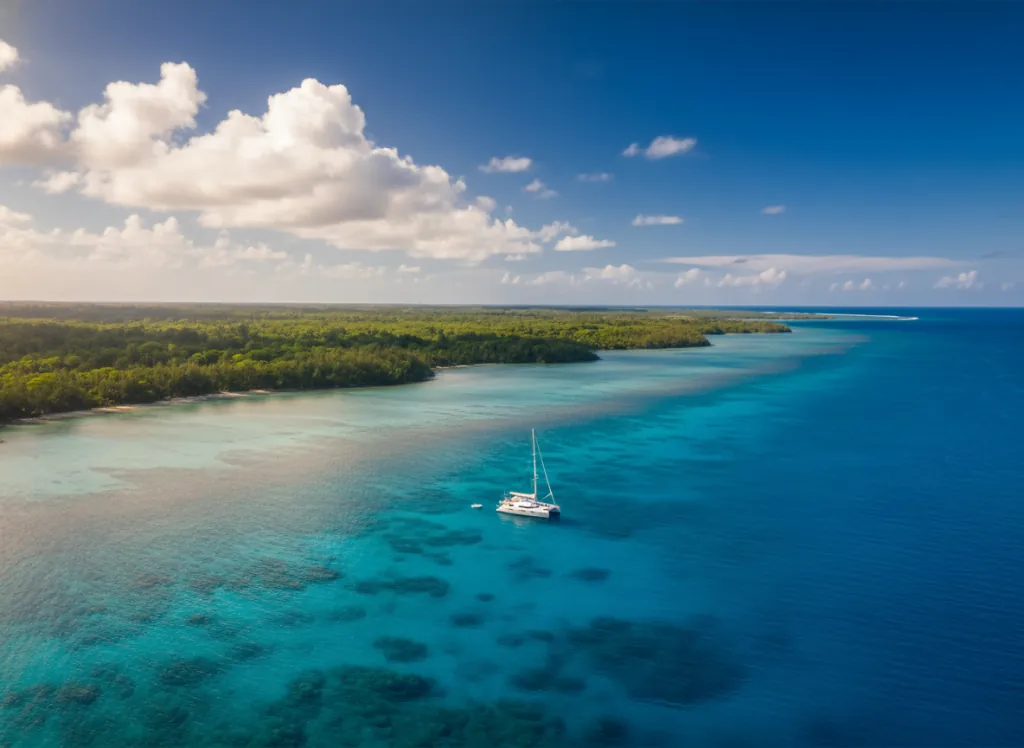
Summer (June-August)
Peak season across the entire sea. Water hits its annual high of 22-28°C, wetsuits get thinner, and every dive center and liveaboard is running at full tilt. The Greek Islands, Croatia, and the Balearics are busy, and offer the widest choice of the year for every certification level.
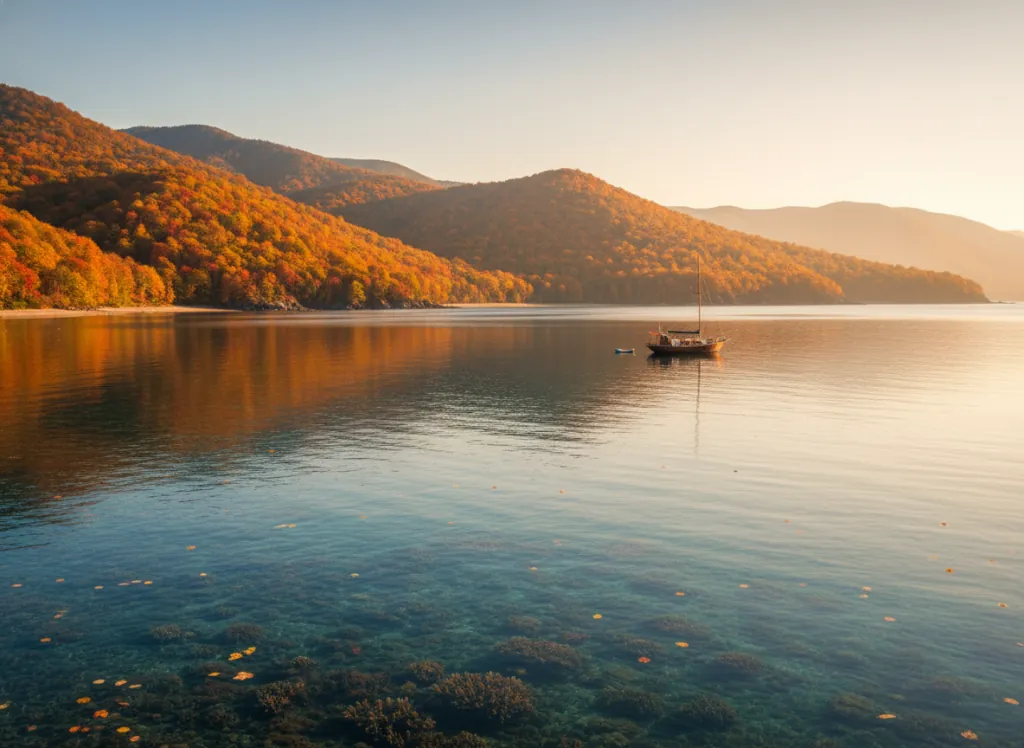
Autumn (September-November)
The sea keeps its summer warmth while the crowds drain away. Visibility often peaks for the year and marine life stays active: arguably the connoisseur's season, from the Turkish coast to the French Riviera, with comfortable conditions and room to breathe.
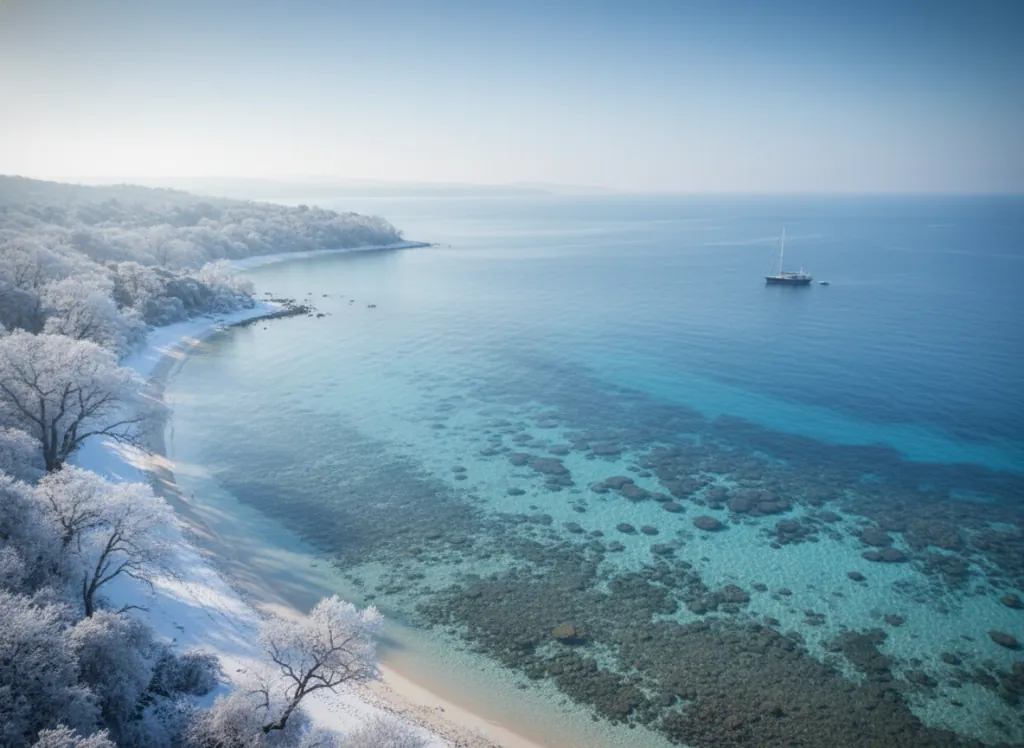
Winter (December-February)
Diving narrows to sheltered spots and dedicated divers, with water at 14-18°C calling for thick wetsuits or drysuits. Centers in the warmer south (Malta, and the Canary Islands (Atlantic on the map, Mediterranean-adjacent in diving culture)), stay open, trading warmth for exceptional visibility and quiet sites.
Free tools
Your free outdoor toolkit
Everything Map
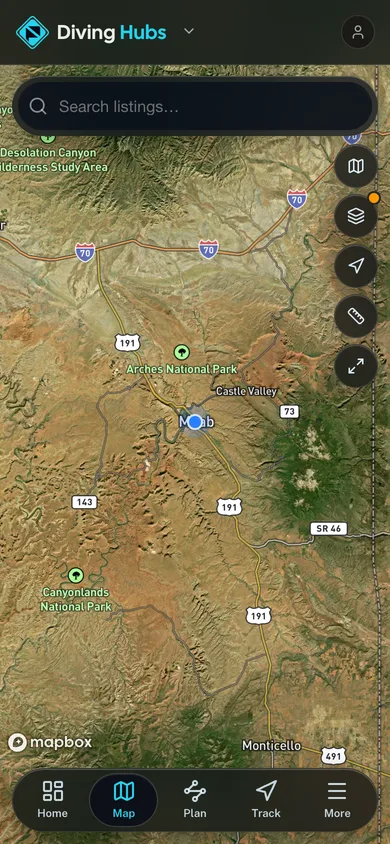
Listings, trails, spots, clubs and public land on a single full-screen map. Switch layers on and off, then tap any point for the details.
Open Everything MapDive Sites
Browse community-mapped reefs, wrecks, and walls with depth, conditions, and what you will see.
Open Dive SitesRoute Planner
Drop stops on a map and watch distance and drive time add up. Export a GPX or share the link.
Open Route PlannerDive Clubs
Browse local clubs with meeting info and how to join, or start your own for free.
Open Dive ClubsPhoto ID
Point your camera at whatever you found and get a structured identification. No signup.
Open Photo IDGear Checklists
Printable, save-as-you-go packing lists. Tick items off and pull them up on your phone.
Open Gear Checklists