Scuba Diving · Caribbean
Caribbean Scuba Diving
Explore 109 operators across Caribbean. Maps, contact info, photos, and verified operator profiles, all in one place.
About Caribbean
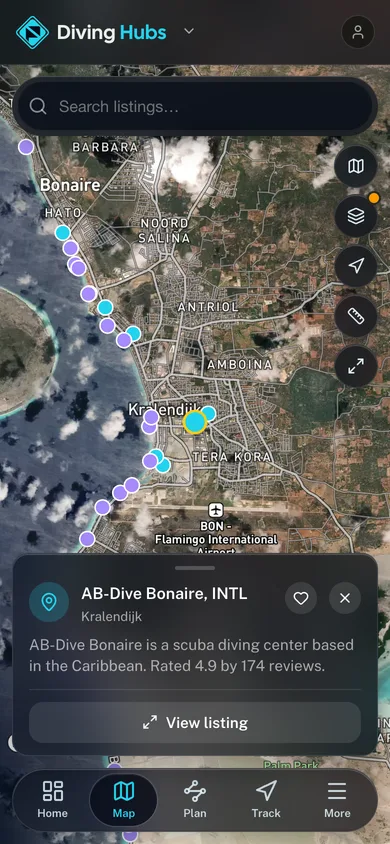
109 on the map
Tap a pin to open its profile.
Quick facts
- Water temp
- 26–29°C (79–84°F)
- Visibility
- 20–30m+
- Best season
- Year-round
- Highlights
- Walls, wrecks & shore reefs
- Skill level
- All levels
- Operators listed
- 109
- Countries
- Cayman Islands, Bahamas, Bonaire +9 more
- Dive areas
- 4
By region
4 regions in Caribbean
Region 01 / 04
Bonaire
The 'Diver's Paradise' license plates aren't kidding. Yellow-painted stones along the coast road mark reef entries you can drive to, gear up beside, and walk into, no boat required. Calm, clear water suits every skill level, and the coral and macro life reward slow, repeated visits.
Region 02 / 04
Cayman Islands
Grand Cayman built its reputation on walls, vertical faces in famously clear water, plus the USS Kittiwake, one of the region's best-known wrecks. Stingray City adds something no wall can: standing in waist-deep sand while southern stingrays glide past your knees.
Region 03 / 04
Belize
The world's second-largest barrier reef runs the length of the country, and beyond it lie the atolls and the Great Blue Hole. Inner reef sites work fine from shore-based shops; the remote outer sites are liveaboard territory, and the boats stay busy.
Region 04 / 04
Turks & Caicos
Wall diving is the draw here, drop-offs that fall thousands of feet, close enough to shore that the crossing is short. Hang at the edge long enough and the blue tends to produce something pelagic. The reefs above the walls are healthy, the water reliably clear.
Dive Site Explorer
Dive sites across Caribbean
Tap a dive site to pinpoint it on the map, then open it for depth, entry, and the nearest operator.
All listings
109 operators
across Caribbean
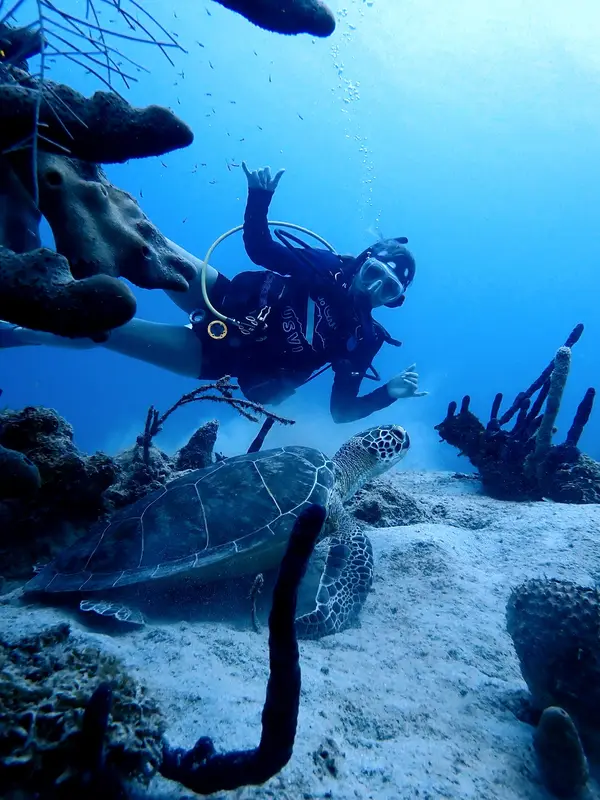
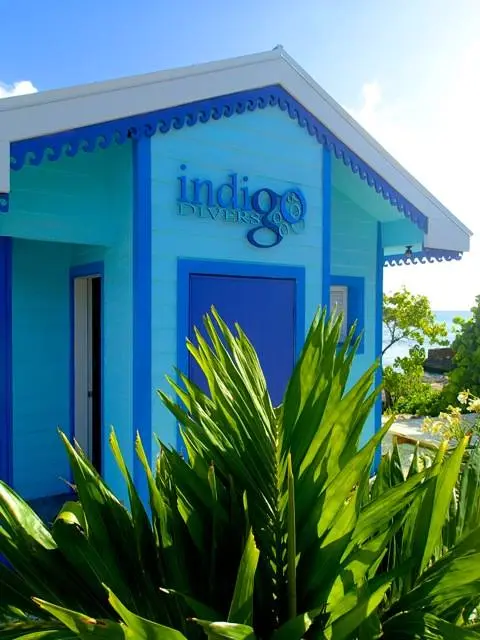
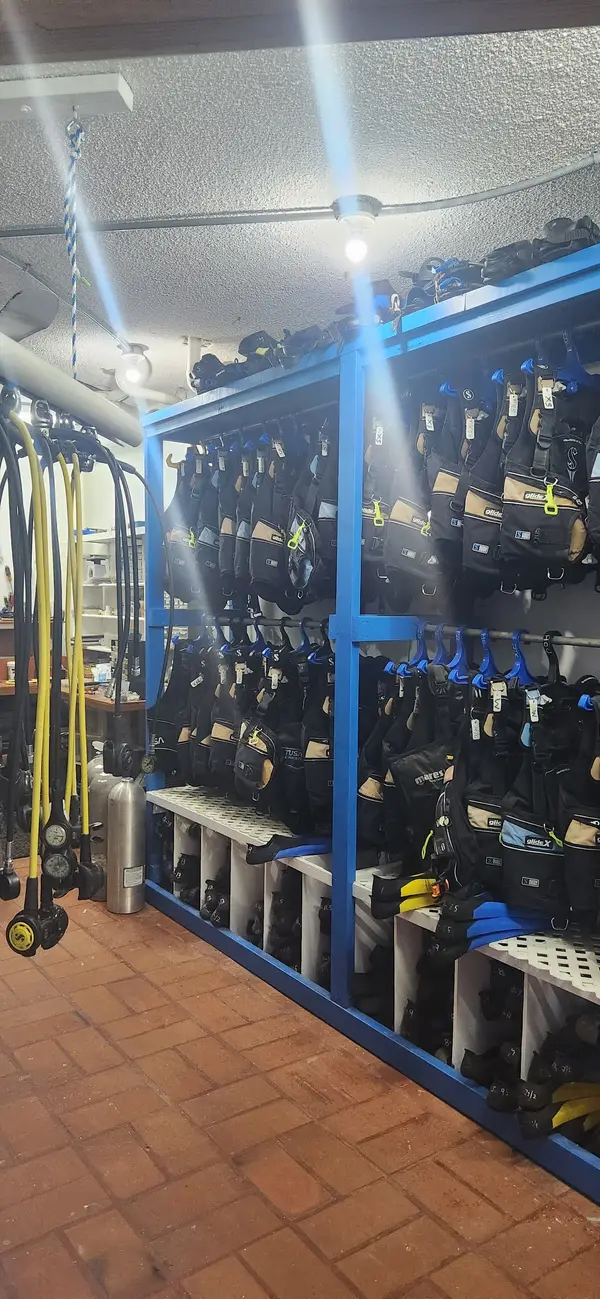
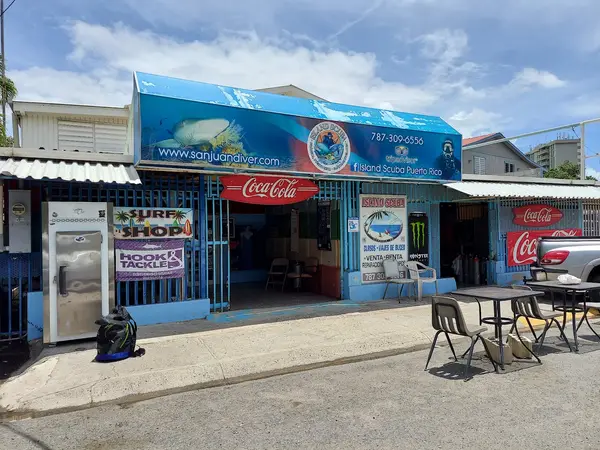
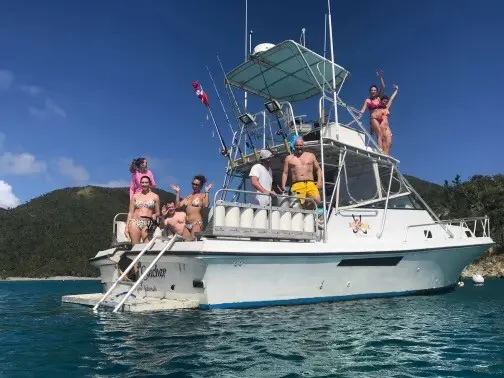
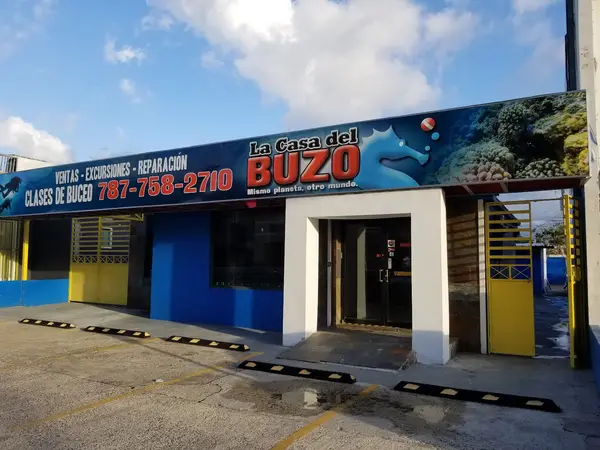
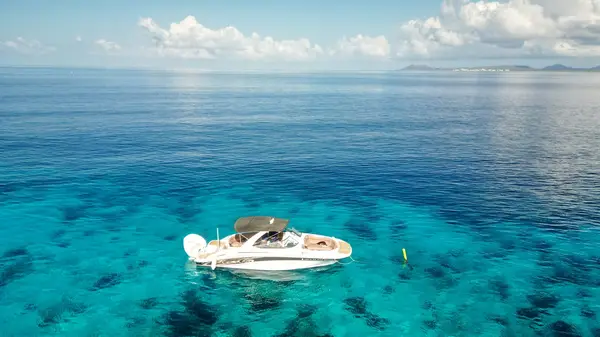
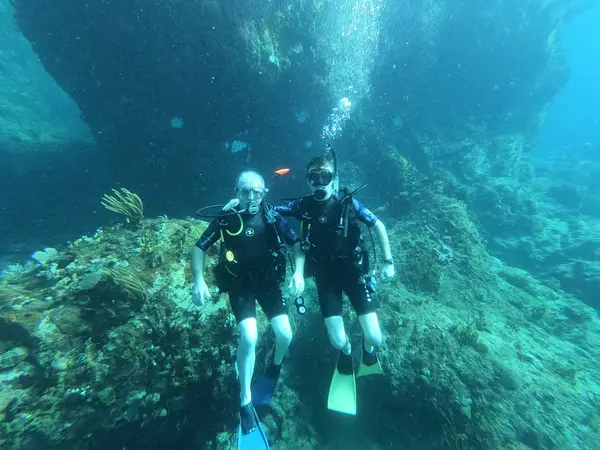
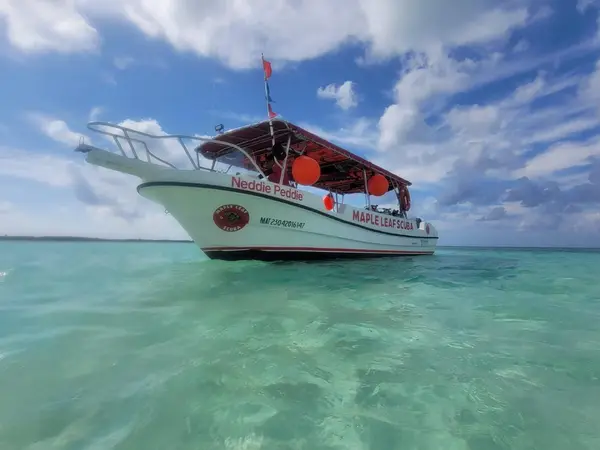
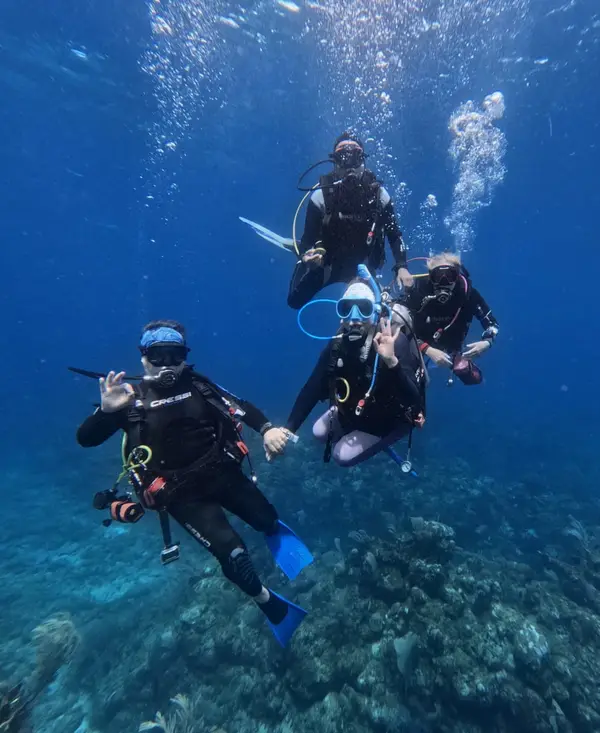

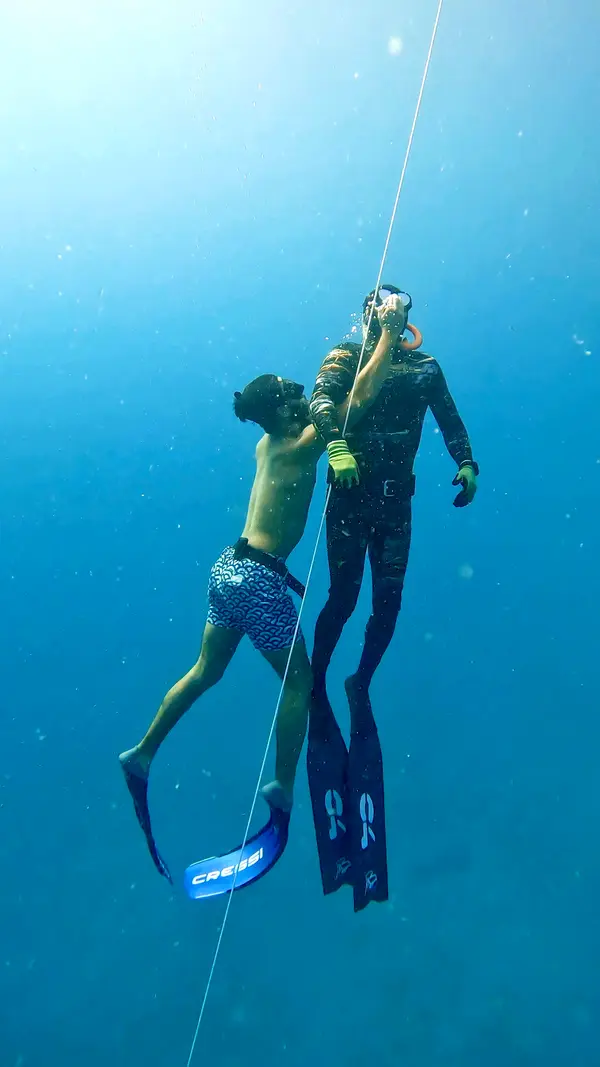
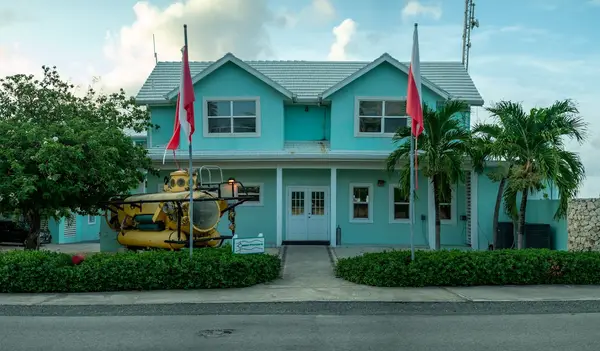
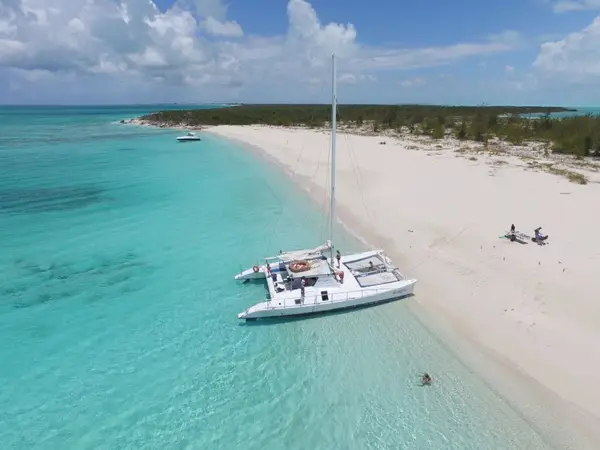
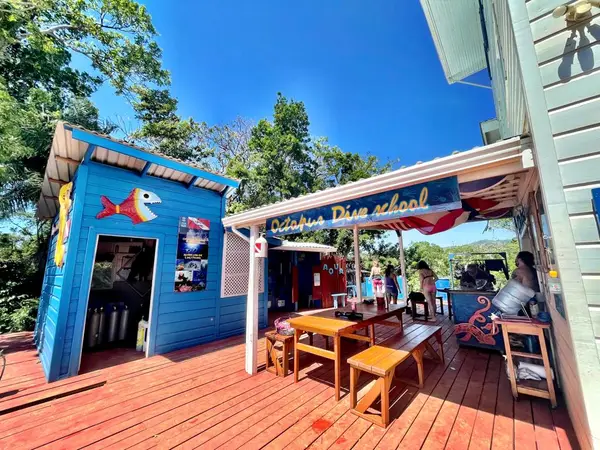
Watch it live
Live webcams in Caribbean
Eyeball the surface conditions on a public cam before you plan the dive.
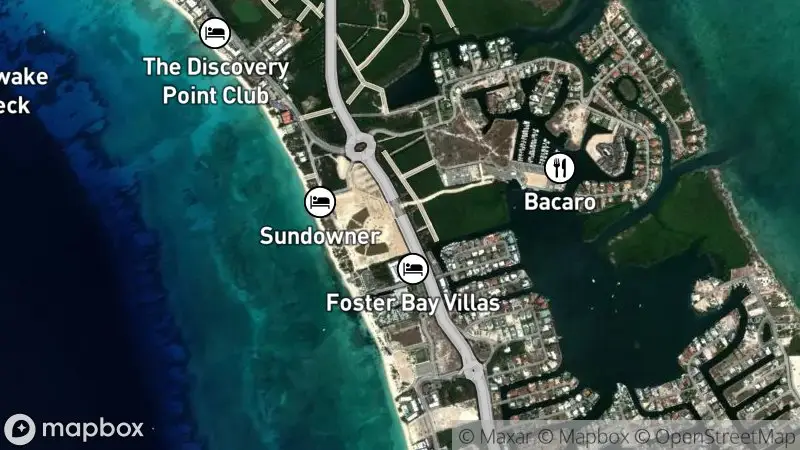 Location
Cayman Reef Cam
via explore.org
Watch livePlan your trip
Plan your trip to Caribbean
Getting There and Around
Major international airports like those in Miami, Atlanta, and Toronto serve as primary hubs for flights into the Caribbean. Inter-island travel often involves smaller regional airlines or ferries, which can add to travel time and cost. Planning connections carefully is crucial, especially for multi-island itineraries.
Certification and Experience Levels
Most dive operations require a minimum Open Water Diver certification. For deeper wrecks, wall dives, or sites with strong currents, Advanced Open Water or higher certifications are often recommended or required. Some operators may also ask for proof of recent diving activity or a minimum number of logged dives, especially for more challenging sites. Always confirm with your chosen dive operator.
Marine Park Fees and Local Logistics
Many Caribbean nations have established marine protected areas (MPAs) and charge conservation fees, which typically support reef preservation and management. These fees vary by country and can be per dive, per day, or a flat weekly rate. Language varies across the region, with English, Spanish, French, and Dutch being common. Local currency is used, but US dollars are widely accepted in many tourist areas.
Liveaboards vs. Day Boats
Liveaboards offer unparalleled access to remote dive sites and multiple dives daily, especially beneficial for destinations like the Bahamas or the Belize Atolls. Day boats, operating from shore-based dive shops, are great for exploring local sites and combining diving with other island activities. Consider your desired level of immersion and the specific sites you wish to visit when choosing.
Nitrox Availability and Insurance
Nitrox (enriched air) is widely available at most reputable dive centers and on liveaboards throughout the Caribbean, often for an additional fee. It is highly recommended for multiple daily dives. Comprehensive dive insurance, including emergency evacuation coverage, is strongly advised due to the remote nature of some dive sites and the potential for high medical costs. Confirm your personal insurance covers scuba diving.
Confirm current requirements with the state agency before your trip. Rules and fees change every season.
Certification Requirements
All divers must present a valid certification card (C-card) from a recognized agency (e.g., PADI, SSI, NAUI) before diving. Dive operators may also request proof of a recent dive (e.g., logbook) or a refresher course if you haven't dived in over a year. Requirements vary by country – confirm with your operator.
Marine Park and Conservation Fees
Many Caribbean countries enforce marine park fees or conservation tariffs, which are typically collected by dive operators. These funds contribute directly to the protection and management of the marine environment. The amount and collection method vary by country – confirm with your operator.
Medical Fitness and Insurance
Divers are generally required to complete a medical questionnaire, and some operators may request a doctor's note for certain pre-existing conditions. Comprehensive dive insurance, covering medical emergencies and evacuation, is highly recommended and sometimes mandatory. Requirements vary by country – confirm with your operator.
Age and Experience Minimums
While Open Water certification typically requires a minimum age of 10 or 12, some advanced or technical dives may have higher age or experience (logged dives) minimums. Specific sites with strong currents or depths beyond recreational limits will have strict requirements. Requirements vary by country – confirm with your operator.
- 01
1. Choose Your Caribbean Destination
Decide what you actually want underwater (wrecks, walls, macro, drift), and how you want to live topside: resort, liveaboard, or budget island-hopping. Then match islands to that list, weighing flight connections, season, and what non-divers in your party will do all day.
- 02
2. Research Dive Shops or Liveaboards
With a destination picked, dig into the operators. Read reviews with an eye for safety and boat condition, check environmental credentials, and note what each outfit requires: certification level, medical forms, recent-dive proof. The shop you choose shapes the trip more than the island does.
- 03
3. Confirm Travel and Diving Requirements
Check visa rules for your nationality, any entry protocols for the country, and what marine park fees apply. Make sure your certification covers the sites you want, some demand more than Open Water, and sort out dive insurance before you leave, not after.
- 04
4. Book Flights and Accommodation
Lock in international flights first, then any inter-island hops, regional connections sell out and don't always run daily. Book the resort, hotel, or liveaboard well ahead if you're traveling in peak season, and confirm airport transfers with the operator rather than assuming.
- 05
5. Prepare Your Dive Gear and Documents
Get your regulator and BCD serviced before the trip, not discovered leaking at the dock. Pack the paper trail too: passport, C-card, logbook, insurance details, medical forms. Reef-safe sunscreen earns its place in the bag.
01What is the best time of year to dive in the Caribbean?
02Is the Caribbean suitable for beginner divers?
03What kind of marine life can I expect to see?
04Should I choose a liveaboard or a resort-based dive trip?
05Are there any specific health or safety considerations for diving in the Caribbean?
06What is the average water temperature in the Caribbean?
When to go
Season by season in Caribbean

Spring (March - May)
Arguably the sweet spot for the whole basin. Water warming, visibility high, hurricane risk near nil, seas calm enough that the boat ride is part of the pleasure rather than the price. Plenty of other divers have figured this out, so popular destinations fill up.
Summer (June - August)
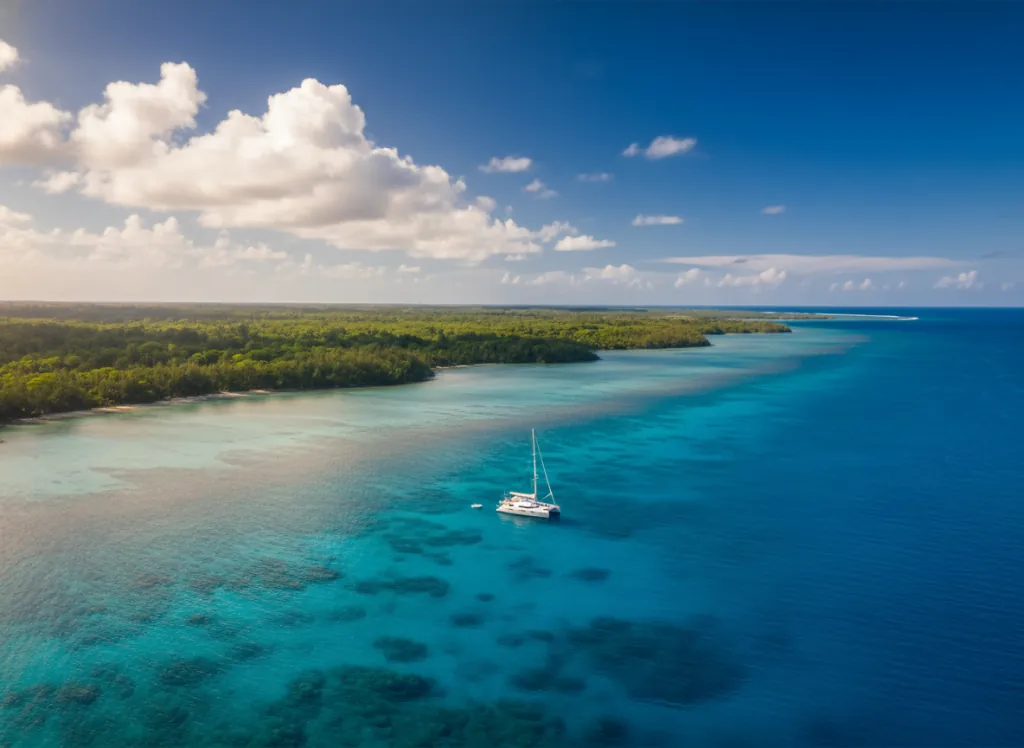
Hurricane season opens across the northern Caribbean in June, but the southern islands (Bonaire, Aruba, Curaçao), sit largely outside the main storm tracks. Expect warm water, thinner crowds, and visibility that can be exceptional, traded against more frequent rain in some areas. A good bet if you want the sites to yourself.
Autumn (September - November)
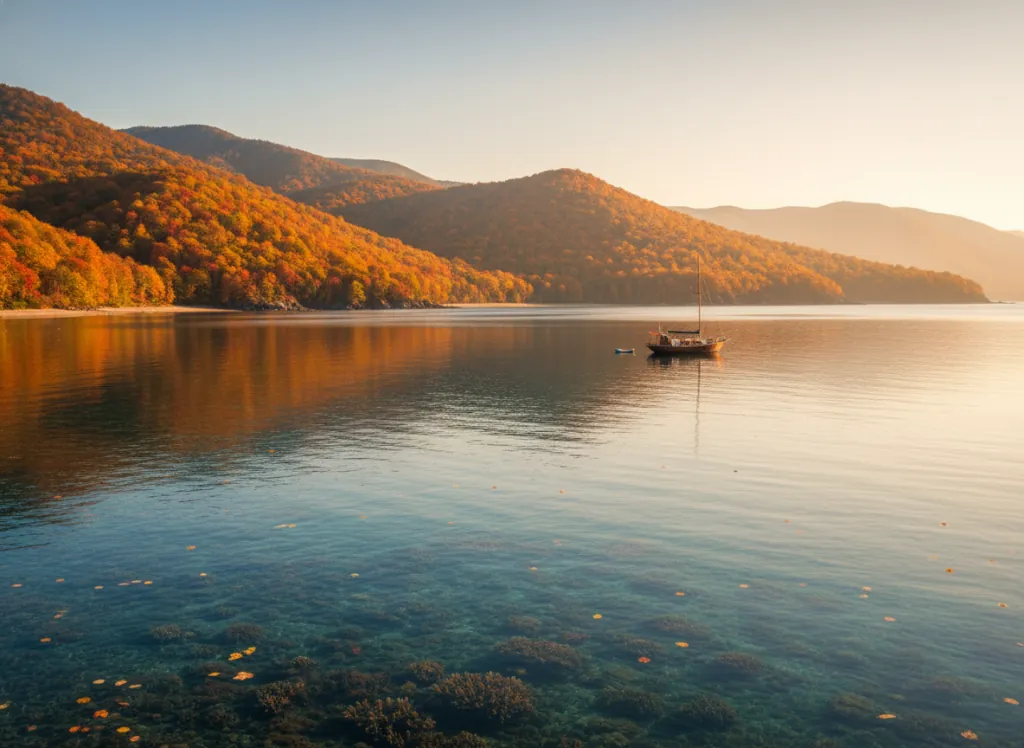
Peak hurricane season for much of the northern and central Caribbean, and the one window where a storm can genuinely wreck an itinerary, closures and cancellations happen. The consolation: on islands the storms miss, water temperatures peak and marine life is busy. Check your specific destination; conditions diverge sharply island to island.
Winter (December - February)
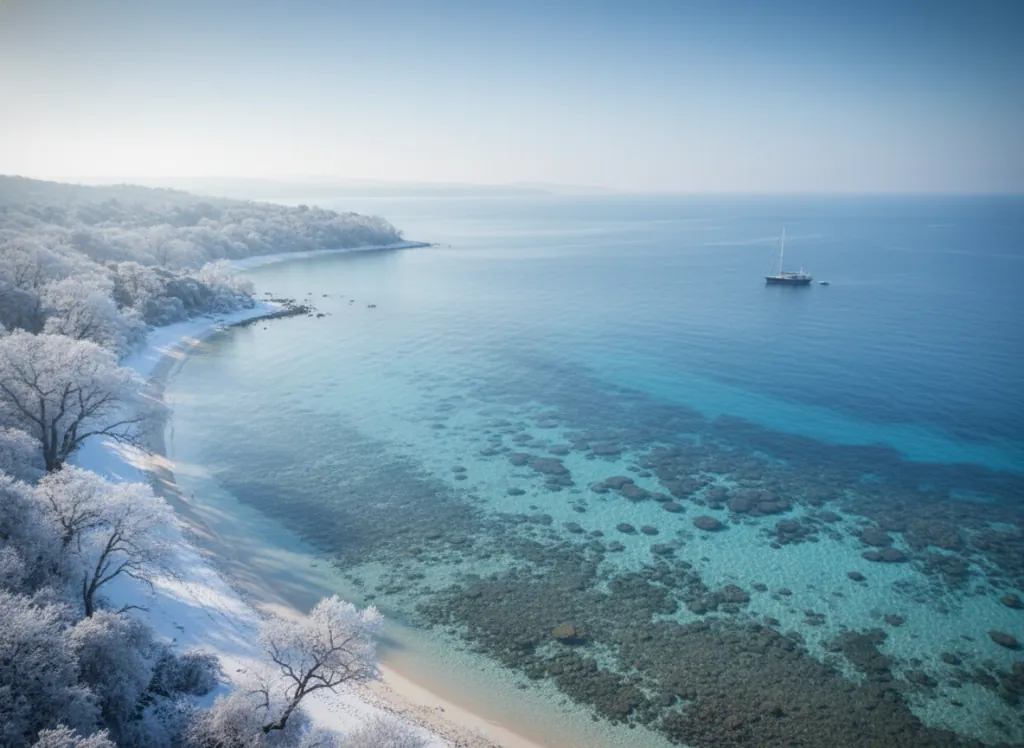
Prime season for the northern and central islands: hurricane season is over, visibility is typically at its best, and air and water temperatures are comfortable if a touch cooler than summer. The catch is company: holiday crowds push boats and rooms to capacity, so book well ahead.
Watch & learn
Watch & learn, Caribbean
DIVING HIGHLIGHTS FROM COZUMEL, MEXICO 2022 4K 2nd edition
Gerry Green
0Bonaire Scuba Diving Buddy's Reef in 4K! Best shore diving in the world! like an aquarium but better
ZoubTube
0Scuba Diving in Roatán Honduras - March 2023 (4K)
Fish Nerd Films
0
Free tools
Your free outdoor toolkit
Everything Map
Listings, trails, spots, clubs and public land on a single full-screen map. Switch layers on and off, then tap any point for the details.
Open Everything MapDive Sites
Browse community-mapped reefs, wrecks, and walls with depth, conditions, and what you will see.
Open Dive SitesRoute Planner
Drop stops on a map and watch distance and drive time add up. Export a GPX or share the link.
Open Route PlannerDive Clubs
Browse local clubs with meeting info and how to join, or start your own for free.
Open Dive ClubsPhoto ID
Point your camera at whatever you found and get a structured identification. No signup.
Open Photo IDGear Checklists
Printable, save-as-you-go packing lists. Tick items off and pull them up on your phone.
Open Gear Checklists