Scuba Diving · Atlantic & Cold Water
Atlantic & Cold Water Scuba Diving
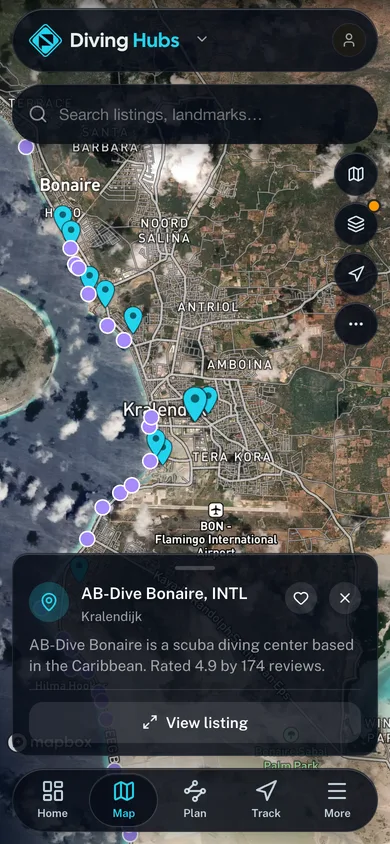
Explore 549 operators across Atlantic & Cold Water. Maps, contact info, photos, and verified operator profiles, all in one place.
All listings
549 operators in Atlantic & Cold Water









Dive Site Explorer
Dive sites across Atlantic & Cold Water
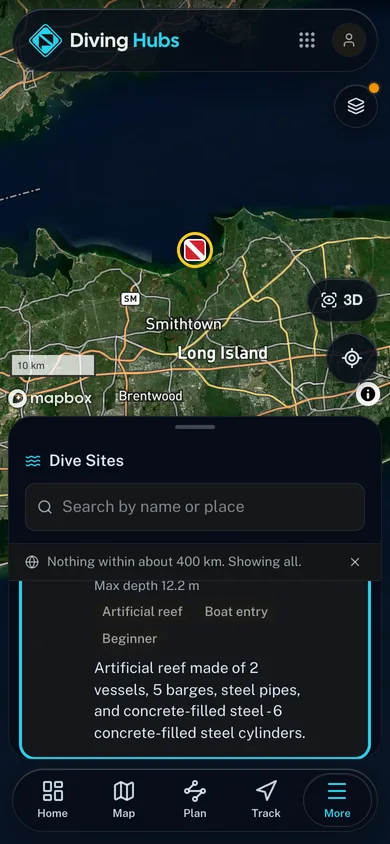
Tap a dive site to pinpoint it on the map, then open it for depth, entry, and the nearest operator.
About Atlantic & Cold Water
Quick facts
- Water temp
- 4–20°C (39–68°F)
- Visibility
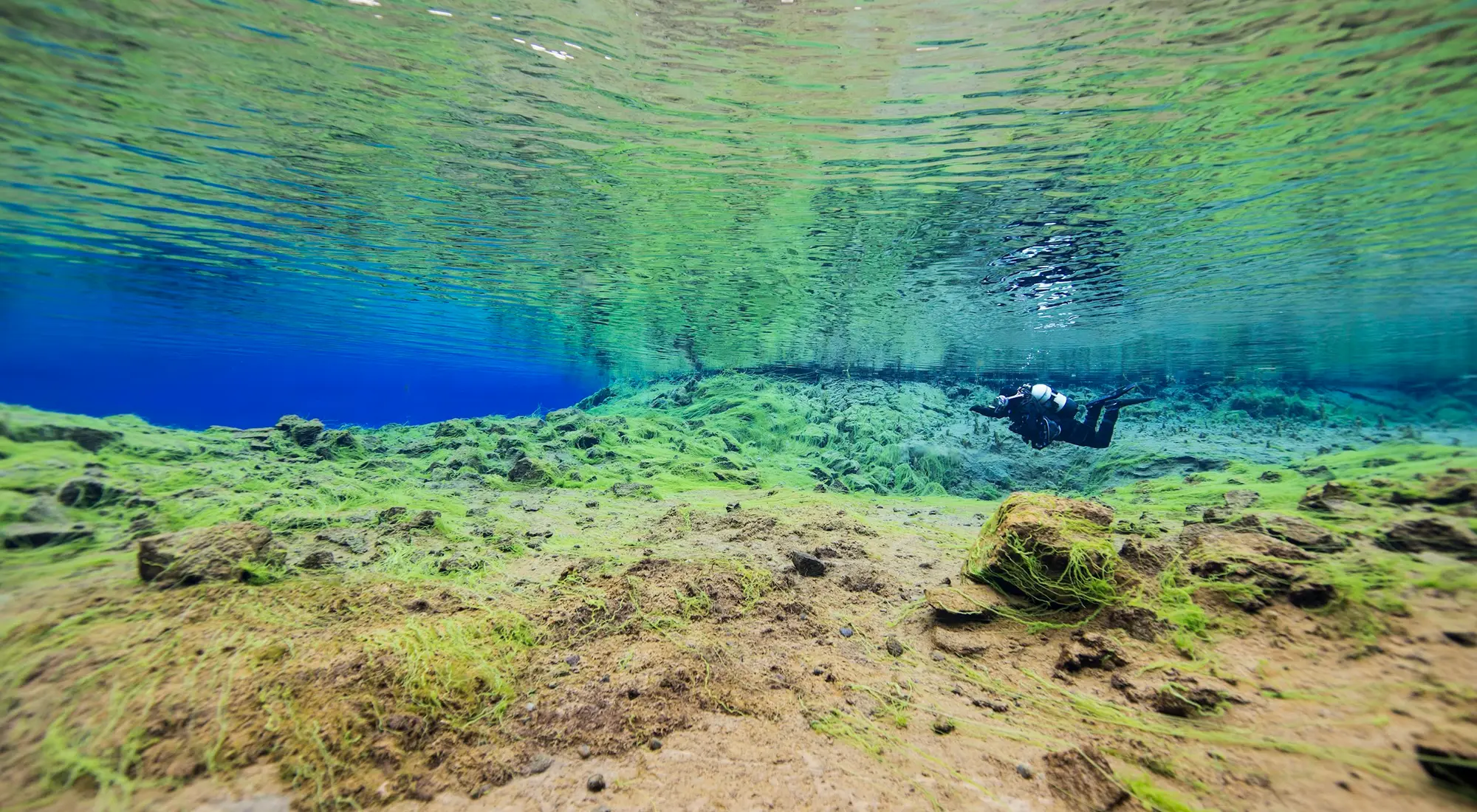
- 10–40m+
- Best season
- Late spring–summer
- Highlights
- Pelagics, wrecks & tectonic dives
- Skill level
- Advanced
- Operators listed
- 549
- Countries
- Iceland, Norway, United Kingdom +6 more
- Dive areas
- 4
By region
4 regions in Atlantic & Cold Water
Region 01 / 04
Azores, Portugal
A volcanic archipelago dropped in the middle of the Atlantic, where seamounts and sheer topography pull in the open ocean's traffic: shark species, mobula rays, and whales on migration. The place advanced divers go when they want big animals, not guarantees.
Region 02 / 04
Norway (Arctic & Fjord Diving)
Fjord and Arctic diving of a kind found almost nowhere else: orcas, vast kelp forests, and underwater terrain as dramatic as the cliffs above it. Bring a dry suit certification, the water demands it, and the visibility and marine life reward it.
Region 03 / 04
Scapa Flow, Scotland (UK)
The WWI German High Seas Fleet was scuttled here in 1919, and its battleships and cruisers still lie on the bottom, remarkably preserved. An underwater museum on a naval scale, and one of the world's great wreck-diving pilgrimages.
Region 04 / 04
Canary Islands, Spain
Mild year-round and volcanic to the core: lava formations, caves, and rocky reefs busy with fish. Good visibility, diverse marine life, and enough easy water to suit divers at every level.
Trip guide
Know before you go in Atlantic & Cold Water
Confirm current requirements with the agency that sets them before your trip. Rules and fees change every season.
Proof of Certification
All divers are required to present valid proof of their scuba diving certification from a recognized agency (e.g., PADI, SSI, NAUI) before participating in any guided dives or equipment rentals. This is a universal standard, but specific requirements for advanced certifications may vary by country and dive site – confirm with your operator.
Dive Medical Statement
Many dive operators will require a completed medical statement (self-assessment) to ensure you are fit to dive. If you answer 'yes' to any medical conditions, a doctor's clearance may be necessary. Specific medical requirements and forms vary by country – confirm with your operator.
Minimum Age and Experience
While standard recreational diving certifications have minimum age requirements (typically 10-12 years old), some advanced or challenging dives in the Atlantic & cold-water North Atlantic may impose higher age limits or require specific logged dive experience. These can vary by country and operator – confirm with your operator.
Marine Protected Area Regulations
Diving in marine protected areas or national parks often comes with specific regulations to protect fragile ecosystems, such as no-touch rules, restrictions on certain equipment, or mandatory guide accompaniment. Violations can lead to significant penalties. These rules vary by country and protected area – confirm with your operator.
01What kind of marine life can I expect to see in the Atlantic & cold-water North Atlantic?
02What are the typical water temperatures in this region?
03Are there opportunities for technical diving in the Atlantic & cold-water North Atlantic?
04Is it safe to dive with large marine animals like sharks or orcas in this region?
05What is the best way to travel between dive sites or islands in the region?
06Do I need to bring my own dive gear, or can I rent equipment?
When to go
Season by season in Atlantic & Cold Water
Spring (March - May)
Conditions improve first in the south, the Canary Islands warm up and visibility climbs. In the colder North Atlantic the ice starts pulling back, reopening some northern sites, though the water stays properly cold. Watch the mid-Atlantic archipelagos in this window: spring can bring marine life migrations through.
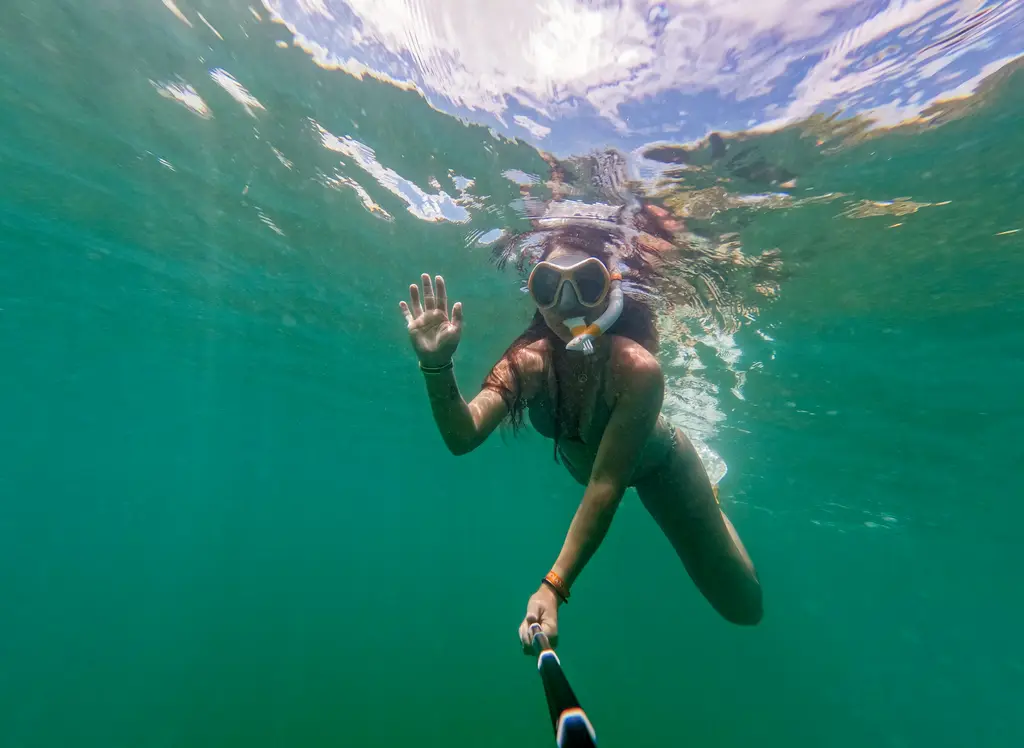
Summer (June - August)
Prime season almost everywhere. Water temperatures peak, visibility is generally at its best, and this is the window for Norway, Iceland, the UK, and the Canadian Maritimes. Pelagic action peaks in the Azores, and wreck sites sit in their most settled conditions of the year.
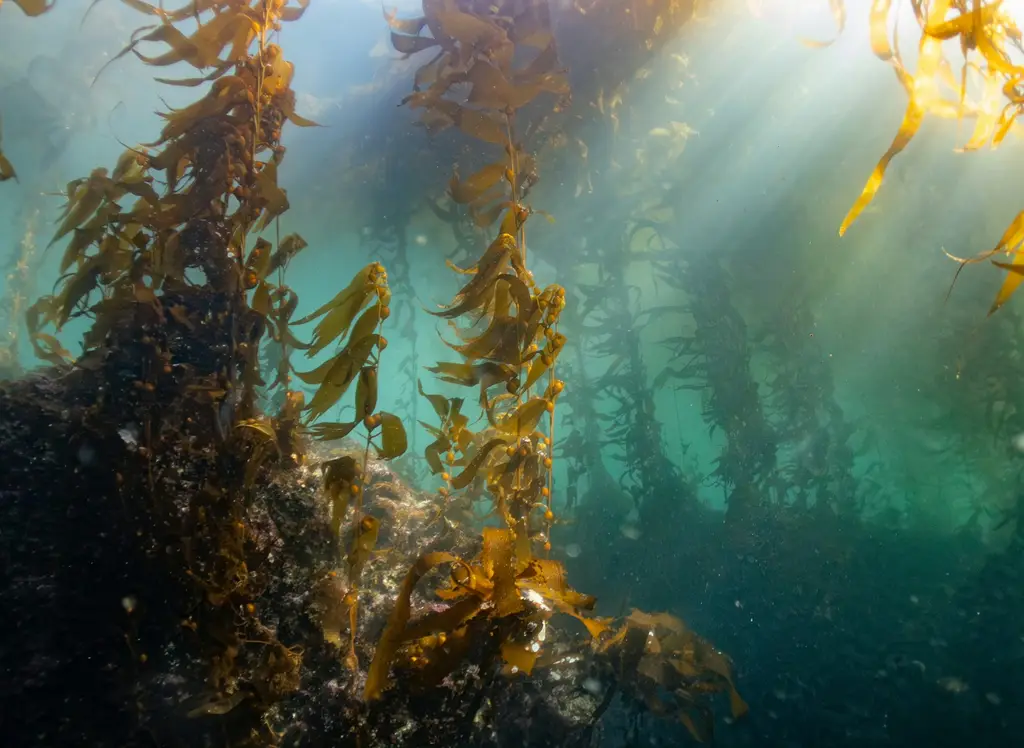
Autumn (September - November)
The early autumn months are a quiet gem: the water holds its summer warmth in many areas, visibility can be exceptional, and the crowds have gone home. The far north cools fast, but events like the UK's seal interactions carry on, and the southern Atlantic stays comfortably diveable.
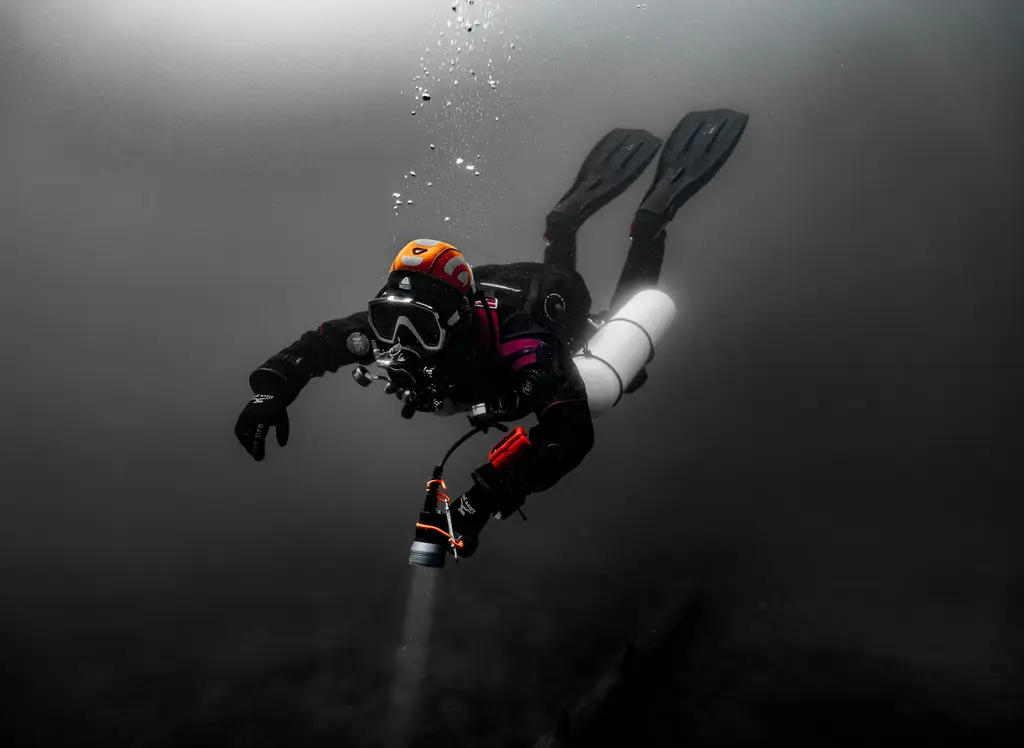
Winter (December - February)
The hardest season in the cold North Atlantic (low temperatures, seas that can turn rough), but also the season of its rarest prizes: ice diving in Iceland, orcas in Norway. Meanwhile the Canary Islands dive year-round, offering a milder winter escape for anyone not ready to trade a wetsuit for a dry suit.
Free tools